The cost of a courtroom delay
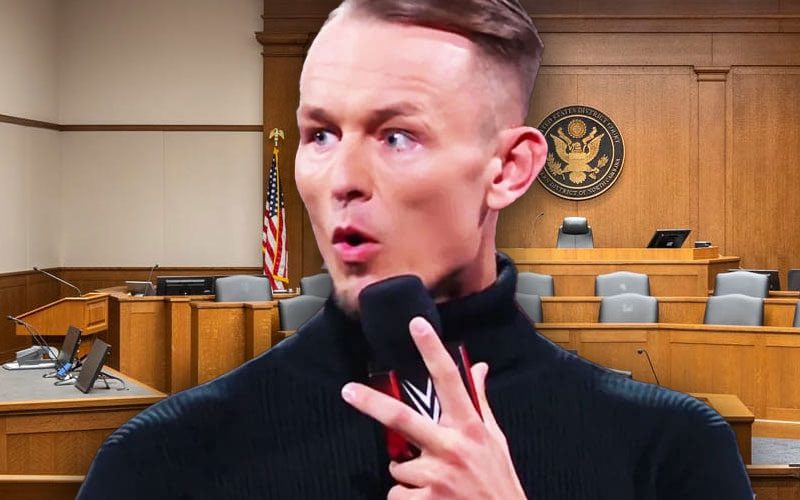
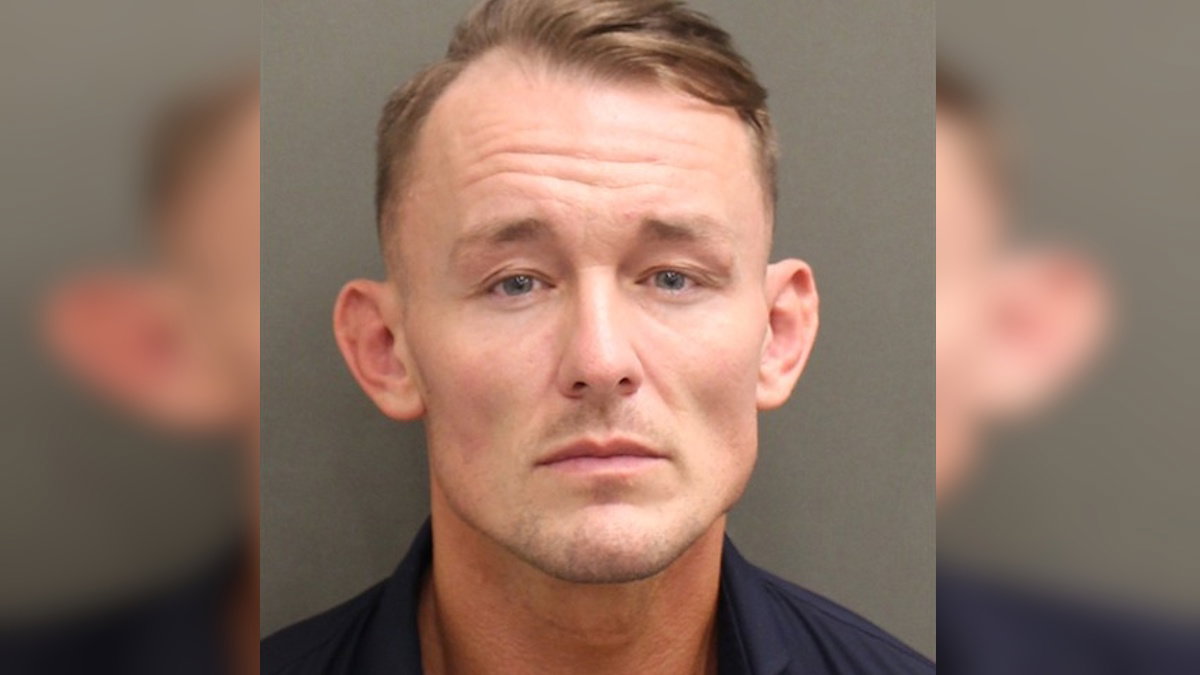
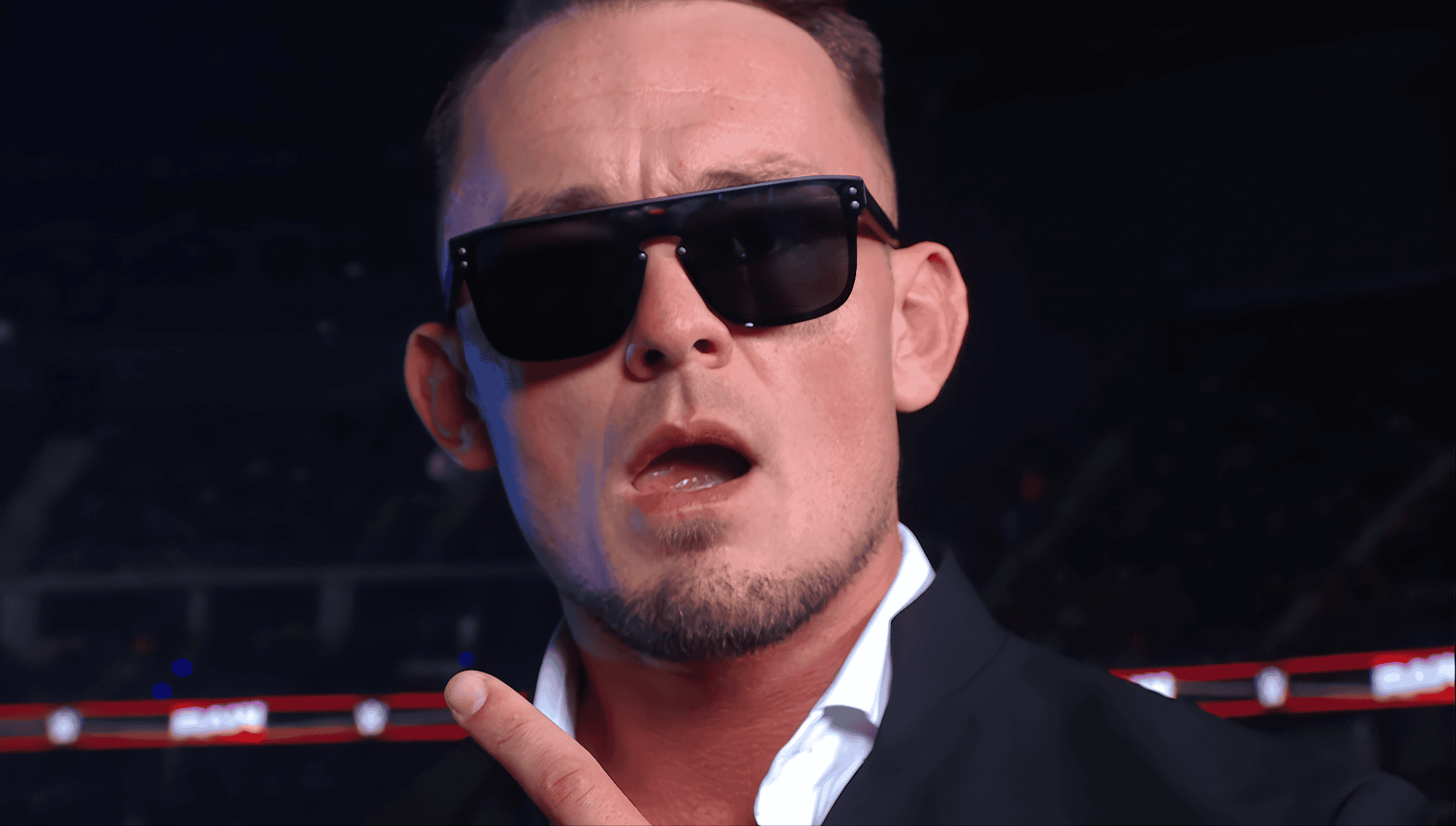
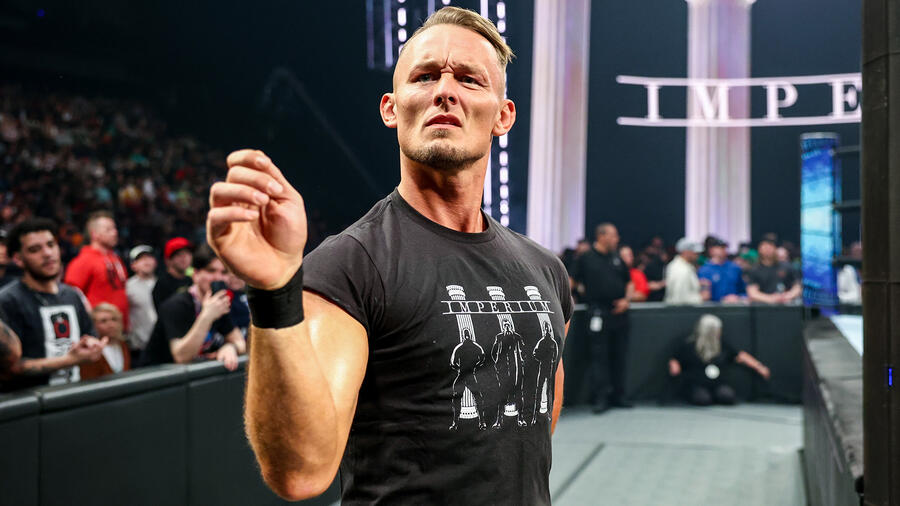
Legal entanglements rarely adhere to a wrestling promotion’s booking schedule. When Ludwig Kaiser—known in some circles by the moniker El Grande Americano—was arrested on a battery charge, the immediate fallout wasn't just reputational but operational. Per WrestlingNews.co, Kaiser has pled not guilty to the charge, but the logistical friction resulting from the legal process is significant for a talent maintaining an international schedule.
Analyzing the travel waivers
WWE performers typically operate on a schedule requiring movement across state and international borders on a 72-hour turnaround. Following the arrest, Kaiser’s legal team was forced to file a motion seeking permission to continue traveling for his professional obligations. While reports from F4WOnline suggest he has secured clearance for specific dates, such as an upcoming booking in Mexico for AAA, the broader uncertainty remains.
This case is not occurring in a vacuum. Details emerging via Raj Giri highlight that the complainant allegedly threatened to involve immigration authorities against Andrea Bazarte prior to the altercation. This adds a layer of complexity that legal counsel must navigate before the court allows total geographic freedom of movement.
Statistical impact on the roster
If Kaiser’s travel is restricted by recurring court dates, the impact on his mid-card utility is measurable. Assuming a standard touring schedule, a talent is expected to appear in roughly 90% of televised events and live tours across a 12-month window. A 20% drop-off in availability due to mandatory court appearances represents a failure to fulfill contractually obligated dates, creating a void that requires immediate reshuffling of mid-card positioning.
JBL has publicly voiced support, stating he is "100% behind Kaiser on this," but internal sentiment often fluctuates depending on the risk-to-reward ratio of a talent’s public profile. While the roster depth can absorb an injury, managing a talent whose availability is dictated by a presiding judge rather than the creative office introduces a variability that is statistically difficult to account for in long-term booking.
The defense’s motion to maintain full travel privileges is the only path toward keeping Kaiser’s career on trajectory. Until a verdict is rendered, WWE’s creative team must operate with a 50/50 probability regarding his availability for any given loop. This creates a reliance on stop-gap booking, which historically leads to lower-quality secondary angles and reduced engagement metrics for the performers involved.
Read Next