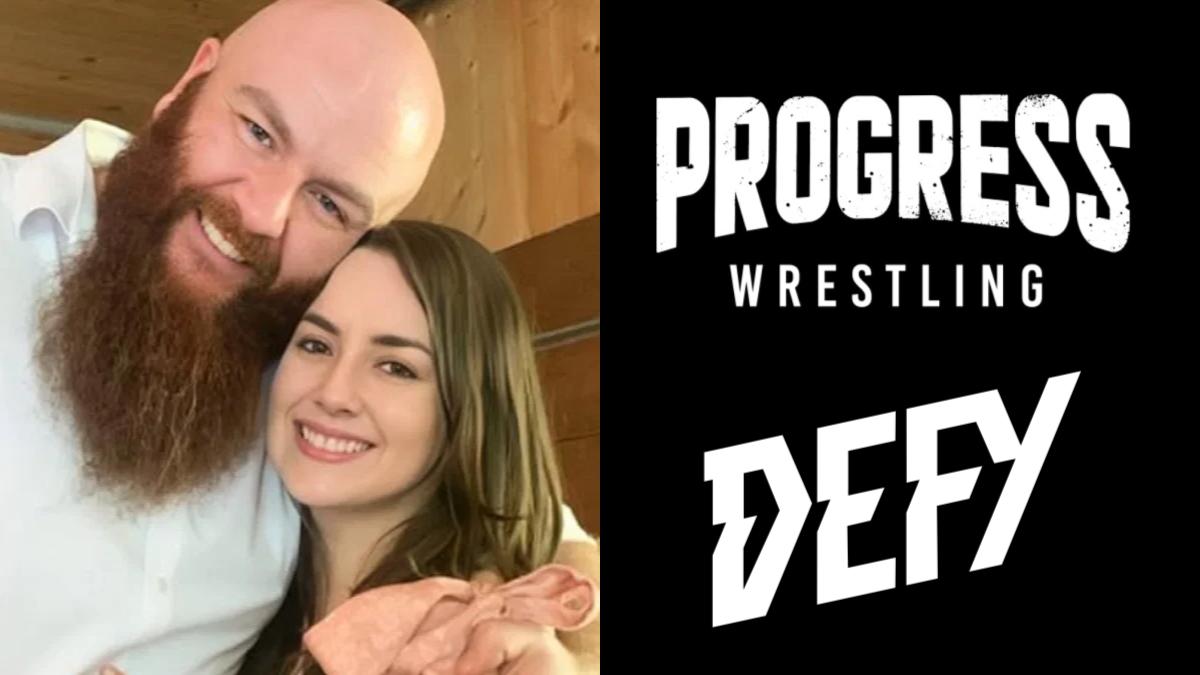
The transition from active rings to the boardroom
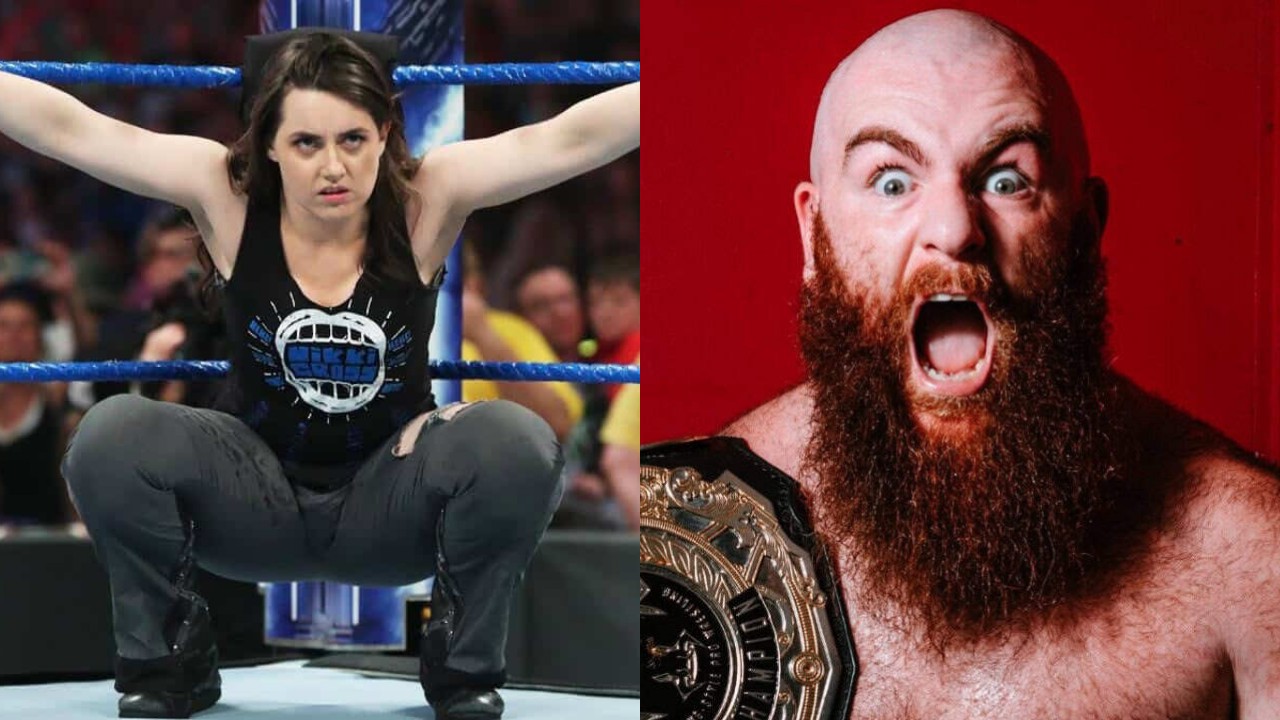
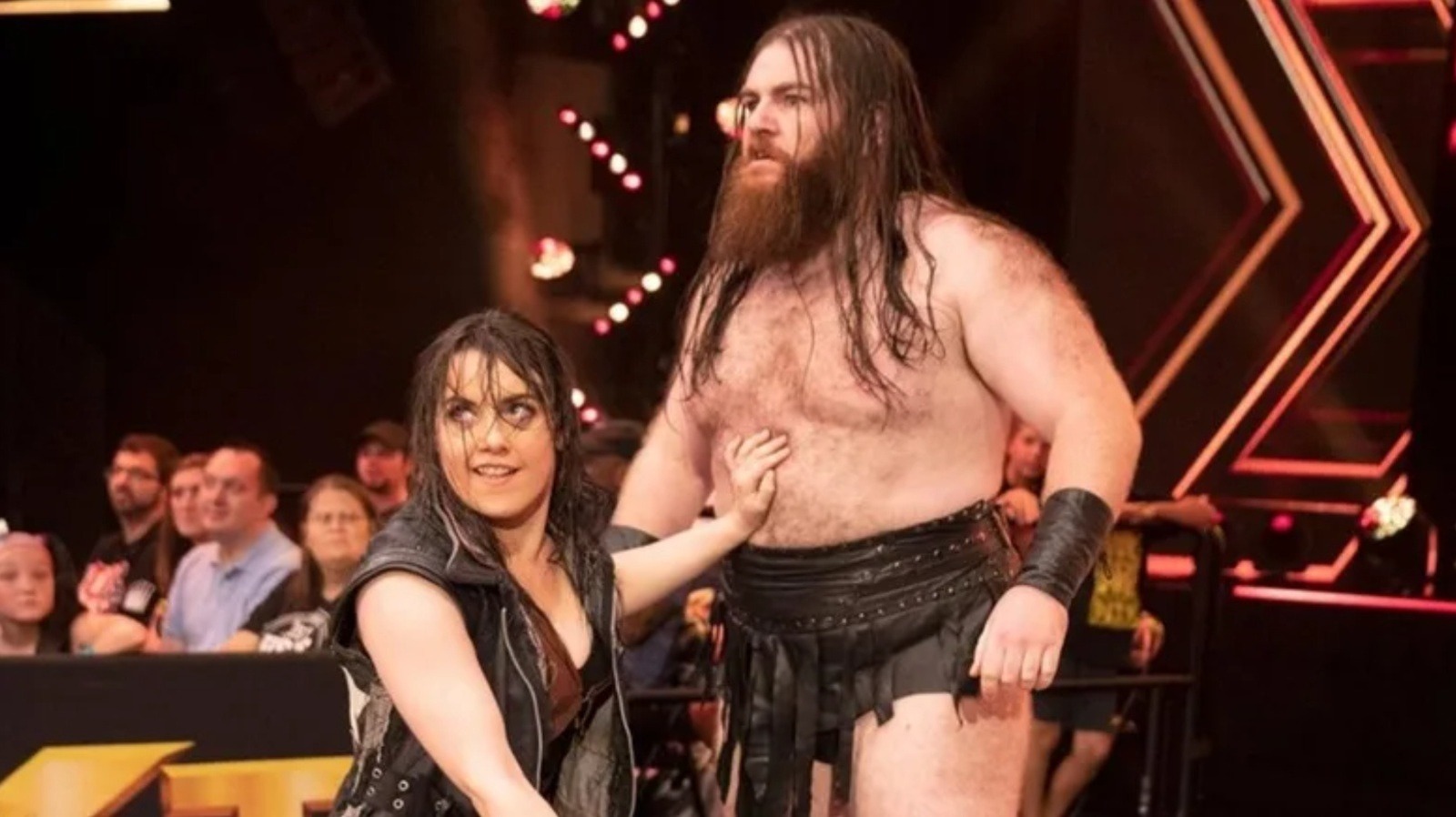
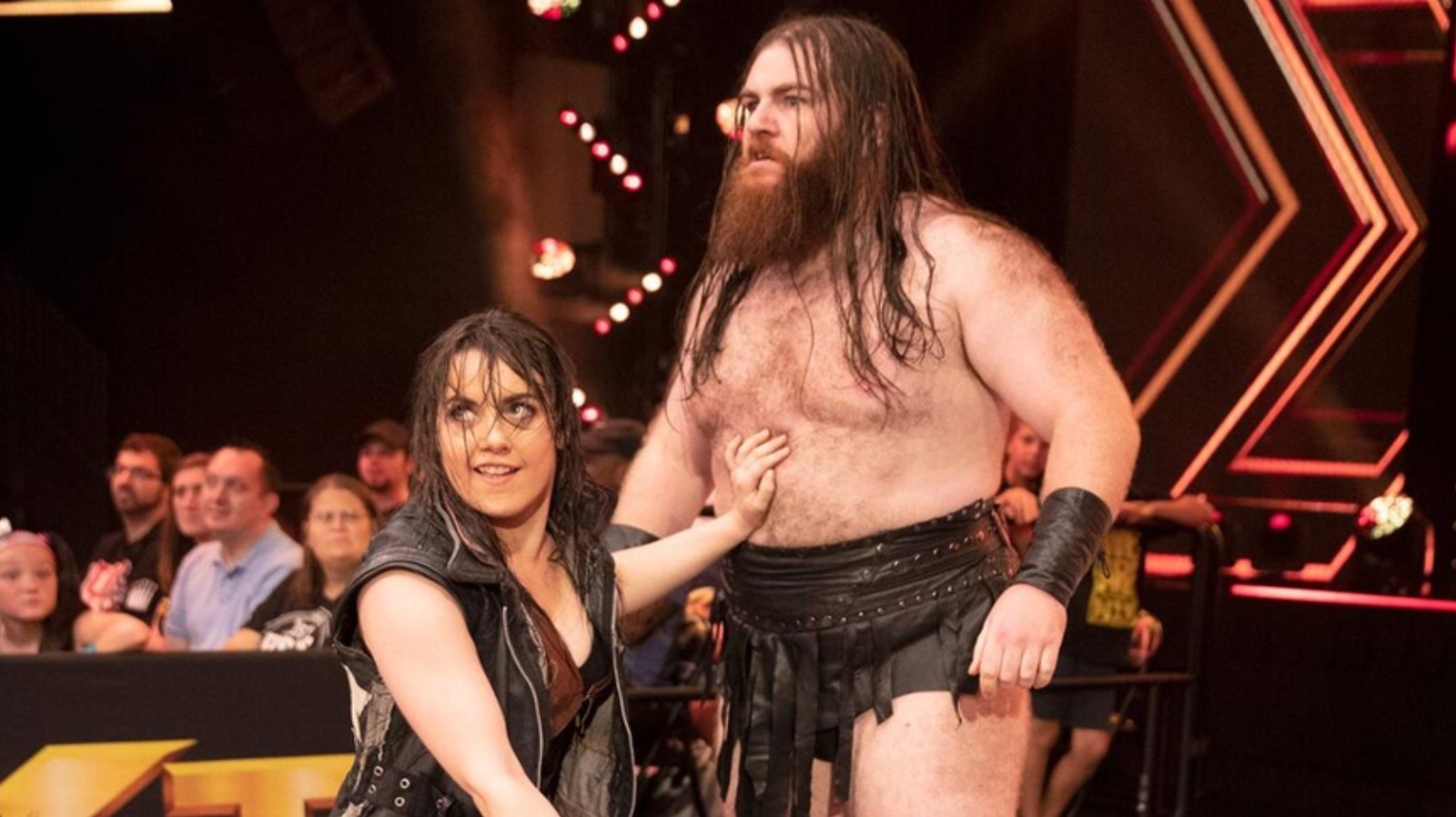
The landscape of independent wrestling underwent a seismic shift this week as Big Damo and Nikki Storm completed the acquisition of PROGRESS Wrestling and DEFY Wrestling. This move signals a departure from the traditional wrestler-promoter dynamic we have observed throughout the 2026 calendar year. As WrestleTalk recently confirmed, the former WWE fixtures are moving from in-ring performance to total operational oversight.
For fans of the British and Pacific Northwest scenes, this represents more than a simple change in the masthead. PROGRESS has long served as a funnel for talent hitting the main roster of major international promotions. By taking ownership, Damo and Storm essentially control the pipeline through which they once navigated as performers.
Creative direction under new leadership
Big Damo, known for his physical style and ability to anchor chaotic multi-man bouts, brings a specific perspective to booking the heavyweights in DEFY. The promotion has carved a niche for itself as a high-octane alternative in the Seattle market. It is reasonable to expect a tighter focus on conditioning and international cross-over matches, given the couple's history with the WWE system.
Nikki Storm, conversely, brings a deep understanding of character development. Her work, both as a chaotic antagonist and a technical expert, suggests that the women's divisions in both PROGRESS and DEFY will undergo significant reform. Expect character-heavy feuds to take precedence over move-trading exhibitions.
The internal challenges of this acquisition
Owning two separate promotions in two corners of the globe presents a logistical nightmare. PROGRESS operates within the UK environment, while DEFY maintains a footprint in the United States. Syncing these efforts requires a level of management efficiency that many veteran wrestlers lack when transitioning into executive roles. Missteps in resource allocation or talent burnout are real risks here.
Furthermore, the creative identity of both companies could suffer. If the programming becomes too homogenous, fans lose the regional flavor that made these brands stand out in the first place. Consistency in scheduling is a hurdle they must clear before the end of the summer if they want to retain the core PROGRESS audience.
Timeline and strategic implications
The deal was finalized in late May 2026. Fans should watch for the first cards announced under the new ownership within the next 45 days. If the duo plans to integrate rosters, the first opportunity for a high-profile cross-promotional event would likely fall after the peak of the 2026 summer season.
Their primary objective appears to be establishing a stable bridge for talent looking to refine their craft outside of the major corporate monoliths. By securing these brands, they ensure that they have a platform to showcase their current contemporaries without the oversight of a larger creative team. It is a bold, albeit risky, play for two active veterans.
Probability assessment
This is not a rumour — it is a confirmed transaction. The probability of the acquisition holding is 100%, though the probability of immediate booking success remains variable. We are currently observing a transition phase. Whether this results in a stronger international independent scene is the metric that matters most for the average viewer.
The impact of this deal on the wider wrestling industry is centered on retention and development. If Damo and Storm can keep talent motivated and properly compensated, they effectively create a middle ground for performers who have reached a ceiling in smaller federations but aren't quite ready for the top-tier global promotions. Should they fail to balance the books, we might see the further consolidation of the market under larger entities by the end of 2027.