WWE ID showcase signals a strategic shift in talent acquisition
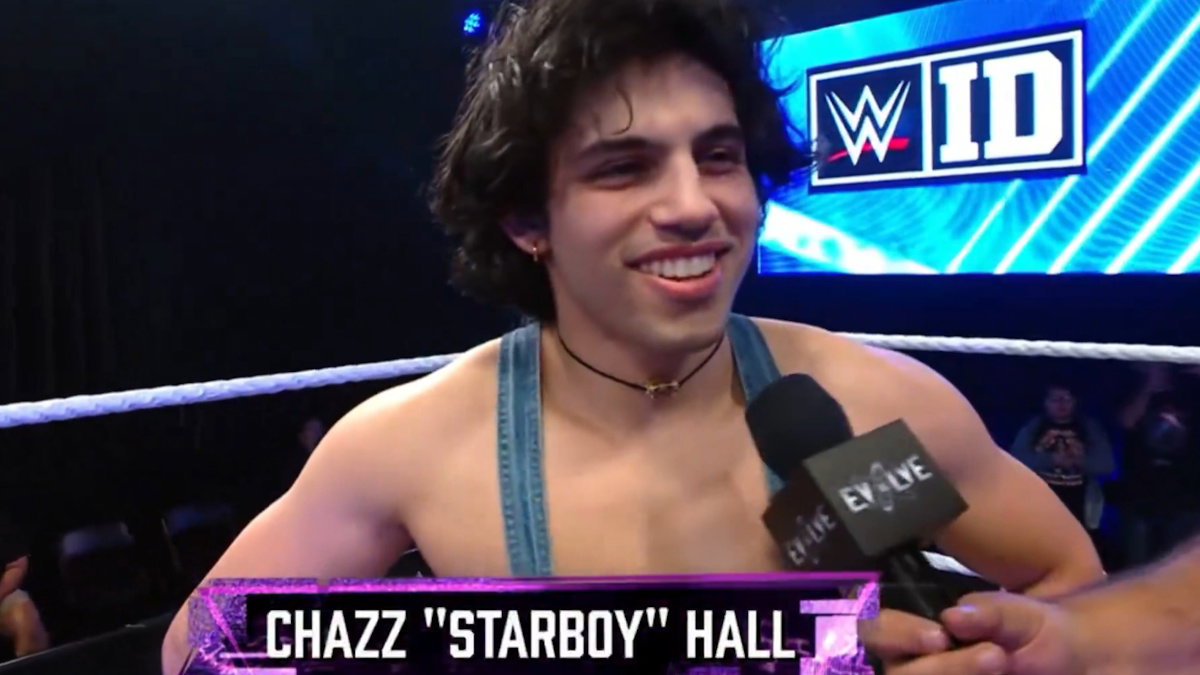
The landscape of professional wrestling talent acquisition underwent a subtle but significant change on April 16, 2026, as the WWE ID showcase took center stage in Las Vegas. While the focus of fans remains on the high-profile spectacle of WrestleMania weekend, this quiet exhibition of independent prospects serves as the clearest evidence yet of WWE’s new developmental pipeline.
Multiple standouts from independent promotions were observed moving through drills and high-intensity match sequences under the professional gaze of WWE recruiters. This wasn't merely a tryout; it was a curated display of talent positioned as potential future roster members. The directive is clearly to identify performers who possess the foundational skills to bridge the gap between regional circuits and the global stage of Stamford.
The intersection of independent experience and corporate polishing
Promotion of this sort highlights a tactical pivot. Rather than signing every available free agent, the company appears to be using PROGRESS Wrestling and other collaborative circuits as a litmus test. Scouts look for reliability, crowd control, and the ability to work high-stakes segments without the typical production safety net provided on main roster television.
However, the skepticism remains regarding the longevity of these prospects. A critical observation from the floor was the disparity between technical polish and genuine charisma. Several participants showcased elite in-ring sequences—notably a series of picture-perfect strikes and technical transitions—yet struggled to convey a unique personality that would resonate with a mainstream audience. Relying purely on work-rate often leads to a ceiling in a character-driven corporate environment.
Probability and outlook
Sources indicate that the developmental interest is genuine, though the timeline for formal signings remains opaque. The likelihood of a sudden mass signing is low, as the current strategy favors a deliberate, one-by-one integration into the WWE ID database and subsequent developmental tracks. Expect movement to pick up momentum following the conclusion of the spring major events.
Predicting specific success stories is fraught with risk, but the current scouting emphasis is on athletes capable of rapid assimilation. If a prospect can master the pacing of a 15-minute televised bout while maintaining character stakes, they are essentially guaranteed a look. Failure to distinguish oneself amidst the sheer volume of talent currently appearing across Las Vegas showcases—from Stardom to GCW—effectively acts as a signal for the company to move on.
Should scouts select three high-priority targets from the April cohort, the impact on the industry would be immediate. The loss of top-tier independent names to the developmental stable reshapes the power dynamic of the regional circuits. It creates a vacuum that forces regional promoters to elevate their remaining roster members or risk losing relevance in the eyes of the global market. The competition for the next generation of performers has moved beyond simple contract bidding wars and into a battle for who can offer the most professional path to the main roster.