The physical toll of the main event
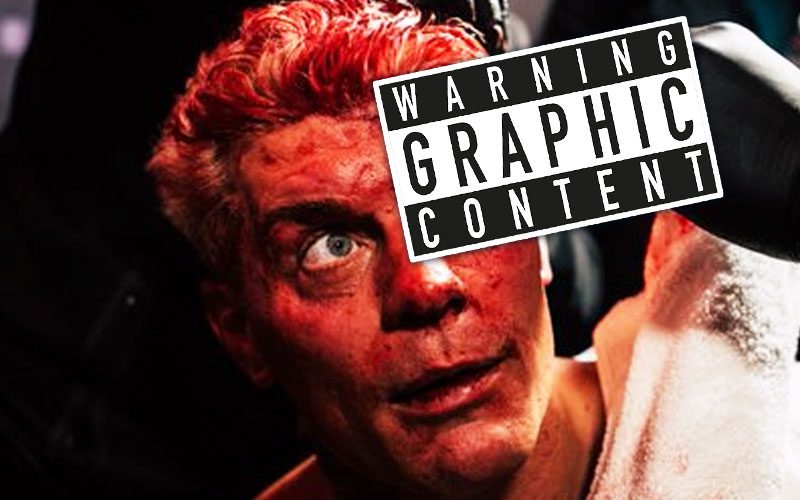
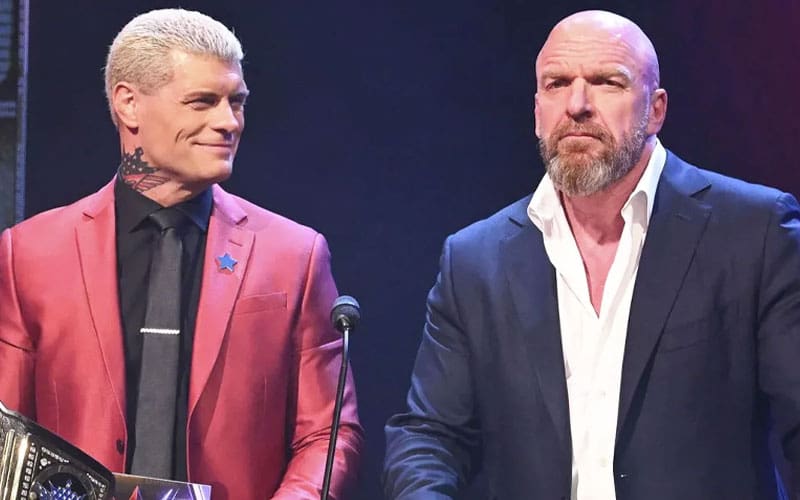
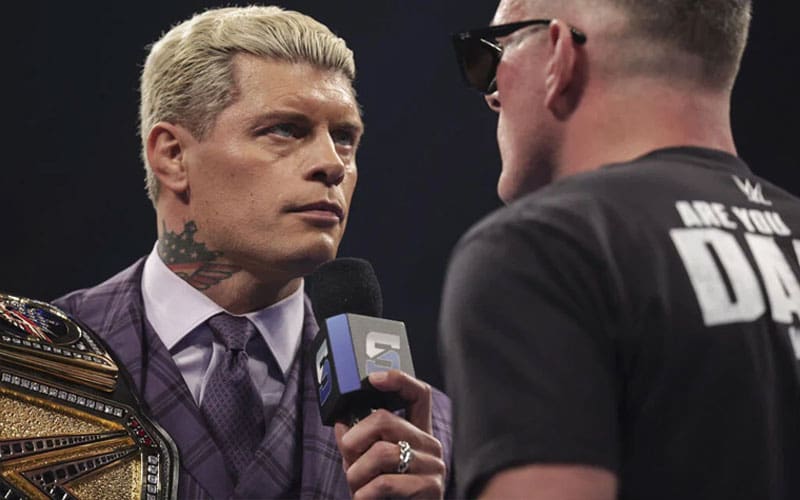
Undisputed WWE Champion Cody Rhodes is working through a period of physical recovery following significant head and eye injuries sustained during his title defense against Randy Orton. According to recent reports, the injury occurred under the bright lights of the industry's biggest stage, forcing the champion to manage his workload while maintaining a high-stakes television schedule.
Rhodes has confirmed the nature of these injuries, noting he is wrestling through the medical aftermath of the bout. While the champion has not taken significant time off for surgical intervention, the accumulation of impact-related damage is evident. He remains cleared for action, including his upcoming Clash in Italy title defense against GUNTHER.
Strategic implications and the Clash in Italy outlook
The health status of the champion arrives at a sensitive moment for the company's booking strategy. With the Clash in Italy rapidly approaching—an event Rhodes himself identified as a core pillar of the current calendar—the medical stability of the top roster member is paramount. Any further aggravation of his eye or head trauma could jeopardize the marquee match against a challenger currently playing significant mind games.
GUNTHER has publicly highlighted the friction between the two, noting that Rhodes is overly concerned with public perception and external noise. This creates a specific disadvantage for the champion; if Rhodes continues to sell his physical limitations while attempting to maintain his babyface persona, he grants an aggressive opponent like GUNTHER more opportunities to target specific weaknesses in the ring.
Historical precedent for the champion
Rhodes is no stranger to competing through significant physical distress. His historic return to WWE was famously punctuated by his willingness to perform with a torn pectoral muscle. While that specific injury required long-term surgery, the current situation regarding head and eye trauma presents a different challenge. Concussion protocols and orbital stability must satisfy high-level medical oversight before he can take the bumps necessary for a match with an opponent known for heavy-hitting chops and sustained mat-based offense.
His reliance on endurance has defined much of this championship tenure, yet relying on this durability is risky. The lack of a clear return-to-full-health timeline suggests that the promotion is comfortable with a managed-risk approach. However, this raises questions regarding long-term booking. If the champion is significantly compromised, the pacing of his matches must adjust to avoid high-risk maneuvers that target the head.
A critical look at the current trajectory
From an analytical standpoint, the current handling of the injury raises a red flag regarding the company's medical optics. By continuing to promote a high-exposure match while the champion discloses specific, lingering head trauma, the promotion risks inviting further scrutiny on its health protocols. This is not a sustainable model for any performer, regardless of their position on the card.
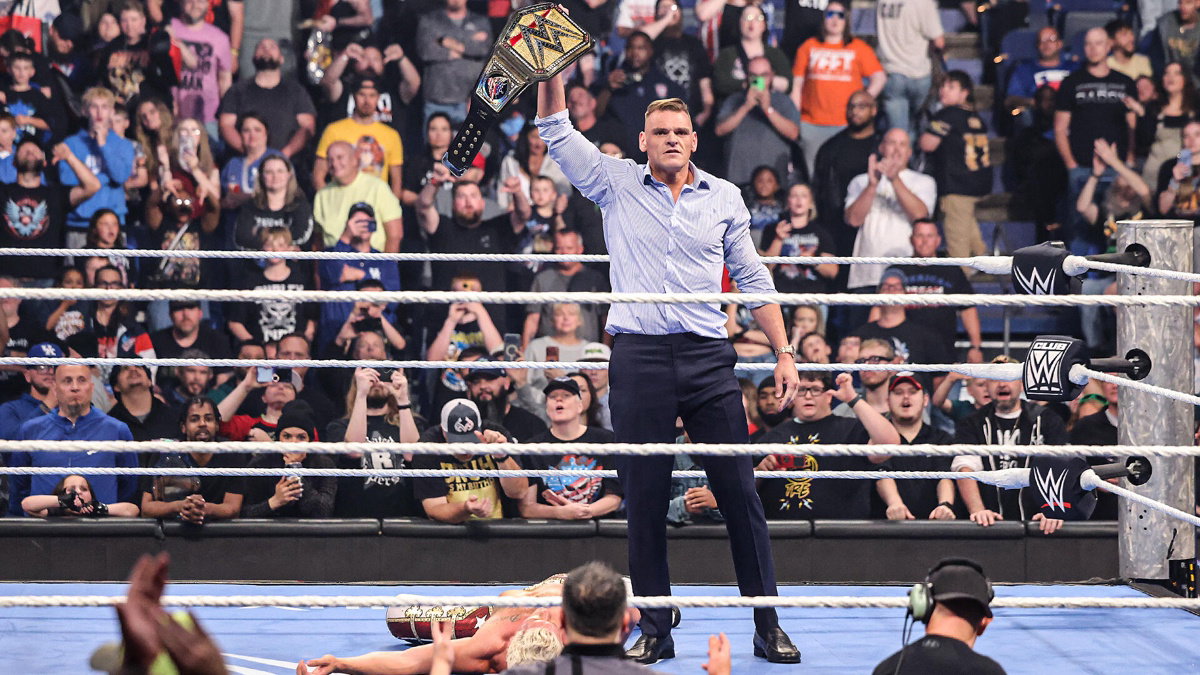
Furthermore, internal friction adds pressure. The recent incident on SmackDown where Sami Zayn left him to be choked out by GUNTHER suggests the narrative is leaning into the idea of a weakened champion. Whether this is a narrative tool to hide athletic regression due to pain, or a genuine test of his endurance, it puts enormous pressure on his upcoming Clash in Italy main event.
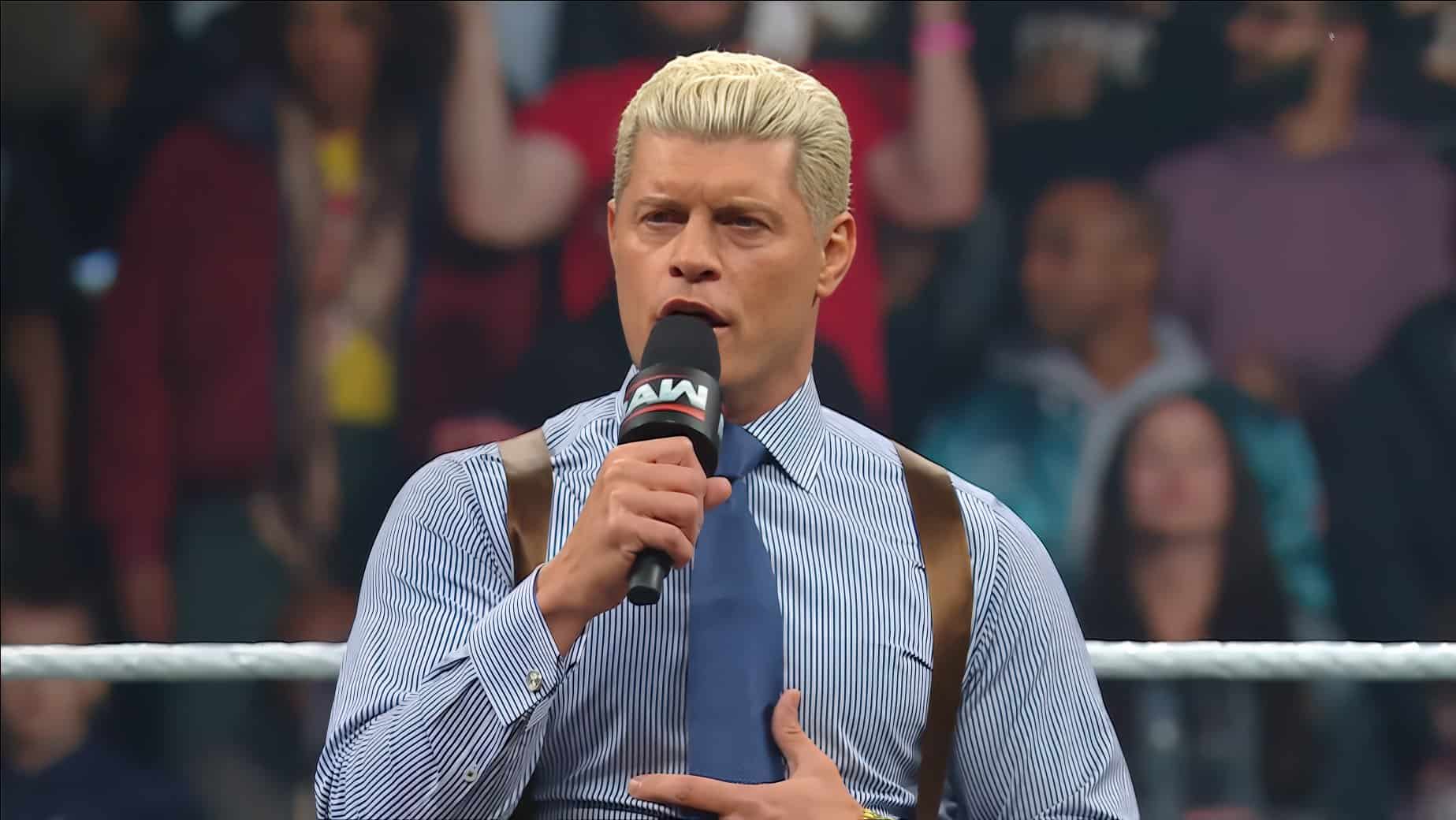
Rhodes maintains that he is unfazed by the lack of support from peers or the physical toll of his schedule. Yet, the disconnect between his public bravado and the reality of his injuries is growing. As the calendar pivots toward the fall, the company must decide if resting its top asset is more valuable than maintaining the schedule for a growing list of premium live events.
Read Next
- GUNTHER bailing out Ludwig Kaiser is the pure chaos we deserve
- Eric Bischoff is wrong about turning Cody Rhodes heel
- Gunther is the analytical nightmare Cody Rhodes isn't prepared for
- Cody Rhodes has a point about Clash at the Castle
- 🏆 WrestleMania 41 — Full Coverage Hub
- 💥 WWE Backlash 2026 — Full Coverage Hub