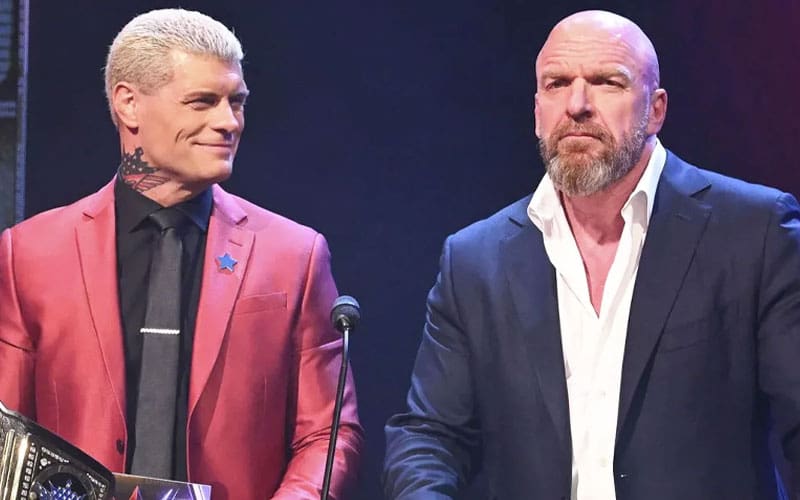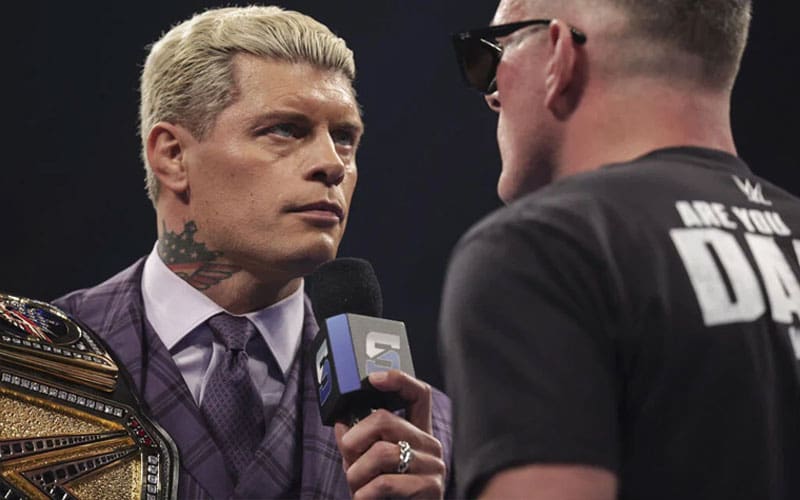
Physical assessment of the Undisputed WWE Champion
Cody Rhodes enters the final week before WrestleMania 41 managing a persistent lumbar strain. The injury, sustained during a high-intensity house show circuit last month, has forced the champion to limit his involvement in high-impact physical segments. Training sessions at the Performance Center have shifted from full-ring drills to light cardio and mobility work to ensure he clears the medical staff for his headlining duties.
The medical team has implemented a restrictive protocol for Rhodes during his television appearances. He performed the majority of his recent spots in a stationary capacity, avoiding the cross-body blocks and tope suicidas that usually populate his mid-match pacing. This adjustment is necessary to prevent long-term disc irritation before a high-profile weekend where he is expected to wrestle twice.
Strategic shifts in the wake of the Rhodes injury
The champion's compromised physical state has forced a recalibration of creative plans. As recent reports regarding Cody Rhodes indicate, there is internal friction regarding how much focus should remain on the title versus auxiliary personalities like Pat McAfee. Shifting the spotlight away from the champion’s standard in-ring performance has become an accidental necessity to hide the lack of mobility.
Critics point to the lack of depth in the present booking structure as a major failure. Relying on a talent working at 60 percent capacity limits the quality of the main events. If the physical limitations are visible during his matches on April 19 and 20, the product risks losing the momentum gathered since the Royal Rumble.
Historical precedent and recovery outlook
History shows that lumbar strain management in professional wrestling often leads to a compromised performance. Many performers who attempt to mask these injuries in the ring succumb to secondary kinetic chain issues, such as hamstring tightness or hip flexor compensation. Rhodes remains optimistic, but the medical reality is that complete resolution will require 4-6 weeks of therapeutic rest post-event.
Missing matches is not currently on the table for the champion. He is committed to a regimen involving targeted heat therapy and spinal decompression to stay upright. The decision to plow through the recovery window underscores the pressure on headlining talent during the company's biggest week of the calendar year.
The total duration of the recovery cycle will likely be hampered by his travel schedule immediately following the show. WWE is notoriously rigorous with its international tour commitments, meaning Rhodes will have minimal time to sit and rehabilitate. The long-term consequence of this decision could lead to a mandatory hiatus during the summer months when he should be defending the belt against emerging challengers.
Current estimates put his return to 100 percent functionality at roughly 5 weeks after the conclusion of WrestleMania. Fans should anticipate a slower style during his upcoming defense at Backlash. If he avoids a significant re-aggravation during the seven-day window, he will likely avoid surgical intervention or an extended layoff.
Read Next
- John Cena's final WrestleMania walk is the only thing that matters in Vegas
- WrestleMania 41 proves WWE finally fixed the Roman Reigns experiment
- WrestleMania 41 is the crucible where Cody Rhodes defines his legacy
- Gunther's title reign hangs by a thread after backstage medical clearance drama
- 🏆 WrestleMania 41 — Full Coverage Hub
- 💥 WWE Backlash 2026 — Full Coverage Hub