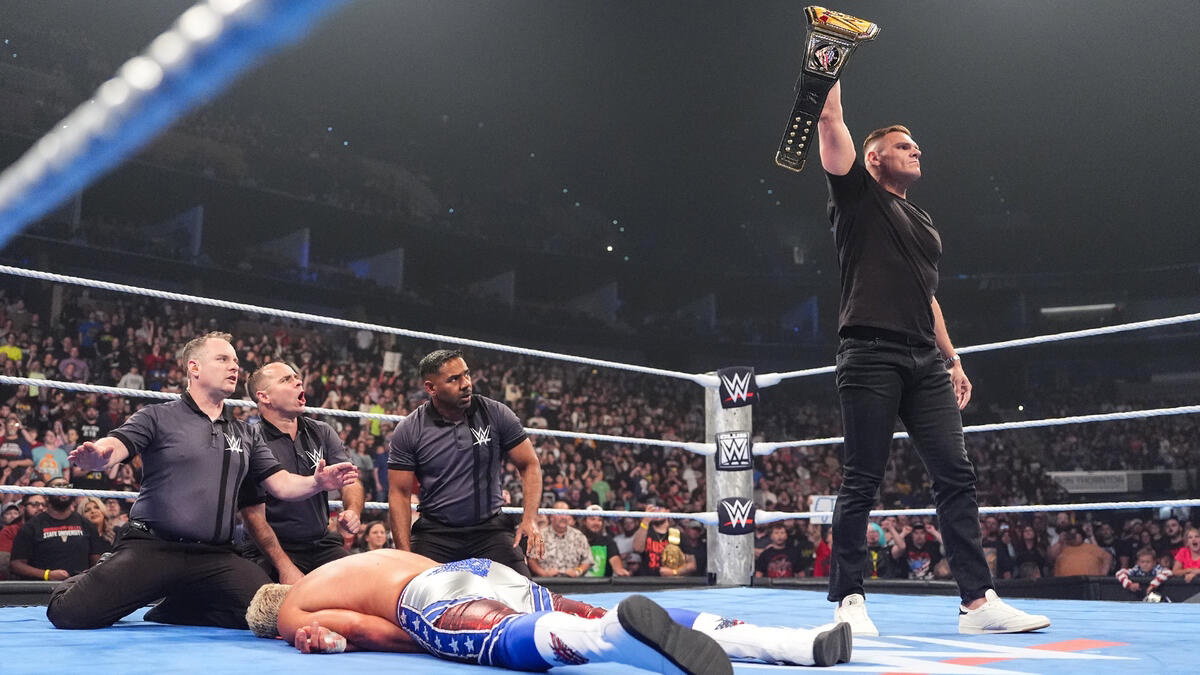
The metrics of dominance
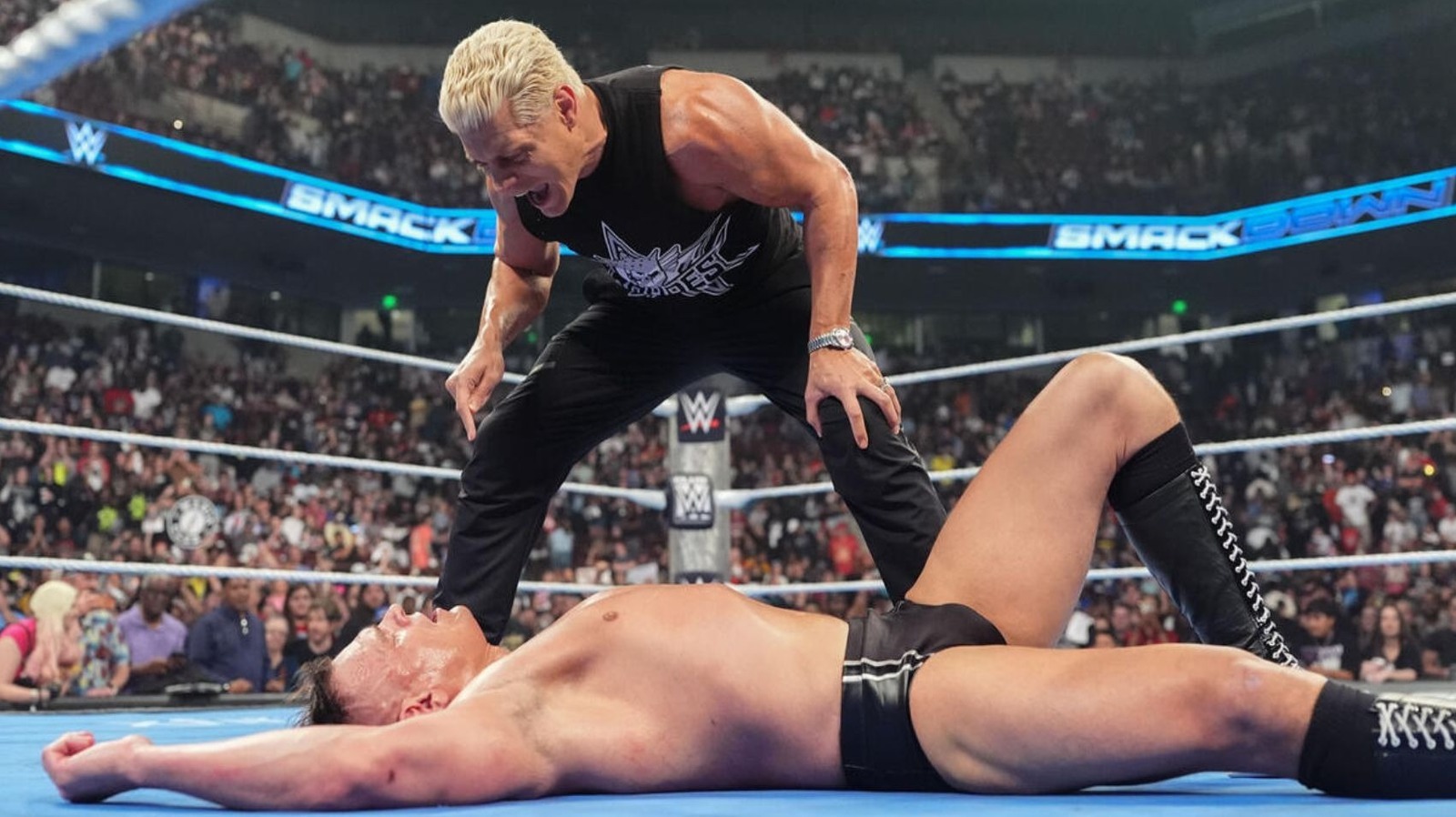
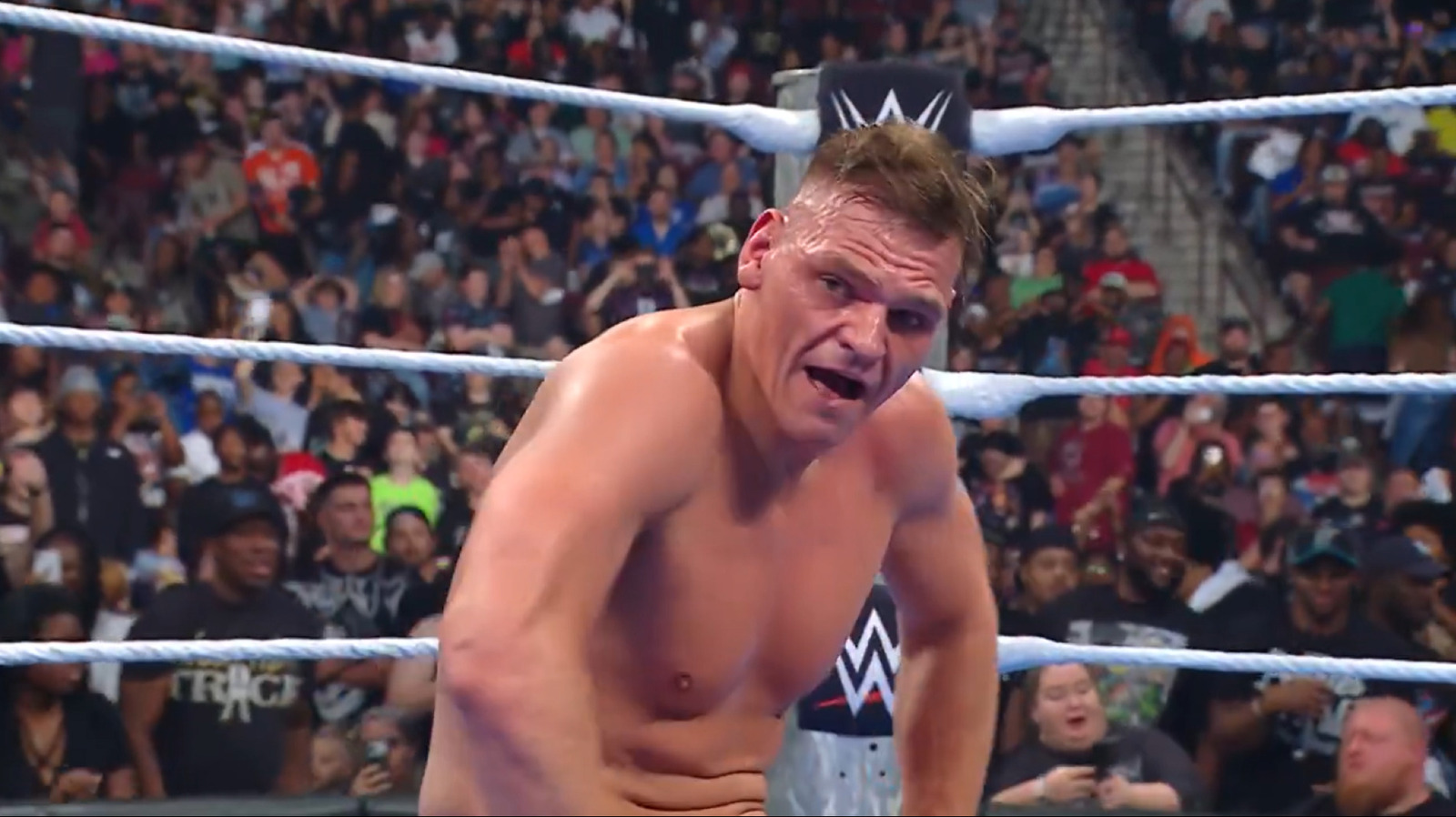
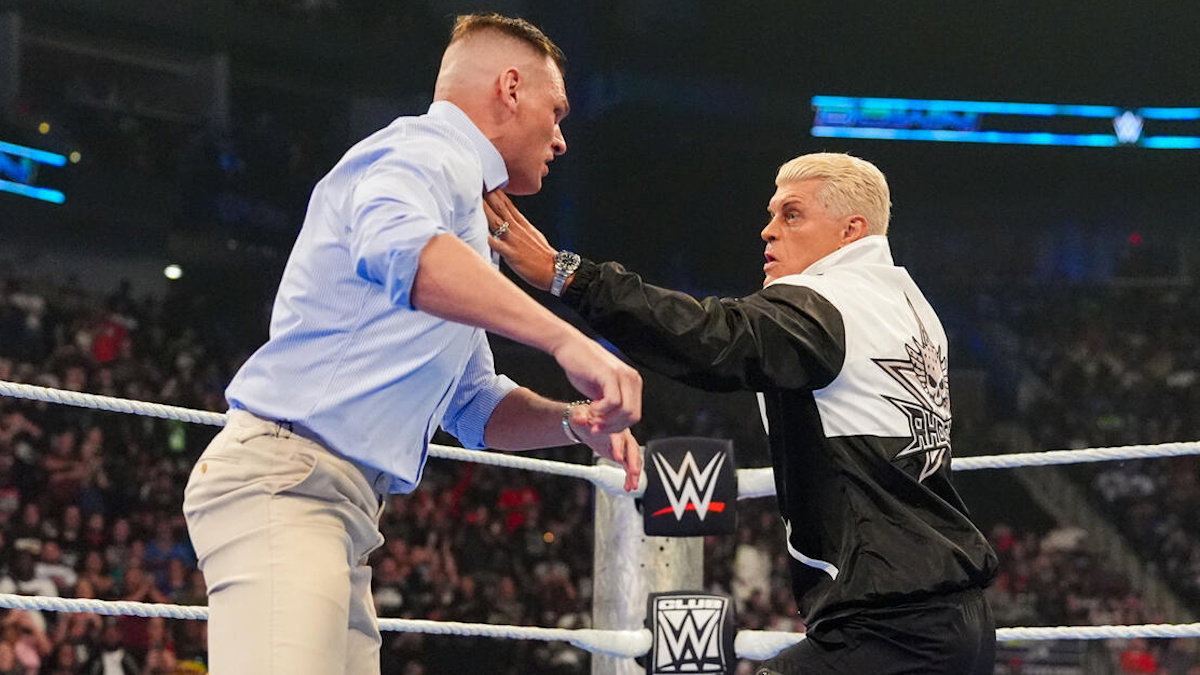
Gunther sits atop the statistical mountain with a record-shattering 666-day reign as Intercontinental Champion. While Cody Rhodes leans on the emotional narrative of the finish, Gunther operates with a mathematical efficiency that demands scrutiny. When he steps into the ring at Clash in Italy, he isn't just defending a title; he is testing the structural integrity of Rhodes' championship run.
Gunther’s move set is anchored by a high-impact efficiency rate, prioritizing high-velocity strikes that yield maximum cardiovascular fatigue in opponents. Rhodes, by contrast, relies on a high-variance, emotional peak-and-trough cycle. This represents a distinct clash in philosophies: the clinical execution of the Ring General versus the populist appeal of the American Nightmare.
Defining the variance gap
Rhodes has successfully leveraged the momentum of his comeback, but his recent title defenses show a reliance on late-match flurries. Gunther’s output remains frighteningly consistent, rarely showing signs of fatigue even past the 15-minute mark. If we examine typical card pacing, a championship match extending beyond 20 minutes favors the challenger precisely because Gunther specializes in systemic attrition.
Data points from his previous 666-day reign highlight a refusal to allow opponents back into the momentum loop. Where Rhodes utilizes a 1-2 sequence involving a Disaster Kick and a Cross Rhodes to bridge the finish, Gunther calculates the exact micro-second for a clothesline contact. The margin for error in Rhodes' offense is wide enough for a counter-attack, yet Gunther rarely acknowledges those opportunities.
The attention premium
The core friction between these two performers stems from their relationship with the audience. As reported by WrestleTalk, Gunther frames Rhodes' obsession with crowd validation as a functional weakness. If a champion needs 80% of the building to echo his every move, his focus is divided during the high-leverage closing sequences.
Gunther’s critique centers on this psychological overhead. By trading on the crowd's energy, Rhodes is essentially outsourcing his focus to thousands of individuals. It is a risky betting strategy when facing a technician who considers crowd noise to be white noise. Gunther’s cold, calculated pursuit of the top spot is not meant to entertain; it is meant to win.
Quantifying the final clash
The 14 days separating us from the start of the FIFA World Cup create a unique tension in the calendar, but the match at Clash in Italy carries its own gravity. Rhodes has defended the belt with a 92% win rate since WrestleMania XL, but his reliance on comeback storytelling is a known variable. Gunther operates on a clean-slate logic, focusing on the immediate physical reality of the match.
A critical flaw in the champion's armor is the predictability of his finishing sequence. If Gunther mandates the tempo, he forces an adaptation period that Rhodes, currently accustomed to long-form narratives, may struggle to execute. Expect a condensed, high-percentage technical bout where the 3-count acts as the final data point of an argument that began months ago.
Read Next
- Top 10: Defining Moments of the 2026 Season
- Cody Rhodes has a point about Clash at the Castle
- The Beast is Back: Why Brock Lesnar Just Can’t Walk Away
- AEW needs to move past the Stadium Stampede gimmick before it hits a wall
- 🏆 WrestleMania 41 — Full Coverage Hub
- 💥 WWE Backlash 2026 — Full Coverage Hub