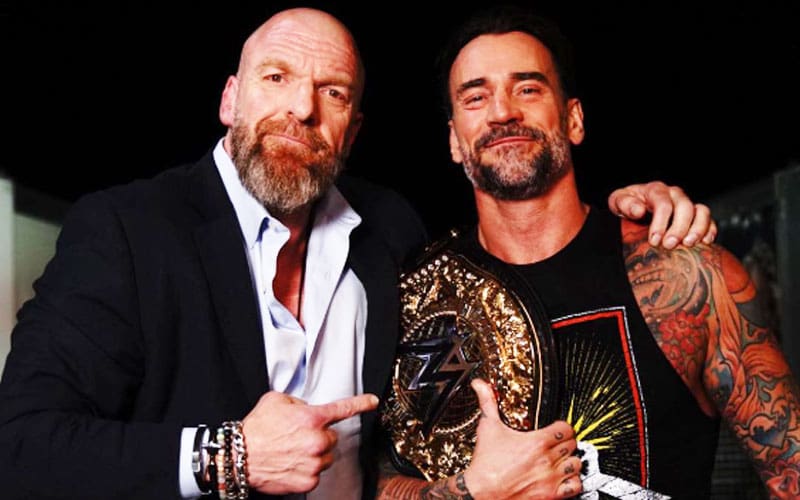
WrestleMania 41 proves WWE finally fixed the Roman Reigns experiment
The ghost of WrestleMania past
As we sit six days out from WrestleMania 41 at Allegiant Stadium, the atmosphere in the wrestling world feels remarkably stable. We are looking at a card where Cody Rhodes is the undisputed face of the company, John Cena is preparing for a legitimate farewell tour, and CM Punk is locked into a high-stakes narrative that actually makes sense. It is a far cry from the structural chaos that defined the industry a decade ago.
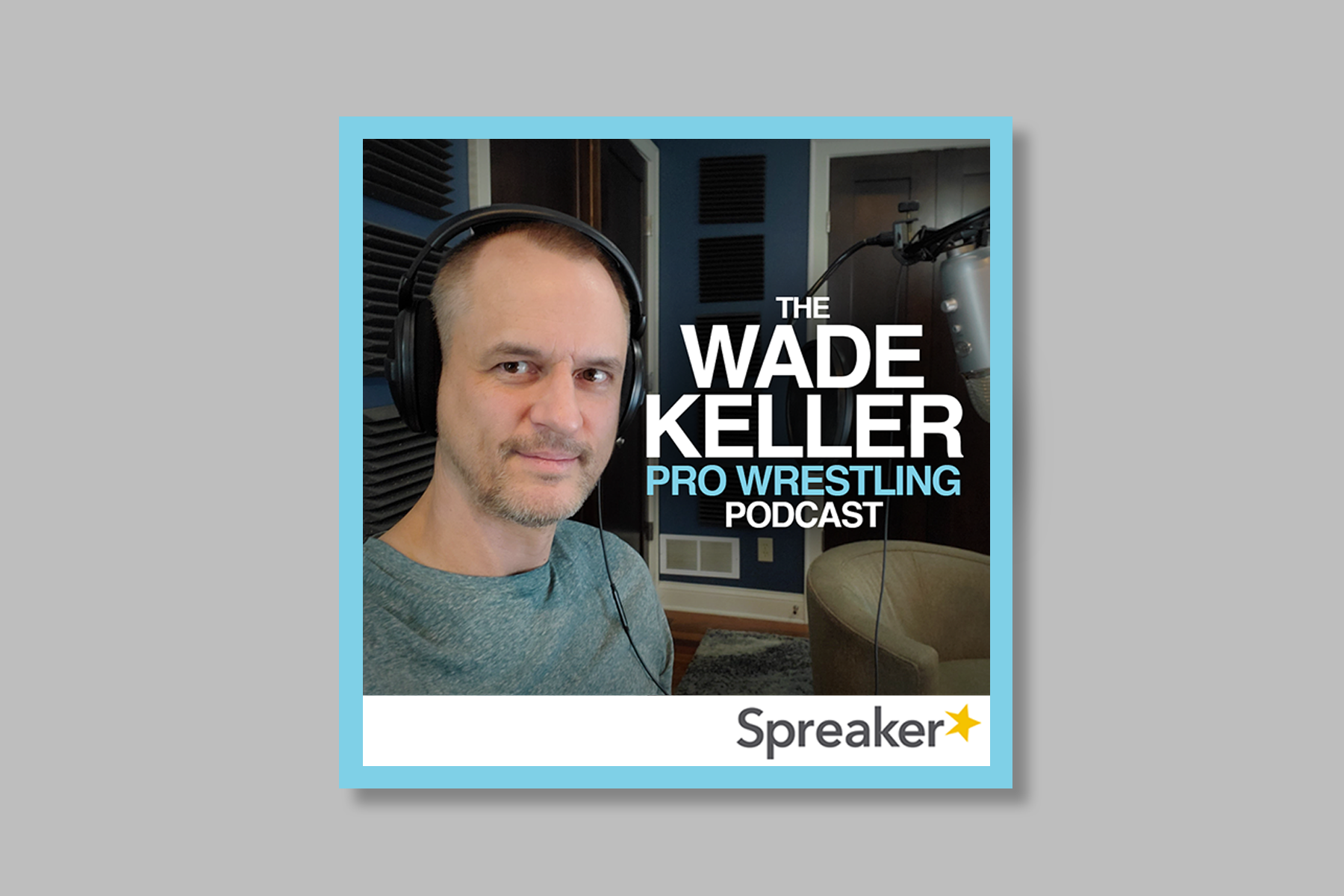
Looking back at the PWTorch archives from April 2016, the desperation of the WWE booking machine was almost audible. Ten years ago this week, former WWE and TNA star Matt Morgan sat down with Wade Keller to evaluate the Roman Reigns babyface experiment. It was a project that, at the time, felt like a corporate mandate being forced down the throats of a resisting audience.
Morgan’s analysis in 2016 highlighted the core disconnect. WWE wanted a traditional hero, but the fans wanted authenticity. The Roman Reigns of 2016 was a man trapped in a script that didn't fit his internal logic. He was a powerhouse being asked to cut 'suffering succotash' promos, a technical mismatch that nearly derailed the most significant career of this generation.
The 2016 malaise and the AJ Styles factor
The post-WrestleMania 32 period was a strange time for the promotion. Shane McMahon had just returned to face The Undertaker in a Hell in a Cell match that made very little narrative sense in the long run. As Jim Valley and Wade Keller discussed on the April 12, 2016, flagship, the company was leaning on Shane-O-Mac to provide a 'new era' feel while the actual new talent struggled for airtime.
AJ Styles was the outlier. Having debuted at the Royal Rumble earlier that year, he was already being evaluated by veterans like Matt Morgan. Interestingly, Article 1 notes that Morgan even spent time discussing Styles’s hair—a seemingly trivial detail that pointed to the hyper-focus on the 'look' of a WWE superstar versus their in-ring utility. Styles would eventually prove that workrate could overcome corporate skepticism, but in 2016, he was still fighting for his spot against the Bullet Club arrivals of Gallows and Anderson.
The critical failure of 2016 was the lack of a coherent long-term plan for the top of the card. Roman was the champion, but he wasn't the leader. The audience was looking for any exit ramp—whether it was the 'Yes! Movement' of years prior or the burgeoning independent scene that would eventually form the backbone of AEW. WWE was a monopoly that had forgotten how to talk to its customers.
Bad Bunny and the 2021 pivot
By the time we reached WrestleMania 37 in 2021, the company had started to learn its lesson. The world was emerging from the pandemic, and the ThunderDome era had forced WWE to innovate. Greg Parks’s post-show analysis from five years ago highlights a major turning point: the performance of Bad Bunny.
Bad Bunny’s tag match on Night 1 of WrestleMania 37 wasn't just a celebrity cameo. He hit a Canadian Destroyer on the floor and showed a level of technical respect for the craft that changed the utility of outside stars in wrestling. It signaled that WWE was finally willing to let go of the 'Starlight Express' celebrity era and move toward something more integrated and high-performance.
At the same time, the competition was heating up. Five years ago, AEW Dynamite was running shows featuring Mike Tyson as a special enforcer for Chris Jericho versus Dax Harwood. The Young Bucks were explaining their decision to align with Kenny Omega, forming the Super Elite. This was the pressure cook that WWE needed.
The Young Bucks choosing Omega over the 'virtuous' path was a masterclass in heel logic that Roman Reigns eventually mirrored in his Tribal Chief persona. By April 2021, Roman had finally found his voice. He wasn't the smiling hero Matt Morgan criticized in 2016; he was the Gaslighter-in-Chief. He was finally a character with internal consistency, even if it took five years of fan rejection to get there.
The cost of the Roman Reigns hegemony
It wasn't all positive, of course. One could argue that the five-year stretch from 2016 to 2021 was a lost half-decade for dozens of talented performers. For every AJ Styles who managed to navigate the political waters, there were five stars who were ground up by the Roman-centric booking machine. The 'Interview Classic' with Matt Morgan serves as a reminder of how many wrestlers were being evaluated purely through the lens of how they helped or hindered the Chosen One.
The 168-minute flashback to the 2016 Raw reaction shows a company obsessed with the 'Shane vs. Stephanie' power struggle—a tired trope that occupied hours of television while the actual wrestling often felt secondary. It was a period of three-hour slogs and 50-50 booking that made wins and losses feel irrelevant. If you weren't in the Roman Reigns orbit, you were essentially treading water.
Even the AEW of 2021 had its flaws. The heavy reliance on Mike Tyson as a referee was a classic wrestling gimmick that sometimes overshadowed the technical brilliance of guys like Dax Harwood. While it drew eyes, it also highlighted a certain insecurity in the young promotion—a need to constantly validate itself with 'mainstream' names rather than trusting the internal roster.
Why WrestleMania 41 is different
So why does 2026 feel different? Because the lessons of the last ten years have finally been internalized. The Roman Reigns we see today is the result of that long, painful evolution from the babyface failure of 2016 to the dominant heel of 2021. But more importantly, the company has learned to build around him rather than through him.
Cody Rhodes represents the 'successful' babyface that Roman was supposed to be in 2016. Cody’s journey is built on a foundation of fan-driven momentum that feels earned. When he defends the WWE Championship on April 20, he won't be fighting the crowd; he'll be leading them. The 80,000 fans in Las Vegas will be there because they want to be, not because they were told to be.
The utility of the current roster is higher than it has ever been. We no longer spend 125 minutes discussing a wrestler's hair as a primary metric for success. We discuss their range, their ability to work across styles, and their narrative 'fit' within the broader scope of the show. The technical literacy of the average fan has skyrocketed, and the product has finally caught up.
As we approach WrestleMania 41, the ghosts of 2016 should serve as a warning. Success in this industry isn't about forcing a 'type.' It is about listening to the 87th minute of the crowd's reaction and having the guts to pivot when the plan isn't working. It took WWE a decade to figure that out with Roman Reigns, but the current health of the business suggests it was a lesson well-learned.
The upcoming matches for WrestleMania 41 Night 1 on April 19 are a testament to this new philosophy. We have a farewell for John Cena that feels respectful rather than desperate. We have CM Punk in a position that leverages his history without relying on it as a crutch. We are finally living in the 'new era' that Shane McMahon was promising ten years ago, only it actually arrived this time.
Read Next
- WrestleMania 41 is the crucible where Cody Rhodes defines his legacy
- Raw go-home show for WrestleMania 41 is the final chance to save this build
- John Cena and CM Punk are fighting the ghosts of Crown Jewel at WrestleMania 41
- WrestleMania week is here and the internet is already exhausted
- 🏆 WrestleMania 41 — Full Coverage Hub
- 💥 WWE Backlash 2026 — Full Coverage Hub
- 👑 Roman Reigns Return 2026 — The Tribal Chief
More Coverage
WWE’s SummerSlam kickoff hype is drowning in a sea of corporate polish
3 hours agoOn This Day in Wrestling: July 20
4 hours ago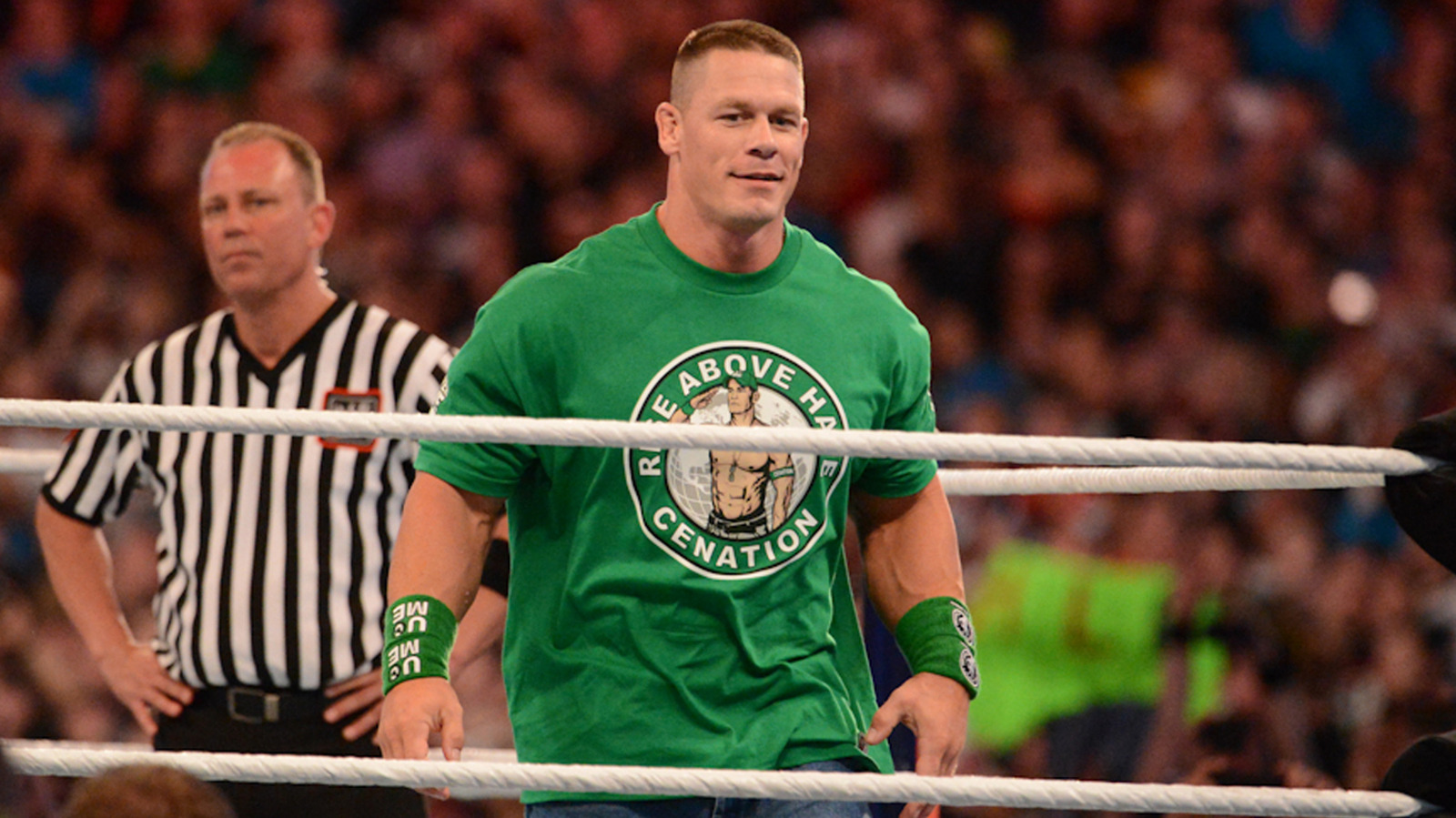
John Cena’s final act is becoming a masterclass in nostalgia
5 hours ago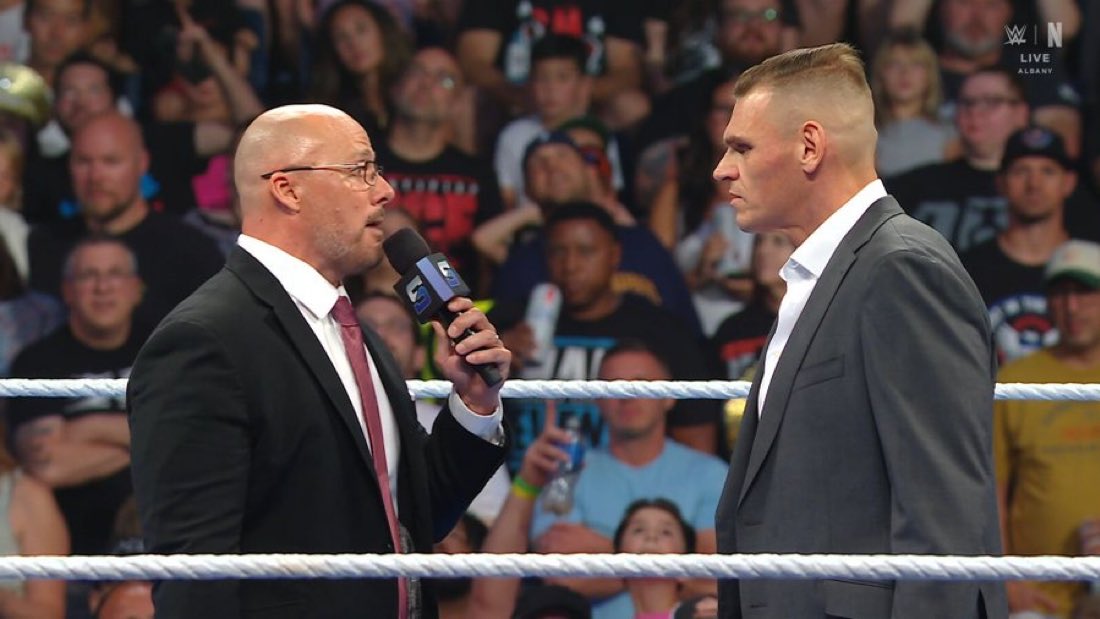
Is Tommaso Ciampa eyeing an AEW jump after the Jericho feud?
5 hours agoSummerSlam's digital buildup misses the physical mark
5 hours ago
Why WWE's corporate booking machine keeps fumbling its best faction ideas
6 hours agoMore Analysis
WrestleMania 41 is about to prove if the Triple H era is actually different
3 months, 1 week ago
Cody Rhodes at WrestleMania 41 is the ultimate test of his championship run
3 months, 4 weeks ago
WrestleMania 41 is the turning point WWE needed
3 months ago
WrestleMania 41 is the turning point WWE needed
3 months agoThe chaotic masterpiece of Cody Rhodes finishing the story at WrestleMania 40
3 months, 3 weeks ago