The status of the undisputed champion
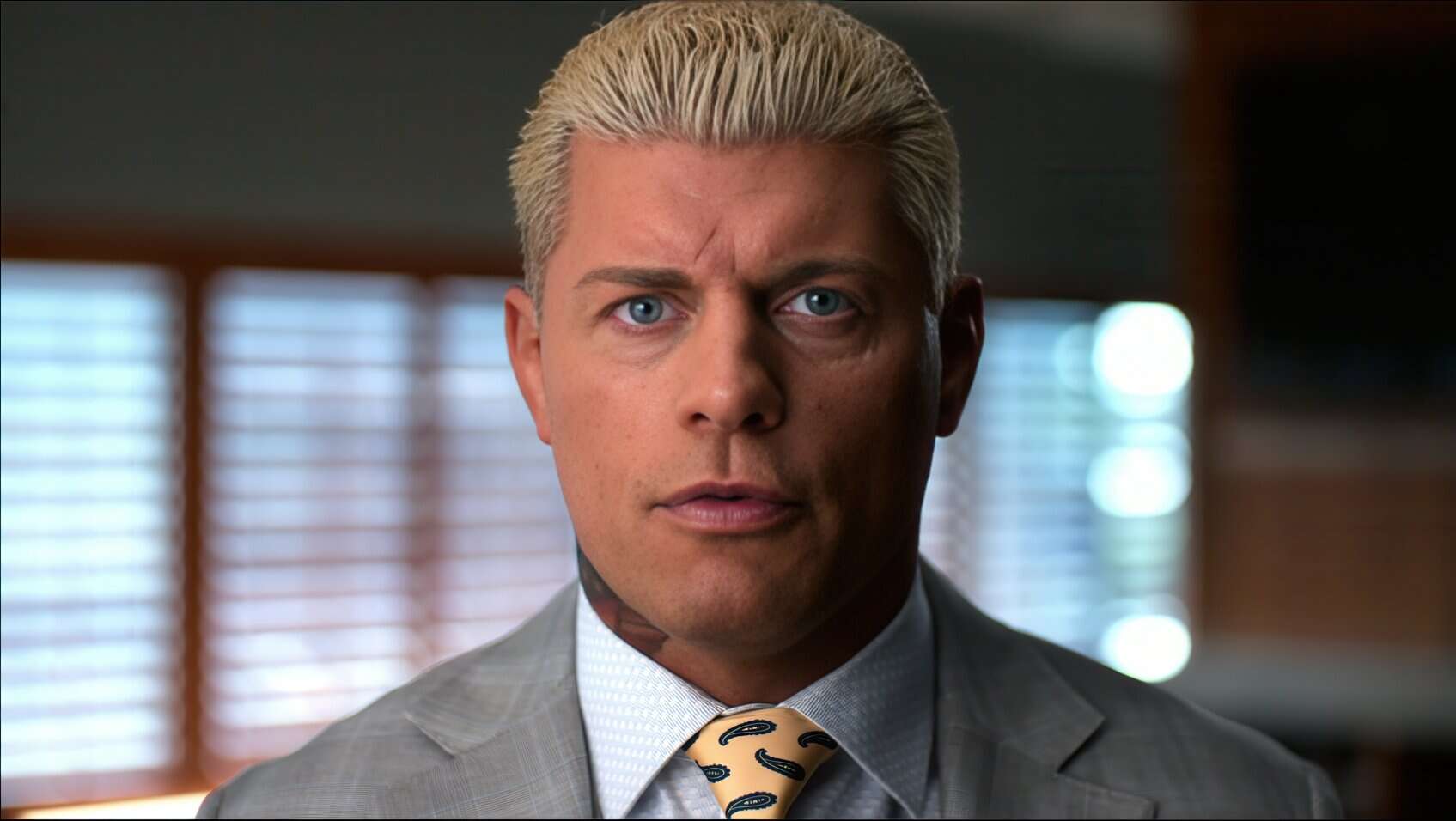
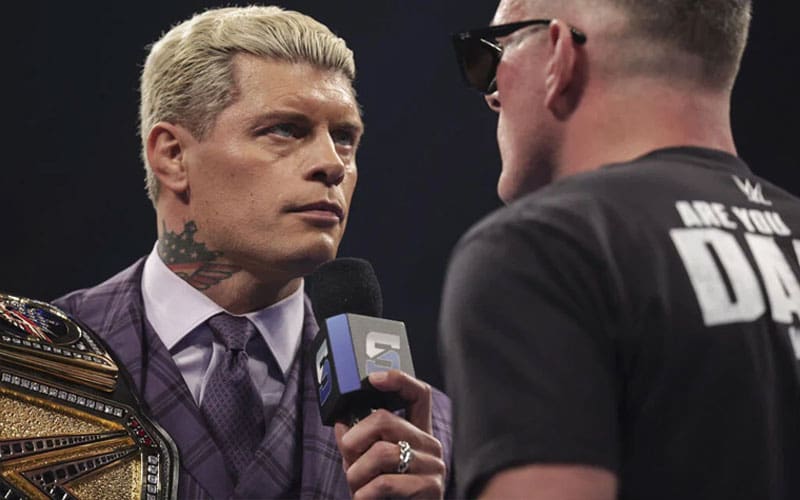
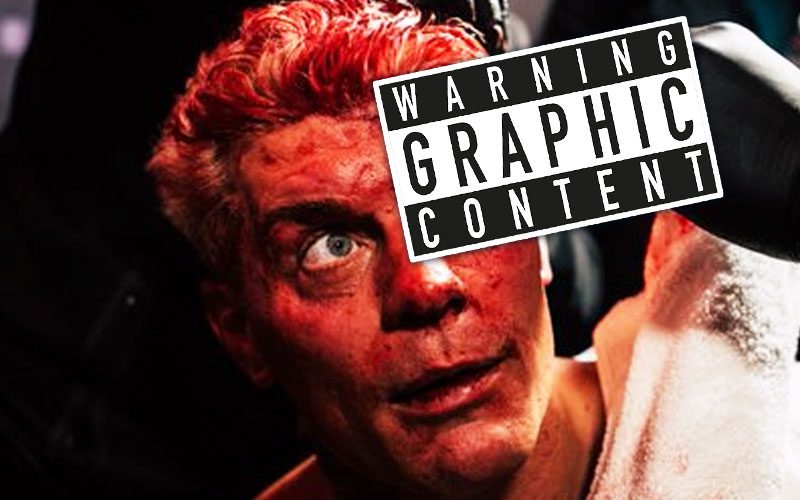
Cody Rhodes is currently managing a significant lower back injury, originating from the high-impact sequences witnessed throughout his recent string of television defenses. Medical reports from the WWE performance center indicate a Grade 1 lumbar strain. This development creates immediate pressure on the creative team as the company prepares for the upcoming May 9 event in France.
While Rhodes has maintained a rigorous travel schedule, the physical toll of mid-match spots involving heavy lifts and ring apron bumps has compounded the issue. The strain restricts his mobility during transition sequences. WWE training staff have mandated a modified training regimen to avoid further aggravation of this specific soft tissue trauma before his next scheduled title defense.
The impact on the Backlash card
The timing of this injury forces a delicate balancing act for the booking staff. WWE Backlash is officially set for May 9, leaving less than three weeks for the champion to achieve full recovery. Historically, WWE has opted for cautious recovery timelines for top-tier talent to prevent chronic long-term issues that could derail the summer touring schedule.
If the injury does not respond to physical therapy by the first week of May, the company faces a logistical pivot. A champion being unable to perform high-velocity maneuvers narrows the options for finish sequences. Fans should expect fewer instances of the Cross Rhodes if the medical staff clears him only for a limited scope of activity. The reliance on rest holds and non-bump exchanges will likely increase as a stopgap measure.
Historical context and risk analysis
Management remains wary of overextending talent, specifically following the recent industry focus on physical longevity. Similar lumbar issues have sidelined high-work-rate performers for periods ranging from three to six weeks in the past decade. Athletes who attempted to bypass standard recovery protocols frequently faced recurring flare-ups that necessitated longer layoffs during the middle of the calendar year.
The strategy in place currently utilizes cryotherapy and advanced soft-tissue work. It is a conservative approach intended to preserve the champion for the remainder of the 2026 season. However, this level of caution is a departure from previous eras where performers were expected to work through minor structural ailments without significant rest periods.
Strategic implications for the division
The absence of a fully healthy main event participant impacts the overall flow of the broadcast. Opponents are now tasked with carrying the physical load of the match. For the challenger, this creates an unpredictable variable. It demands an adjustment in ring chemistry, often resulting in altered match layouts that lean toward technical safety over high-risk acrobatic maneuvers.
Critics point out that the current booking path left very little margin for error. Relying on a single marquee champion to anchor every major media appearance while maintaining a strenuous in-ring workload invites these types of setbacks. It is a recurring issue in modern promotion cycles, where the demand for elite-level content clashes with the physiological limitations of the human body.
Looking ahead, the recovery timeline will be scrutinized under the lens of the upcoming May event. While fans might anticipate a high-octane spectacle, the reality of a lumbar strain dictates a more measured pace. If the medical team determines the risk of structural damage is too high before the bell rings in France, the match structure will inevitably see drastic changes to ensure athlete safety.
The current status of the champion will surely force a shift in how WWE approaches the week leading into the event. Expect light activity on social media and a reduction in in-ring test segments during television tapings. The shift is designed to ensure he survives the travel and remains viable for a competitive performance on the main stage.
Read Next
- Cody Rhodes managing eye injury ahead of WWE Backlash
- Brock Lesnar is coming back to fix the post-WrestleMania power vacuum
- Brock Lesnar is the ghost haunting WWE’s post-WrestleMania season
- Ric Flair says Shawn Michaels should run WWE and the timing is perfect
- 🏆 WrestleMania 41 — Full Coverage Hub
- 💥 WWE Backlash 2026 — Full Coverage Hub