The Medical Reality
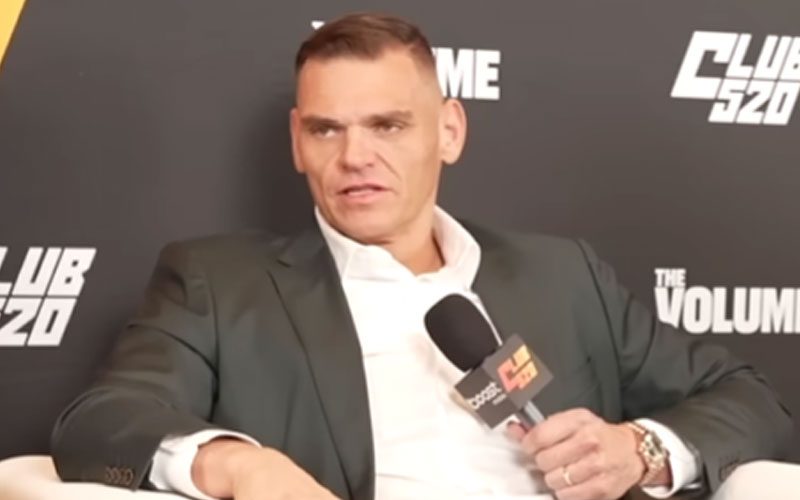
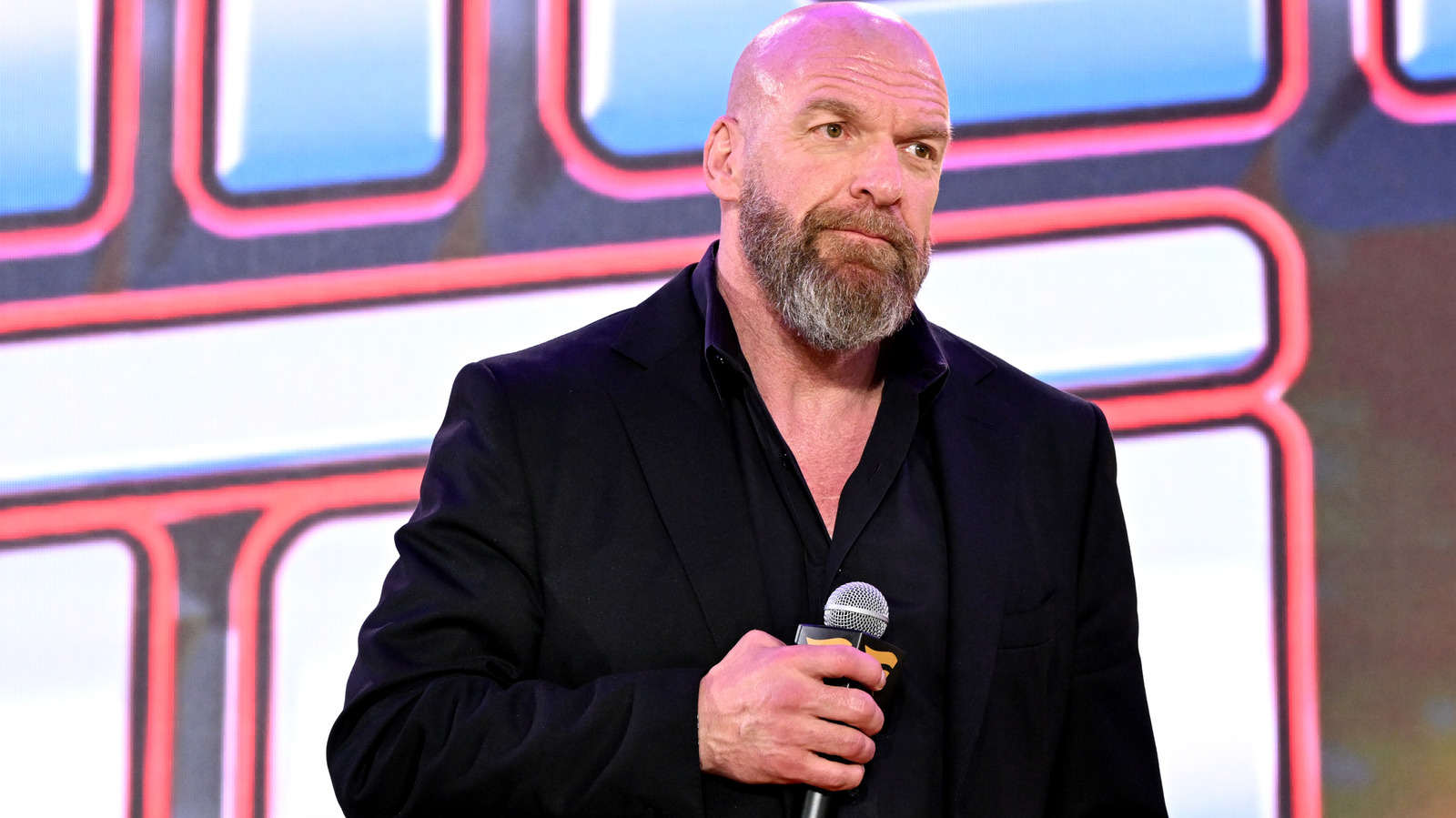
Gunther, current titan of the WWE roster, is facing a critical diagnostic window less than a week before WrestleMania 41. Sources close to the internal medical team confirm the former World Heavyweight Champion is dealing with acute soft tissue inflammation in his thoracic region. This follows a brutal high-angle powerbomb spot during a taped segment that aired on the April 6 episode of Raw.
Medical staff have restricted his physical activity to non-impact rehabilitation exercises at the WWE Performance Center in Orlando. The goal is to reduce hematoma volume before the final medical clearance review scheduled for Wednesday, April 15. If the swelling does not down-regulate, he will be pulled from his scheduled title defense.
Tactical Implications for WrestleMania
Losing the centerpiece of the active Raw roster would trigger a catastrophic booking shift. Michael Cole recently declared him to be the best on the planet, high praise that reflects his current utility as a dominant heel anchor. His absence would vacate a primary slot on Saturday’s night one card, forcing management into an emergency scramble for a main event replacement.
Historically, WWE has favored conservative timelines for muscle injuries during the build to its marquee event. The risk of a torn pectoral or intercostal setback during a 20-minute main event cycle is too high for a talent of his caliber. We have seen similar scenarios in seasons past where performers attempted to work through pre-existing issues, only to finalize a tear that ended their summer touring schedule.
The Booking Bottleneck
The reliance on a singular dominant champion has turned into a strategic liability. By funneling the heat onto one performer, the bookers have left themselves with no viable pivot if the athlete fails a physical. A week out from the biggest stage in the industry is the worst possible window for an injury designation.
This recovery process is grueling. Physical therapy protocols are currently focused on deep-tissue mobility and stabilization drills, rather than mat time. The intent is to avoid any strain that could impact his leverage during shoulder-targeted offensive maneuvers or rotational drops. Every hour spent doing low-impact mobility work is an hour not spent refining the sequence of the upcoming title bout.
Industry Precedent and Risk
Competitors like AEW have managed similar crises by utilizing pre-taped cinematic segments to protect injured talent, but WWE’s reliance on live-action physicality makes this harder to pull off. The booking of an injury is often just as messy as the injury itself, with the company forced to choose between a shortened, watered-down match or a complete rewrite of the championship hierarchy.
If the medical clearance stalls, the fallout will hit the bottom line before the post-WrestleMania press conference even concludes. Shareholders and fans alike expect the advertised main event. Any change to the card this late in the cycle shifts the perception of the event from a polished product to a reactive, improvised affair. The medical staff is keeping the specific recovery data under tight lock, but the timeline remains precarious at best.
Read Next
- Michael Cole is right about Gunther and it is time we admit it
- Kevin Owens and Dominik Mysterio lead a crowded WrestleMania 41 injury list
- WrestleMania 41 is a week away and the WWE injury list is a mess
- Rhea Ripley’s recovery remains the bottleneck for WWE’s WrestleMania plans
- 🏆 WrestleMania 41 — Full Coverage Hub
- 💥 WWE Backlash 2026 — Full Coverage Hub