The Beast is still the ultimate leverage play
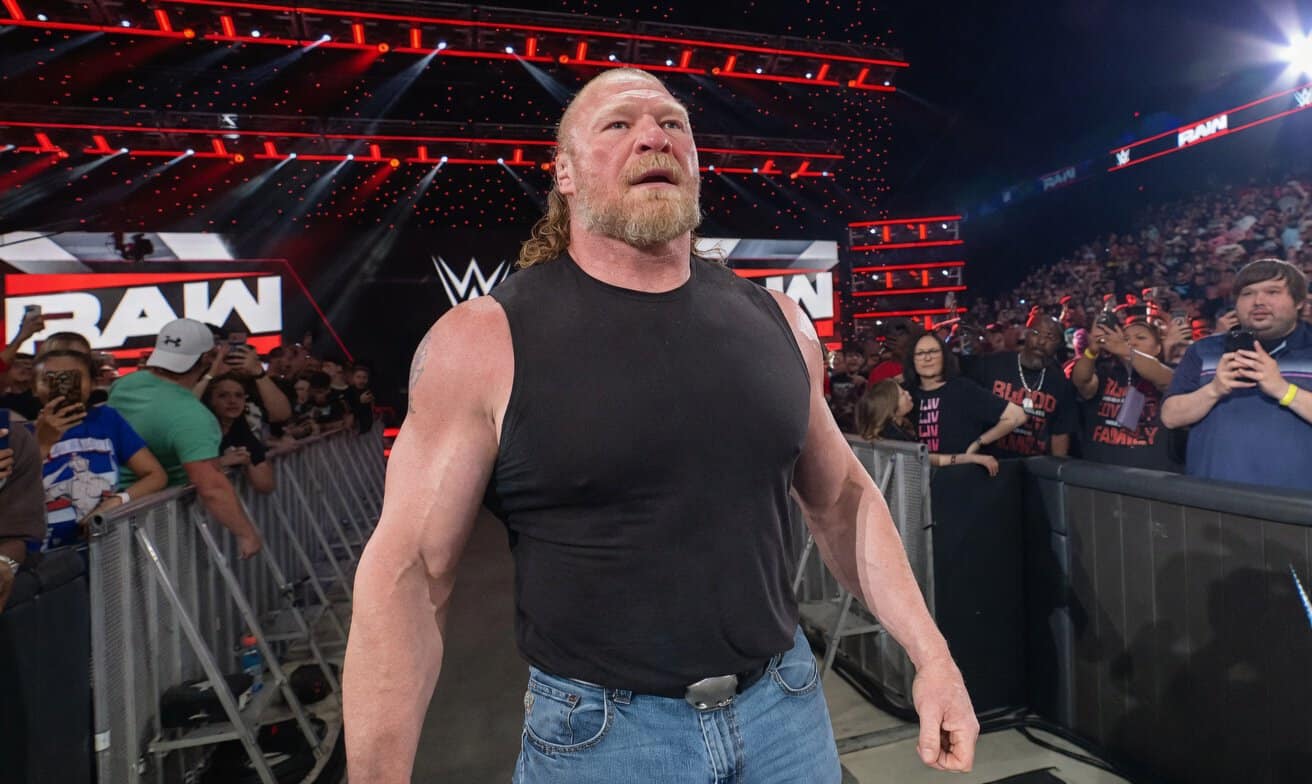
The post-WrestleMania hangover is a documented physiological condition for wrestling fans. We just spent two nights at Allegiant Stadium watching Cody Rhodes finish another chapter and John Cena begin his long goodbye. Now, the adrenaline is fading. The roster feels a little thinner, the stakes a little lower. But Jim Ross just dropped the equivalent of a nuclear depth charge on the conversation. When Good Ol' JR says 'Hell no' to the idea of Brock Lesnar being finished, he isn't just speculating. He is reading the room of an industry that still revolves around one massive, terrifying sun.
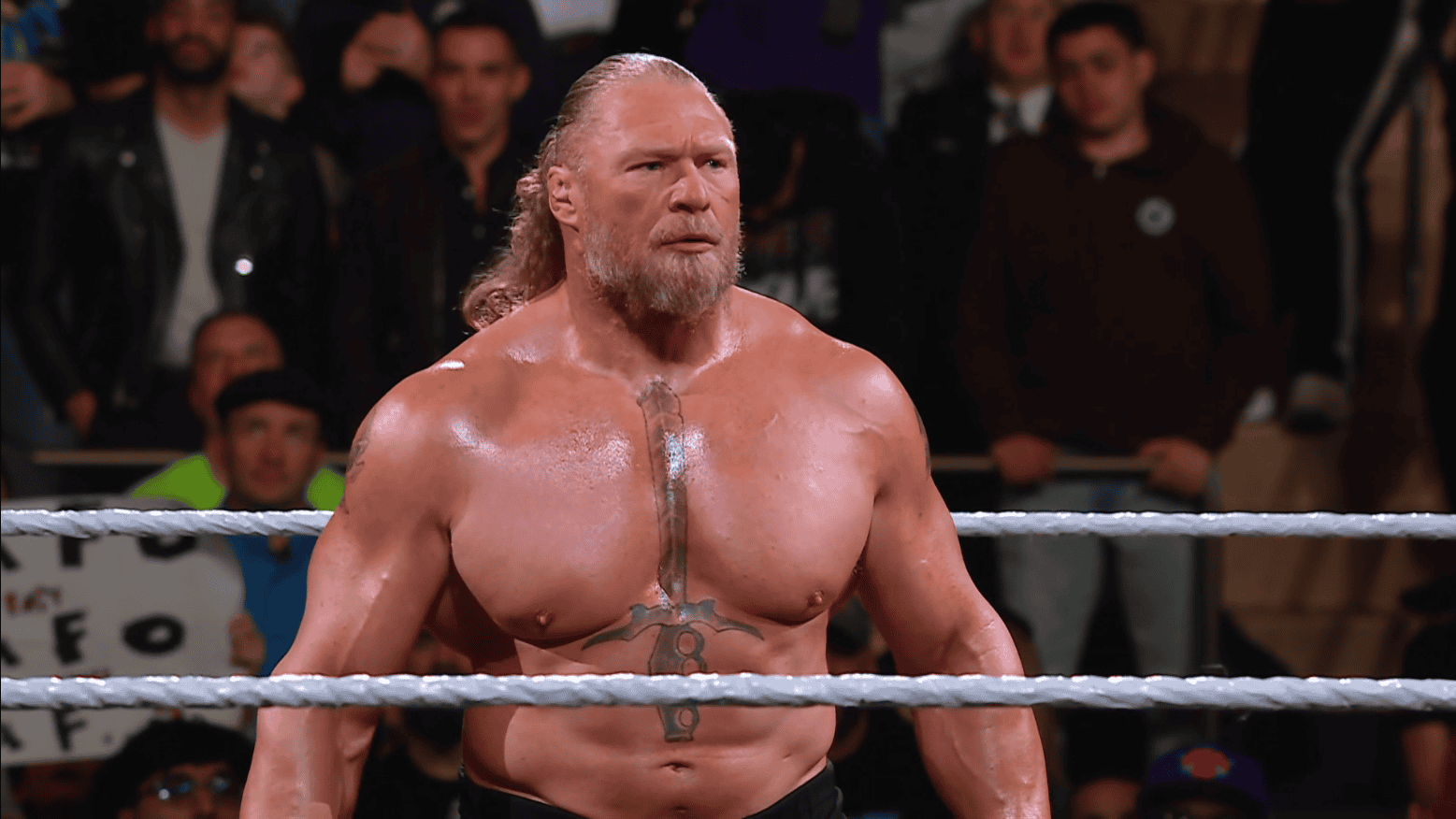
The data on Brock Lesnar is an anomaly in modern sports entertainment. Most legends see their drawing power decay at a predictable rate of 5-8% per year once they hit their late 40s. Lesnar has ignored that curve entirely. His matches are high-frequency, high-impact sprints that typically clock in under 12 minutes of total bell time. Yet, those twelve minutes generate more social media impressions and secondary market ticket spikes than most three-hour Raws. WWE knows this. Netflix knows this. And more importantly, the locker room knows the hierarchy is about to be reset.
The Gunther problem and the workrate trap
For the last eighteen months, the 'dream match' discourse has been dominated by one name: Gunther. The Ring General has cleaned out the mid-card and elevated the World Heavyweight Title to a level of prestige it arguably hasn't seen since the Big Gold Belt era. But there is a ceiling to workrate. You can only have so many 25-minute technical masterpieces before the audience craves a car crash. Gunther needs a monster. Not a monster like Bronson Reed or Braun Strowman, but a legitimate, NCAA-heavyweight-champion, UFC-title-holding freak of nature.
If you look at the tactical layout of a potential Lesnar vs. Gunther match, it is the most profitable 15-minute investment WWE could make in 2026. Imagine the opening sequence: no collar-and-elbow tie-up, just a German Suplex that dumps the 275-pound Austrian on his neck in the first 10 seconds. We are talking about a match where the 'strikes landed' metric would be off the charts. It is the perfect bridge for the Netflix era. It provides the 'real-sport feel' that the new broadcast partners are desperate to market to a broader demographic.
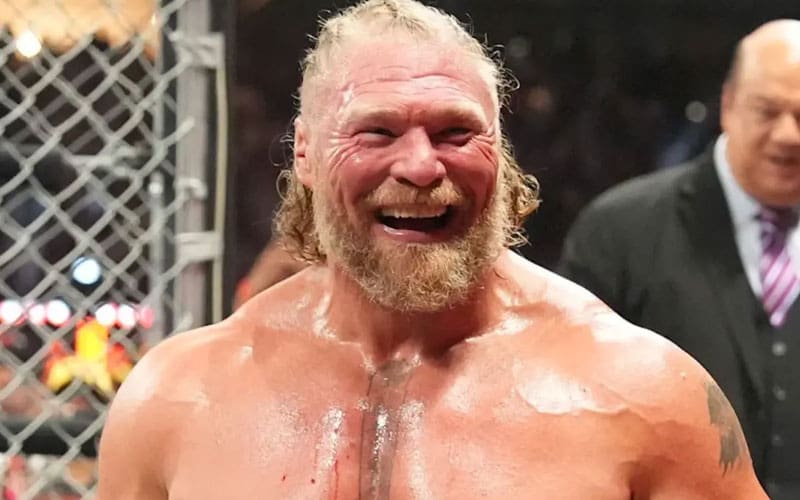
“Have we seen the last of Brock Lesnar? Hell no,” Jim Ross said on his latest podcast.
Ross understands the corporate architecture better than almost anyone. He knows that when WWE moves to a global streaming model, they need 'unblockable' stars. You can't ignore a 6-foot-3, 285-pound man who can still sprint like a linebacker. The rumors of his permanent exile were always premature. In a world of billion-dollar rights deals, personal grievances usually take a backseat to the $5 billion bottom line that Netflix is demanding.
The critical failure of the part-time era
It is worth being cynical for a moment. Every time Lesnar returns, the full-time roster suffers a specific kind of momentum stall. We saw it with the Universal Title years ago. When the 'Final Boss' is only around four times a year, the guys working the Tuesday night house shows in Des Moines start to feel like they are playing for second place. It is a legitimate grievance. If Brock comes back and immediately squashes a rising star like Bron Breakker, the long-term damage to the 'youth movement' could be severe. WWE has a habit of sacrificing the next five years for the next five months of ratings.
We also have to talk about the 'Beast' formula. It has become a bit repetitive. Suplex, suplex, F5, kick out at two, repeat. If Brock returns just to do the greatest hits tour, the novelty will wear off by the time we hit the summer. He needs a reinvention. We saw flashes of the 'Cowboy Brock' persona that actually had some soul. If he returns as the silent assassin again, it might feel like a regression. The audience in 2026 is smarter; they want the character depth that Roman Reigns proved is possible even for a part-timer.
The Prediction: A Backlash shocker
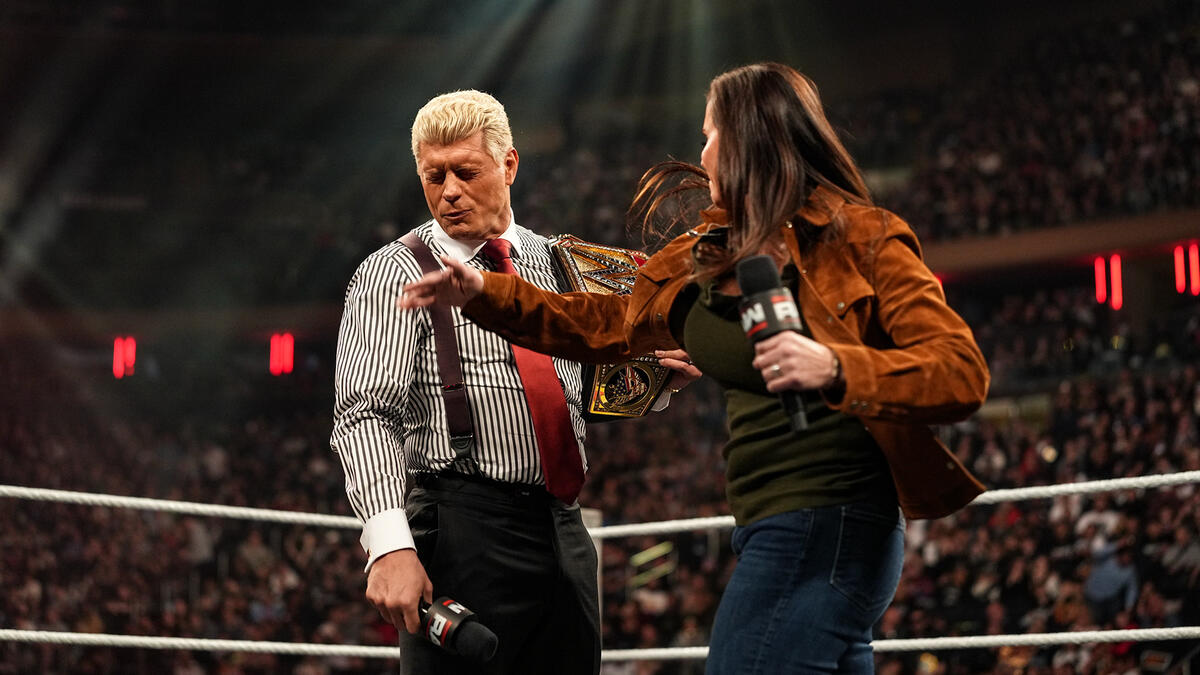
I am calling it now: Brock Lesnar will return on May 9 at WWE Backlash in Lyon, France. The international crowd is the perfect setting for a massive 'pop' that will trend globally for 48 hours. He won't just come out to wave. He is going to cost someone a title. My money is on him interrupting the main event to set up a multi-month program with Cody Rhodes. Cody has been the 'American Nightmare' for long enough; he needs a literal nightmare to keep his championship run from becoming stagnant.
The probability of this happening is higher than the betting markets suggest. WWE’s internal metrics likely show a slight dip in 'must-watch' sentiment following the massive high of WrestleMania 41. They need a stabilizer. Brock is the ultimate shock-and-awe weapon. He is the only guy who can show up, say nothing, and immediately make the entire product feel more dangerous. Jim Ross isn't just whistling in the dark here. He knows the Beast is hungry, and the table is already set for a May return.
Don't expect a technical clinic. Expect a 17-minute demolition derby that leaves the ring in pieces and the internet in a frenzy. The era of Brock Lesnar is far from over because, frankly, the business isn't ready to survive without him yet. He is the insurance policy that Vince built and Triple H is now forced to cash in to keep the Netflix shareholders happy. Get ready for the sirens. The suplexes are coming back to the main event scene whether the locker room likes it or not.
Read Next
- Brock Lesnar is the ghost haunting WWE’s post-WrestleMania season
- Ric Flair says Shawn Michaels should run WWE and the timing is perfect
- Cody Rhodes managing eye injury ahead of WWE Backlash
- WrestleMania 41: The 10 Moments That Actually Mattered
- 🏆 WrestleMania 41 — Full Coverage Hub
- 💥 WWE Backlash 2026 — Full Coverage Hub