Jericho sidelined ahead of Double or Nothing
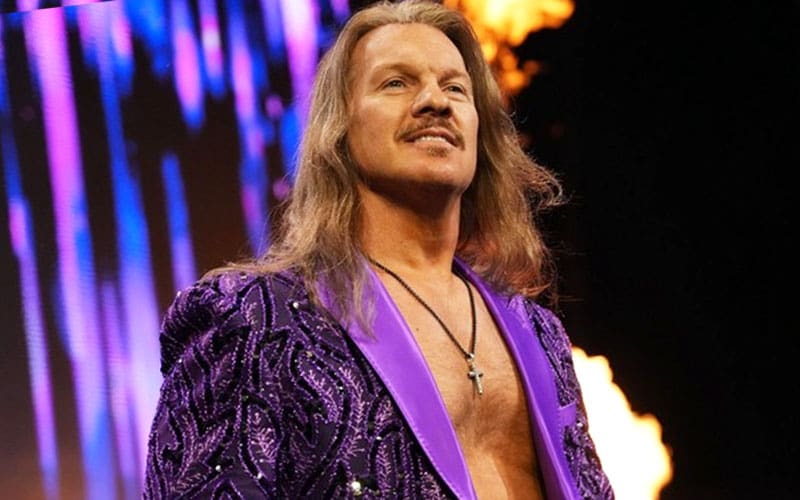
Chris Jericho has confirmed he is dealing with a significant injury that will keep him out of action for the immediate future. The veteran performer announced that a torn pectoral muscle is the source of his current hiatus. This diagnosis effectively removes one of the promotion's primary anchors from the television rotation exactly seven weeks before the company takes the stage for Double or Nothing on May 24.
The timeline for recovery regarding pectoral tears typically ranges from four to six months depending on the severity and whether surgical intervention is required. Given the calendar, Jericho is ruled out for the remainder of the spring cycle. Fans expecting a signature high-profile match at the upcoming pay-per-view will need to calibrate their expectations. The absence of a performer who has consistently been a featured player since 2019 leaves a noticeable void on the card.
Strategic impact on AEW rosters
Losing a performer of this status during the build toward the spring pay-per-view creates a booking vacuum. AEW management must decide whether to pivot toward younger talent or rely on other established veterans to carry the mid-card segments usually occupied by Jericho. The industry knows these shifts often lead to temporary instability in storytelling arcs.
Critics point to the heavy schedule maintained by older wrestlers as a contributor to these long-term breaks. While some veteran performers focus on limited dates, Jericho has maintained a rigorous workload since his arrival. This injury highlights the physical toll of year-round main event wrestling on bodies that have logged significant travel and performance hours over three decades.
Historical context and recovery
History shows that pectoral injuries are a common hazard for heavy hitters in the industry. Other top names who have navigated similar setbacks often face challenges returning to their peak agility. The rehabilitation process is notoriously tedious, requiring strict discipline to avoid re-injury during the initial training phases.
We have seen this play out before with performers like Cody Rhodes, who managed a famously rapid recovery, and others whose careers were permanently altered by the loss of explosive power in the chest and shoulder region. Jericho's approach to this recovery will likely involve the same meticulous attention to detail that kept him in the main event for years. However, the physical reality of the sport remains unforgiving regardless of personal dedication or high-level medical support.
Operational shifts for management
The booking team now faces the task of filling segment time that was clearly intended for one of the brand's most vocal personalities. With no immediate replacement of similar name value, the roster will have to rely on internal competition to capture audience attention. Expect the creative team to lean on tag team storylines or secondary title feuds to compensate for the reduction in screen time for the former champion.
The lack of a defined return date is the most concerning aspect of the announcement. If the recovery extends beyond the initial 16-week window, the company faces a summer without one of its most recognizable figures. Realistically, management will plan for a late-year return at the earliest. This move is a reminder that even the most seasoned performers are susceptible to the brutal attrition of a professional wrestling schedule.
The medical staff will dictate the pace of his return, and skipping ahead in the recovery timeline is rarely a viable option in the current era of sports medicine. Fans will need to settle for out-of-ring contributions or video appearances as he works through the process. The booking focus must now shift to building long-term value in performers who are physically available to deliver in the ring every week.
Read Next
- Chris Jericho's injury timeline puts AEW's momentum to the test
- Kenny Omega’s recovery remains the biggest question mark for AEW
- Chris Jericho keeps finding ways to stay relevant in AEW
- AEW is throwing spaghetti at the wall to save their Dynamite rating
- 🎲 AEW Double or Nothing 2026 — Full Coverage Hub