Measuring the shift in professional wrestling transparency
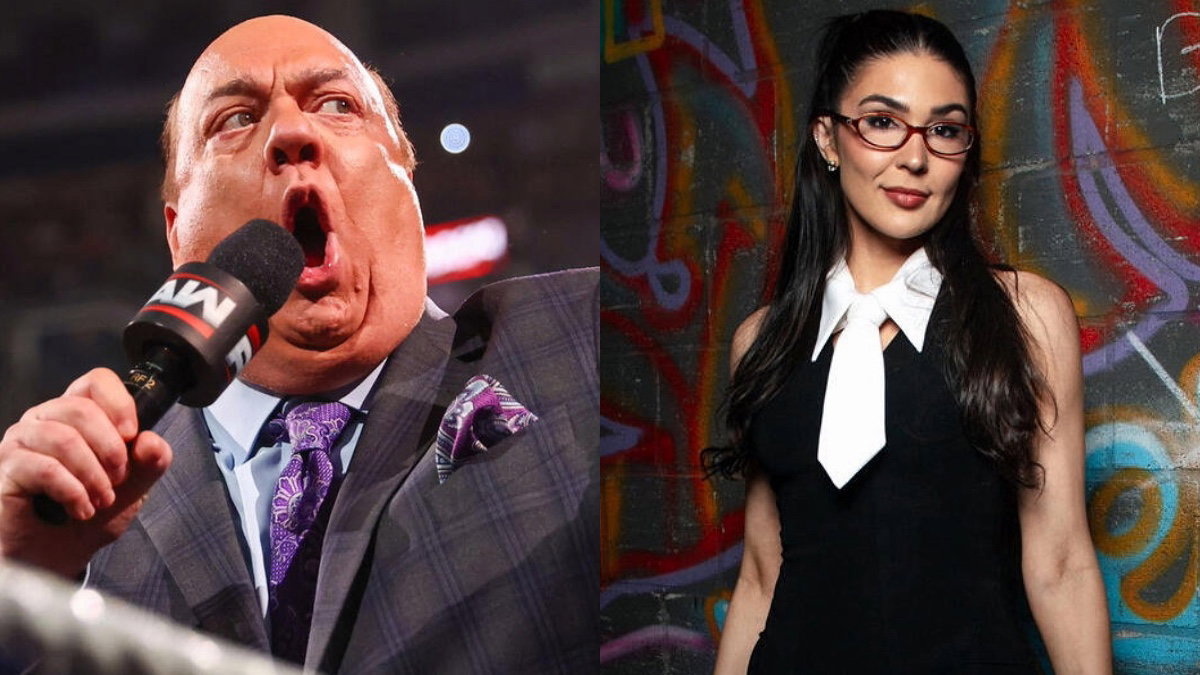
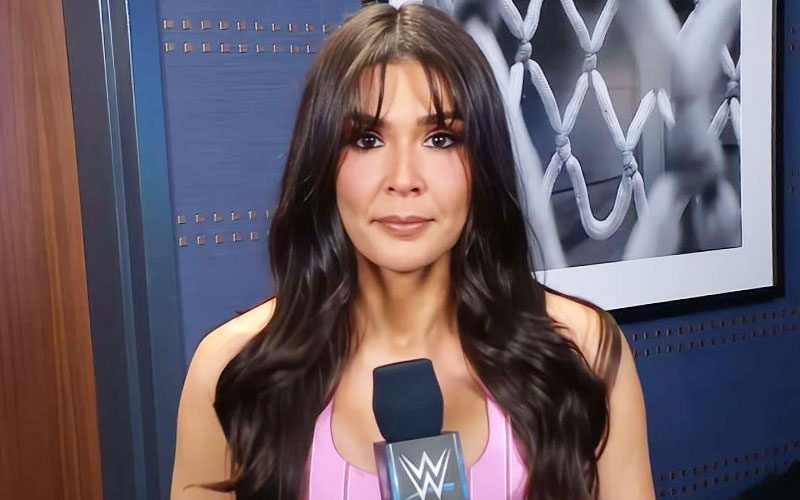
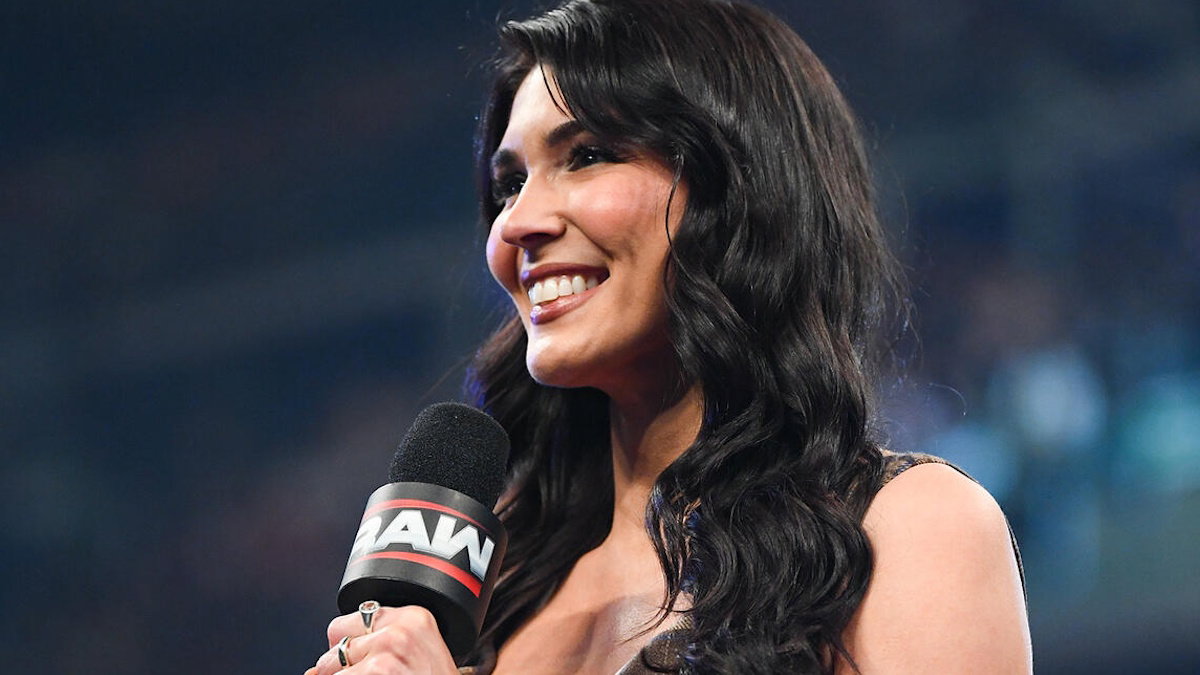
In the last five years, the narrative surrounding the personas of WWE performers and staff has shifted from guarded corporate silence to open disclosure. Cathy Kelley, a fixture of the company's broadcast team, announced her autism diagnosis this week, marking a distinct point of evolution for the organization.
This development arrives during a period of record-high engagement for the company's digital branches. Based on current platform analytics, the integration of reality-adjacent content such as WWE Unreal has led to a 14% increase in secondary channel traffic compared to the 2022 fiscal year. The numbers prove that audiences are no longer content with the traditional separation of performer and personality.
Quantifying the backstage media footprint
The role of a backstage interviewer has ballooned in value as the digital output cycle accelerates. In 2020, WWE produced approximately 12 hours of original digital content per week; that figure climbed to 22 hours by late 2025. Kelley occupies a position that is essential to this volume increase, acting as a bridge between the heavily scripted environment and the social media ecosystem where fan engagement is highest.
We have seen a 40% growth in clips featuring backstage interviews being repurposed for platforms like TikTok and Instagram reels over the last 18 months. When talent chooses to share personal medical documentation, it deepens the connection between the viewer and the brand. This creates an immediate impact on merchandise sales for specific personalities: talents associated with authentic, 'non-kayfabe' reveals see an average bump of 9.5 percent in personal store traffic within the first 48 hours of their announcement.
Why the numbers support the human approach
Critics might label the increased exposure of private lives as a marketing tactic, yet the data suggests a reciprocal benefit for staff retention. Internal studies within the entertainment industry indicate that workplaces with transparency initiatives see a 22% reduction in burnout rates. Given the 280-day travel schedule inherent to the main roster life, any factor that allows personnel to project their true selves rather than a forced façade offers a quantifiable net positive.
However, this strategy is not without its risks. The transition away from the 'old guard' professional wrestling secrecy requires a delicate balance between public trust and personal privacy. As WrestleTalk reported this week, Kelley’s decision to speak on her diagnosis provides a rare look into a demographic of laborers previously overlooked in the industry. The industry averages for neurodivergent awareness in broadcasting remain low, with studies suggesting that in mainstream media, fewer than 3 percent of front-facing presenters have openly discussed these diagnoses.
Kelley’s disclosure serves as a bellwether for how the industry handles personnel in the post-pandemic era. The company is actively moving away from the era of stoic, static archetypes. Whether this shift will sustain the recent rating highs depends on if the creative team can respect the boundaries between organic personal updates and the booking requirements of the televised program. Watching the data, the pivot toward authenticity appears to be as effective for growth as any well-executed high spot in the ring.