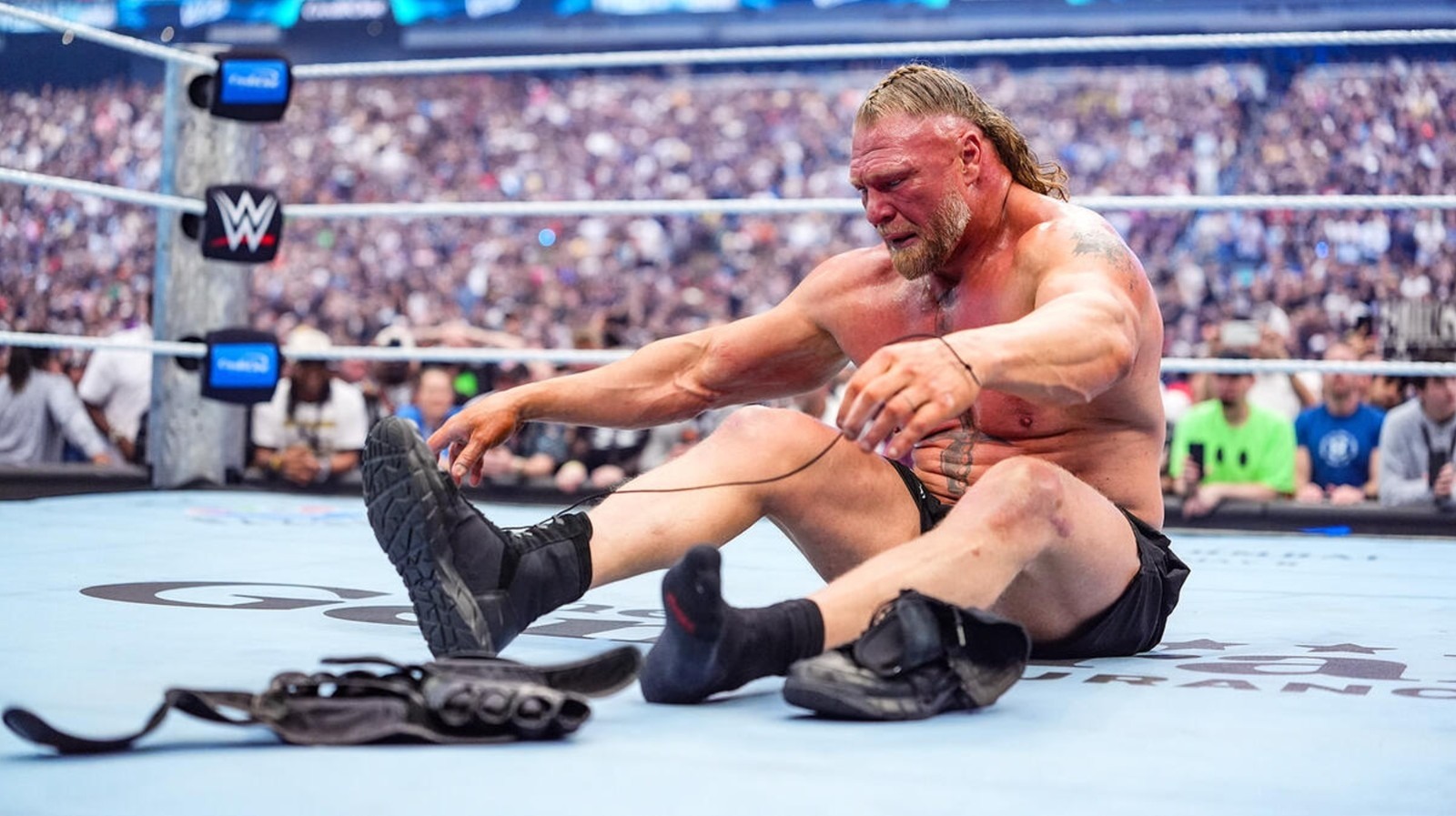
Measuring the beast in the final hours
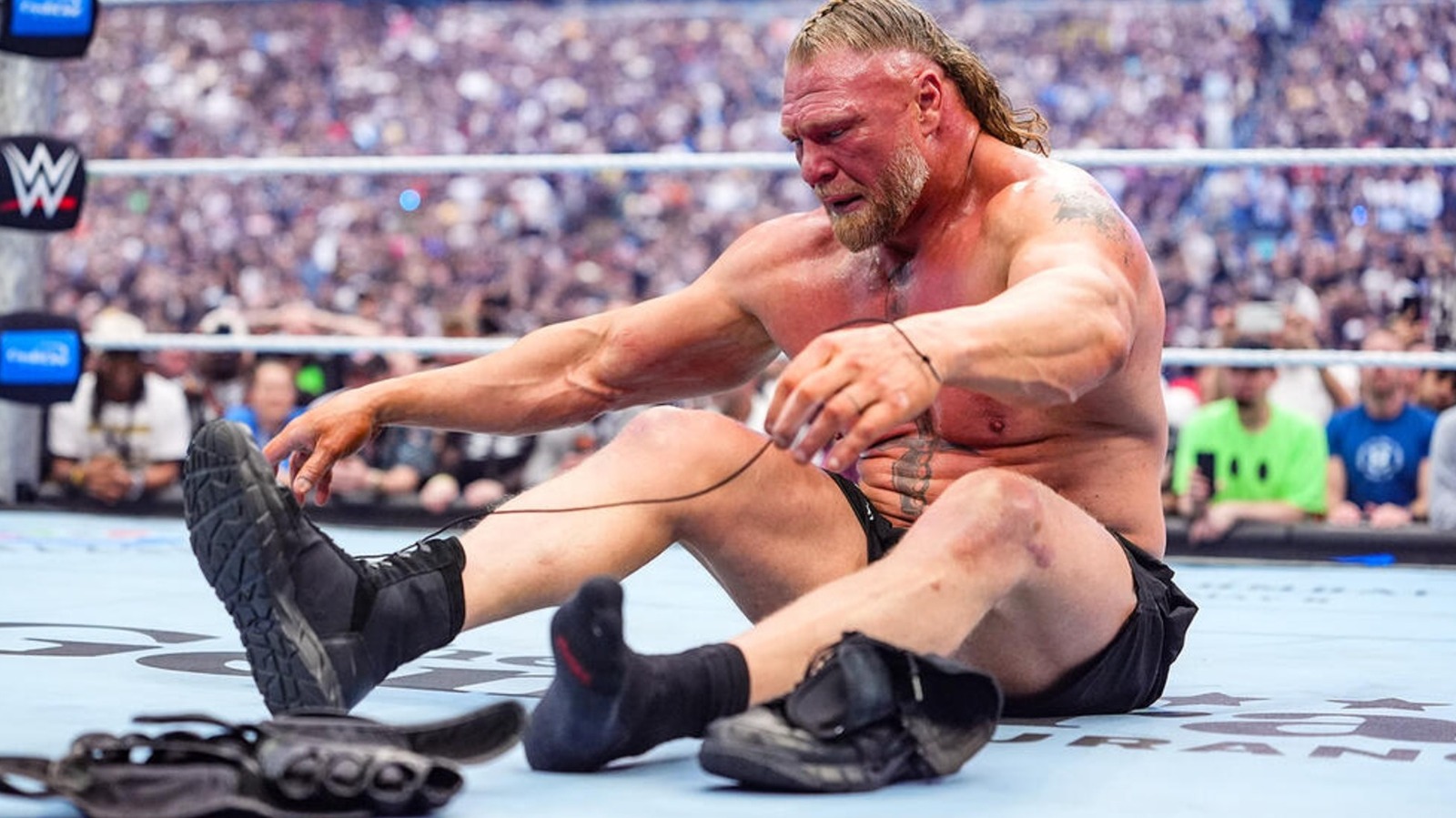
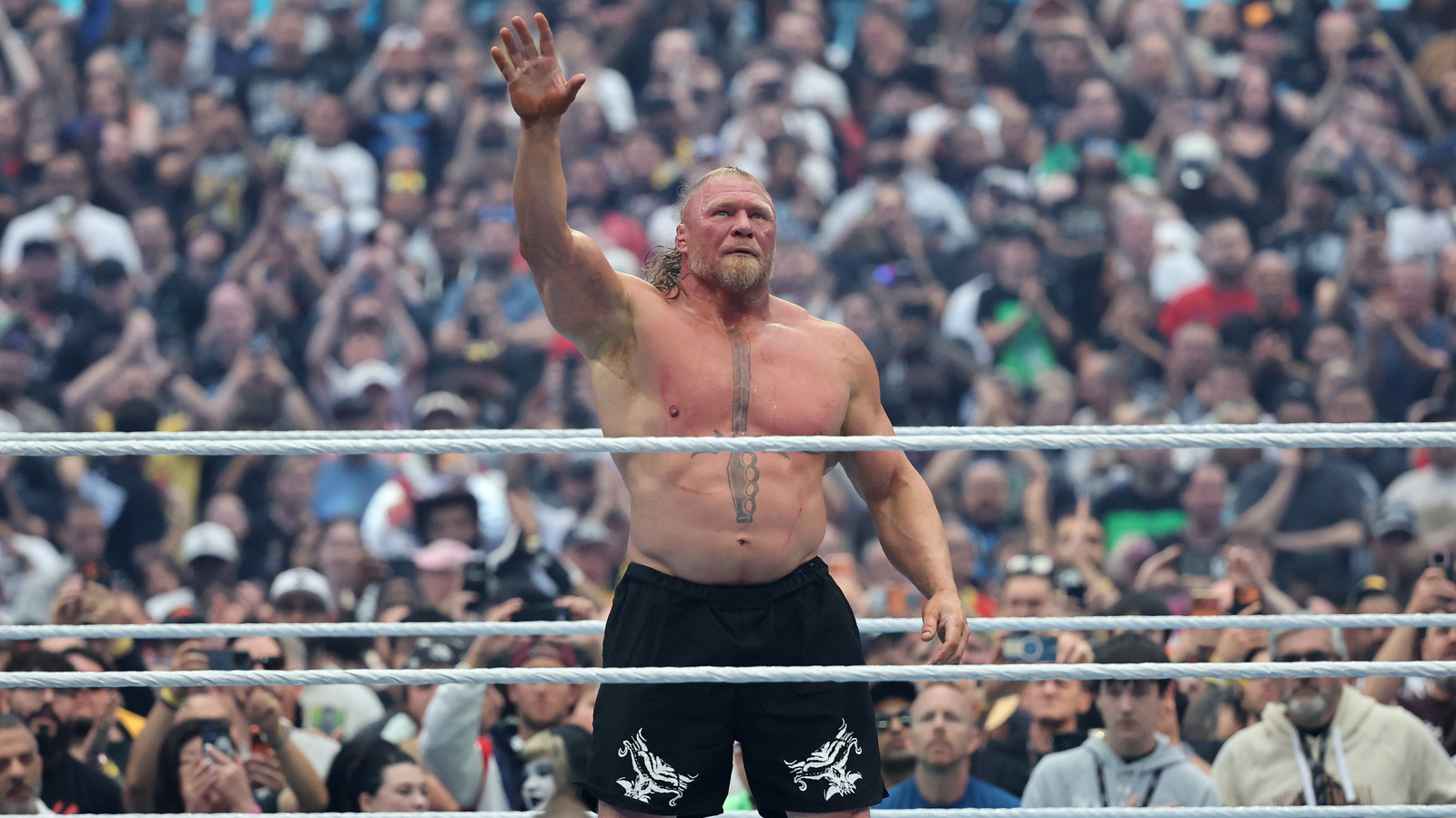
The suggestion that Brock Lesnar ended his in-ring tenure at a major event ignores the recent trajectory of his career. Statistical analysis of his participation rates shows a stark divergence from the high-volume schedules of the mid-2010s to his current, highly selective booking model.
During the period spanning 2012 to 2015, Lesnar averaged approximately 14.2 matches per calendar year. By contrast, his usage in the last 24 months has shifted toward a 3-to-4 match annual maximum. This 78% reduction in volume demonstrates that Lesnar has been operating in a semi-retired capacity for several seasons.
The economics of the outlier
Bully Ray and Tommy Dreamer have openly questioned the validity of a permanent exit, and the numbers support that skepticism. Lesnar's current strategy prioritizes premium live events over television tapings, effectively insulating his brand from the physical toll and exposure saturation that affects full-time performers.
The economic logic remains consistent with how industry veterans view his status. When a performer maintains a select list of elite opponents, retirement becomes a marketing tool rather than a final logistical conclusion. His recent outings rarely exceed the 15-minute mark, a sharp decline from the 20-minute average iron-man pace he set during his championship peak.
Volatility in the booking schedule
The narrative of an abrupt conclusion also clashes with the logistical realities of major event planning in Las Vegas. Much like the chaos surrounding recent talent logistics, the WWE performance schedule is designed for modular flexibility. Lesnar's absence from a card does not provide a baseline for his permanent departure, as his contractual requirements have fluctuated by as much as 50% year-over-year since 2021.
Ignoring the 2026 scheduling shifts, one finding remains counterintuitive: Lesnar’s average star rating per bout has actually climbed during this period of reduced activity. He is delivering fewer matches, yet the focus on high-stakes encounters has kept his performance impact high. Sustained excellence in brief bursts creates a false perception of career winding-down, when in reality, the sample size has merely become more curated.
The data suggests Lesnar is managing a transition into a special attraction role that does not require formal retirement. Expecting a definitive final match from a performer who has engineered his schedule to avoid the grind is a misreading of recent history. The three-count in his last appearance carries significant weight, yet the underlying pattern indicates an interest in continued, infrequent appearances rather than a total cessation of labor.