The Hitman defends the Stone Cold rise
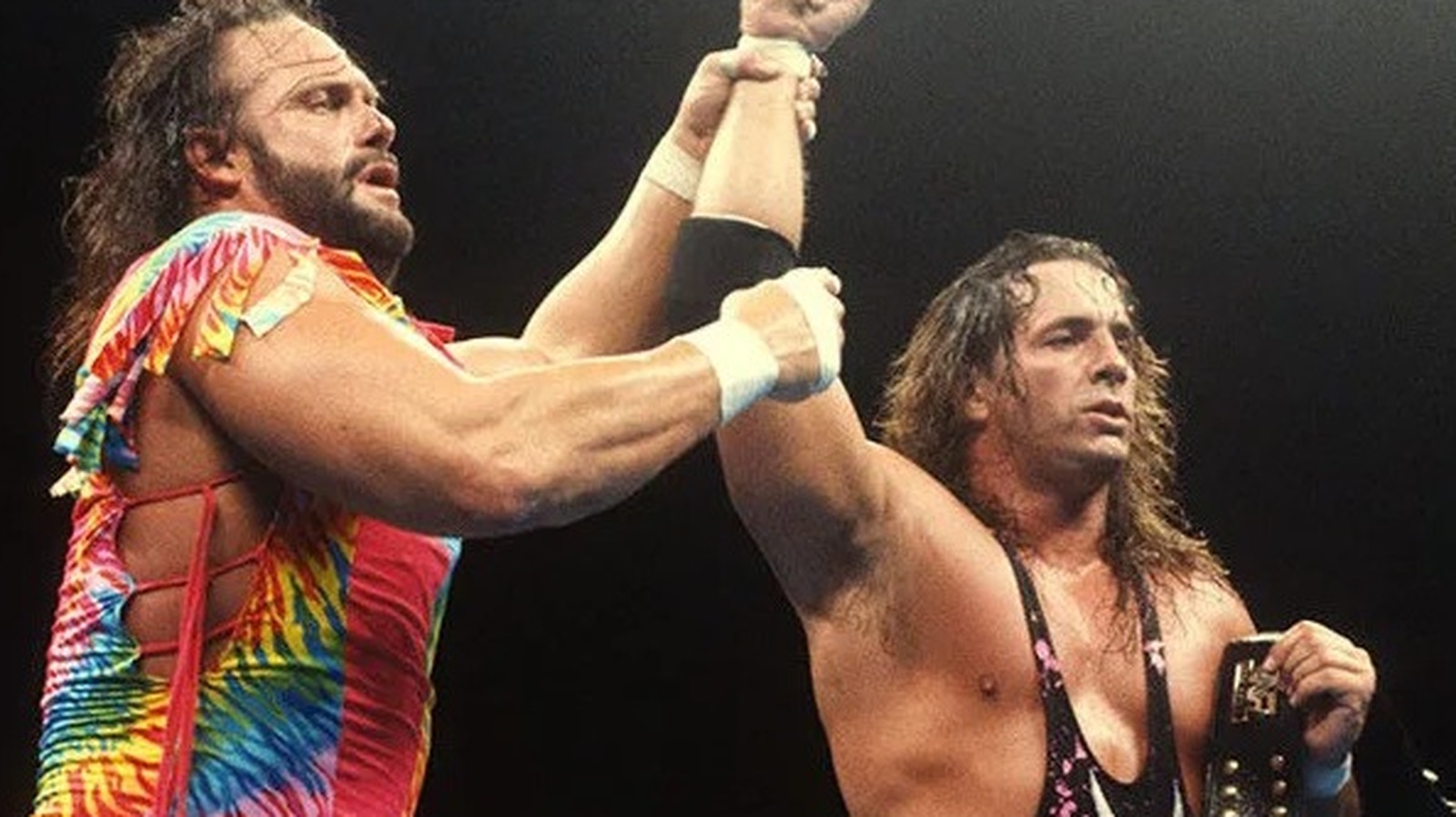
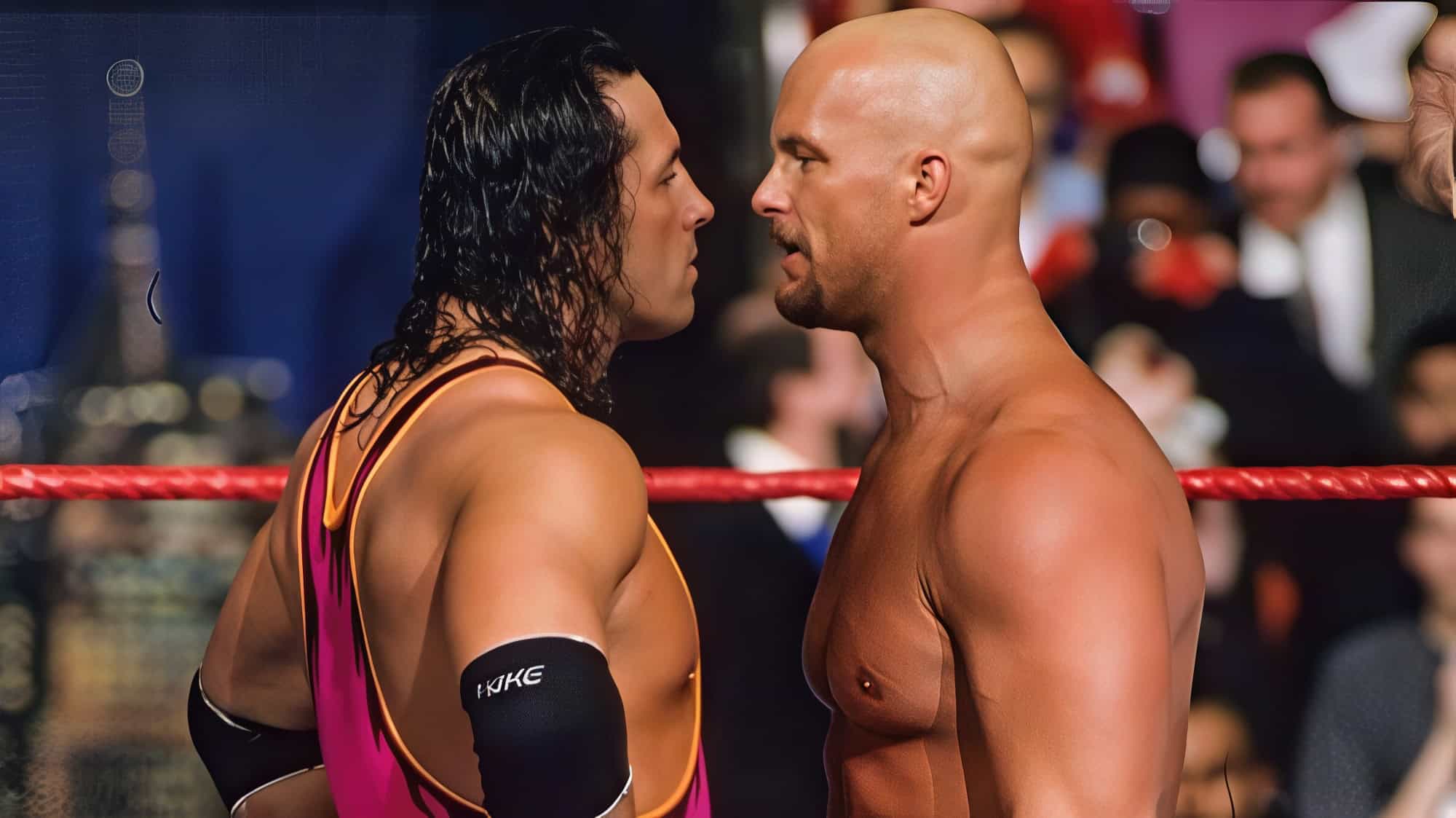
Bret Hart has finally pulled the curtain back on the locker room politics of 1997. It turns out the Hitman wasn't just working matches; he was actively gatekeeping the main event scene from the Kliq. Bret makes it clear that Steve Austin deserved to be the guy and he wasn't going to let Shawn Michaels and Triple H steal that position from him.
This isn't just nostalgia baiting. It confirms that the transition away from the New Generation era toward the Attitude Era was a deliberate, protective act by Hart. He saw the shift in trajectory before the office did. By placing the industry on Austin’s shoulders, Hart ensured the WWF didn't wither away into a vanity project for HBK and his buddies.
Bischoff’s WCW revisionist history
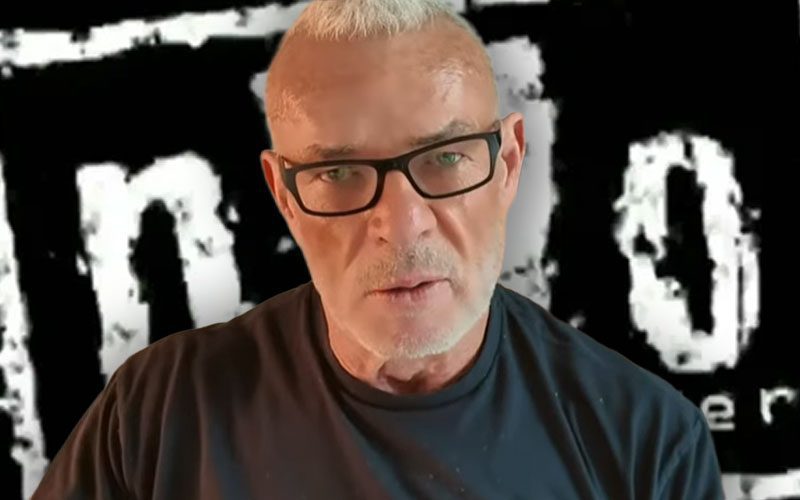
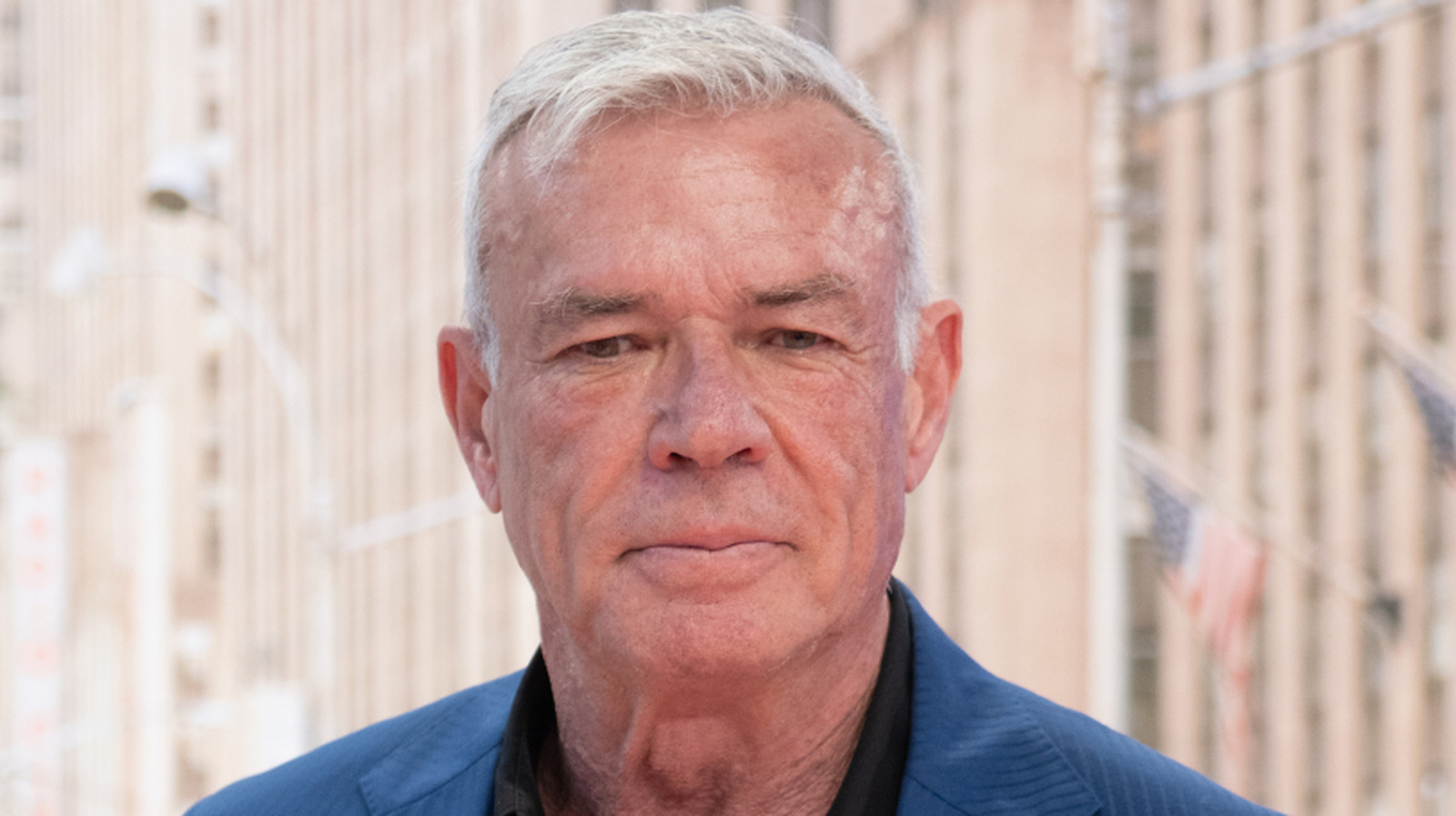
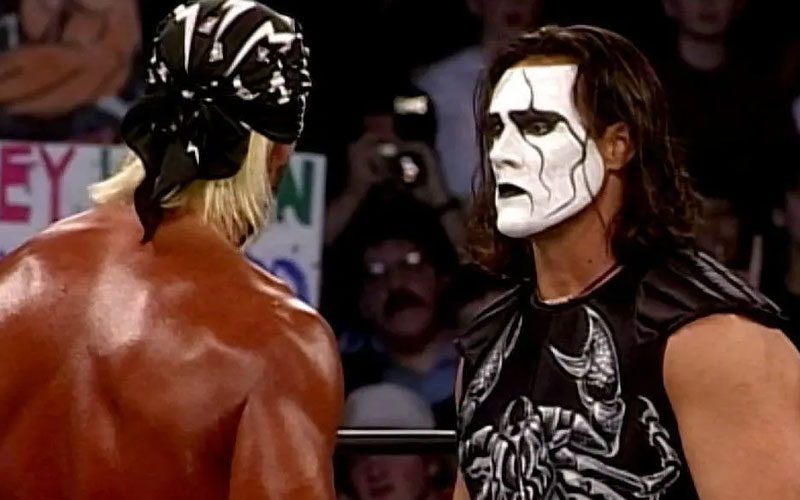
Meanwhile, in the land of guaranteed contracts and chaos, Eric Bischoff is busy burying the hatchet on two of the biggest 'what ifs' of the nWo era. He recently shot down the persistent fantasy that Ric Flair was ever destined for a black-and-white t-shirt. Bischoff labeled the idea as bad casting, even if the fans were begging for it.
It makes sense once you stop fan-boying for a second. Flair was the corporate enemy, the ghost of the NWA, and the antithesis of the renegade nWo vibe. Placing the Nature Boy in that group would have felt like putting a tailored suit on a dumpster fire. Bischoff knew his brand, and he knew when a crossover just didn't have legs.
The Shawn Michaels risk factor
Bischoff didn't stop there. He also addressed the long-standing theory that Shawn Michaels could have jumped ship to WCW during the Monday Night Wars. The answer is a hard no, and for once, the logic holds up. Bischoff openly stated that Michaels was too risky to bring into WCW during that specific time.
It is easy to imagine the potential disaster. You had a locker room already bursting at the seams with massive egos. Adding someone as volatile as 1997-era Michaels into that mix likely would have resulted in an implosion rather than a ratings spike. Bret Hart's personal stance shows how much sway the talent had, and Bischoff’s recent comments reflect a rare moment of corporate clarity.
Internal logic vs fan fantasy
These revelations shed light on the friction of the era. Fans want to see the biggest names collide, but bookers and legends like Hart often viewed the industry through a lens of character identity and locker room health. Sometimes the best angles are the ones that never happened because the people in power had the sense to say no.
Of course, this doesn't mean management was always right. Bischoff's track record is littered with questionable decisions that actually did make it to air. Wrestling history is often written by the winners, but hearing these guys justify their past choices hits differently when you consider how close everything came to falling apart.
It is fascinating to see the disconnect between what we wanted as children and the reality of how these operations were managed. We wanted the nWo to be the ultimate collection of icons, but Bischoff recognized that character dilution is a real thing. Sometimes the booking is better when you refuse to force the puzzle pieces together just for a pop.
The era wasn't perfect; it was a messy, high-stakes gamble that lucky enough hit the jackpot with guys like Austin and the nWo’s initial run. We tend to romanticize the chaos, but reading these accounts makes you realize just how many bullets they dodged by choosing not to go through with these ideas. The main event scene of 1997 was truly held together by tape and stubbornness.
I have to lean into the skepticism here: Bischoff loves to retroactively make his booking look like 4D chess. Was it really a calculated risk, or was it just plain old insecurity about managing another giant personality? Regardless, the industry survived, and we got at least one golden era out of it.