The Point of No Return
Conor McGregor is running out of time and excuses.
The combat sports world is swirling with rumors about his physical readiness for the highly anticipated clash with Max Holloway. Whispers of minor training injuries, camp setbacks, and the ever-present specter of his rebuilt leg have cast a heavy shadow over the bout. But in the eyes of industry veterans, the window for delays is firmly closed.
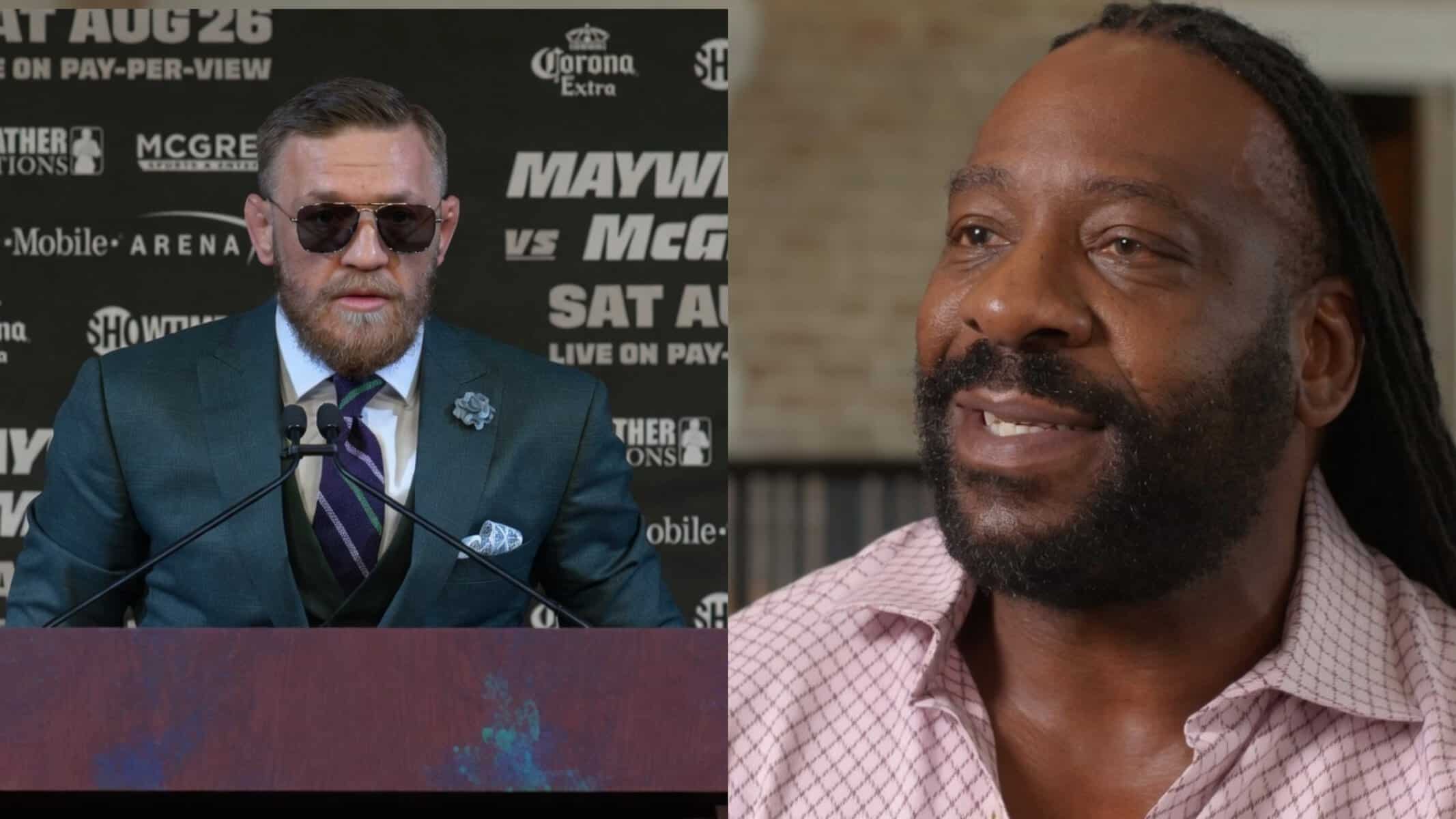
WWE Hall of Famer Booker T recently weighed in on the situation regarding McGregor's potential withdrawal. His stance was clear and uncompromising. McGregor cannot afford to bail on this fight, regardless of the physical wear and tear he might be enduring behind closed doors.
This brings us to a brutal intersection of combat sports culture. The mentality of a professional wrestler and a mixed martial artist often bleed together when it comes to injury management. Booker T belongs to an era where you taped up your joints, took some ibuprofen, and walked through the curtain regardless of the pain.
That mentality is inherently dangerous. It is also exactly what the fighting business demands when hundreds of millions of dollars are on the line. McGregor built his global brand on an aura of absolute invincibility. Pulling out of another high-profile fight due to physical compromise shatters what little remains of that illusion.
The Medical Reality of the Rebuilt Leg
Let us look at the cold medical reality. McGregor has not been the same physical specimen since UFC 264.
Snapping your lower tibia and fibula is a catastrophic trauma. The bone heals, often growing back stronger with the insertion of a titanium intramedullary rod. But the surrounding soft tissue, the kinetic chain, and the neural pathways take years to fully recalibrate.
When a fighter suffers a compound fracture, the trauma extends far beyond the bone itself. The surrounding fascia, the muscle tissue of the calf, and the critical nerve bundles running down to the foot all sustain massive shock damage. Rehabilitation protocols for this level of injury are grueling and monotonous. The athlete must essentially relearn how to safely distribute their own body weight.
For a southpaw striker like McGregor, that lead leg is everything. It acts as the primary shock absorber for his power left hand. It is the crucial pivot point for his entire offensive arsenal. If there is even a minor drop in the structural integrity or neural response of that leg, a fighter like Holloway will expose it immediately.
McGregor is now older, heavier, and carrying miles of complicated surgical history. Preparing for a relentless volume striker requires a training camp focused entirely on lateral movement and cardiovascular endurance. If McGregor is dealing with compensatory injuries—perhaps knee tendonitis or a hip flexor strain from altering his natural gait—a training camp becomes a physical nightmare.
The Brutal Toll of the Weight Cut
Then there is the unavoidable issue of the weight cut. McGregor has bulked up significantly during his prolonged time away from active competition.
Shedding that accumulated mass to reach the contracted weight limit places immense stress on the internal organs. Cutting weight when you are nursing secondary injuries is a miserable, exhausting experience. The severe dehydration process exacerbates joint pain and thickens the blood. It makes every single training session feel like moving through wet concrete.
As a fighter ages, the endocrine system simply does not respond to severe weight manipulation the way it did in their early twenties. Stripping down to 156 pounds is no longer just a discipline issue for McGregor. It is a genuine medical hurdle.
It is worth criticizing the combat sports machine directly here. Pressuring compromised fighters to step into a cage with elite killers is barbaric. We routinely see athletes ruin their long-term structural health just to save a pay-per-view buyrate. McGregor is wealthy enough to say no. If his leg or shoulder is genuinely failing him in the gym, stepping into an octagon against Holloway is medically irresponsible.
But the fight game is rarely about long-term responsibility. It is about immediate leverage and historical legacy.
Historical Precedent and the Opponent Factor
History provides a grim roadmap for this specific type of surgical recovery. Anderson Silva suffered a nearly identical leg fracture against Chris Weidman. When Silva finally returned to competition, the trademark fluidity that defined his legendary title reign was completely gone.
He was noticeably hesitant to throw the leg. He was heavy and flat on his feet. The brain subconsciously fires warning signals after a trauma that severe, causing a micro-hesitation in the striking exchanges. In elite mixed martial arts, a micro-hesitation is the difference between slipping a jab and waking up looking at the arena lights.
Holloway presents the absolute worst possible stylistic matchup for an older, heavily muscled fighter with a history of lower-body trauma. Holloway does not rely on one-punch knockout power. He relies on a suffocating, relentless pace.
He throws endless combinations that force opponents to constantly pivot, block, and retreat. That defensive movement requires functional elasticity in the calves and Achilles tendons. If McGregor's lower half is stiff, compromised, or easily fatigued, he will become a stationary target by the end of the second round.
Holloway uses distance to exhaust heavy hitters. McGregor thrives on fast-twitch explosive movement to close the gap. Those fast-twitch muscle fibers are the first things to disappear after massive reconstructive surgery and prolonged periods of cage inactivity.
The Verdict: Survival Over Victory
So why can't he just pull out of the fight?
Because the alternative is publicly admitting that his body can no longer sustain a career. A withdrawal now effectively retires him from the elite tier of the sport. It relegates him strictly to the realm of exhibition bouts and influencer boxing spectacles. The promotion would likely strip him of any remaining main-event privileges.
Booker T understands the brutal calculus of a massive sports promoter. You are only as valuable as your reliability when the lights go on.
In 2001, Booker T worked through a litany of severe back and knee issues during his peak run. He knew that taking extended time off meant losing his main event spot permanently. McGregor is in a similar, albeit much more lucrative, predicament today.
His spot at the top of the combat sports food chain is precarious. The new generation of young, hungry fighters does not wait around for veterans to heal.
Medical science can rebuild a shattered shin bone. Modern sports therapy can manage chronic inflammation and joint degradation. But no orthopedic doctor can inject the willingness to suffer through a miserable training camp when you already have hundreds of millions in the bank.
That is the real injury update here. The physical damage is likely manageable with modern medicine. The motivational damage, however, might be fatal.
If McGregor withdraws, he will undoubtedly cite a legitimate medical issue. A torn meniscus, a severe staph infection, or a damaged labrum. The MRI will probably confirm the damage. Combat athletes are always injured to some degree.
But the industry will not care about the MRI results. They will just move on without him. The clock is ticking loudly. He just has to survive the training camp. Once the cage door locks, adrenaline takes over.
But adrenaline only lasts for a few minutes. After that, the physical bill for all those injuries comes due. And Max Holloway will be standing right there, ready to collect.