The Danger of the Main Roster Pop
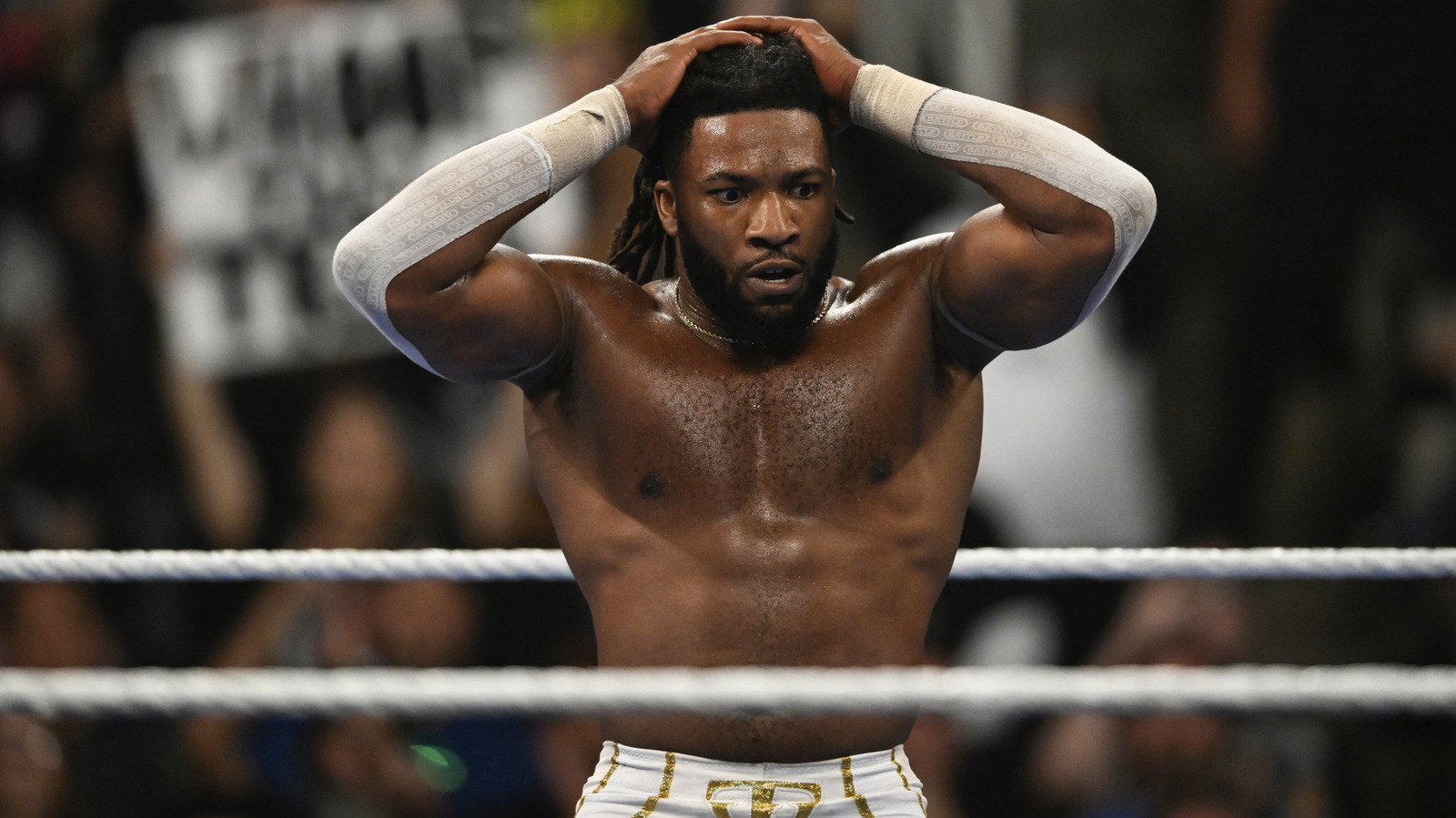
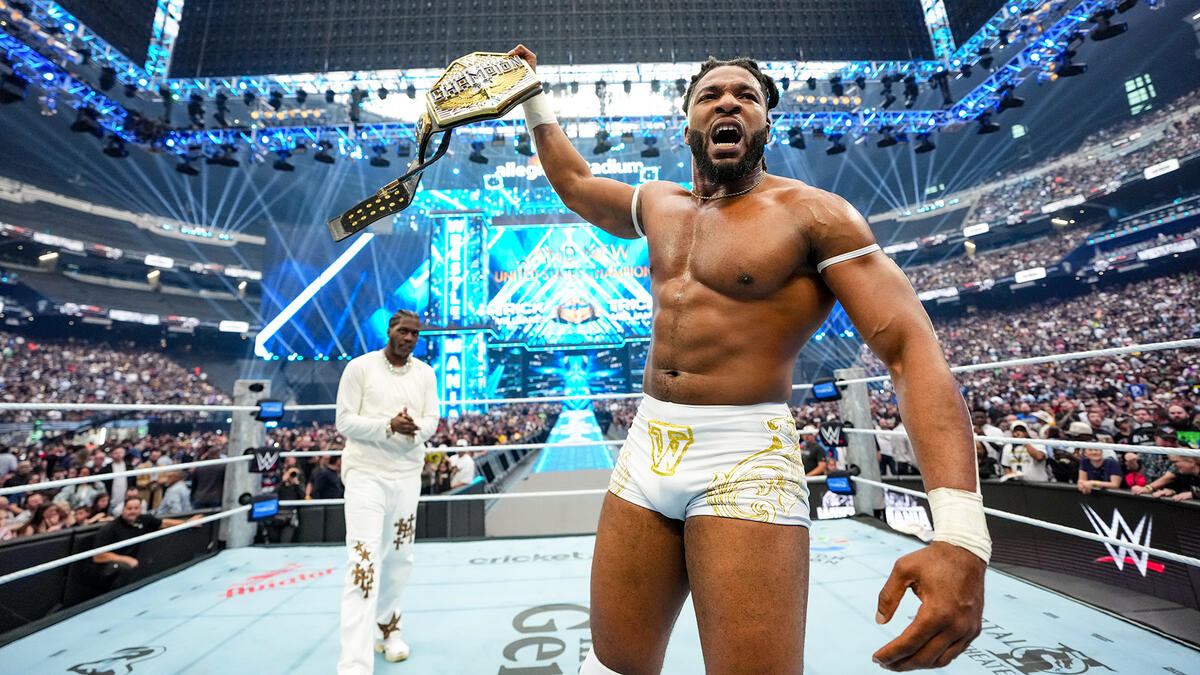
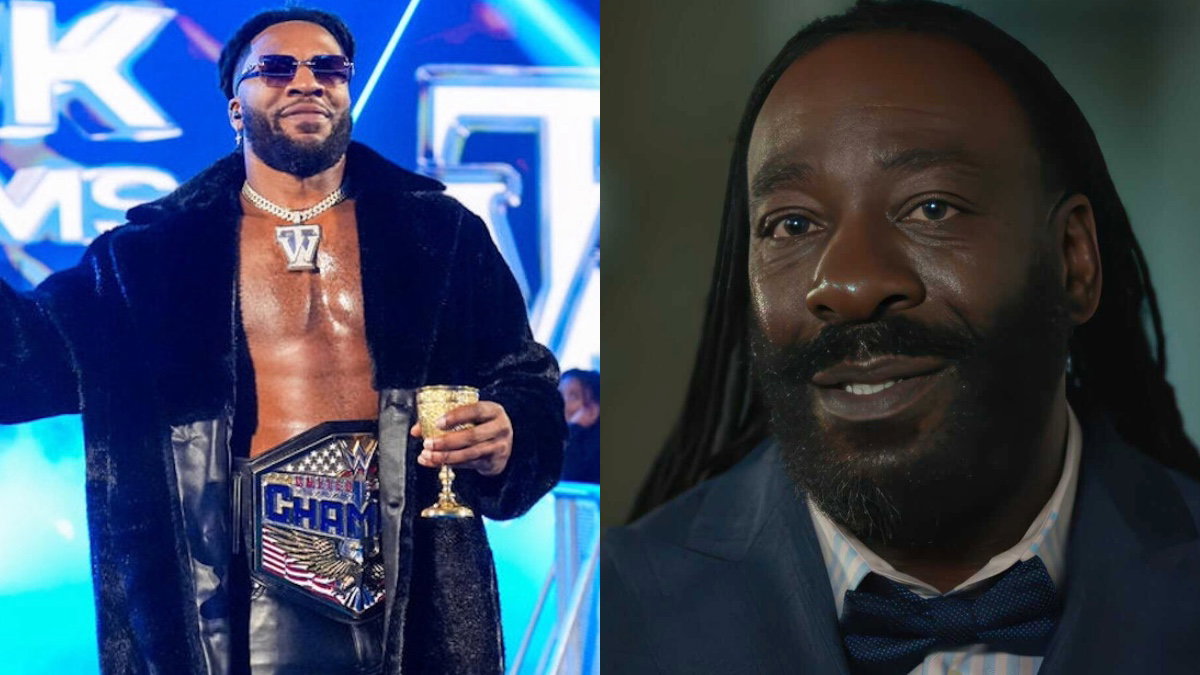
Trick Williams is riding a wave most wrestlers only experience in their wildest, most optimistic dreams. He has the United States Championship securely fastened around his waist. He has arenas from coast to coast screaming his catchphrase in unison. He possesses the undeniable, crackling energy of a breakout star who has finally arrived.
But if you watch the tape closely, there is a mechanical rot slowly setting in.
It happens to almost every developmental call-up who relies heavily on character work and crowd interaction. The dopamine hit of a main roster arena pop is intoxicating. You hit your pose, fifteen thousand people chant along, and suddenly, the technical execution of the match feels secondary. You start wrestling exclusively for the chant, not the pinfall.
The work becomes an accessory to the entrance.
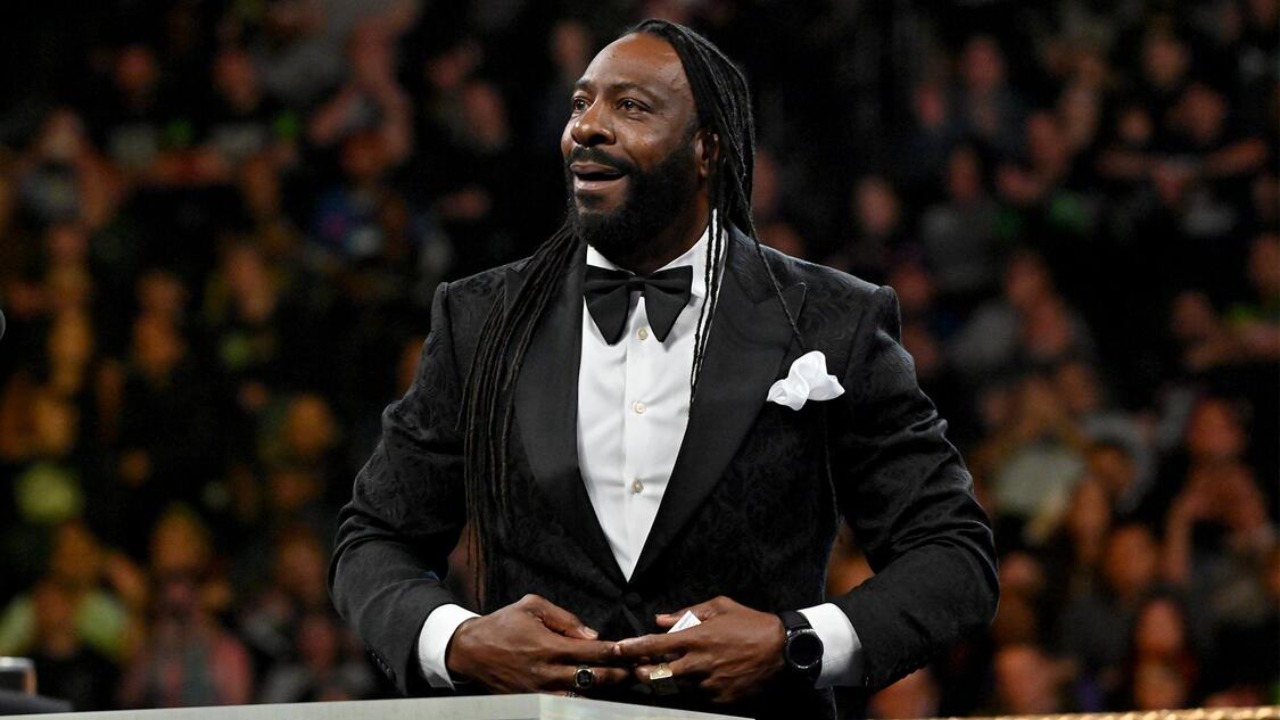
Booker T sees it. He spent months sitting at the commentary desk, watching Williams develop from a charismatic mouthpiece into a main-event prospect. Booker understands the ruthless mechanics of staying relevant better than almost anyone currently drawing a paycheck.
This week, as WrestleTalk highlighted, Booker fired a very public, highly calculated warning shot at his former pupil.
"He cannot get complacent, he cannot start believing the hype."
That is not just veteran bluster meant to fill a news cycle. That is a sharp, tactical assessment of a young champion who is beginning to cut corners in the ring.
The Anatomy of Complacency
Watch Williams in his televised matches over the past month. The raw, explosive athleticism is still present. However, the connective tissue between the high spots is fraying.
His footwork during transition sequences has become alarmingly loose. He is consistently taking an extra half-second to pose before hitting the ropes. This bleeds away the urgency that made his initial title chases so compelling.
When you hold a midcard title on national television, you are no longer graded on potential. You are stepping into the ring with hardened veterans who process in-ring information twice as fast. If you take that extra half-second to play to the hard cam, a ring general like Chad Gable is going to eat you alive. They will exploit that hesitation and turn it into a targeted assault.
Williams is currently relying entirely on his explosive offensive bursts. The Trick-Shot knee strike remains a devastating, highlight-reel finisher. But getting to that strike requires logical sequence building. Lately, he is simply skipping the build.
He takes heavy heat and relies almost exclusively on his facial expressions to draw sympathy. Then, he launches directly into his comeback sequence without re-establishing ring control. He forgets to work over his opponent's base.
This is precisely what Booker T means by complacency. When the crowd is already on your side before the bell even rings, it is dangerously easy to assume you don't need to work for their continued attention. You start coasting on the residual energy of your entrance music. You forget how to grind.
The Ghost of Call-Ups Past
The history of this promotion is littered with champions who believed their own press clippings. They capture the belt, see their merchandise sales spike, and immediately stop evolving. They settle into a comfortable, repetitive routine.
They play the hits.
Williams cannot afford to become a nostalgia act six months into his run. His current momentum is a fragile resource, generated by the novelty of his arrival. But novelty expires quickly.
The television schedule is an unforgiving meat grinder. Working four nights a week on live events exposes your fundamental flaws in a way that the highly controlled environment of the Performance Center never could.
If you review the tape of his recent title defenses, observant opponents are already starting to scout his offense. They are dropping their center of gravity when he goes for the Irish whip. This forces him to overcommit his momentum.
They are targeting his lead leg early in the match to neutralize the explosiveness required for his finish. Williams has not yet shown a reliable Plan B. When he cannot hit the knee, he looks lost.
When your primary weapon is neutralized, a champion has to rely on basic grappling fundamentals. He has to know how to win ugly. He needs to know how to tie up an arm, slow the pace, and force an error. Williams hasn't proven he can do that yet.
The Tactical Deficit in the Ring
Let’s break down his spacing. During a standard rope-run sequence, Williams tends to drift slightly to the left of center before committing to his strike. In developmental, against opponents who were also learning the ropes, he could afford this slight misalignment.
On Monday or Friday nights, that drift is a glaring target. A veteran opponent sees that misalignment and instantly knows the strike is coming from an unbalanced base. They don't even need to counter the move.
They just need to step slightly inside his guard and let his own momentum carry him into the turnbuckle. In his last three matches, Williams has missed his target on roughly 40 percent of his running strikes.
This is the difference between surviving and thriving. It is a game of inches and milliseconds. Booker T knows exactly how brutal that learning curve is.
He lived it in WCW, and he lived it again when he transitioned to WWE. He knows that the moment you think you have figured out the formula, the audience gets bored and moves on to the next shiny object.
Williams is treating his matches like a checklist. Shine, heat, comeback, finish, pose. There is no struggle in his current work. There is no desperation. Even when he is selling a beatdown, he looks like a guy waiting for his cue.
The Burden of the Workhorse Title
We need to talk about the belt he is holding. The United States Championship has historically served a very specific functional purpose. It is the workhorse title.
It is the championship designed to test whether a performer can anchor the second hour of a television broadcast. It proves if you can keep viewers from changing the channel.
When men like Gunther or Seth Rollins held secondary titles, they elevated the belts by putting on clinics every single week. They forced their opponents to wrestle at a main-event pace. Williams is currently doing the opposite.
He is bringing the prestige of the United States Championship down to the level of a five-minute sprint.
Look at the men currently circling his orbit on the roster. You have technicians like Pete Dunne who will tie him in knots if he gives up his back for even a fraction of a second. You have brawlers like Sheamus who will gladly cave his chest in if he pauses to acknowledge a chant on the ring apron.
The locker room is populated by predators who make a living exposing the exact weaknesses that Williams is currently displaying.
In the past, his blood feud with Carmelo Hayes masked a lot of these deficiencies. Hayes wrestles at such a blistering, frantic pace that Williams was forced to simply react. He didn't have time to think.
Ironically, that lack of thinking made his work look sharper and more instinctual. Separated from Hayes, tasked with dictating the pace of his own matches, Williams is struggling to construct a coherent narrative between the bells.
Prediction: A Brutal Wake-Up Call
Trick Williams will face a severe, violent wake-up call in his next televised defense. The honeymoon period is officially over. The front office gave him the belt to see if he could swim in deep water, and now the water is getting noticeably choppy.
He will likely step into the ring expecting the usual adulation, only to take a sustained beating. This will force him to abandon the catchphrases and fight out of a desperate corner.
I predict he retains the title, but the victory will not be clean or inspiring. He will narrowly escape with the belt, exposing enough glaring tactical holes to set up a grueling summer program. This upcoming feud will force him to actually earn the spot he currently occupies.
If he takes Booker T's advice to heart, he has the physical tools to survive this transition. He can become a true franchise player. But if he chooses to ignore the warning and believe his own hype, his reign will end abruptly.
He will be back in the midcard shuffle before the leaves change color.