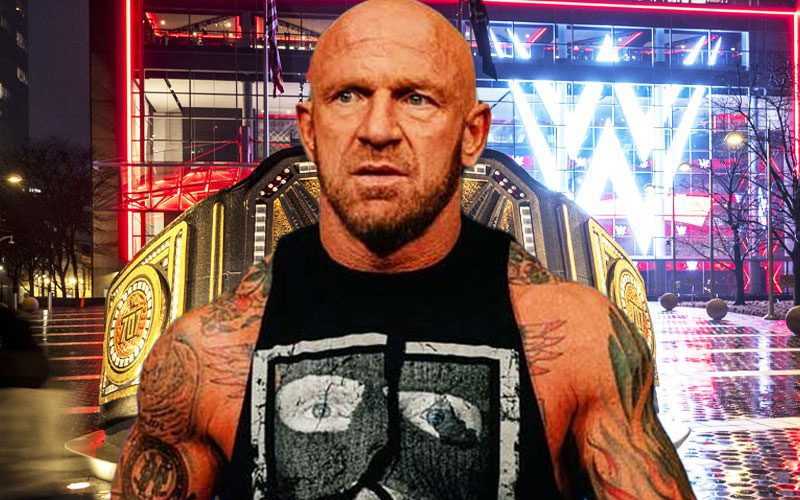
The statistical peak of a methodical era
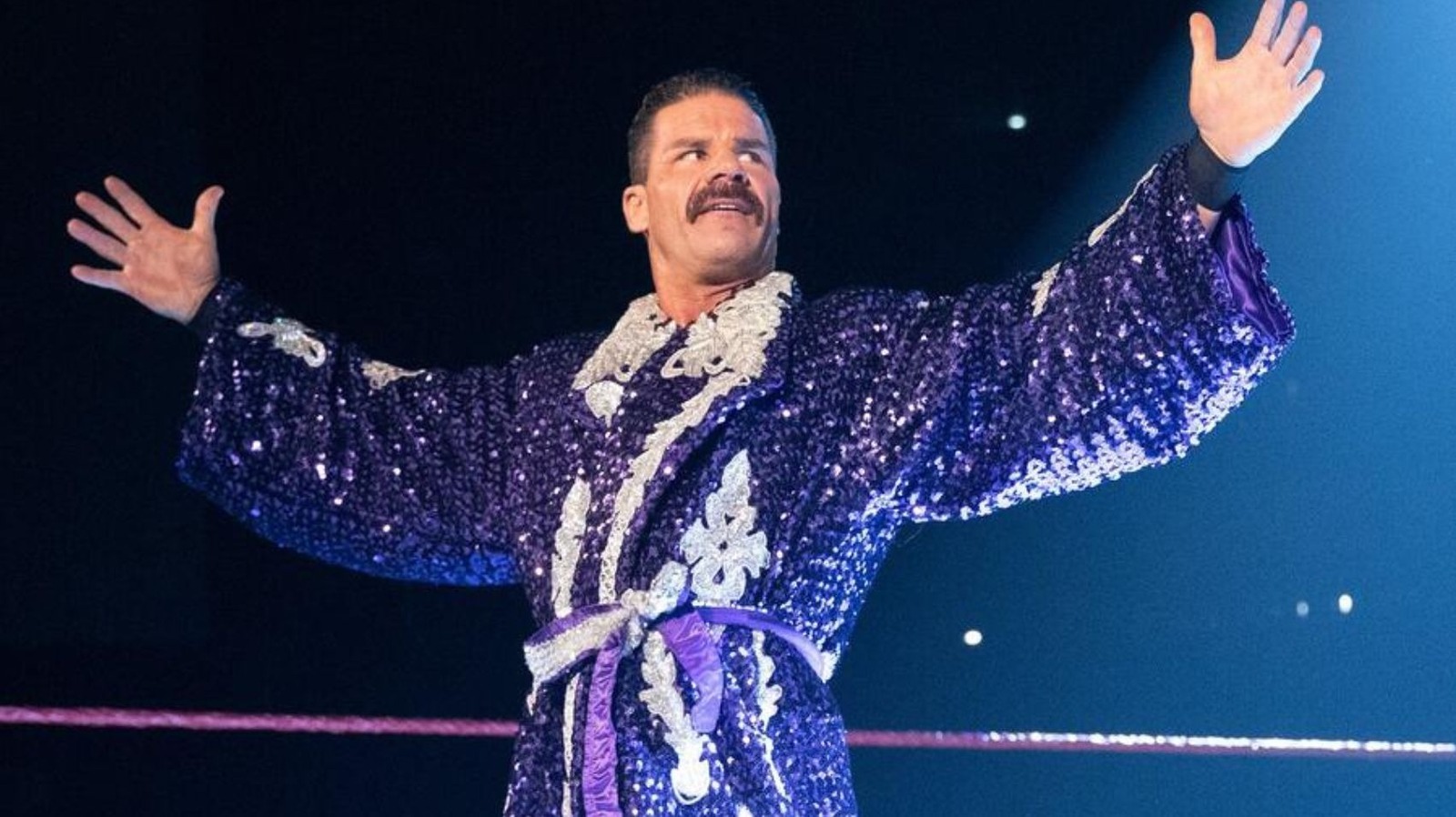
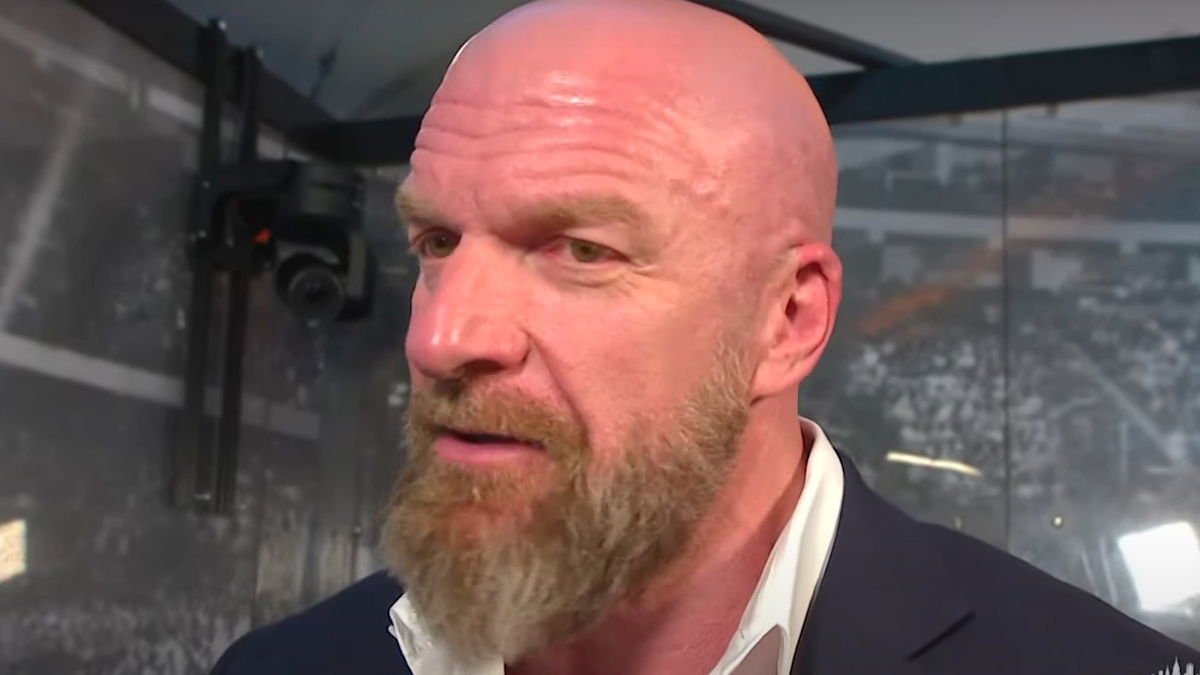
In the high-velocity world of professional wrestling, Bobby Roode has always been a mathematical outlier. While the modern industry pivots toward high-spot density and rapid-fire transitions, Roode’s career has been defined by the luxury of time. Before Triple H recently reflected on Roode’s growth into a production role, the numbers already told a story of a man who understood the architecture of a match better than almost any of his contemporaries. His 12-year tenure in TNA wasn't just about longevity; it was about the efficiency of his movement and the deliberate pacing that allowed him to hold the TNA World Heavyweight Championship for 256 days, a record that stood as a benchmark for technical consistency.
When Roode migrated to WWE in 2016, he didn't just bring a catchy entrance theme. He brought a statistical blueprint for how to carry a brand. His NXT Championship reign lasted 202 days, characterized by an average match length of 18 minutes and 42 seconds in televised title defenses. This wasn't accidental. Roode’s style was built on the 'Southern' methodology—slow burns, logical heat segments, and a focus on the 'why' rather than the 'how.' It is this specific intellectual property that Triple H is now harvesting for the WWE production team as the company prepares for the logistical gauntlet of WrestleMania 41 in Las Vegas.
From 256 days to 202 days: The championship blueprint
To understand why Triple H views Roode as a vital asset in the headset, one must look at the consistency of his win-loss metrics during his developmental peak. In NXT, Roode maintained an 81.2% win percentage across all televised appearances. He wasn't just a placeholder; he was a focal point whose presence coincided with a 14% uptick in live event attendance during his time as the touring champion. He proved that a performer could be 'Glorious' without sacrificing the gritty, tactical reality of a wrestling match. He was the bridge between the old-school heel psychology of the 1980s and the glossy, corporate presentation of modern-day WWE.
The Main Roster ceiling and the data of decline
However, the transition to the main roster provides the necessary critical observation for this analysis. The data suggests that Roode’s in-ring value was systematically diminished by a creative department that prioritized his 'Glorious' branding over his tactical output. Upon his arrival on SmackDown, Roode’s win percentage plummeted to 47.8% over his first two years. Despite winning the United States Championship and multiple Tag Team titles, the underlying stats revealed a stagnation. He went from being a 20-minute-per-night main eventer in NXT to a 6-minute mid-card specialist on Raw and SmackDown.
Perhaps the most damning statistic of Roode’s main roster run was the number of world title opportunities he received on pay-per-view. That number is Zero. Despite his championship pedigree in other organizations and his dominance in NXT, the main roster machine viewed him as a reliable hand rather than a top-tier threat. This ceiling wasn't a reflection of his talent, but rather a failure of the booking to leverage his specific skill set—the ability to tell complex stories through pacing. As a producer, Roode is now tasked with ensuring that the next generation of stars doesn't suffer from the same statistical dilution that hampered his own run in the prime of his physical career.
Roode’s growth from a star to a producer isn't just about a change in job title; it's about the preservation of wrestling IQ in an era of increasing automation.
The pivot to production was ultimately forced by biology rather than choice. In late 2022, Roode underwent a complex spinal fusion surgery, specifically targeting his C5-C6 and C6-C7 vertebrae. For a man whose entire career was predicated on the 'grind' of the ring, this was a definitive hard stop. The 514-day gap between his final match and his official transition into the production office was a period of forced evolution. Triple H’s comments regarding Roode’s growth reflect a veteran who didn't just sit at home during his recovery but instead dissected the product from a new perspective, trading his boots for a stopwatch and a headset.
Triple H's new tactical architect
The producer role in WWE is often misunderstood by the casual viewer. It is a job of fractions and seconds. A producer is responsible for the timing, the camera angles, the commercial break transitions, and the emotional beats of a match. For a tactical analyst like Roode, this is a natural progression. He is now applying the same 12-year logic he used in TNA to help talent navigate the 'Levesque Era' of WWE, which has seen a marked increase in match length and clean finishes. Under Triple H, the average Raw match has increased from 7 minutes in 2021 to nearly 11 minutes in 2026, creating a vacuum for producers who understand how to fill that extra time with meaningful action.
Why the producer role suits a 48-year-old veteran
At 48, Roode is exactly the kind of mind WWE needs to stabilize its mid-card. His 'growth' is evidenced by his ability to step back and critique the very system that failed to utilize him correctly. He is now the one in the ear of the referee, ensuring that a hot tag happens at the 12-minute mark rather than the 9-minute mark to maximize the crowd reaction. He is using his own historical data—the highs of his 256-day reign and the lows of his main roster win-loss record—to guide younger wrestlers through the pitfalls of the industry.
- Roode's transition ensures that the 'Art of the Heel' remains a core component of the WWE product.
- His technical background allows him to troubleshoot complex sequences that other producers might shy away from.
- The proximity to Triple H suggests a long-term trajectory that could see Roode move into a head of talent development role.
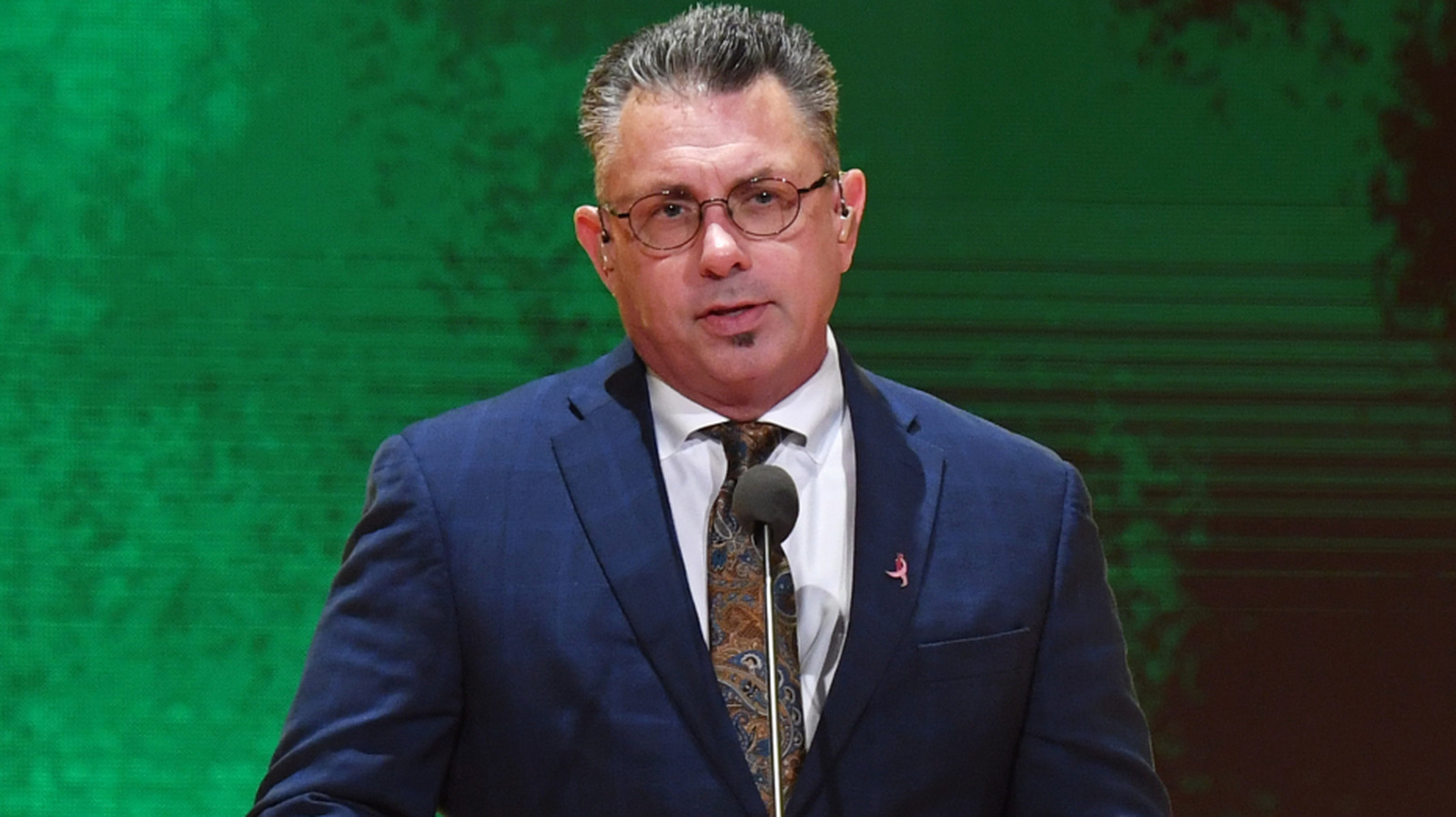
The transition is also a sign of a broader shift in WWE's internal culture. In previous decades, retired veterans were often discarded or relegated to the legends' circuit. Now, there is a clear pipeline for 'High-IQ' wrestlers like Roode, Jason Jordan, and Adam Pearce to move directly into management. This creates a feedback loop of experience that is statistically measurable in the improved match quality across the board. The 'Glorious' era of Bobby Roode as a performer may be over, but his statistical impact on the matches we will see at WrestleMania 41 is only just beginning to be felt. It is a transition defined not by the loss of an athlete, but by the gain of an architect.
Read Next
- Triple H admits the WWE booking machine is basically a chaotic mess
- Triple H playing it cool about Cody’s throne smash is the ultimate power move
- WrestleMania 41 in Las Vegas is Cody’s chance to end the Roman era for good
- Triple H finally admits the Levesque Era started with Vince's hand on the wheel
- 🏆 WrestleMania 41 — Full Coverage Hub