The Shifting Geography of the Developmental Brand
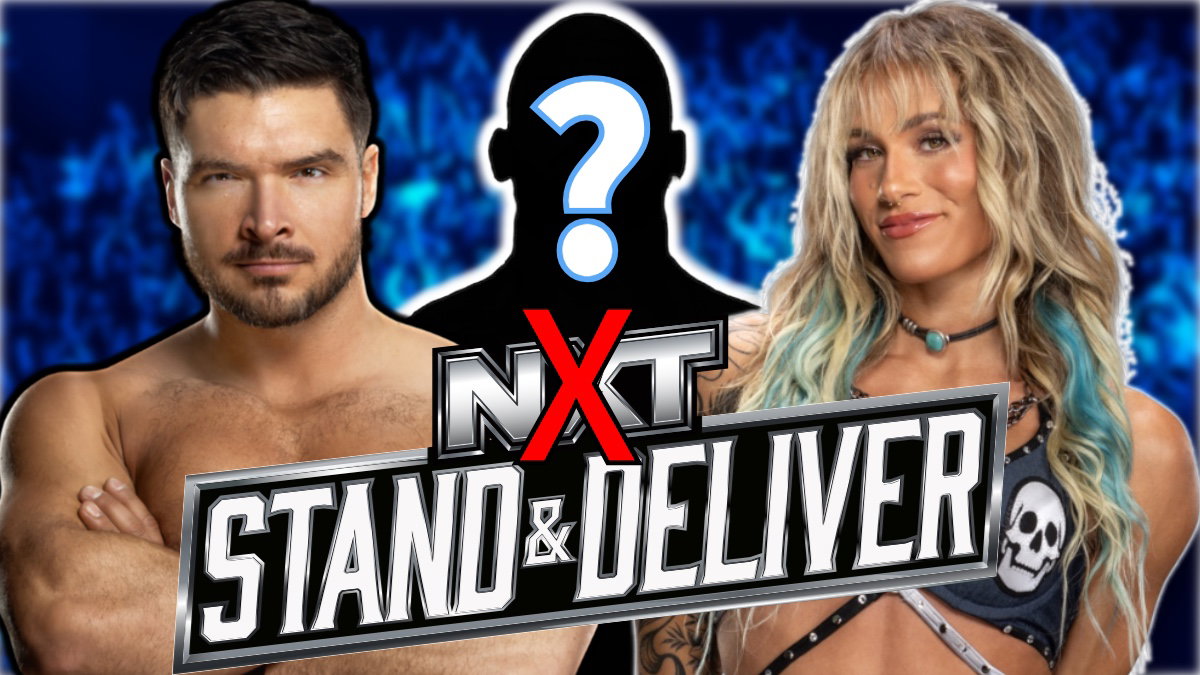
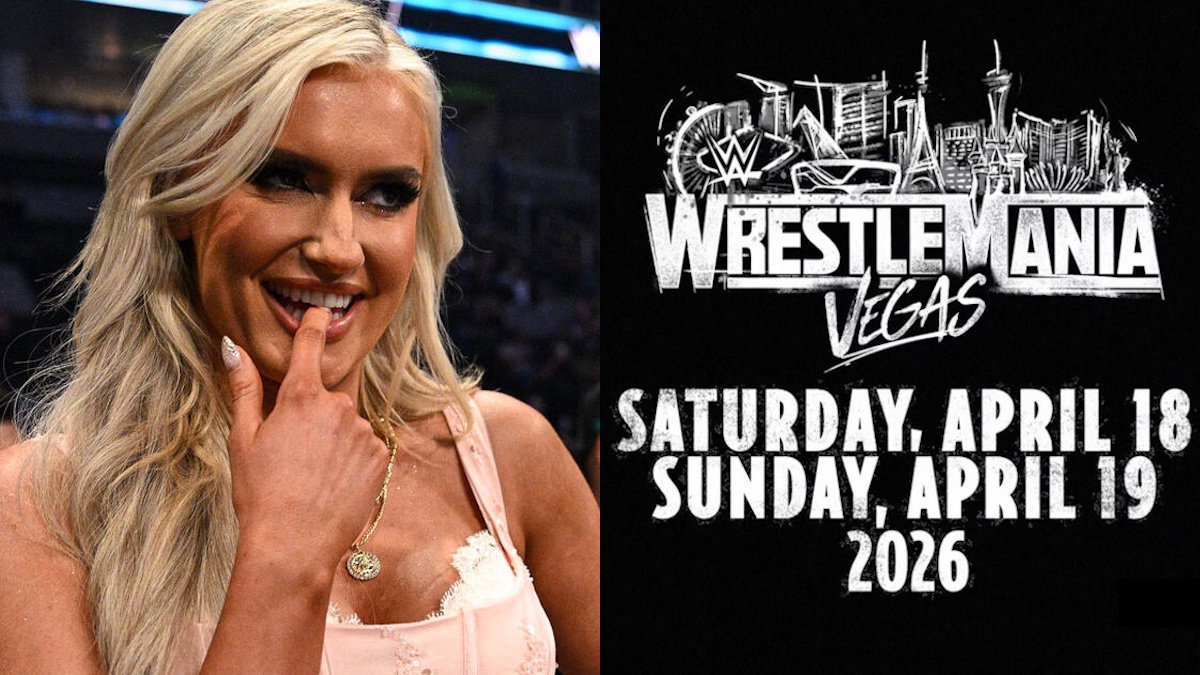
The decision to decouple NXT Stand & Deliver from the traditional WrestleMania weekend schedule marks a hard pivot in WWE’s developmental strategy. For years, the Saturday morning matinee served as a high-octane appetizer for the stadium show that followed. It provided a surge of energy, but it also forced the NXT roster to compete for hotel rooms, media attention, and physical space in a city already bursting at the seams.
As Blake Monroe recently shared, the move allows the brand to breathe. When you are performing in the shadow of Allegiant Stadium, everything feels like a warm-up act. By moving Stand & Deliver to its own window, WWE is signaling that the white-and-gold brand is no longer a dependent entity. It is an independent touring product capable of anchoring its own weekend without the safety net of the main roster travel packages.
Critics will argue that the 'WrestleMania bump' is essential for ticket sales. They point to the thousands of international fans who fly in for the big show and attend every peripheral event. However, this creates a false economy. If NXT cannot draw five thousand fans on its own merit in a wrestling-heavy market, then the 'third brand' experiment has failed. Blake Monroe’s defense of this move isn't just corporate loyalty; it is a tactical assessment of how to build a sustainable audience that values the NXT product for what it is, rather than what it precedes.
The Monroe Doctrine and the Doxxing Controversy
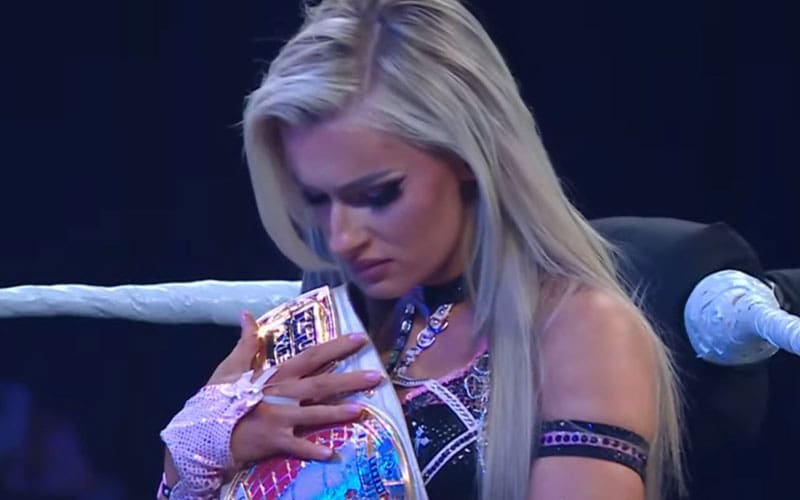
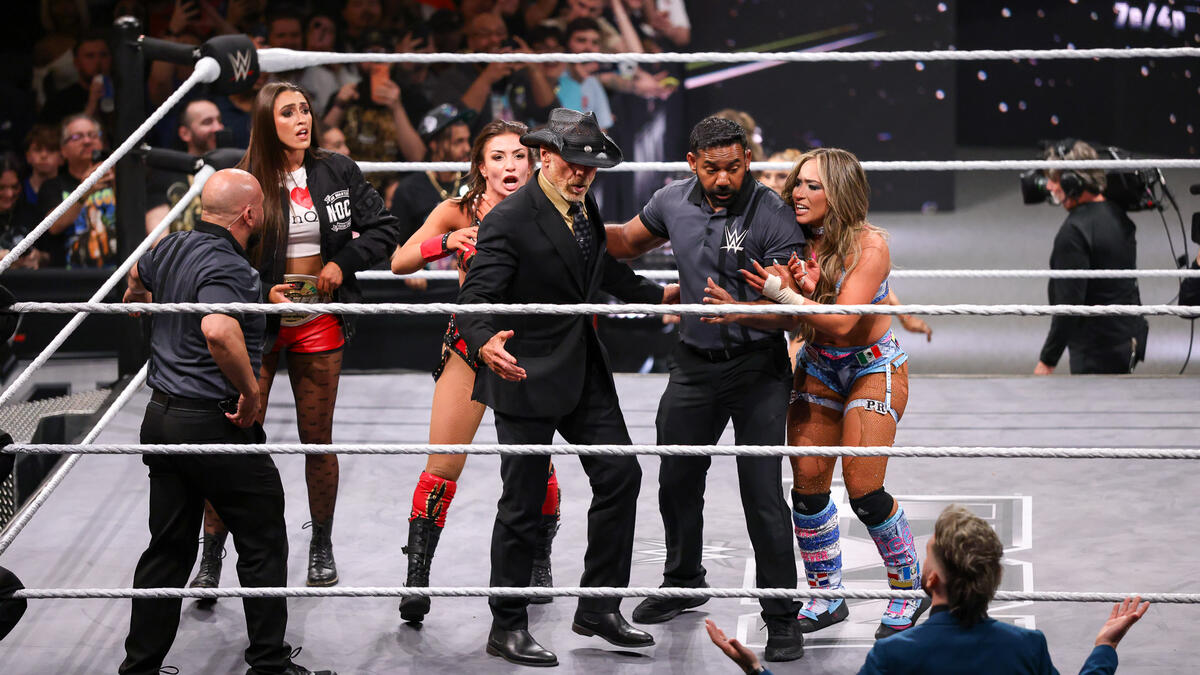
Tactically, Blake Monroe has become the focal point of the NXT women’s division, but her recent trajectory has been marred by outside interference. The ring work is as crisp as ever, yet the narrative has shifted into a darker, more personal territory. Ringside News reported that Monroe was allegedly doxxed by a rival prior to a surprise run-in. This is a massive departure from the standard 'you stole my title' tropes we usually see in Florida.
When a rivalry moves into the realm of real-world security breaches, the psychology of the match changes. We saw this at the 12-minute mark of her last televised bout. Monroe wasn't just working the arm; she was aggressive in a way that bordered on reckless. The spacing was tight, the strikes were stiff, and there was a visible lack of the usual 'sports entertainment' polish. It felt like a fight because, for Monroe, it clearly is one.
The antagonist in this scenario—whom Monroe has pointed the finger at following the doxxing incident—has successfully gotten under her skin. From a tactical standpoint, this is a dangerous game for Monroe. She thrives on precision. Her counter-wrestling relies on reading her opponent's center of gravity and exploiting it. If she enters Stand & Deliver with her head clouded by anger over a privacy breach, her timing will suffer. We have already seen her miss a pivotal rope-break because she was too busy chirping at the entrance ramp.
Analyzing the Tactical Shift in the Ring
Watch the footage from three weeks ago. Monroe’s transition from a standard snapmare into a grounded octopus stretch usually takes 1.4 seconds. In her most recent match, that transition slowed to nearly two seconds. That half-second is the difference between a submission victory and a reversal. Her footwork is becoming heavy, a byproduct of the mental fatigue that comes with being targeted outside the ring.
Despite these distractions, Monroe remains the most technically sound athlete on the roster. Her ability to chain wrestle is reminiscent of the mid-2000s independent scene. She doesn't just 'hit moves'; she builds a logical progression of damage. If she’s working the neck, every subsequent slam, stretch, and strike is focused on the cervical spine. It is a methodical, almost clinical approach to professional wrestling that we rarely see in the 'highlights-first' era of social media.
However, the doxxing incident has introduced a variable that Monroe’s technical prowess cannot easily solve. You can’t out-wrestle a stalker. You can’t apply a crossface to a deleted tweet. The psychological toll of having your location compromised is a legitimate grievance, and Monroe’s defense of the brand suggests she is trying to keep the focus on the ring, even as the walls close in around her personal life.
The Standalone Gamble: Risk vs. Reward
Let’s be critical for a moment. Moving Stand & Deliver away from WrestleMania 41—which is now just 20 days away—is a massive gamble for WWE. The Allegiant Stadium crowd is expected to be one of the largest in the company's history. By pulling NXT out of that ecosystem, they are betting that the hardcore fans will follow the brand to a different city or a different weekend. This is a risk that could backfire if the gate numbers don't meet expectations.
There is also the issue of momentum. WrestleMania weekend is a centrifugal force. Everything around it gets faster and louder. By stepping outside that circle, NXT risks feeling 'smaller.' Blake Monroe argues the opposite—that the brand feels 'bigger' because it doesn't need the help. But the reality is that many fans view NXT as a bridge to the main roster. If the bridge is moved ten miles downstream, some fans might just decide to wait on the other side.
The production costs of running a standalone PLE are also significantly higher. You aren't sharing the ring, the lighting rig, or the security staff with SmackDown and Raw. You are paying full price for everything. This puts immense pressure on the talent to deliver a 9.5/10 show every single time. There is no room for a 'miss' when you are the only show in town. Monroe knows this, which is likely why she has been so vocal in her defense of the new schedule.
A Prediction for the Monroe Redemption
Looking ahead to the upcoming clash, the path for Blake Monroe is clear but difficult. She has to find a way to separate the personal violation of the doxxing incident from the professional requirement of the Stand & Deliver main event. If she can regain that 1.4-second transition speed and stop looking at the curtain, she is nearly unbeatable. Her technical base is too deep for most of the roster to overcome in a twenty-minute window.
The rivalry has reached a boiling point where a standard wrestling match might not be enough. I expect this to evolve into a 'No Disqualification' environment where Monroe can vent her frustrations without the restriction of the rulebook. It is a environment she hasn't explored often, but her background in catch-wrestling suggests she will adapt quickly. If she can secure the win, she solidifies her spot as the face of the 'new' standalone NXT.
My prediction: Monroe will secure the victory via a modified ringside submission at the 18-minute mark. She won't wait for the referee to start the count; she will go for the kill early. The victory will be decisive, but the fallout from the doxxing will likely haunt the division for months. This isn't just about a title anymore; it's about the security of the locker room and the future of a brand trying to prove it can stand on its own two feet.
I am not here to be a footnote on someone else's weekend. NXT is a destination, and if we have to move the map to prove it, that's exactly what we will do.
WrestleMania 41 might be the 'Grandest Stage of Them All,' but for Blake Monroe and the NXT roster, Stand & Deliver is the only stage that matters. The gamble has been placed. Now we see if the talent can cash the check.