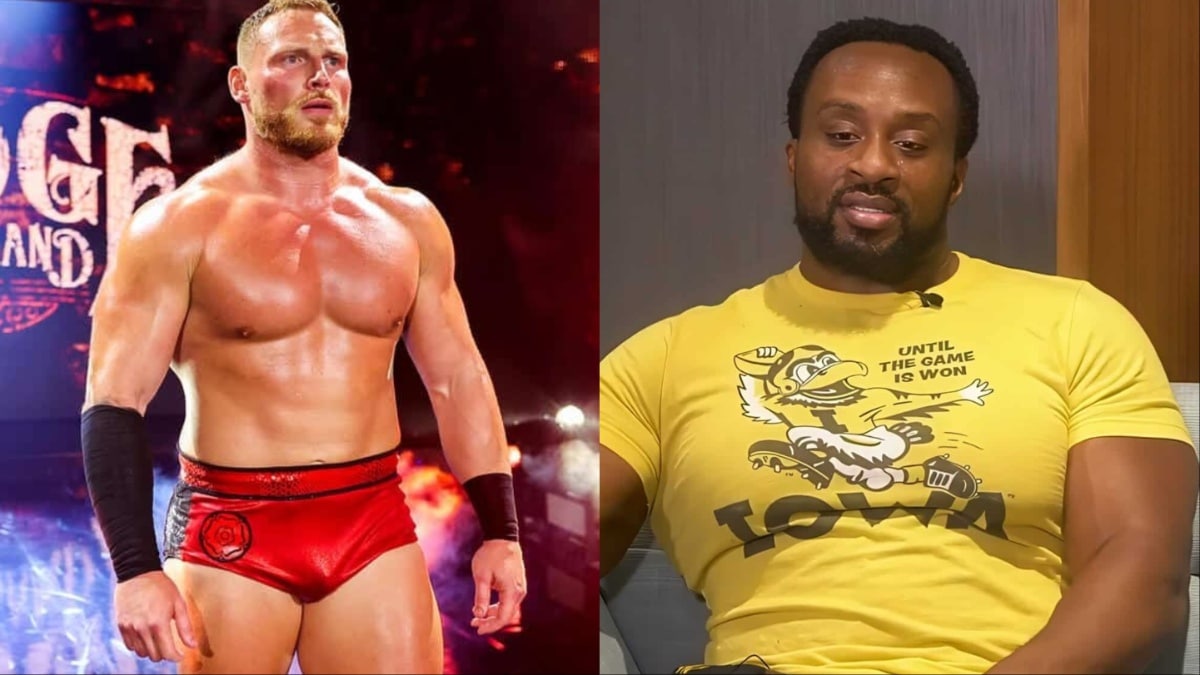
The shadow of Birmingham
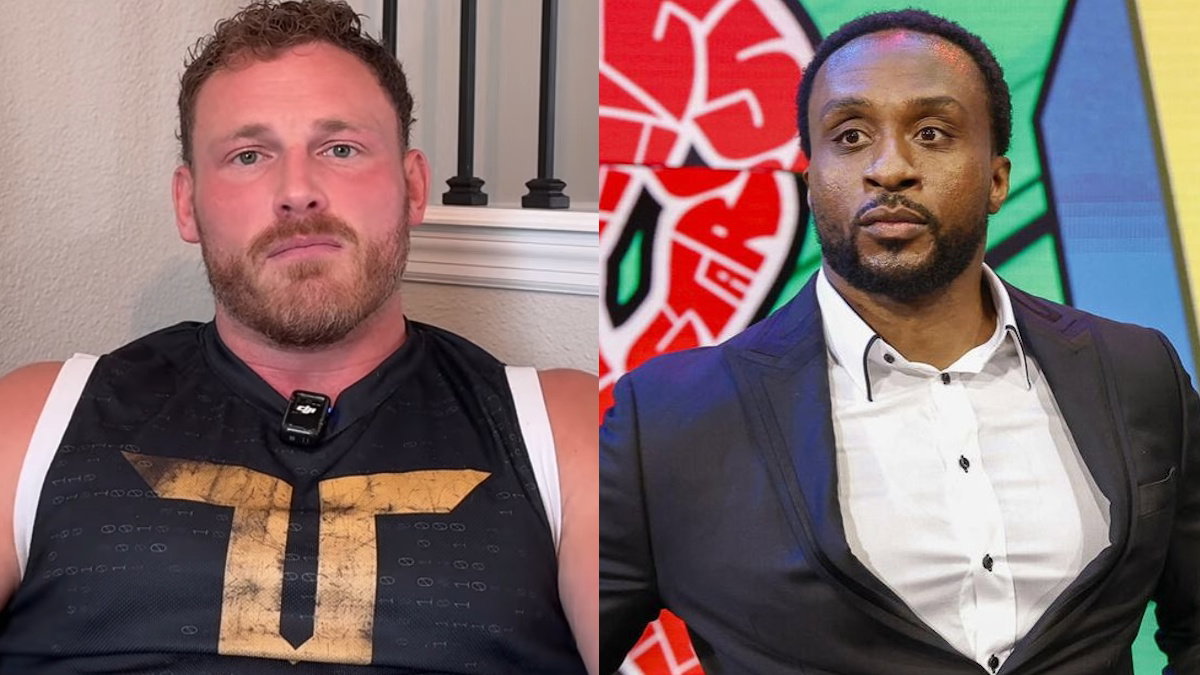
Big E has not stepped inside a wrestling ring for a sanctioned match in over four years. The date was March 11, 2022, and the location was a standard episode of Friday Night SmackDown in Birmingham, Alabama. A routine overhead belly-to-belly suplex on the floor went wrong, and the former WWE Champion landed directly on the crown of his head.
The medical reality was staggering. Big E suffered fractures to his C1 and C2 vertebrae. In the medical world, a C1 fracture is often referred to as an Atlas fracture because that bone supports the weight of the skull. A break here is frequently fatal or leads to permanent quadriplegia. Big E survived, but his career remains in a state of permanent suspended animation.
While Big E has remained the consummate professional in public, the man on the other side of that suplex is finally speaking out. Ridge Holland, who was released from his WWE contract earlier this year, has made waves by suggesting his treatment following the accident was anything but supportive. He believes the power structure at the time made his life difficult as a direct result of the high-profile injury.
The psychological price of a freak accident
As F4WOnline reported, Holland believes that Vince McMahon and Bruce Prichard specifically targeted him after the Big E incident. Holland’s perspective suggests that instead of seeing a young talent struggling with the guilt of a career-altering accident, management saw a liability. This isn't just about a missed spot; it's about how a billion-dollar machine processes human error.
The mechanics of the move were simple enough. Holland is a powerhouse, and the belly-to-belly is a staple of his arsenal. But on the thin mats of the ringside floor, there is zero margin for error. When Big E didn't get enough rotation, the physics of the fall dictated the outcome. Holland was immediately labeled 'unsafe' by a vocal segment of the internet, a tag that management seemingly did little to shield him from.
Holland’s claim that he was 'messed with' by the highest levels of WWE leadership paints a grim picture of the locker room culture. It suggests a reactive environment where talent is discarded or punished to appease corporate optics. If Holland felt he was being set up to fail, it explains his eventual spiral and departure from the main roster back to NXT before his ultimate exit.
The Signal problem and the lack of transparency
The timing of Holland’s comments coincides with a broader look at how Vince McMahon conducted business during that era. Legal filings in a separate shareholder lawsuit have revealed that McMahon was a 'prolific texter' who frequently used the encrypted messaging app Signal. As WrestlingNews.co detailed, his lawyers are now defending the use of auto-deleting messages.
For a talent like Holland, this lack of a paper trail is devastating. If management was indeed making life difficult for him through subtle booking shifts or backstage cooling, there is likely no record of those directives. The use of Signal effectively erases the 'why' behind many career-killing decisions made during the final years of the McMahon regime. It creates a vacuum where accountability goes to die.
This corporate opacity trickles down to the medical side as well. WWE has a history of keeping injury timelines vague to protect storylines, but with Big E, the silence has been deafening. We are now past the 1,500 day mark since the injury occurred. While Big E has posted videos of himself training, the bone-on-bone fusion required for a return to a high-impact environment has never been publicly confirmed by a surgeon.
Historical precedents and the safety double standard
Wrestling history is littered with neck injuries, but the handling of the Big E situation feels different. When Owen Hart broke Stone Cold Steve Austin’s neck at SummerSlam 1997, the company rode the wave of Austin’s popularity to the Attitude Era. When D'Lo Brown paralyzed Droz in 1999, the incident was largely swept under the rug as a tragic accident. In 2022, the reaction was a weird middle ground of public sympathy for the victim and private punishment for the perpetrator.
The critical observation here is the inconsistency. Other wrestlers have injured peers and been rewarded with championship pushes shortly after. Holland, however, was treated like a pariah. This suggests that the 'messed with' theory has legs. WWE’s internal politics often dictate who is allowed to be 'unsafe' and who is used as a sacrificial lamb for the sake of a PR narrative.
We have seen this play out with the 'Muscle Buster' and Tyson Kidd, an injury that effectively banned Samoa Joe's finishing move for years. But Joe was an established star; Holland was a newcomer. The power dynamic ensured that Holland would carry the weight of the Birmingham incident far longer than the physical scars would last on Big E’s medical charts. It’s a cynical way to run a talent-based business.
The strategic fallout for the New Day
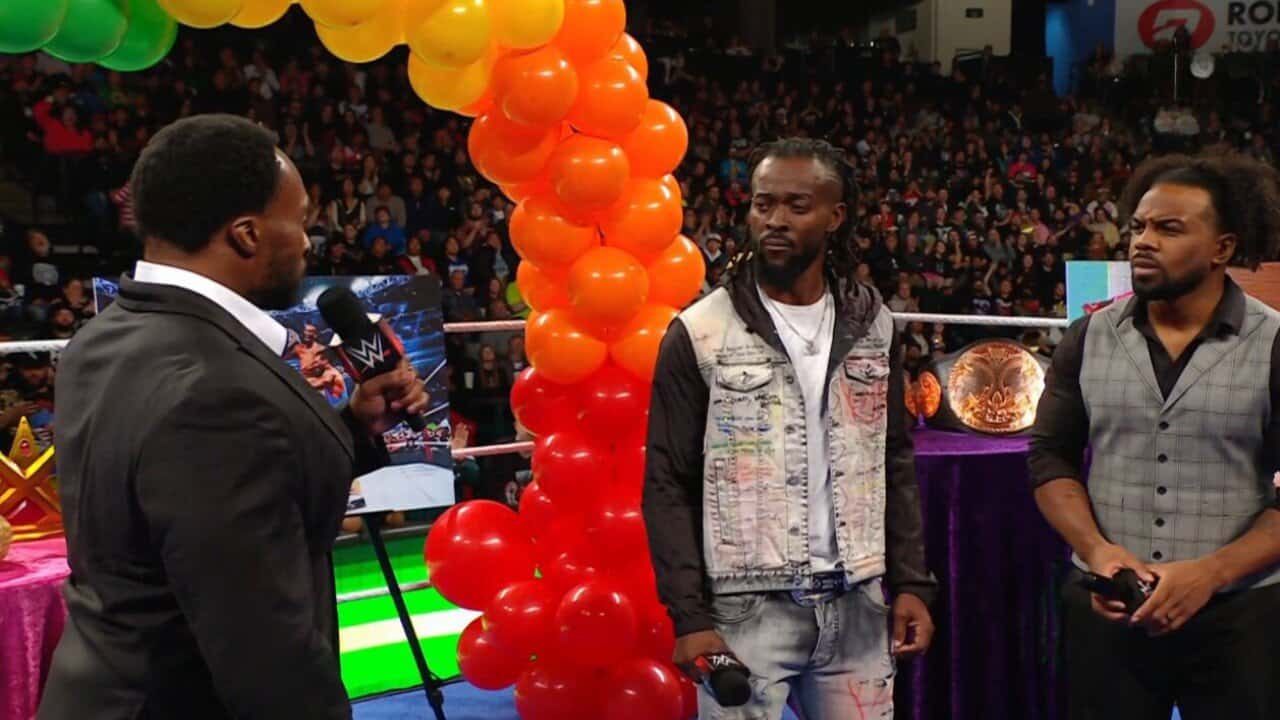
The injury didn't just affect two men; it crippled the most successful trio in modern WWE history. The New Day was reduced to a duo, and the dynamic never truly recovered. Kofi Kingston and Xavier Woods have done their best to maintain the brand, but the absence of their powerhouse anchor has left a hole in the tag team division that remains unfilled in 2026.
From a strategic standpoint, WWE’s refusal to officially 'retire' Big E keeps the fans in a state of false hope. It’s a marketing tactic that feels increasingly cruel as the years tick by. By not providing a definitive medical update, they keep his merchandise moving and his name in the mix, even if the chance of him taking another suplex is essentially zero percent. It is brand management over human management.
Ultimately, the Big E injury is a case study in the risks of the modern style and the failures of the old-school management. Ridge Holland’s revelations serve as a reminder that when the cameras stop rolling, the fallout of a medical catastrophe is often managed with the same ruthlessness as a contract negotiation. The 800 days Holland spent trying to outrun that one night in Birmingham were clearly not enough to save his career in the eyes of Vince McMahon.