The C1 Fracture and the Conservative Healing Path
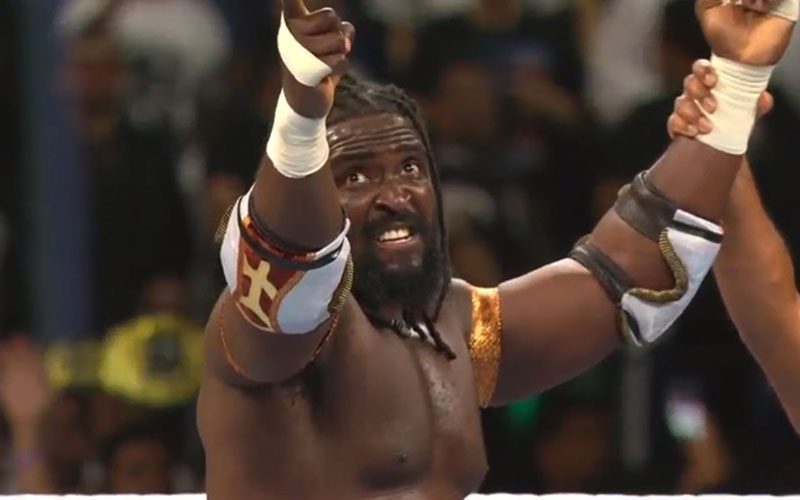
The in-ring career of former WWE Champion Big E is officially over, cementing a permanent transition out of the squared circle for one of the modern era's most popular powerhouses. Speaking on the Insight with Chris Van Vliet podcast yesterday, the veteran performer was described as a retired star, putting to rest any lingering rumors of a miracle comeback. His decision prioritizes long-term physical health over the dangerous gamble of a return following a fractured neck.
The powerhouse suffered a fractured neck in March 2022 during a live SmackDown broadcast. Since then, fans have held out hope for a return that medically makes zero sense. The reality of his injury is far too severe for another match.
The injury occurred during a tag team match when Big E took an overhead belly-to-belly suplex on the floor from Ridge Holland. He landed directly on his head on the thin ringside padding. The impact immediately fractured his C1 and C6 vertebrae.
A C1 vertebra fracture is one of the most dangerous injuries an athlete can survive. The C1, or atlas, supports the skull and surrounds the brainstem. A displacement of even a few millimeters can cause instant death or permanent quadriplegia.
Unlike other wrestlers who underwent surgical fusion, Big E chose to let his neck heal conservatively. This means his bones mended naturally without metal plates. While this preserves neck mobility, it leaves the structure highly vulnerable to high-impact trauma.
Modern professional wrestling demands high-velocity bumps that a compromised C1 vertebra simply cannot absorb. One bad landing from a routine suplex could end his life. Walking away from the ring is his only logical option.
The strategic shift of The New Day and Catchphrase Legacy
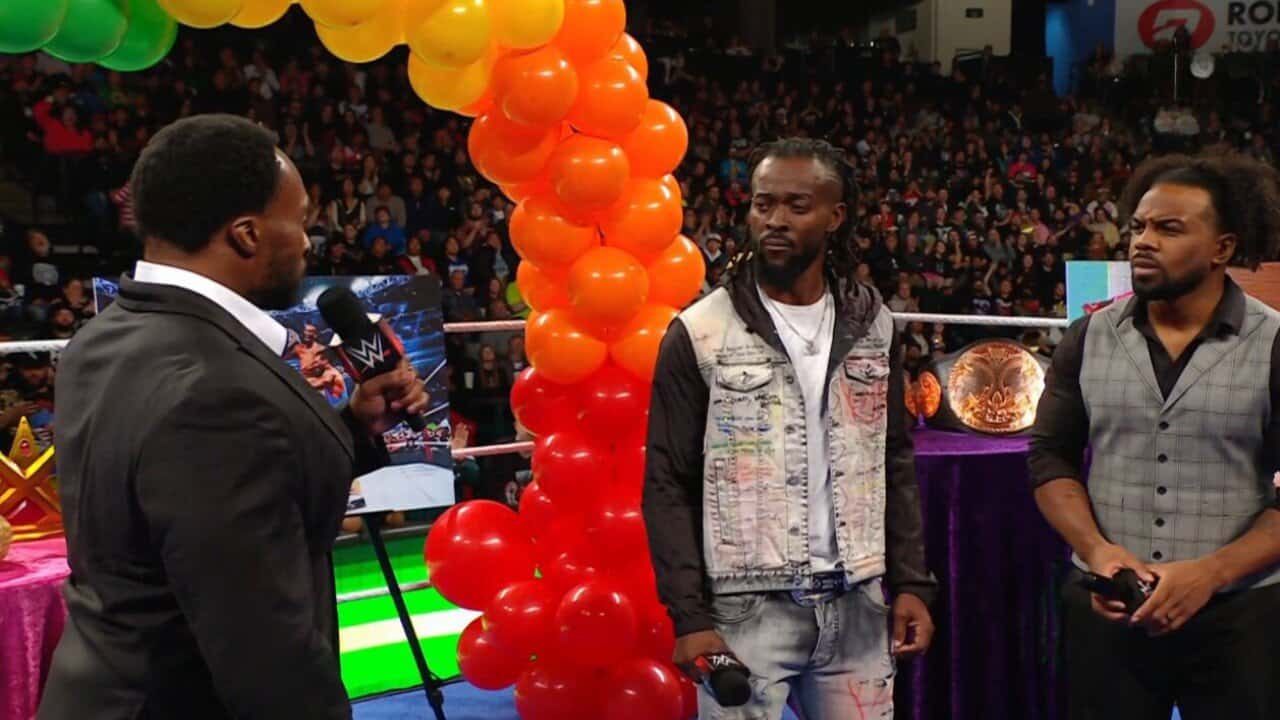
This retirement permanently alters WWE's long-term tag team division. The New Day, consisting of Big E, Kofi Kingston, and Xavier Woods, was the most successful trio in modern WWE history. Now, Kingston and Woods are forced to operate permanently as a duo.
The trio's chemistry was anchored by their iconic entrance. As WrestlingNews reported, their famous 'Don't you dare be sour' intro grew out of a collaboration with composer Jim Johnston. They wanted an entrance that was instantly recognizable to the live audience.
Big E initially tried to create city-specific rhymes on the road, but working five nights a week made that impossible. The trio decided that 'feel the power' was a strong catchphrase. They worked backward from there to create the sour rhyme.
The catchphrase has allowed Big E to build a successful career outside the ring. He has used the line for NASCAR introductions and boxing walkouts, including ring entrances for Shawn Porter. It has also made him a popular figure on Cameo.
In a move that highlights his character, Big E donates his Cameo proceeds entirely to charity. He previously raised more than $30,000 for Feeding America. He now directs those funds to the National Alliance on Mental Illness.
While Big E's post-wrestling life is inspiring, the circumstances of his injury expose a major flaw in WWE's safety culture. The promotion continues to allow high-risk moves on the concrete floor with minimal protection. Ridge Holland's execution of the overhead suplex was reckless, and WWE's failure to ban such floor bumps is highly questionable.
Historical Precedents and WWE's Safety Culture
Professional wrestling has a dark history of performers rushing back from neck injuries. Stone Cold Steve Austin returned just months after his neck was broken by a piledriver in 1997. That rushed comeback led directly to his early retirement in 2003.
Edge retired in 2011 due to cervical spinal stenosis, returning in 2020 after a major multi-level fusion. Tyson Kidd suffered a near-fatal spinal cord injury in 2015 and never wrestled again. Big E's permanent retirement aligns him with Kidd's cautious path.
Big E's career almost ended much earlier due to booking issues rather than injury. As detailed by Wrestling Inc, he was floundering in 2014 after his run as AJ Lee's bodyguard. WWE had no plans for him, and he was relegated to SmackDown-only tapings.
At the time, SmackDown-only bookings meant a talent was on the verge of being fired or sent back to developmental. CM Punk intervened behind the scenes, requesting a match with Big E on SmackDown. Punk did this without telling Big E, who only found out through AJ Lee.
When Big E later thanked him, Punk simply replied that talented people deserved an opportunity. That single match saved Big E's job and set up his first Intercontinental Championship run. Without Punk's quiet intervention, The New Day might never have existed.
The Modern Crossover and Joe Hendry's London Ambush
While Big E is retired, the physical risks of modern wrestling continue to affect new stars. TNA standout Joe Hendry has recently captured the wrestling world's attention with his crossover appearances. His popularity is driven by his self-made, catchy entrance music.
As explained by Wrestling Inc, Hendry's goal is to write songs that get the entire arena singing after hearing only half a chorus. He recently targeted Logan Paul with a viral diss track. He even plans to release a full wrestling album soon, following the standard set by John Cena.
His crossover success brought him to WWE Raw in London, where he performed his Logan Paul song. The segment ended in disaster when Austin Theory ambushed him in the ring. This ambush shows that even musical segments in modern wrestling carry real physical risk.
The contrast between Big E's quiet retirement and Joe Hendry's high-octane crossover highlights a major industry challenge. Promotions must balance the physical demands of live television with wrestler longevity. Big E's decision to walk away sets a vital precedent for the locker room.
Big E's career was defined by explosive power and genuine connection with the audience. While his in-ring journey is over, his neck health remains intact. In a business that often demands the ultimate sacrifice, Big E chose to live to fight another day outside the ring.