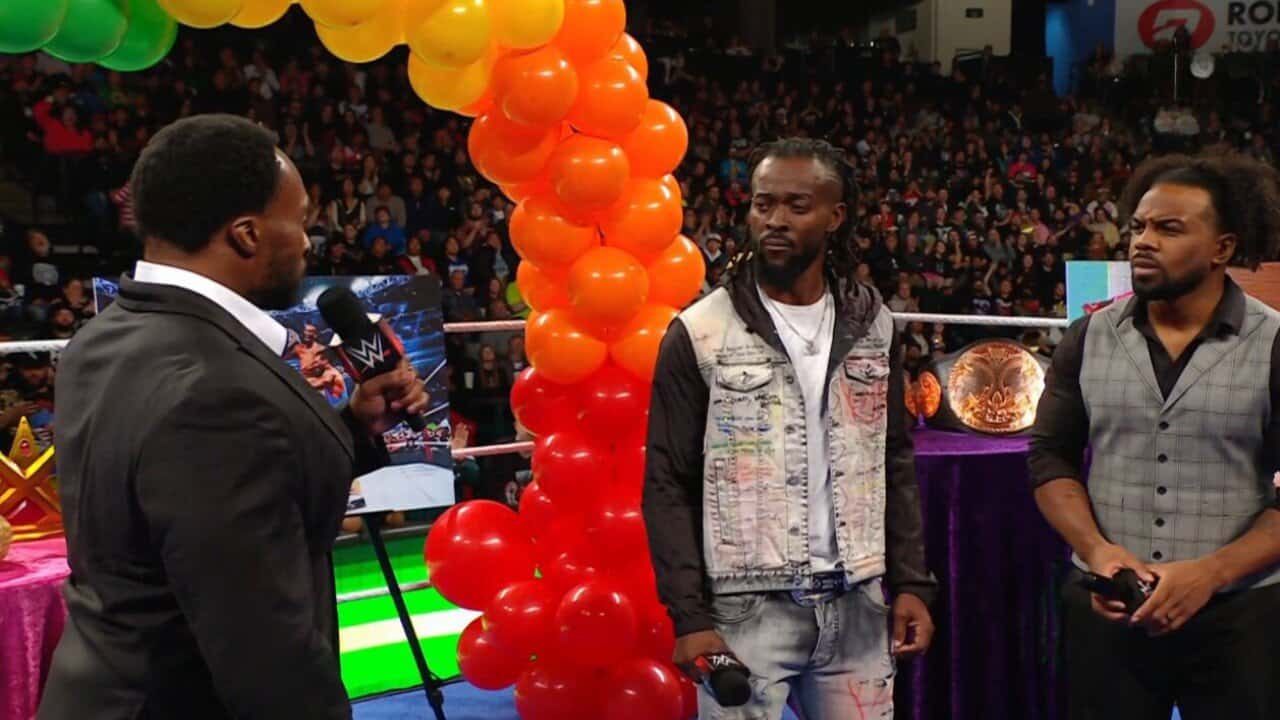
Big E remains sidelined as neck recovery continues
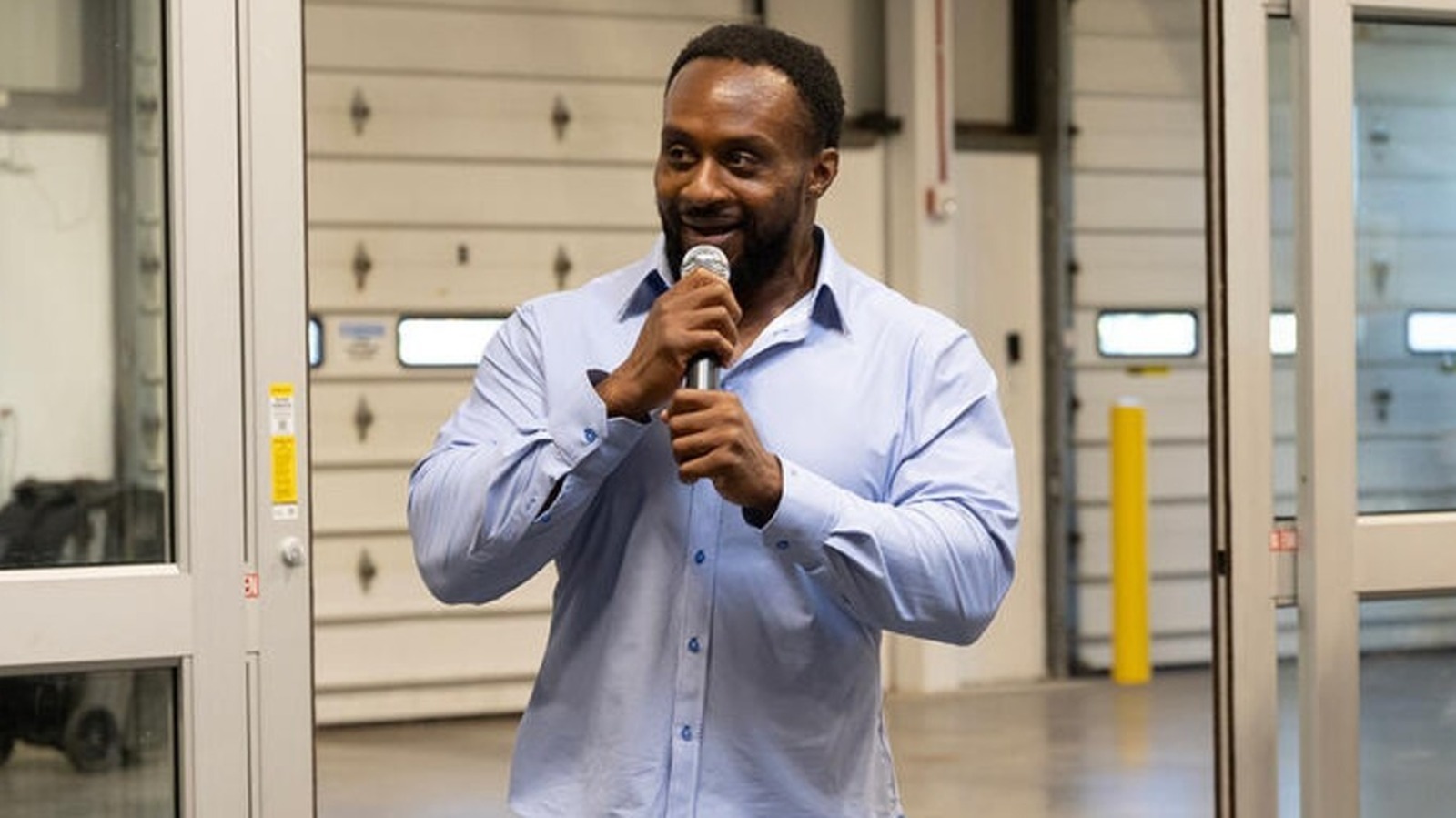
Big E’s road back to the squared circle remains a marathon, not a sprint. The former WWE Champion, who has been missing from active competition since sustaining a broken neck in March 2022, provided a sobering reality check on his current physical health. While his public presence has remained high, including a recent appearance at a TED Talk, his transition back to athletic competition is not on the immediate horizon.
The severity of his C1 and C6 vertebrae fractures continues to dictate every facet of his daily routine. Professional wrestling carries inherent risks, but Big E’s injury serves as a stark reminder of the long-term biological cost of high-impact maneuvers performed on a weekly basis. Though his condition has improved significantly to the point of normalcy in his personal life, a return to the bumping and grinding required for televised wrestling is a separate and far more dangerous hurdle.
The strategic void in the heavyweight division
The absence of such a high-caliber performer creates more than just an emotional void for the fanbase. WWE’s booking teams have had to account for a permanent shift in the heavyweight hierarchy over the last four years. When talent of this tier disappears from the roster, the company essentially loses a top-line anchor, forcing an over-reliance on emerging stars to carry the primary television slots.
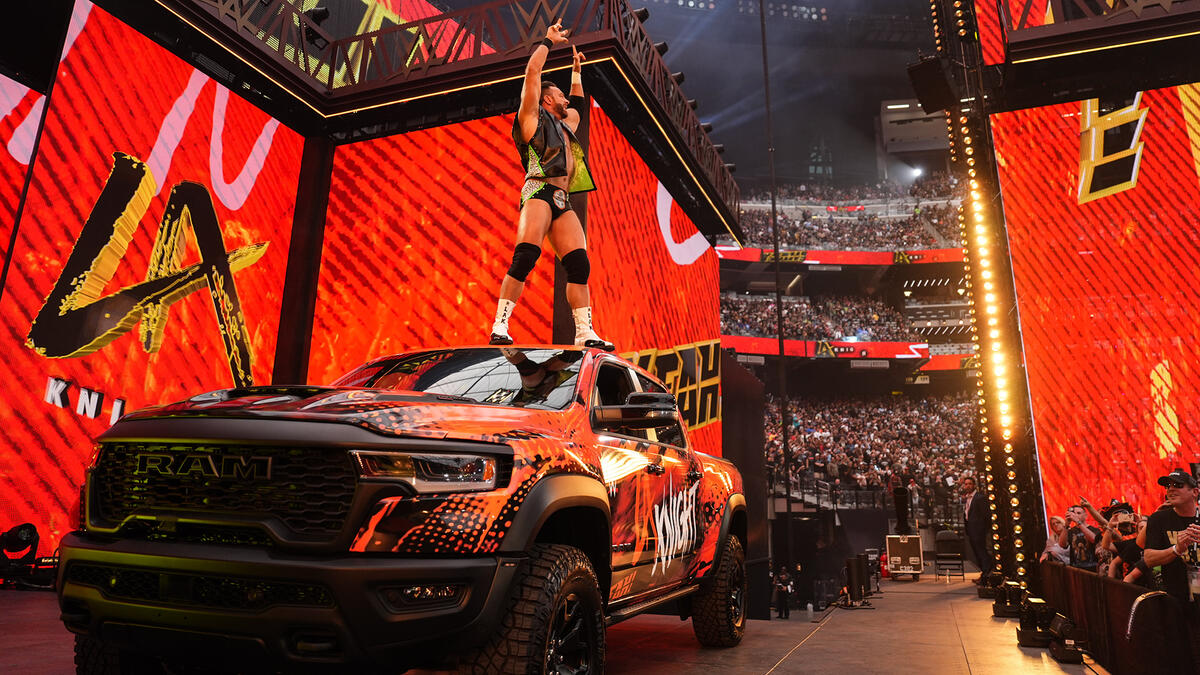
This shift has necessitated massive creative pivots across the entire product. As reported by F4WOnline, the industry continues to adjust to the evolving medical needs of its veteran stars. The reliance on legacy talent often masks the fact that the roster is constantly operating with several of its most experienced hands on the shelf. This puts immense, often unfair pressure on wrestlers like LA Knight, who recently voiced frustrations about his creative trajectory as a performer currently stuck in a cycle of rotational booking.
Comparing past recoveries and the risks involved
Historically, catastrophic neck injuries in professional wrestling have served as career-ending milestones for the vast majority of performers. Figures like Edge and Kurt Angle famously navigated similar issues, utilizing extensive rehabilitation and surgical intervention to squeeze more time out of their bodies. However, each recovery process is inherently unique based on the specific vertebrae involved and the impact on the spinal cord itself.
Big E is not rushing his decision, which is the most logical path forward. The temptation to force a return often leads to repeat injuries, which in a worst-case scenario, turn manageable setbacks into life-altering catastrophes. Fans looking for a return date will find none, as medical clearances for this level of damage are rarely guaranteed until the very last second.
Broader industry impact and management
The scheduling fatigue mentioned in recent SmackDown production reports highlights a recurring tension: the demand for expanded television hours versus the physical preservation of the workforce. When shows stretch into three-hour blocks, the number of required physical bumps increases. This compounding effect inevitably strains the medical staff and limits the lifespan of even the healthiest performers.
As the company prepares for upcoming international events, the focus remains on keeping existing talent free of injury. Big E’s situation serves as the ultimate cautionary tale for management. For now, the roster must continue filling the space left by a former champion while he remains sidelined, proving that the wrestling industry is fundamentally built on the ability to survive the absence of its biggest names.
Total accumulated time off for Big E has now exceeded 1,500 days since his incident. That is an enormous stretch that has effectively closed the door on a generation of potential programs. Whether he steps back into the ring or moves permanently into outside ventures remains secondary to his ability to live a pain-free life, an objective that all parties involved seem to prioritize over any immediate creative comeback.