The shadow of the old guard
The business of professional wrestling has always been built on a precarious internal logic. You are only as valuable as your last segment, and your physical availability is the primary currency. For years, the industry operated under a mandate of total availability. Stepping away was viewed as a career-ending move.
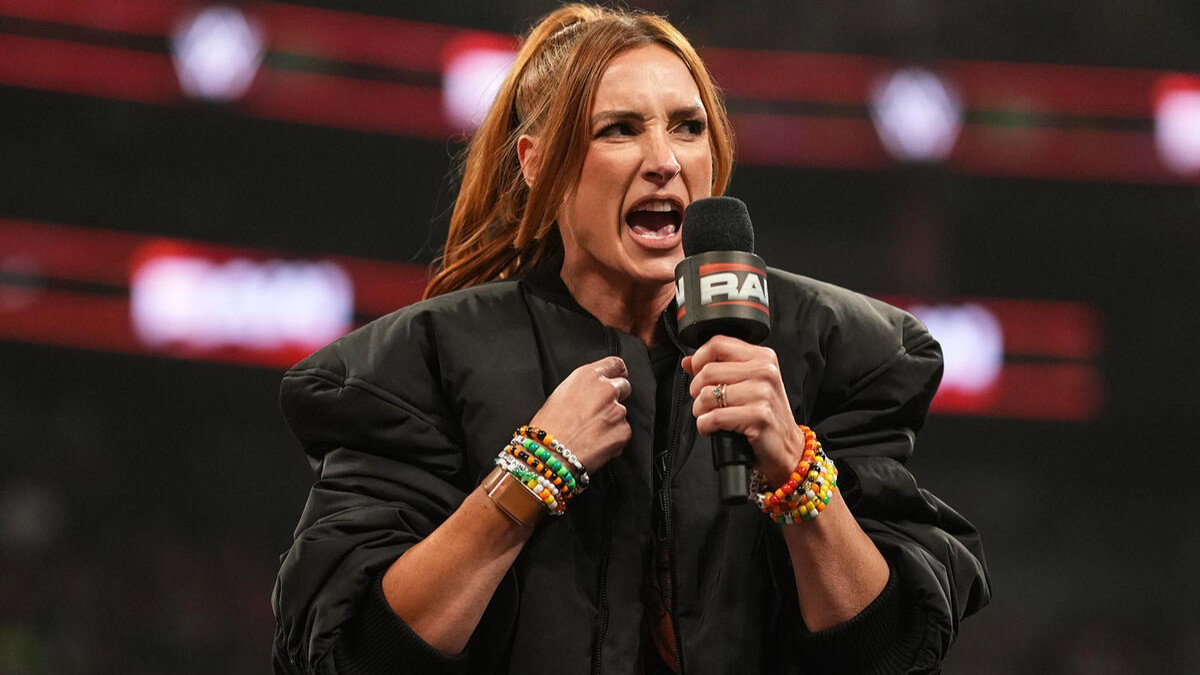
When Becky Lynch approached the front office to announce her pregnancy in 2020, the power dynamics were rigid. She has gone on record stating she was genuinely terrified to deliver the news to Vince McMahon. The fear was rooted in the prevailing attitude that life events were viewed as obstacles to the promotional machine.
The cost of the corporate machine
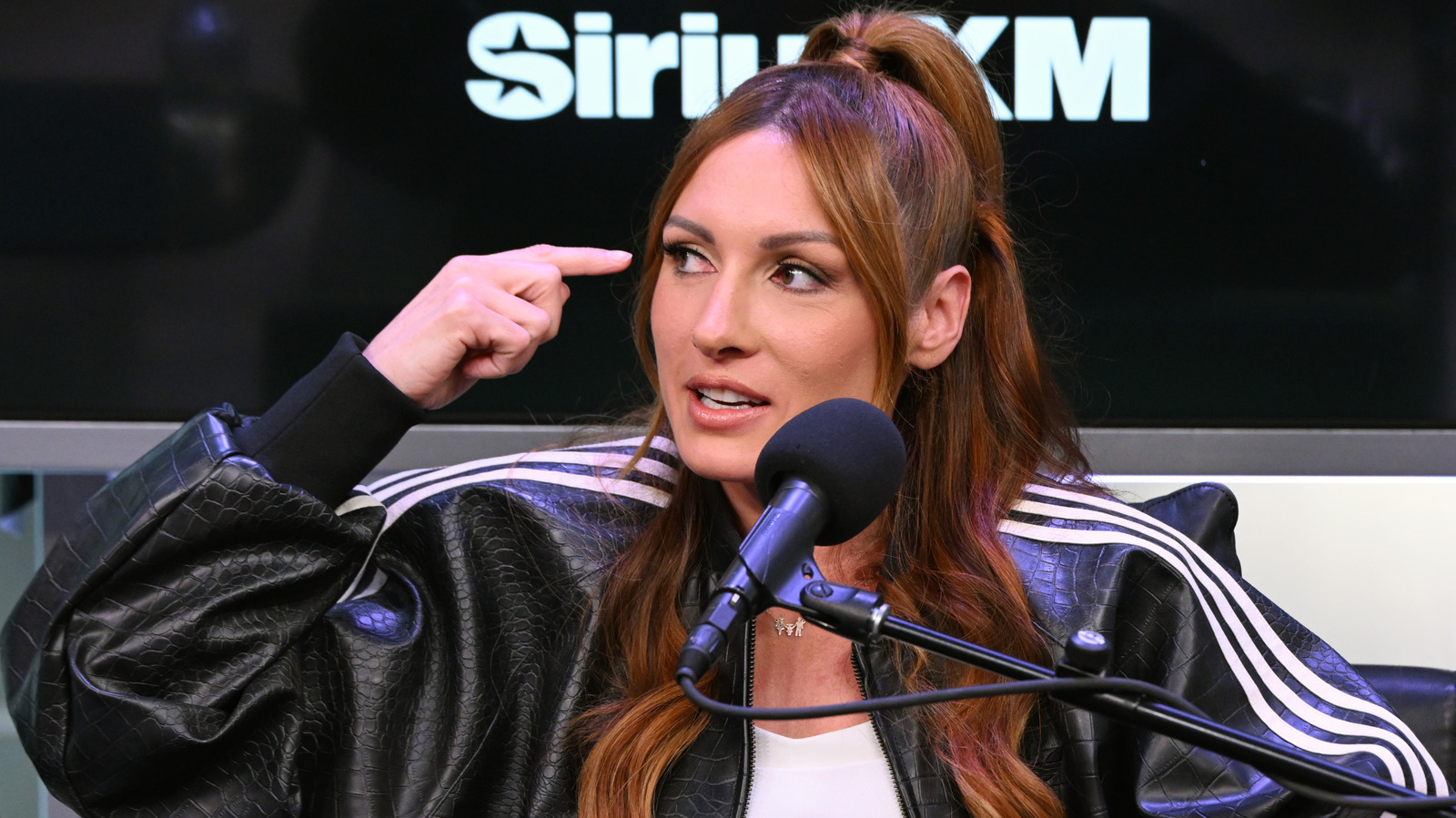
Becky Lynch's recollection of that moment underscores how much the internal culture has shifted since that interaction. She noted in a recent interview that despite her anxiety, the reaction was surprisingly human. As reported by Wrestling Inc, the apprehension she felt was a direct result of how wrestlers internalized the company’s demands for decades.
This is where the cracks in the old booking philosophy show. The company spent years training talent to equate absence with failure. That logic was toxic, creating a roster that hid injuries and suppressed personal milestones to satisfy a schedule that never stopped.
The business of balancing personal life
Today, the narrative around top-tier talent has transitioned toward longevity. We see this in the current roster management, where stars rotate in and out of the spotlight to prevent burnout. If a performer doesn't have the space to operate as a human being, the quality of the product eventually hits a hard ceiling.
Lynch returning after her hiatus proved that characters are durable if the creative is solid. She didn't drop in relevance; she became more defined as an adult performer. That is a stark contrast to the era where talent was squeezed until they were either out of contract or broken beyond repair.
Evaluating the modern reality
Critics point to the lack of long-term planning for top women’s division feuds as a persistent flaw. While the locker room culture is softer on personal life, the booking often feels erratic when stars take leave. We saw this during the transition periods between the 2024 and 2025 event cycles, where storylines seemed to tread water while awaiting key talent returns.
Consistency remains the biggest hurdle for the current front office. You cannot rely on a single star to carry the broadcast load for six months straight without a plan for when they inevitably need to tap out for personal rest. The 500-day title reign model is essentially dead because it requires a level of physical invulnerability that no human possesses.
Prediction
I predict that in the next 18 months, the company will codify even more flexible schedules for main event talent. The days of the 300-day annual road schedule are fading fast. If they fail to integrate these breaks into the seasonal narrative arcs more effectively, the audience will continue to reject second-tier programs that feel like filler while waiting for the real stars to return.