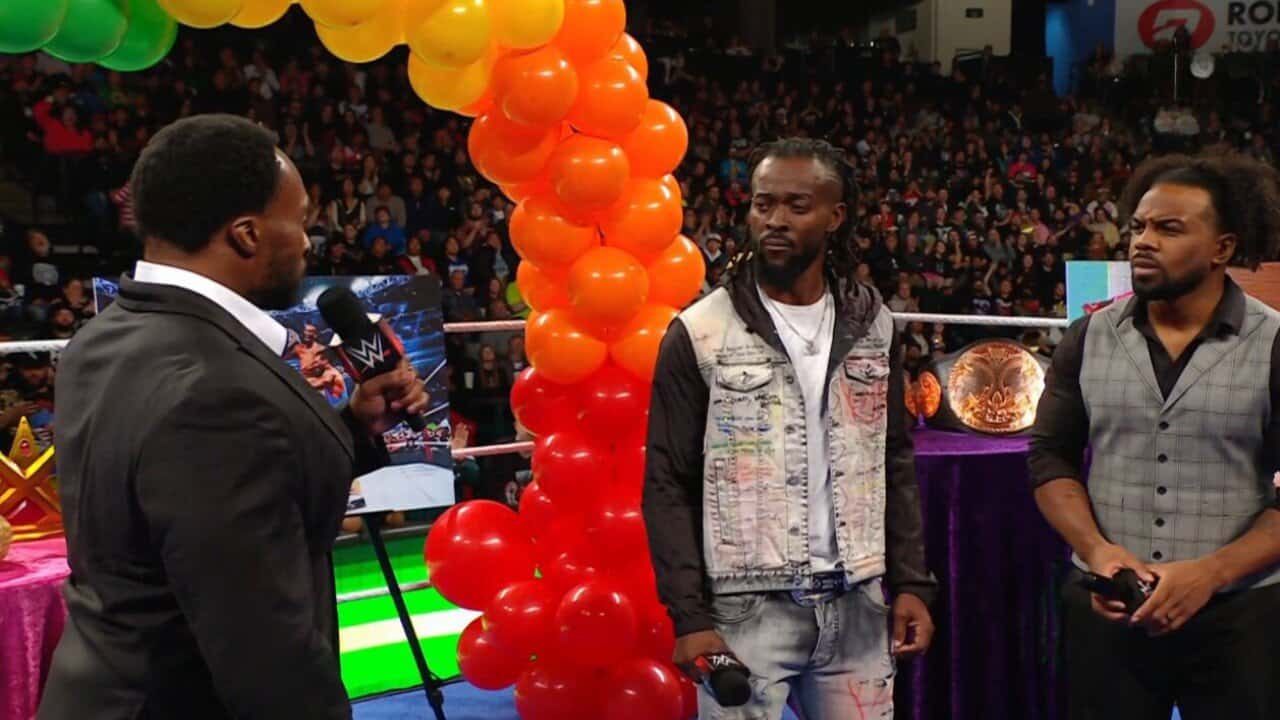
The status of Big E: Medical update and progression
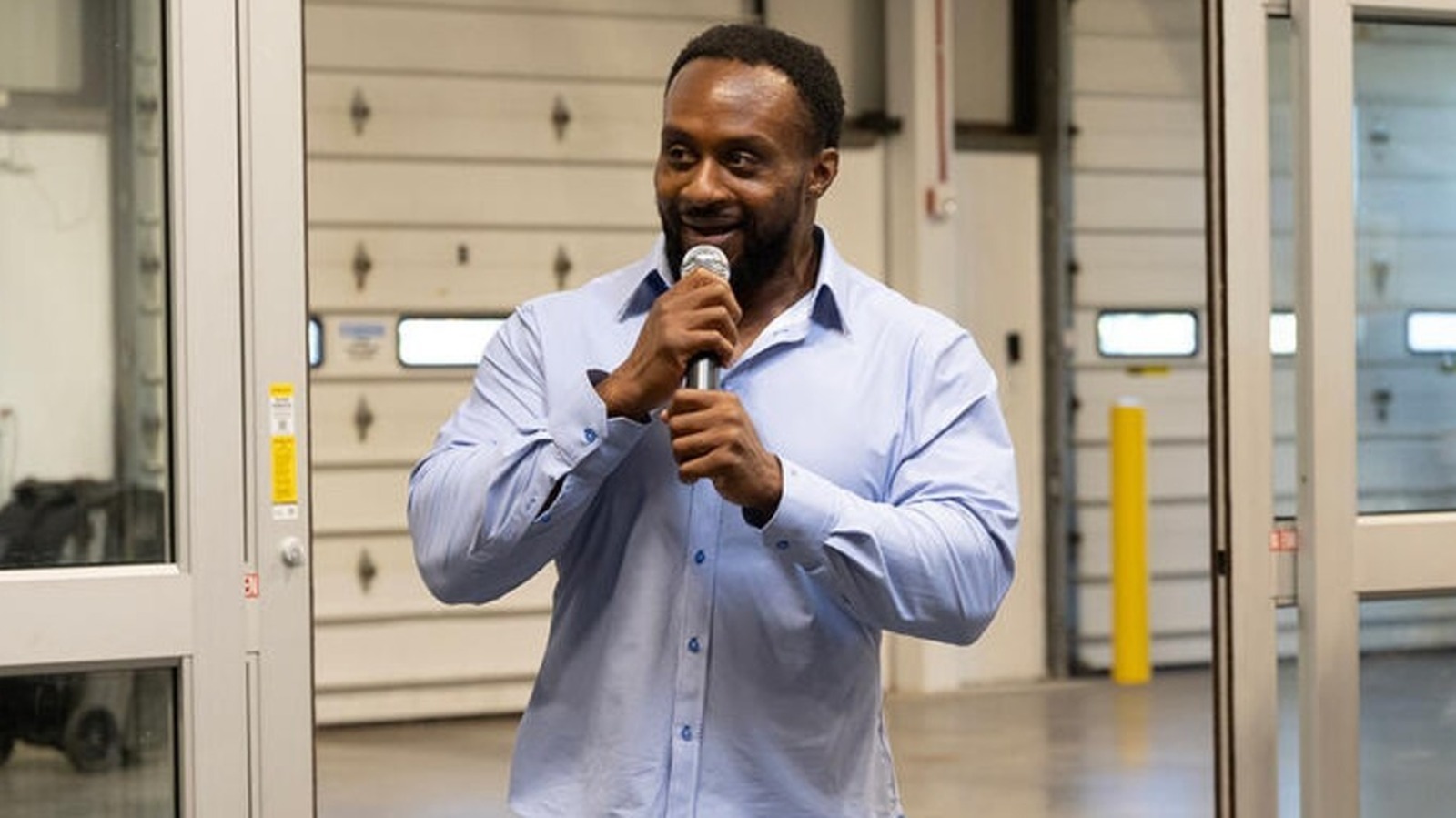
Big E is reportedly nearing an internal clearance threshold that could lead to his reintegration into the WWE programming cycle. Sources indicate the former world champion has been undergoing routine evaluations to monitor the stability of his C1 and C6 vertebrae. These injuries, sustained during a March 2022 bump, have kept him sidelined for over four years.
As reported by WrestlingNews.co, the progress is incremental. The medical team is prioritizing long-term spinal health over an immediate return to the squared circle for high-impact spots. There is no official timeline for an in-ring debut, but the internal outlook on his physical conditioning has shifted from rehabilitative to active maintenance.
Historical context and the severity of cervical injuries
Cervical fractures represent one of the most perilous injury profiles in professional wrestling. Big E’s journey mirrors a restricted class of performers who have faced career-ending neck trauma. Unlike performers who suffer acute concussions or torn ligaments, the structural integrity of the vertebrate dictates the finality of the diagnosis.
History provides few successful precedents for a full-time return following a C1-C6 break. Kurt Angle famously wrestled a significant portion of his career with a broken neck, yet the medical standards in 2026 have shifted to emphasize prevention over performance. Management is hesitant to clear any talent before absolute certainty is reached.
Strategic implications for the roster
The absence of such a high-profile talent has left a vacuum in the mid-to-upper card versatility. Big E provided a specific balance of power-based physical offense and high-energy personality. His potential return provides the booking team with an immediate plug-and-play main event presence if his health allows.
However, the industry has changed in his absence. The pace of televised matches is now faster, with higher athletic requirements for every performer on the roster. Any return for Big E would necessitate a recalibrated style. Relying on heavy lifting or high-impact brawling would shift toward technical execution, a necessary evolution to protect his long-term mobility.
Critical observations on the medical clearance process
A notable flaw in the current handling of his potential return is the lack of transparency regarding specific medical testing benchmarks. Fans and industry analysts are left to parse incomplete reports rather than receiving clear, fact-based status updates from the performance center staff. This uncertainty creates unnecessary noise while the athlete is still actively rehabbing.
If the medical staff is truly moving toward clearance, the timeline should be governed by rigorous, public-facing testing milestones. Hiding the specifics of his physical readiness behind vague internal reports does nothing to alleviate the concerns of his supporters. Wrestling medical reporting remains a murky area where speculation often fills the gap left by actual data.
The long road back: 2026 outlook
Looking at the broader roster depth, his presence is needed to cycle freshness into the title pictures. The current talent exchange has been saturated with familiar matchups, and Big E represents a significant character reset. His ability to anchor a stable or carry a feud on the microphone remains industry-leading.
Still, the question remains whether the risk of catastrophic reinjury outweighs the creative upside. Even if he receives medical clearance, his performance ceiling will be dictated by his comfort level with taking bumps. We await further clarity on whether he is preparing for an in-ring return or an auxiliary role, such as commentary or management, should the wrestling clearance fail to materialize.
Industry wide medical standards
Medical protocols have advanced significantly since his initial injury in early 2022. Surgeons now utilize more minimally invasive fusion techniques that offer better rotational mobility than those used a decade ago. While this benefits Big E, the absolute recovery window for his specific injury remains 18 to 24 months in the best-case scenarios for elite athletes.
Current performance center staff members are working to balance the desire to see a beloved star compete again with the reality of his neurological tests. The decision will ultimately rest on his ability to pass the final concussion protocol and structural load-bearing tests. As of now, we remain in a holding pattern until the next phase of his physical testing begins in late August.