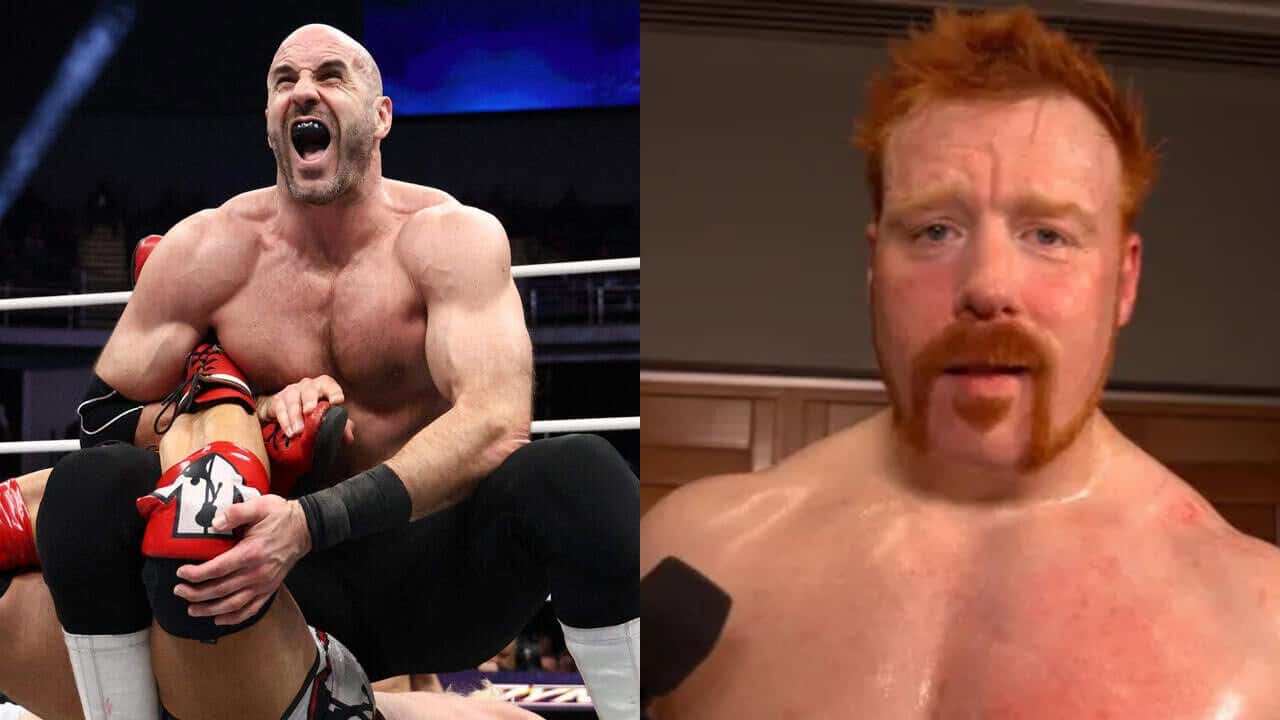
WWE’s new openness is the biggest shift in years

The quiet evolution of the women’s division
For years, the WWE locker room was characterized by a distinct lack of transparency. Wrestlers operated under a code of silence, where personal struggles were hidden behind the curtain to preserve the illusion of invulnerability. Recent insights from Becky Lynch’s candid discussion about her battle with postpartum depression represent a fundamental departure from that industry standard. It is a rare moment of vulnerability from one of the company's most decorated performers.
Lynch’s account of her internal state, specifically that she feared her pregnancy would derail the momentum of women’s wrestling, is telling. Following her pregnancy announcement, she worried she had ruined the progress made during the previous half-decade. That fear speaks to the immense weight placed on the shoulders of the division’s top stars, who often feel responsible for the entire department's survival.
Culture shifts and creative freedom
Transparency extends to the current state of the environment, too. Tiffany Stratton recently described the women’s locker room as drama-free. While cynical observers might write this off as corporate marketing, the technical quality of current matches suggests a more professional, focused atmosphere. When the energy isn't directed toward interpersonal friction, it manifests in cleaner execution and tighter storytelling during live broadcasts.
The contrast is striking when compared to the historical erraticism often observed in professional wrestling. The current approach prioritizes stability, allowing talent to recover from both physical and mental burnout. This is essential for a touring schedule that rarely offers downtime. If a performer as high-profile as Lynch can articulate these challenges, it sets a mandate for the rest of the roster to prioritize long-term recovery over short-term visibility.
The grassroots expansion program
WWE’s focus is also shifting to how they integrate external talent into their system. By sending a specific WWE ID roster to perform for Booker T’s Reality of Wrestling next month, the company is signalling a more structured developmental path. It is a move away from the isolated 'Performance Center' model of the past decade. The goal is clearly to normalize high-level reps outside their own bubbles before a full transition.
The industry is simultaneously seeing more cross-pollination. Will Ospreay has publicly stated he is passionate about aiding women’s wrestling outside his contractual obligations with AEW. While his focus remains on his own current work, his willingness to engage in the broader development of the art form indicates that top-tier talent is finally seeing the value in collective growth. This matters because for too long, talent at the top worked in silos.
The missed opportunity for deeper booking
Despite this progress, a critical observation remains: the booking of the women’s division often relies on high-octane spectacle to mask a lack of narrative depth. We see moves like a perfectly executed moonsault into a roll-up, but the stakes often feel arbitrary when the character motivations remain thin. The talent is currently operating at a 95% efficiency rate in the ring, yet the creative writing often fails to land with the same precision.
There is a danger in assuming that a 'drama-free' environment will automatically produce compelling television. Friction drives drama. If the locker room is too agreeable, the creative output can sometimes slide into a comfort zone where the intensity drops. Producers need to harness that professionalism and channel it into more aggressive, high-stakes feuds to avoid the mid-card doldrums.
The company is in the middle of a transition where public image and private reality are finally aligning. If this trend holds, the product will benefit significantly as the performers feel secure enough to take creative risks. The focus must be on keeping this momentum while ensuring the actual in-ring storytelling matches the emotional maturity being displayed by the talent themselves.
Hitman: My Real Life in the Cartoon World of Wrestling
The brutally honest, definitive story from the best there is.
Frequently Asked Questions
How has the culture changed regarding vulnerability in the women's division?
What impact does a drama-free locker room have on WWE matches?
Why is the WWE ID program being implemented for the roster?
How does WWE's new focus serve the well-being of its performers?
What is the industry trend regarding silos at the top of the card?
More Coverage
TNA's history remains a goldmine that Dark Side of the Ring ignored
2 hours ago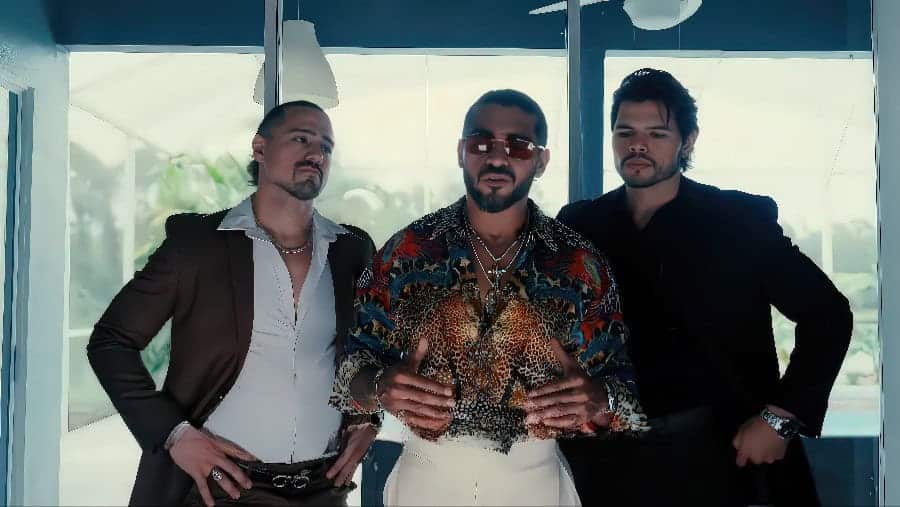
Santos Escobar is betting on Hollywood while Ciampa reclaims his identity
2 hours agoThe Raw and Smackdown brand split is officially a mess
2 hours ago
The locker room hierarchy is a ghost town without Brock Lesnar
3 hours ago
WWE is setting the stage for a SummerSlam bloodbath of tag teams
5 hours ago
Top 10: Defining Moments in Modern Wrestling
8 hours agoMore Analysis
TNA's history remains a goldmine that Dark Side of the Ring ignored
2 hours ago
Roman Reigns and Seth Rollins are running it back for the last time
2 hours ago
Santos Escobar is betting on Hollywood while Ciampa reclaims his identity
2 hours ago
Chris Jericho thinks Kyle Fletcher is AEW's next breakout star
2 hours ago