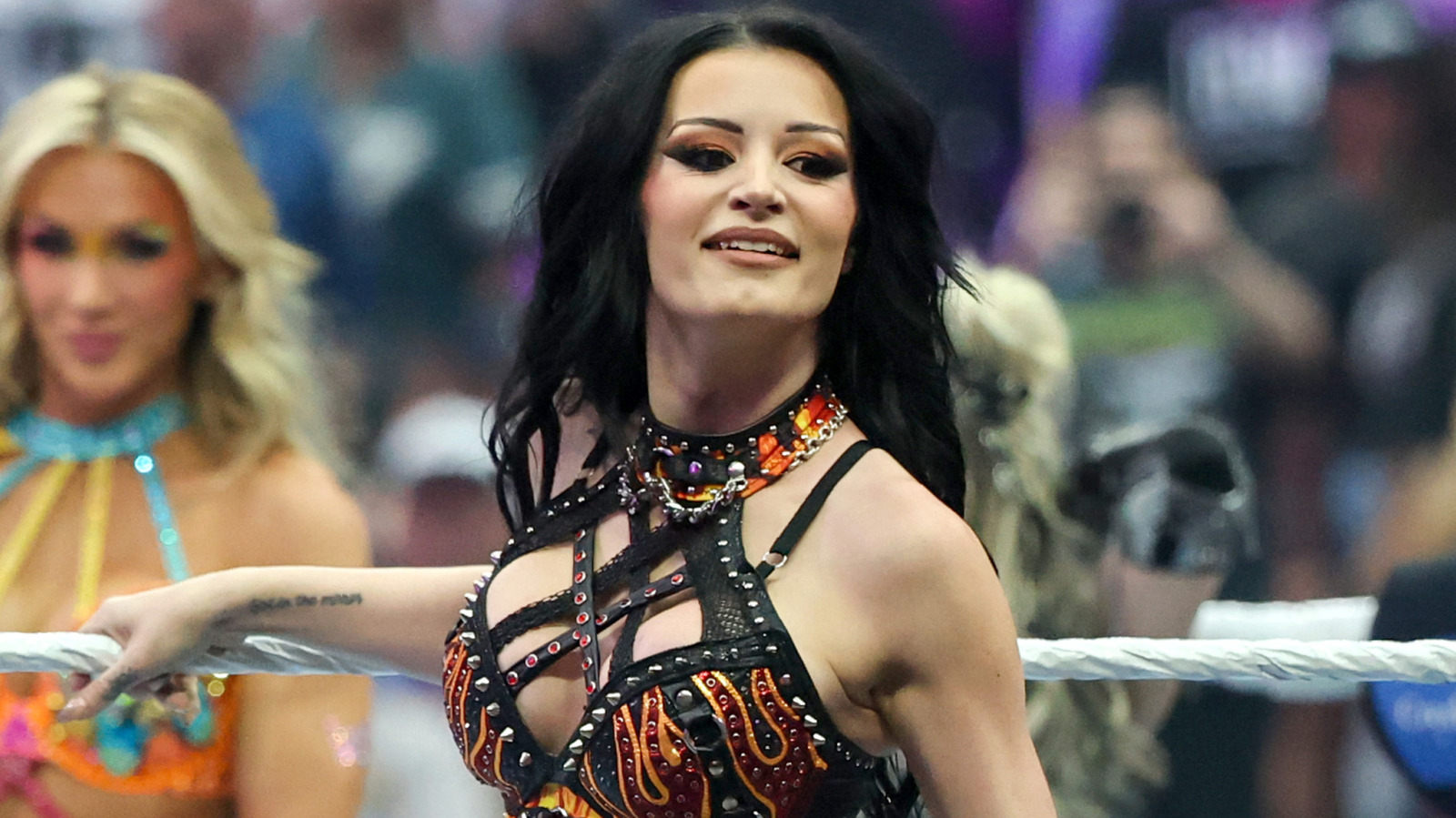
Becky Lynch Pulls Back the Curtain: The Unvarnished Truth of WWE Life

The Myth of the Glamorous Grappler
Becky Lynch, known to millions as "The Man" and a cornerstone of WWE's women's division for years, has never shied away from speaking her mind. Her recent candid revelations about life within the sports entertainment juggernaut are not just passing comments; they are pointed criticisms that chip away at the carefully constructed facade of WWE glamour. Lynch isn't just venting; she's providing a crucial reality check for anyone still subscribing to the fairytale narrative of WWE superstardom.
The prevailing public image of WWE talent is often one of pampered athletes, constantly attended to and living a life of luxury. Lynch, however, unequivocally shatters this illusion. She plainly states that WWE talent are not “catered to” at all, directly contradicting the notion that professional wrestlers enjoy a plush, coddled existence backstage. This isn't a small detail; it's a fundamental recalibration of public perception.
Instead of five-star treatment, what talent experience is a relentless, punishing schedule. Constant travel, physical exertion, and the immense pressure to perform at an elite level define their daily lives. Lynch’s comments serve as a stark reminder that beneath the bright lights and extravagant entrances lies a demanding profession, more grind than glitz, requiring immense personal sacrifice and resilience.
The "Tiny Frocks" and a Troubling History
Perhaps even more revealing, and certainly more damning, are Lynch’s insights into WWE’s past dress code policies for its female performers. She exposed an antiquated expectation that required women to change into “tiny frocks” for public appearances and meet-and-greets immediately following their matches. This policy, a relic of a bygone era, casts a long shadow over WWE’s self-proclaimed "Women's Evolution."
This wasn't about professional attire; it was about objectification, forcing female talent into roles that diminished their athletic accomplishments. While male wrestlers were free to appear in comfortable, casual clothing, their female counterparts were subjected to a demeaning, gender-specific mandate. It underscored a persistent imbalance, reflecting a time when women’s wrestling was often relegated to eye candy rather than athletic competition.
Even with the "Evolution" narrative, such historical mandates reveal a deep-seated institutional issue. The fact that such a policy was ever enforced highlights a disturbing lack of respect for female athletes as legitimate competitors. It's a critical observation that, despite progress, the company has historically struggled with how it views and presents its women.
Shifting Tides, Lingering Shadows
While WWE has undeniably made strides in recent years, promoting women's main events and expanding their athletic roles, Lynch's recollection serves as a crucial historical counterpoint. It reminds us that progress is often hard-won and not always uniform. The vestiges of past attitudes can linger, shaping internal culture and external presentation in subtle ways.
The company has moved away from overtly sexualized segments and matches, focusing more on in-ring ability and compelling storylines. Yet, the pressure on female talent to maintain specific aesthetics and personas remains an unspoken part of the job. Lynch's "tiny frocks" comment isn't just about a past policy; it's a commentary on the journey still ahead for true equity.
When Fan Passion Crosses the Line
Lynch also tackled the often-uncomfortable reality of fan interaction, specifically calling out grown men who would yell at her when she was portraying a babyface. This isn't merely about booing a heel or cheering a face; it's about a subset of the audience blurring the lines between character and person, transforming passionate engagement into outright disrespect.
There's a fundamental contract in professional wrestling: fans engage with characters, not the individuals behind them. However, as Lynch highlights, this contract is frequently broken, leading to situations where performers face unwarranted verbal abuse. The anonymity of a crowd, coupled with a distorted sense of entitlement, enables behavior that would be unacceptable in any other public setting.
Lynch's decision to no longer brush off such behavior is a significant moment. It signals a growing intolerance among performers for interactions that cross into harassment or personal attacks. This puts the onus back on segments of the fanbase to self-regulate and remember the human beings behind the characters they either adore or despise.
The Perils of Parasocial Relationships
The issue Lynch raises touches on the complex and often problematic nature of parasocial relationships in modern entertainment. Fans develop intense connections to performers, sometimes forgetting that these are carefully crafted characters, not direct reflections of the individuals. When a performer like Lynch switches from a beloved anti-hero to a more traditional good guy, some fans feel personally betrayed, lashing out with disproportionate anger.
This phenomenon isn't unique to wrestling, but the intimate, confrontational nature of live events amplifies it. Performers are directly accessible, and the theatricality of the presentation can sometimes be misinterpreted as an invitation for unbridled aggression. Lynch is drawing a firm boundary, indicating that there is a definitive limit to what talent should endure from the audience, irrespective of their character alignment.
Lynch's Legacy: A Voice for Change
Becky Lynch's recent outspokenness serves as a powerful reminder that even at the pinnacle of sports entertainment, challenges persist. Her willingness to share these candid observations elevates her beyond just a popular performer; she becomes a significant voice for talent rights and a more respectful environment. By debunking the myth of pampering, exposing antiquated policies, and challenging toxic fan behavior, Lynch is advocating for a more transparent and humane industry.
Her comments resonate particularly strongly within the women's locker room, where the historical struggle for parity and respect has been continuous. Lynch, alongside others, continues to push for an environment where female athletes are judged solely on their talent and dedication, not on outdated expectations of appearance or subservience. This isn't just about Becky Lynch; it's about setting a precedent for how all talent, especially women, are treated within the WWE machine.
As WrestleMania 41 approaches, Lynch’s voice adds a layer of depth to the ongoing narratives, reminding us that the stories told in the ring are only part of the much larger, more complex reality of professional wrestling. Her insights encourage a critical viewing experience, where the spectacle is appreciated, but the underlying truths are not ignored. Lynch is not just shaping narratives inside the squared circle; she’s actively influencing the conversation about the culture surrounding it.
WWE Elite Collection Series 109 The Rock Action Figure
Highly articulated action figure for fans who want to recreate iconic spots.
More Coverage
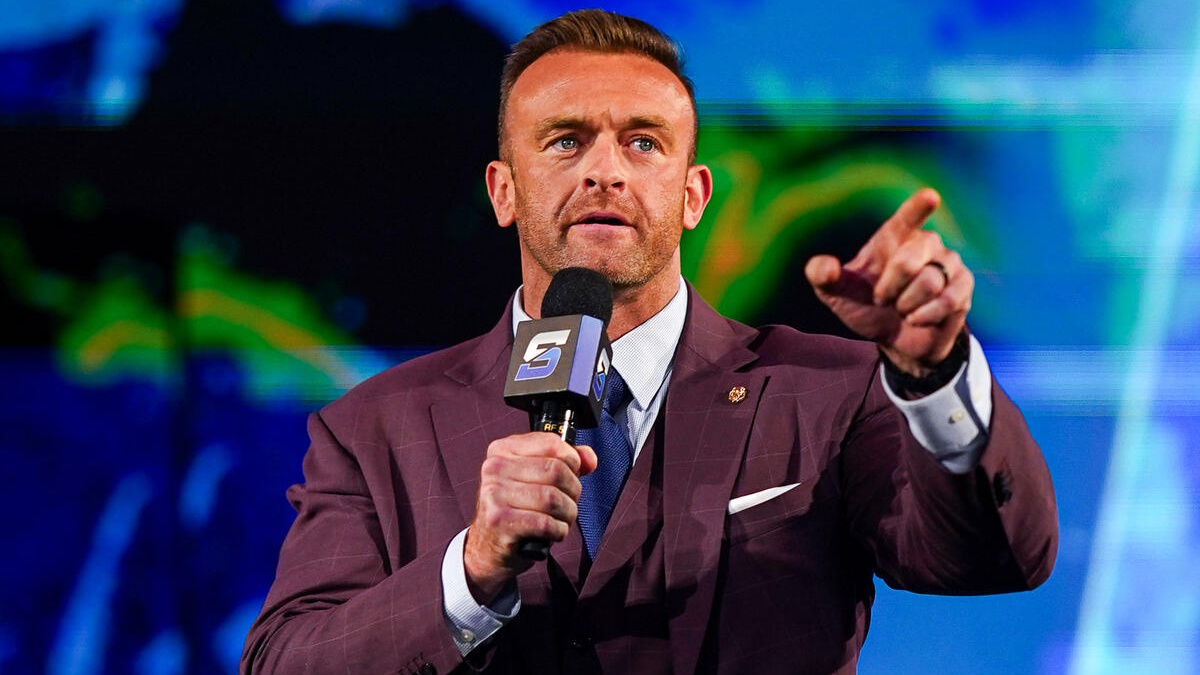
Nick Aldis walking into an impossible SummerSlam corner
an hour ago
Booking Nick Aldis at SummerSlam is a colossal misfire
an hour ago
Why WWE's music department lost its edge after the Jim Johnston era
an hour ago
Why Jim Johnston’s silence was his competitive advantage
an hour ago
Top 10: Top Moments
an hour ago
Top 10: The Defining Moments of Modern Wrestling
an hour agoMore Analysis
Becky Lynch and the ugly reality of WWE fan toxicity
3 months ago
Becky Lynch drops reality check on WWE's aging roster
3 months, 2 weeks ago
Becky Lynch opens up about her personal battle with postpartum depression
5 days, 2 hours ago
Becky Lynch and the complex reality of WrestleMania 41 stakes
3 months ago
Becky Lynch is finally admitting she has a Hulk Hogan booking problem
3 months ago