The cost of the grind
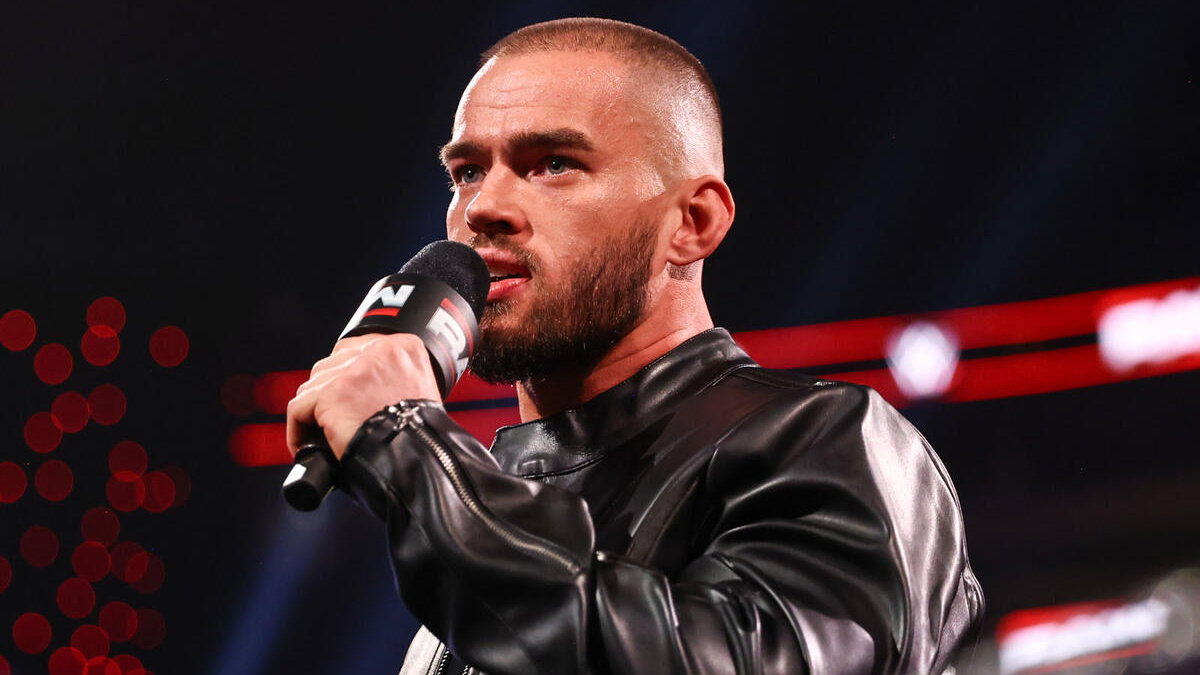
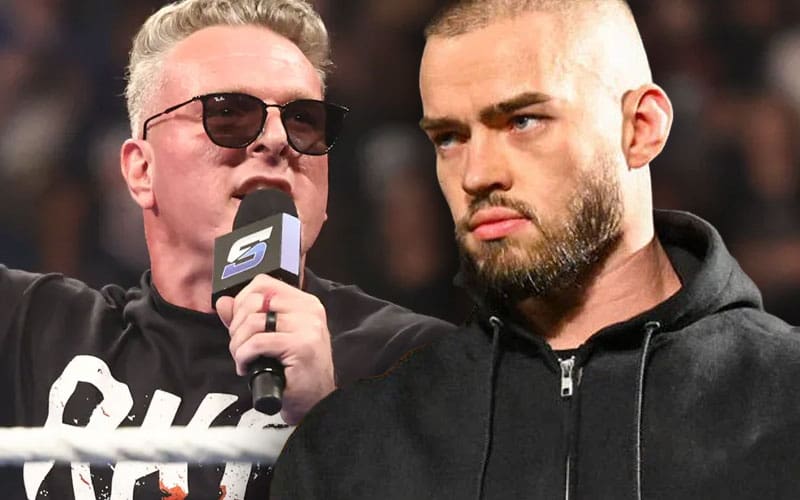
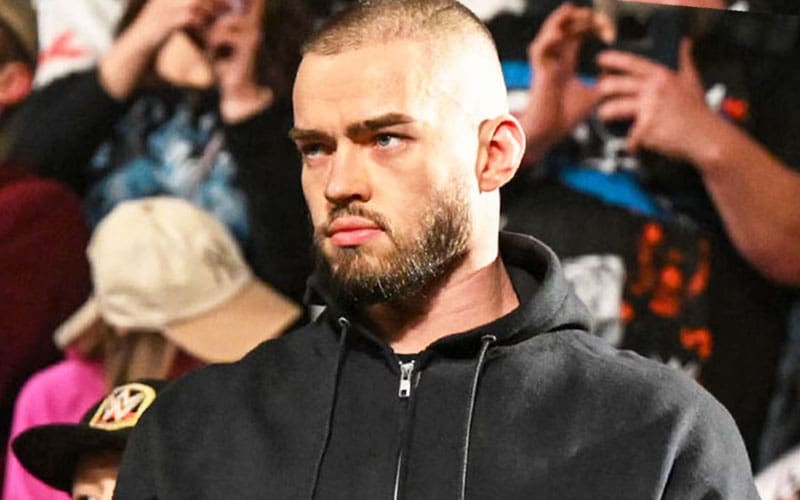
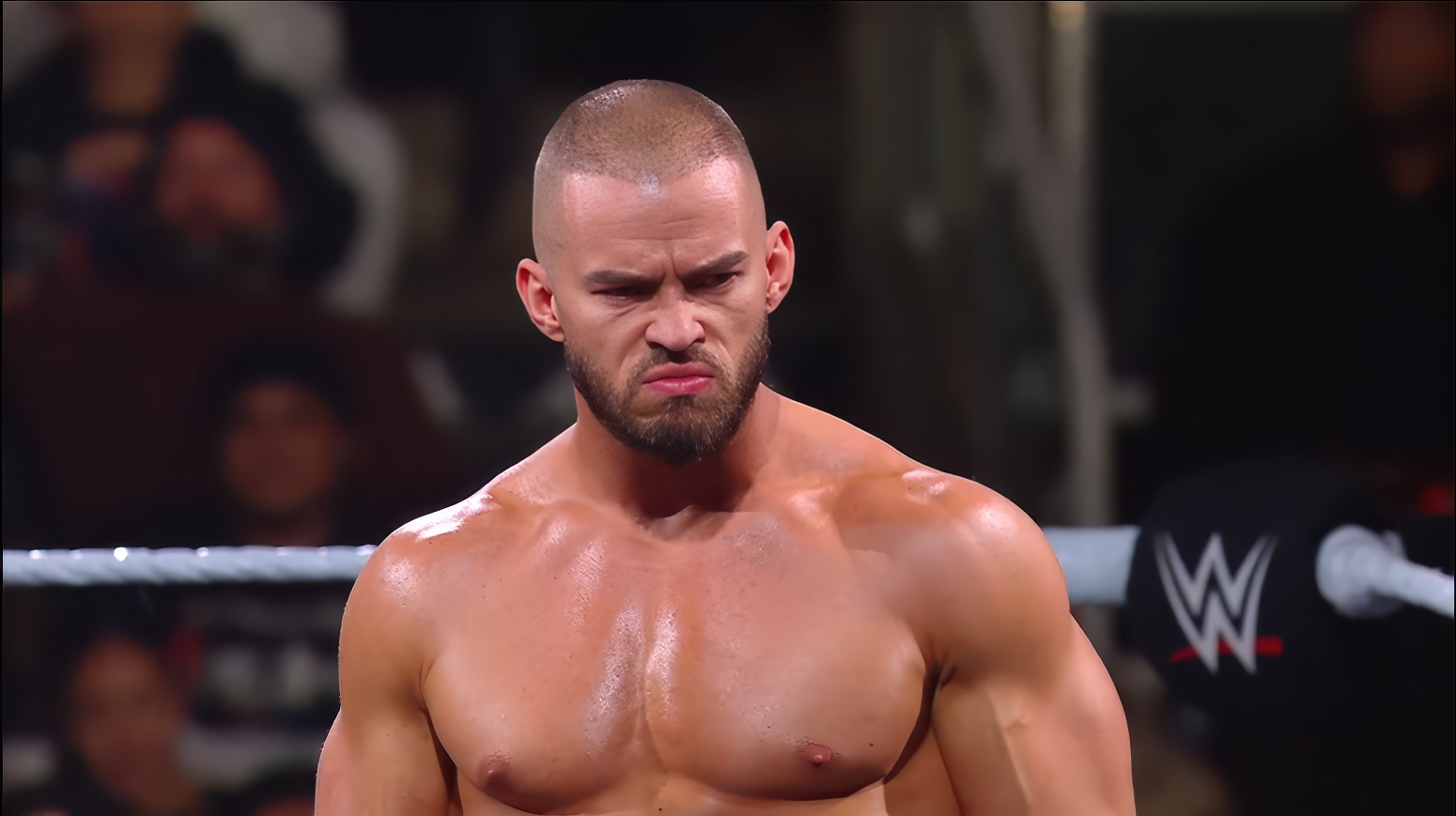
Professional wrestling is often discussed in terms of booking cycles and merchandise sales. Rarely do we get an unvarnished look at the biological tax paid by those in the ring. The recent confirmation that Austin Theory worked through a significant hernia for months represents a brutal slice of reality. He wasn't just performing; he was manually managing his injury, reportedly popping it back in after high-impact sequences to finish his commitments.
This revelation effectively recontextualizes his recent absence from television. By the time he hit the emergency room, the situation had progressed from a manageable frustration to a genuine health crisis. It underscores how much internal damage occurs before a performer is finally sidelined by WWE medical staff. For the audience, he was the same energetic antagonist. For the athlete, he was playing a high-stakes game of attrition.
The creative pivot
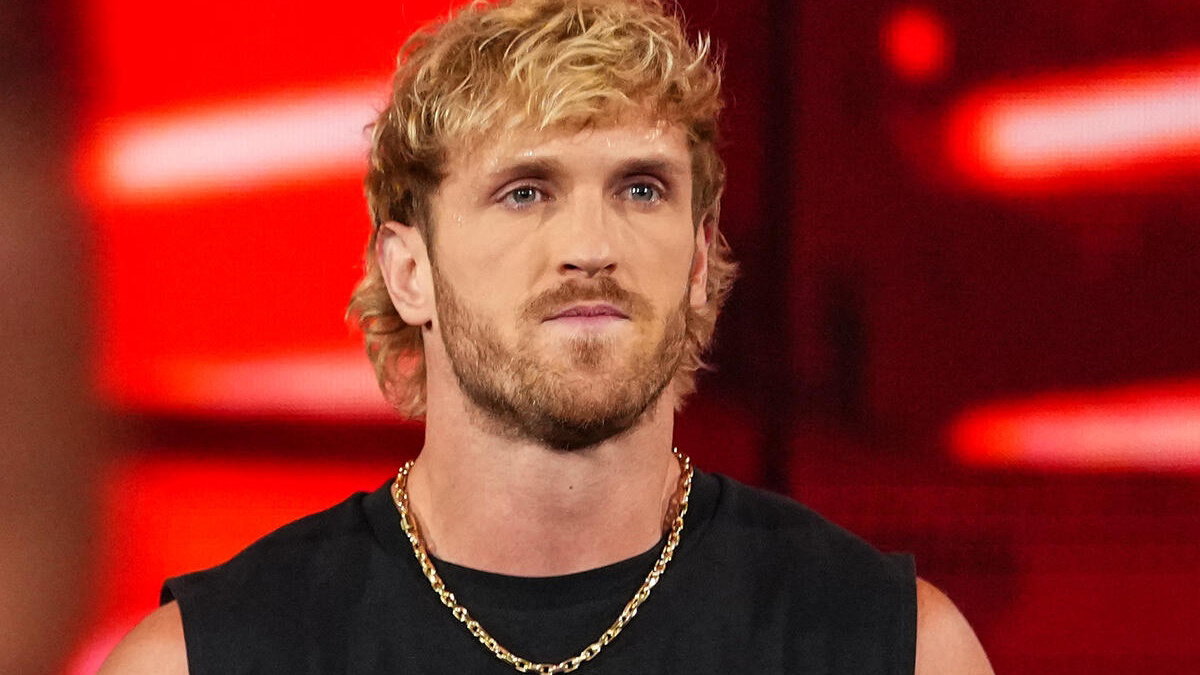
Theory’s timeline is messy. His 2025 absence, initially viewed as a creative choice or a cooling-off period, was actually a forced evacuation from the schedule. Reports indicate the recovery was extensive, leaving a void in the mid-card that the writers struggled to fill. His return has been focused on re-establishing a presence that many assumed would be anchored by his associations with figures like Logan Paul.
The discourse surrounding these partnerships—particularly with Paul and IShowSpeed—often misses the point. Critics dismiss these angles as celebrity intrusion. Theory himself has categorized this feedback as irrelevant noise, noting that their shared screen time serves a specific demographic that moves the needle on digital engagement. Whether or not you value the influencer influence, Theory is clearly prioritizing that lane to maintain his relevancy in a crowded roster.
Tactical recovery and future outlook
Now that he is back in action, the scrutiny on his movement is justified. Returning from a core injury requires a shift in style; you cannot simply rely on the same bump profile. We expect to see him favoring safer transition moves rather than high-impact aerial maneuvers that put unnecessary torque on the midsection. If we see him abandoning certain back-bumps or limiting his mobility during sustained sequences, it is a clinical necessity, not a lack of effort.
His path forward relies on whether he can pivot from a stunt-based style to a more technical, ground-controlled game. The reliance on tag team gold with Paul is a buffer. It allows Theory to offload a portion of the match duration to a partner, managing his own minutes on the mat. Wrestling 15 to 20 minutes per night at the intensity he previously displayed is an impossibility in his current recovery stage.
The verdict
I am skeptical about his immediate ceiling. Any performer operating at less than full capacity is perpetually one bad landing away from another long-term layoff. WWE has a habit of pushing performers back into heavy rotations the moment they are cleared. This is where the booking team often fails its own talent. Pushing for high-profile spots prematurely will only shorten his shelf life.
My prediction for his trajectory through the post-WrestleMania cycle is conservative. He will remain a featured mid-card attraction but will likely be protected in tag matches until the summer. He is a high-level worker who has learned the hardest way possible that the reason for his 2025 absence wasn't just physical—it was an ultimatum from his own body. If he respects that limit, he might survive the year. If he pushes too hard too soon, the medical staff will be forced to intervene again. Keep an eye on his speed during corner sequences; a loss of lateral quickness is the first sign of a guarded recovery.