The end of the Busted Open era
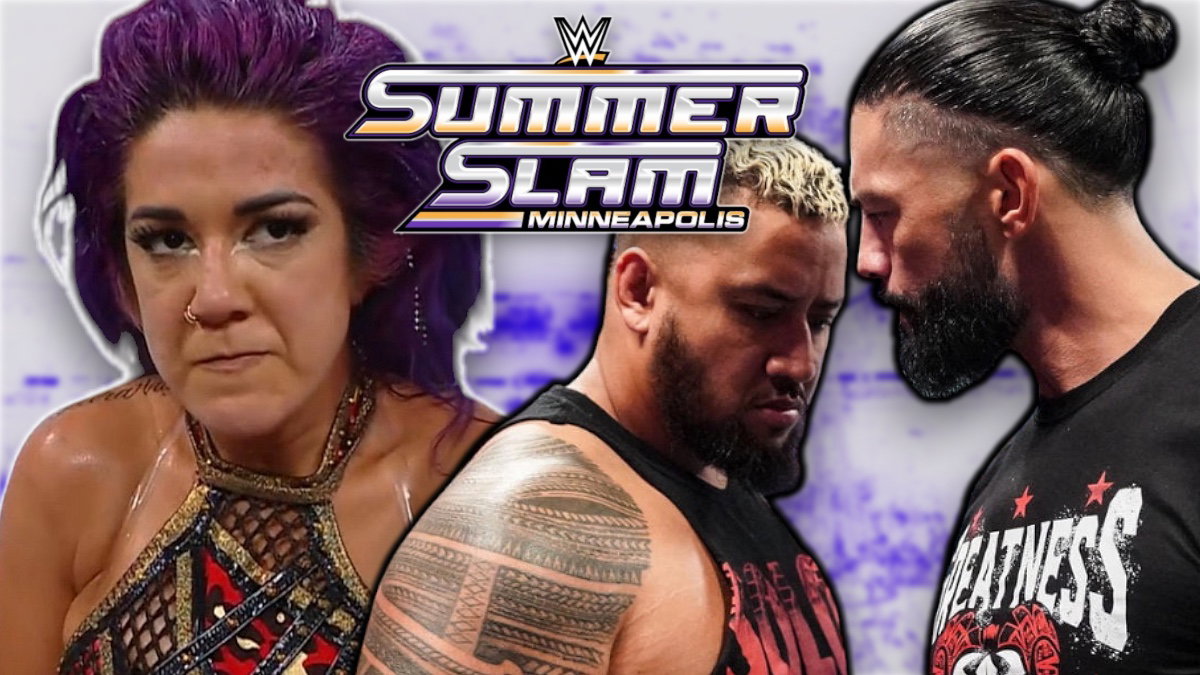
The announcement that WWE and SiriusXM are launching a dedicated, 24/7 channel marks a tectonic shift in how fans consume promotional content. The deal, confirmed across PWInsider and WrestlingNews.co, effectively ends the long-standing tenure of Busted Open Radio on the platform. This transition is slated for the week of SummerSlam.
For years, Busted Open built a reputation on candid, sometimes abrasive, independent analysis. Replacing an authentic, critical voice with an official, house-produced station creates an automatic vacuum for objective discourse. The shift toward a corporate-controlled audio stream mirrors a broader trend of promoters moving to control their own journalistic narrative.
The cost of the official channel
The structural changes go beyond mere programming grids. When a promotion dictates the editorial line, the analysis inevitably softens. We have watched other leagues attempt this maneuver with varying degrees of success, often resulting in bland, promotional fluff that ignores match pacing or booking inconsistencies in favor of synergy.
As Wrestling Inc noted, this multi-year commitment signals intent to dominate the satellite radio space. However, credibility in this industry is built on the audience's trust that the hosts are willing to address the bad spots. If the talent cannot criticize a poor finish or a stagnant angle, the channel will fail to capture the hardcore demographic that actually pays for subscriptions.
What to watch for at SummerSlam
The week of SummerSlam will be the litmus test for this new venture. Expect a sanitized rollout focusing heavily on cross-promotional advertisements and hype-heavy interviews. Watch the tone of the hosts during the immediate post-show breakdowns; if they gloss over technical errors or questionable finishes, the death of independent radio on the service will be confirmed.
The risk here is alienation. Fans are smarter than the production teams give them credit for. We notice when a host avoids a difficult question or pivots a discussion away from a botched spot during a high-stakes title match. If the official WWE channel operates like a 24-hour press release, the audience will simply drift toward third-party podcasts that remain unburdened by company directives.
My take on the transition
I am skeptical that this move improves the listener experience. While the exclusive interviews might draw numbers, the loss of a third-party perspective is a clear downgrade for the wrestling discourse. My prediction is that the listenership will spike during the launch week, only to see a sharp decline of 25% within the first three months as the lack of critical friction bores the core audience. The promotion has traded authenticity for control, and in my notebook, that is a losing trade.