The transition from active roster to architectural influence
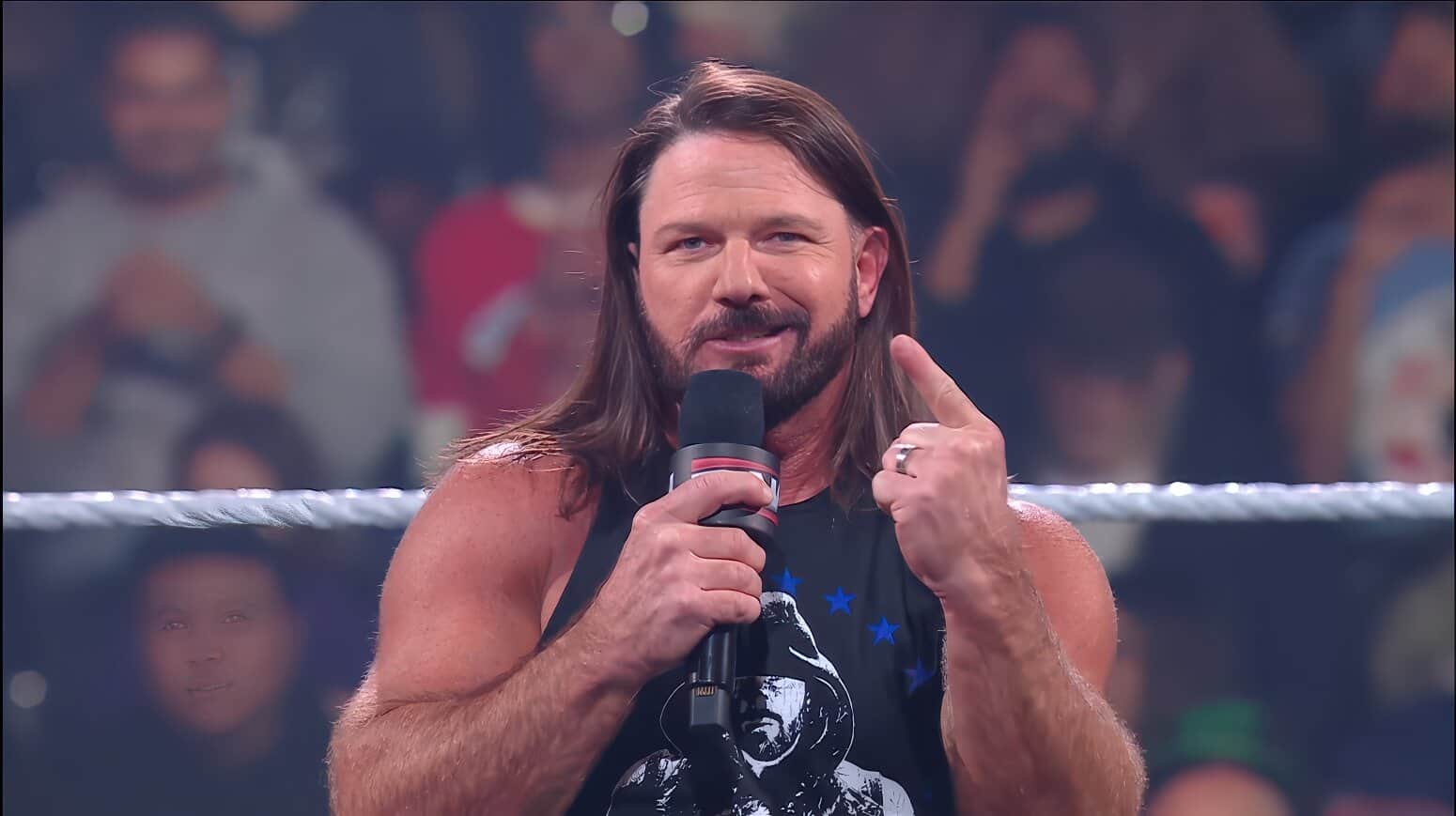
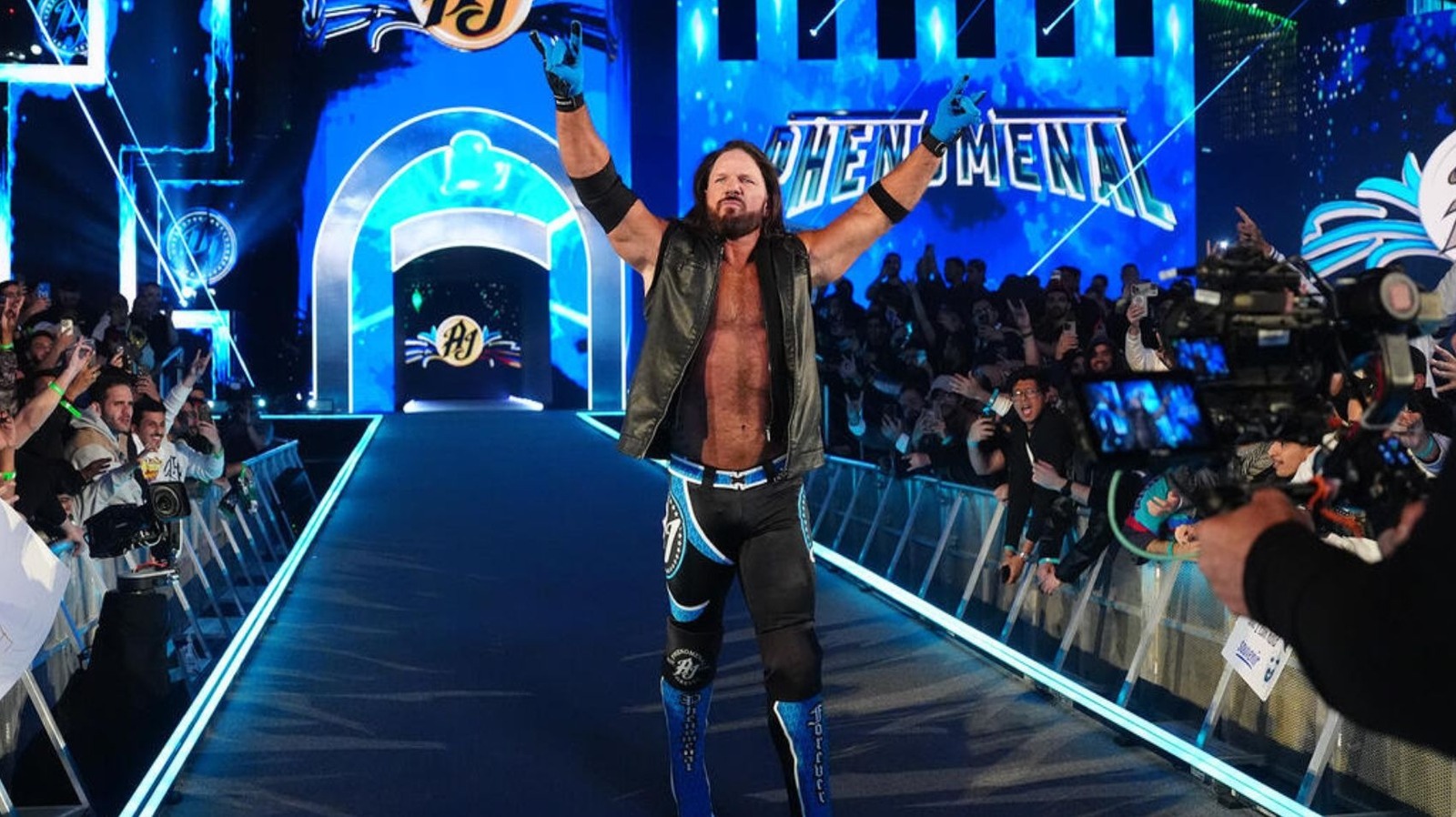
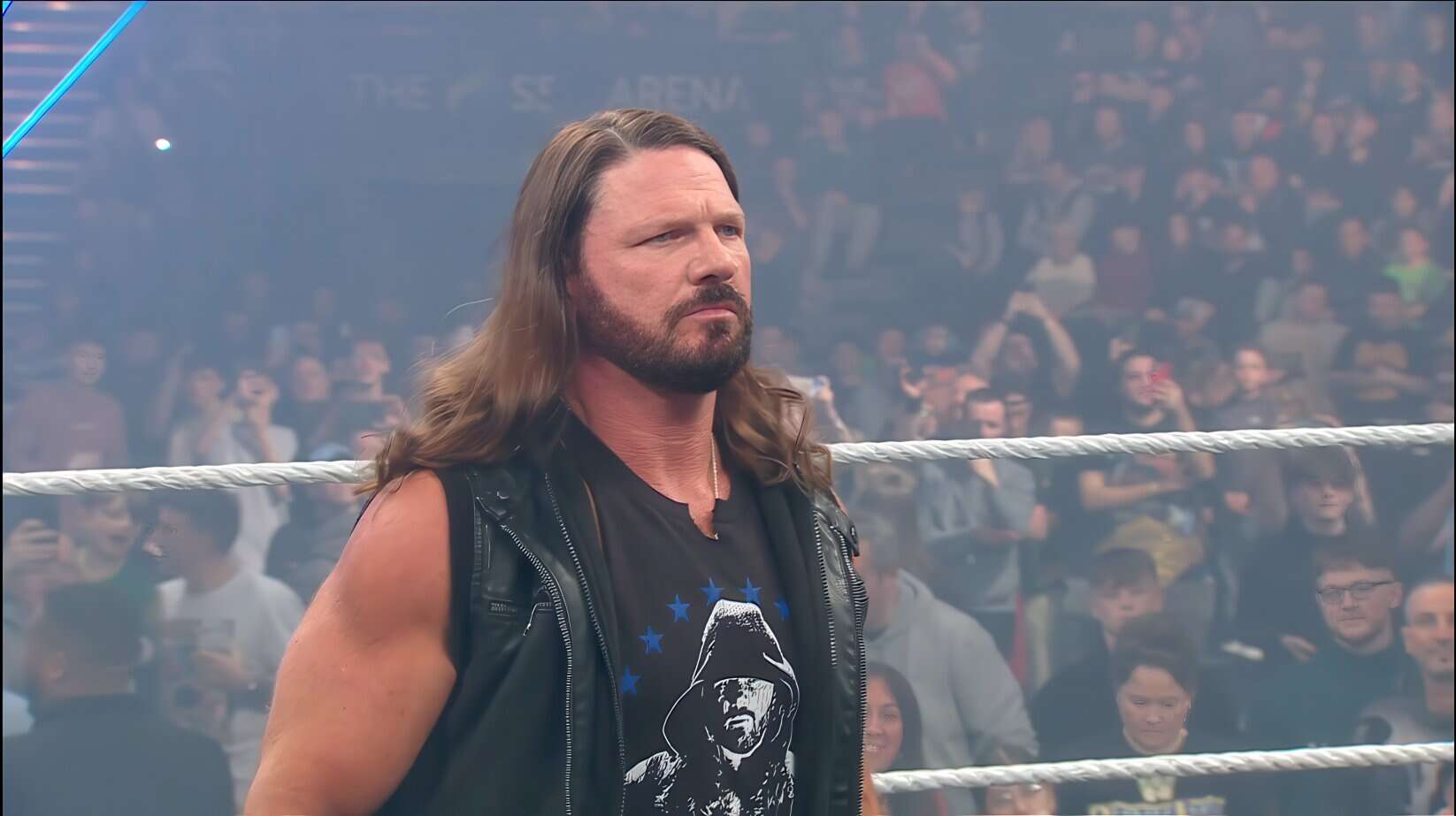
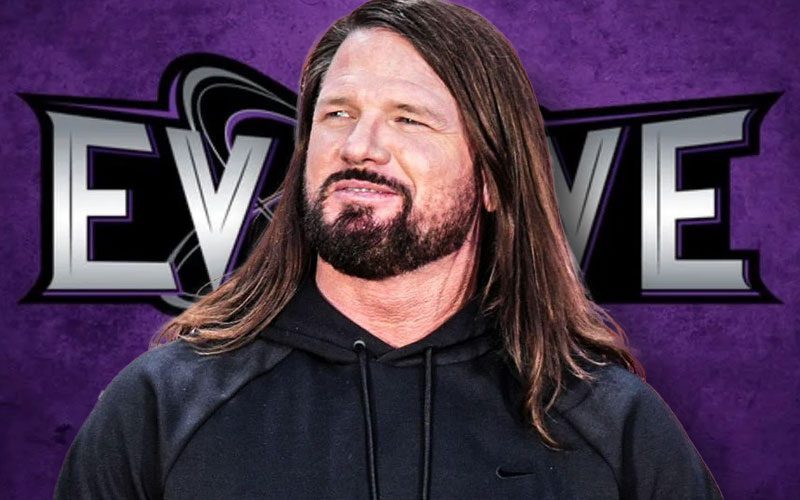
AJ Styles remains a fixture in the wrestling orbit, even as his in-ring schedule lightens. The veteran is currently exerting significant influence on the development of the Evolve brand. Rather than taking bumps during weekly television tapings, he is operating in a mentor and consultant capacity. This shift mirrors his career trajectory, where technical mastery is now being funneled into the next generation of performers.
As reported by Ringside News, Styles is deeply integrated into the structural decisions within Evolve. His role involves more than simple advice; he is actively reviewing footage and pacing matches to ensure the presentation matches his standards. The goal is to establish a distinct environment that differentiates itself from higher-level touring shows.
The strategic necessity of the Evolve experiment
The promotion of talent from developmental programs often fails because of the gap between smaller indie rings and the massive production setup of main roster shows. Styles is attempting to fix this by standardizing technical expectations early. His focus on match structure during training sessions is a direct critique of the recent trend toward spot-heavy, low-logic wrestling encounters.
However, the project faces a significant hurdle: corporate friction. Transitioning from a focused technical approach back to the spectacle of main-event wrestling often dilutes a performer's early training. If the Evolve model is not protected from creative interference, we might see the same plateauing issues that plagued previous developmental iterations. The current setup is a test of whether genuine ring veterans can curate talent better than traditional creative teams.
What the fans should actually look for
In the coming weeks, watch the pacing of Evolve-affiliated talent during their crossover appearances on secondary shows. You want to look for deliberate sequences, consistent limb work, and meaningful ring geography. If these matches suddenly feature 15 minutes of sustained logic rather than random high-spots, Styles has succeeded in his initial rollout.
Expect criticism regarding the speed of the content. Some fans prefer the chaotic energy of modern high-flying styles, and a move back to methodical pacing could alienate viewers who view pro wrestling as a pure stunt show. The real victory for the brand isn't just high match quality, but the creation of a recognizable house style that holds up under pressure.
The verdict on the long-term play
I am confident this will yield a marked improvement in the quality of television openers. You will see cleaner transitions and fewer blown spots within the first 5 minutes of match time. The move indicates that the promotion recognizes a talent quality dip and is outsourcing the solution to its most reliable veteran.
My prediction remains firm: the Evolve talent pool will produce at least three main-rooster stars within 18 months because of this specific hands-on guidance. While there will be growing pains as the roster adjusts to these higher expectations, the net result will be a more coherent product than what we saw throughout early 2026.