The myth of the millionaire champion
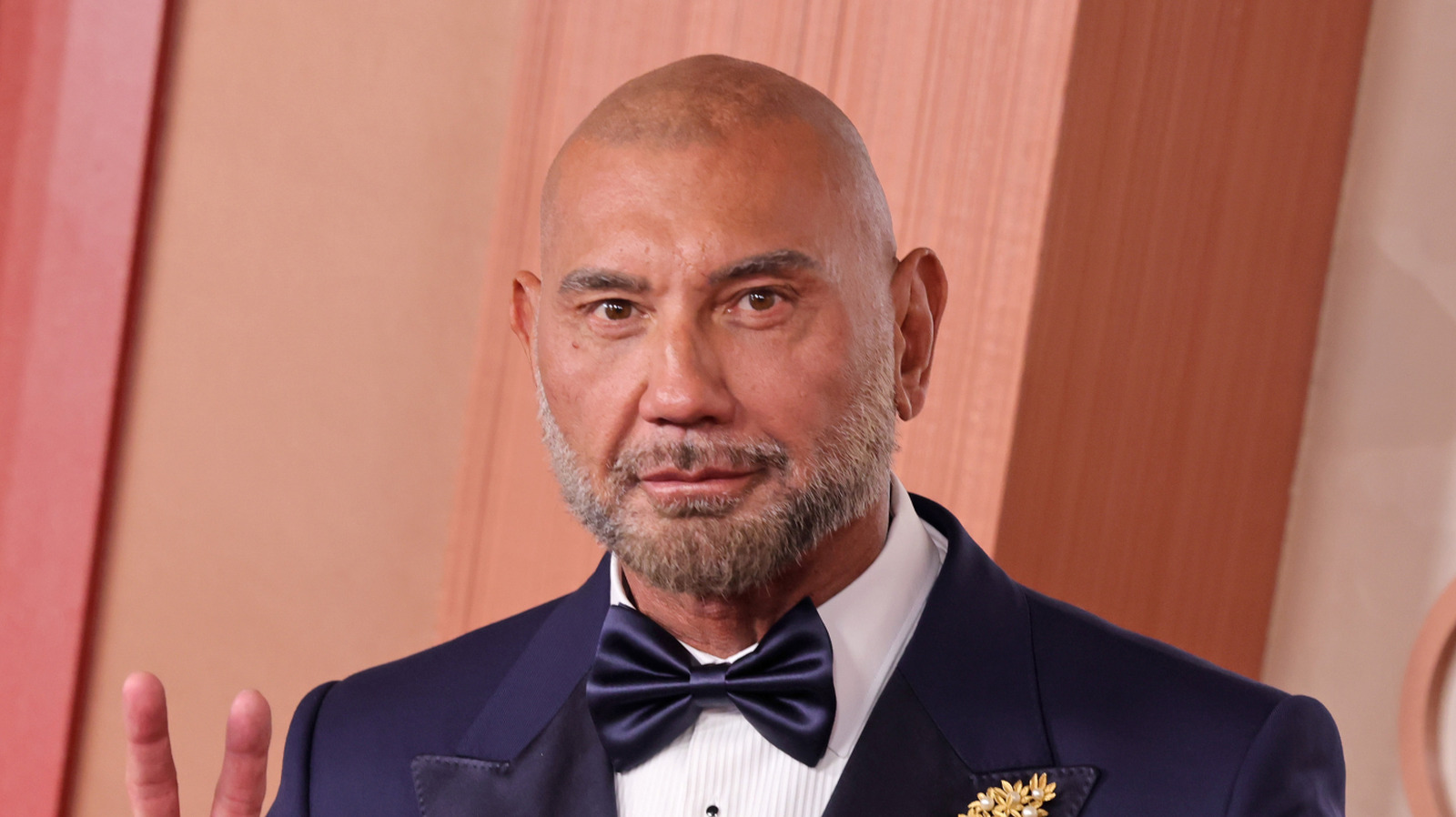
Dave Bautista recently pulled back the curtain on the financial instability that defined his initial rise to the top of the card. Fans assume that holding the World Heavyweight Championship guarantees a life of immediate luxury. According to the former champion, the reality during his post-Evolution breakout was closer to living pay-to-pay.
He revealed that even after headlining premium live events and carrying the main title, he was still borrowing money on a weekly basis to survive. This flies in the face of the traditional wrestling narrative where the belt serves as the ultimate financial windfall. The grind of the road, combined with the lack of upfront liquidity for new stars, created a scenario where his status as the company centerpiece did not match his bank account.
Leaving the grind for the silver screen
The transition from a full-time WWE schedule to Hollywood is often framed as a desire for more money or an escape from the physicality of the ring. However, Batista clarified his departure was never about John Cena, internal corporate beef, or a massive salary hike. He reached a point where he refused to be defined solely by the wrestling industry's constraints.
"It came down to one thing—he refused to let..."
He now views his current acting career as a luxury compared to the relentless travel schedule of a top-tier performer. While many ex-wrestlers struggle to find their footing post-ring, Batista leaned into the creative freedom he lacked under the promotion's intensive booking machine. He essentially treated the shift as a necessary evolution to ensure his long-term professional health.
Tiffany Stratton and the Triple H seal of approval
While veterans exit to greener pastures, the current Women’s United States Champion is busy solidifying her spot under the current regime. Tiffany Stratton recently pinpointed the exact moment she realized Triple H viewed her as a core piece of the future roster. In an industry where booking decisions can feel arbitrary, that specific validation provided the fuel for her recent championship run.
It is a stark reminder of how much the creative process hinges on a performer "clicking" at the right time. For Stratton, that realization transformed her approach to character work. Whether this momentum holds as the competitive field tightens remains to be seen, but she has clearly moved past the developmental uncertainty that claims so many prospects.
The post-WWE identity crisis
Not every departure from the company follows the Batista roadmap, as evidenced by the recent post-release activity of Zelina Vega. Following her exit, she has wasted zero time establishing a completely new persona to maintain brand momentum. She is now leaning into the name Xelina, signaling a total break from the branding she carried within the company.
Moving from a massive corporate entity to the indie circuit or other organizations requires this kind of aggressive rebranding to remain relevant. Watching the shifts in the wrestling market—as noted in recent industry discussions—highlights how fickle career longevity truly is in this business. These stars operate on a razor-thin margin where one failed gimmick at age 30 can effectively reset a performer's market value to nothing.
Booking mistakes and the reality of the road
The financial struggles Batista described serve as a critique of how the company historically managed its top-level talent salaries after a sudden push. It feels shortsighted to have a world champion literally borrowing cash while their image is plastered on every poster in the country. This systemic risk explains why so many performers today are hyper-focused on securing their brand identity before they get the call to move up.
The current landscape demands more than just in-ring talent; it requires a business mind. If you are not actively navigating your own career trajectory like Xelina or planning an exit like Batista, you are leaving your future in the hands of a booking team that can pivot on a whim. The successful stars of the next cycle will be the ones who treat their career as a portfolio rather than a contract. It is a cutthroat environment, and this week's news shows that holding a title is, at best, a temporary advantage.
Read Next