He Finished The Story. Now What?
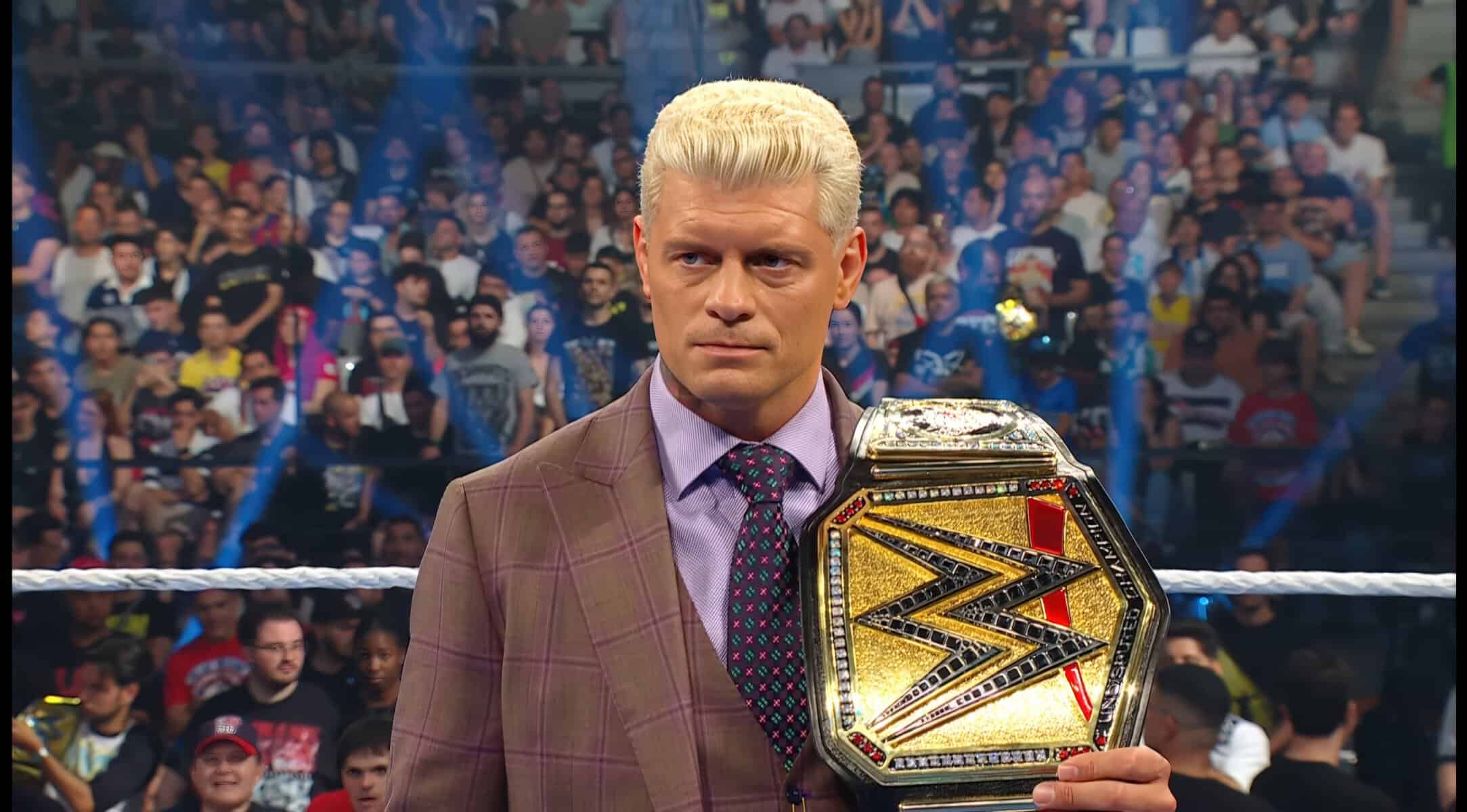
There's a quote floating around from the Undisputed WWE Champion, the man who finished the story, the American Nightmare himself, Cody Rhodes. It's a calm, measured, professional quote. And that's exactly what's so terrifying about it.
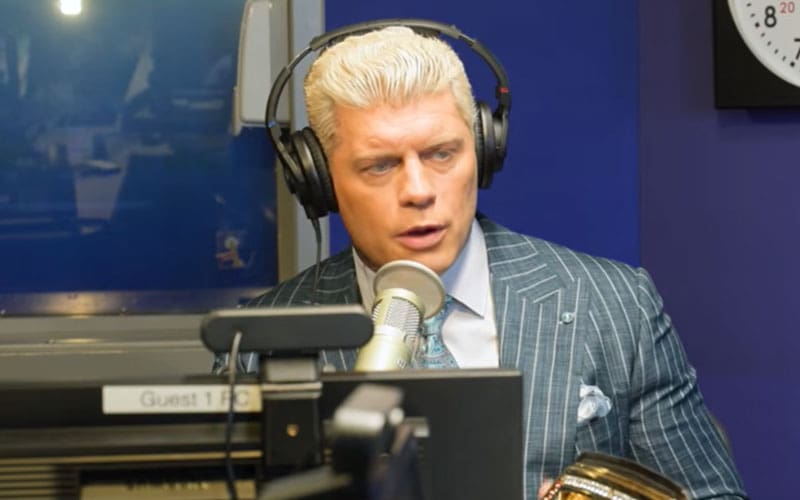
Asked about the... let's call them enthusiastic reactions for his opponents, Rhodes said he doesn't take it personally. On the surface, that's the response of a confident champion. A guy who's secure in his spot. But if you've been watching wrestling for more than five minutes, you know that when the top babyface says he's not bothered by the boos, it's time to start worrying. It's like a quarterback saying he doesn't hear the home crowd booing him after his third interception. You hear them, man. You just wish you didn't.
Let's be brutally honest. The whole two-year crusade to topple Roman Reigns was one of the most compelling, long-form stories WWE has ever told. It was a marathon. It was biblical. It ended in a glorious, tear-jerking triumph at WrestleMania. The problem is, they spent so much time planning the wedding, they forgot to plan the marriage. And the honeymoon is most definitely over.
The Ghost of AEW Past
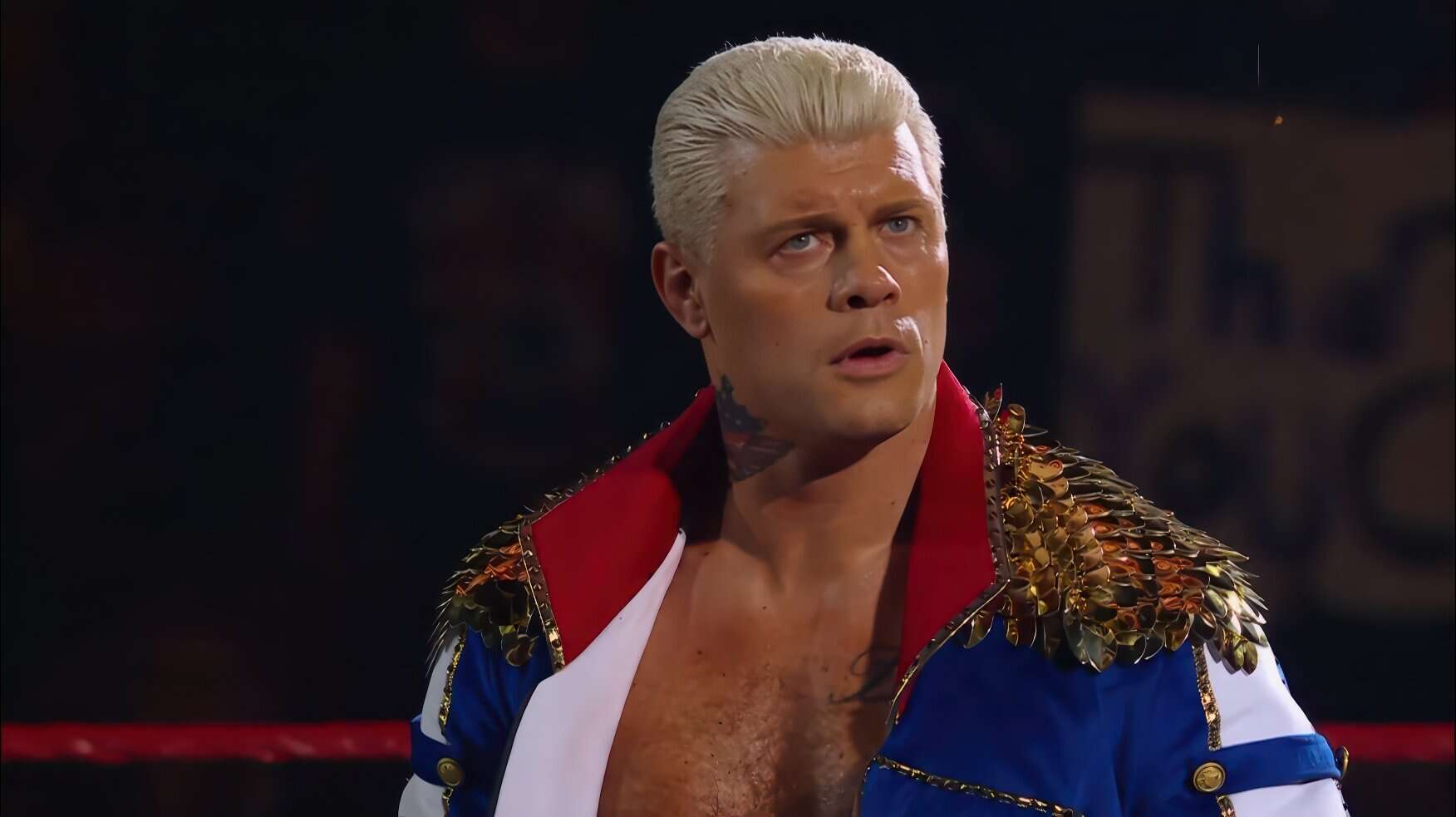
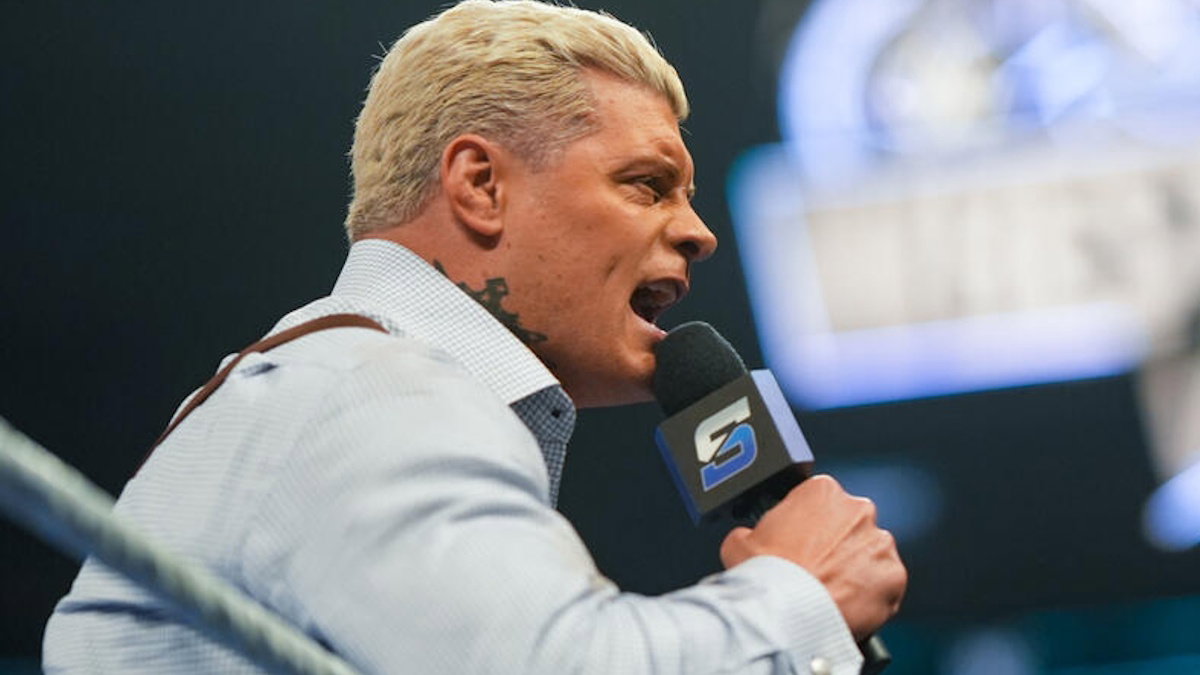
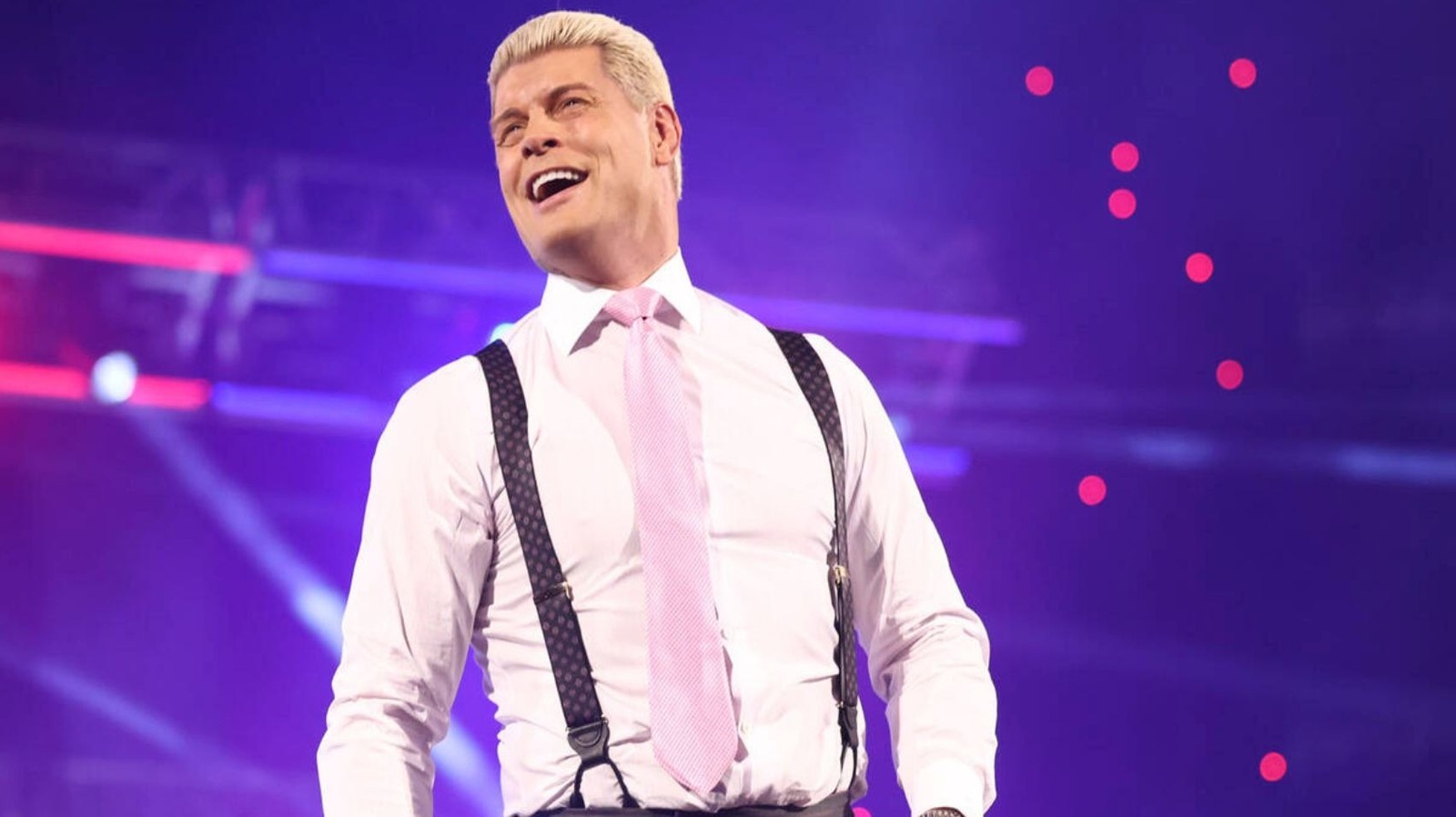
We have to talk about it. We have to talk about the neck tattoo. We have to talk about the suits, the grand entrances, and the very real, very cringey "Homelander" phase at the end of his AEW run. The period where Cody was so desperate to be the gallant, white-meat hero that fans revolted. They booed him out of the building while he was cutting promos about American unity. They cheered his opponents, no matter how dastardly, simply because they weren't him.
Why? Because it felt phony. It felt like a guy playing a character he thought people wanted, not being the person he actually was. When he came back to WWE, the prodigal son returning to the kingdom his father built, it worked. The narrative was perfect. He wasn't just a wrestler; he was a quest. The goal was so pure, so easy to understand — win the belt his legendary father never could — that all the other stuff fell away. The AEW baggage was gone, replaced by a singular, righteous purpose.
But now the purpose is fulfilled. The story is finished. And the guy playing the hero is starting to look a whole lot like the guy they booed out of Jacksonville. The old criticisms are creeping back in. Is he trying too hard? Is the pageantry a bit much? Does he know the crowd wants to sing along to the "WHOA-OH" part of his song more than they want to hear his promo?
Being The Guy Is Harder Than Beating The Guy
Winning the title was the destination. Defending it is a whole different journey, and frankly, the booking has been a wet fart in a hurricane. Post-WrestleMania, Cody's reign has felt less like a new chapter and more like a long, drawn-out epilogue. The feuds haven't had that same fire, that same personal stake. He's the conquering hero, but there are no more dragons to slay. This is the critical failure of the current run: it has created a vacuum. And wrestling, like nature, abhors a vacuum.
When the top champion's story goes stale, the fans start looking for the *next* story. And right now, that seems to be whoever is standing across the ring from Cody. Whether it's a monster from the revamped Bloodline or a charismatic tweener, the crowd is latching onto the new, exciting thing because the champion has become… well, predictable. It's not outright hatred, not yet. It's worse. It's boredom.
We saw this with John Cena. For years, the most electric part of a Cena match was the dueling "Let's Go Cena! / Cena Sucks!" chants. The difference is, Cena eventually learned to lean into it. He became a master of playing the crowd, of acknowledging the divide and using it to fuel his matches. He weaponized the boos. Cody just says he ignores them.
Maybe You SHOULD Take It Personally
"I don't take it personally." It's the kind of thing you say when you're trying to convince yourself more than anyone else. But in wrestling, the crowd's reaction *is* personal. It's the whole business. It's the most direct, unfiltered focus group on the planet, telling you, in real-time, whether your character is working. Ignoring it isn't a sign of strength; it's a sign of creative deafness.
Stone Cold Steve Austin didn't become the biggest star ever by ignoring the crowd; he became a star because he listened to a tiny pocket of fans cheering him as a heel at King of the Ring 1996 and he lit a match. The Rock didn't become The People's Champion by shrugging his shoulders when they booed "Rocky Maivia"; he took it personally, turned on them, and became the most charismatic performer in history.
Cody stands at a crossroads that will define his legacy, not as a challenger, but as a champion. He can continue on this path, being the polished, professional, company man who doesn't let the boos get to him. He can keep kissing babies, wearing the expensive suits, and being the perfect hero. And the crowd will slowly but surely turn on him completely. Or, he can take it personally. He can listen to what the crowd is telling him. They're not telling him they hate him. They're telling him they're ready for what's next. They're ready for the character to evolve beyond the man who finished the story and become the man who writes the next one.
Read Next
- Top 10: Greatest Moments in Modern Wrestling History
- Nikki Bella's Walking Boot: The Oldest Trick in Wrestling's Book?
- WWE Is Already Killing Your WrestleMania 42 Fantasy Booking
- The Rock's Final Transformation Is Complete
- 🏆 WrestleMania 41 — Full Coverage Hub
- 💥 WWE Backlash 2026 — Full Coverage Hub