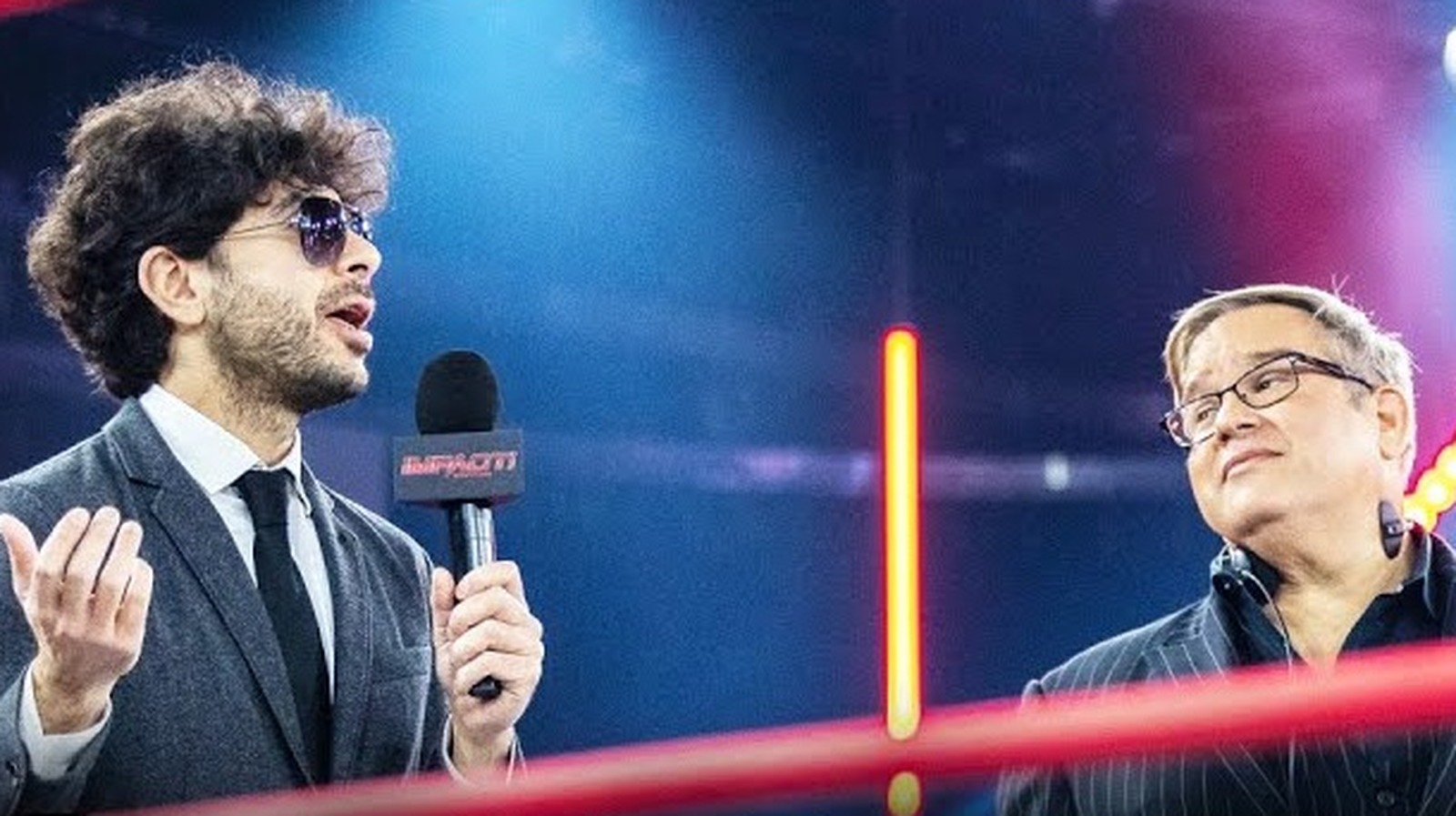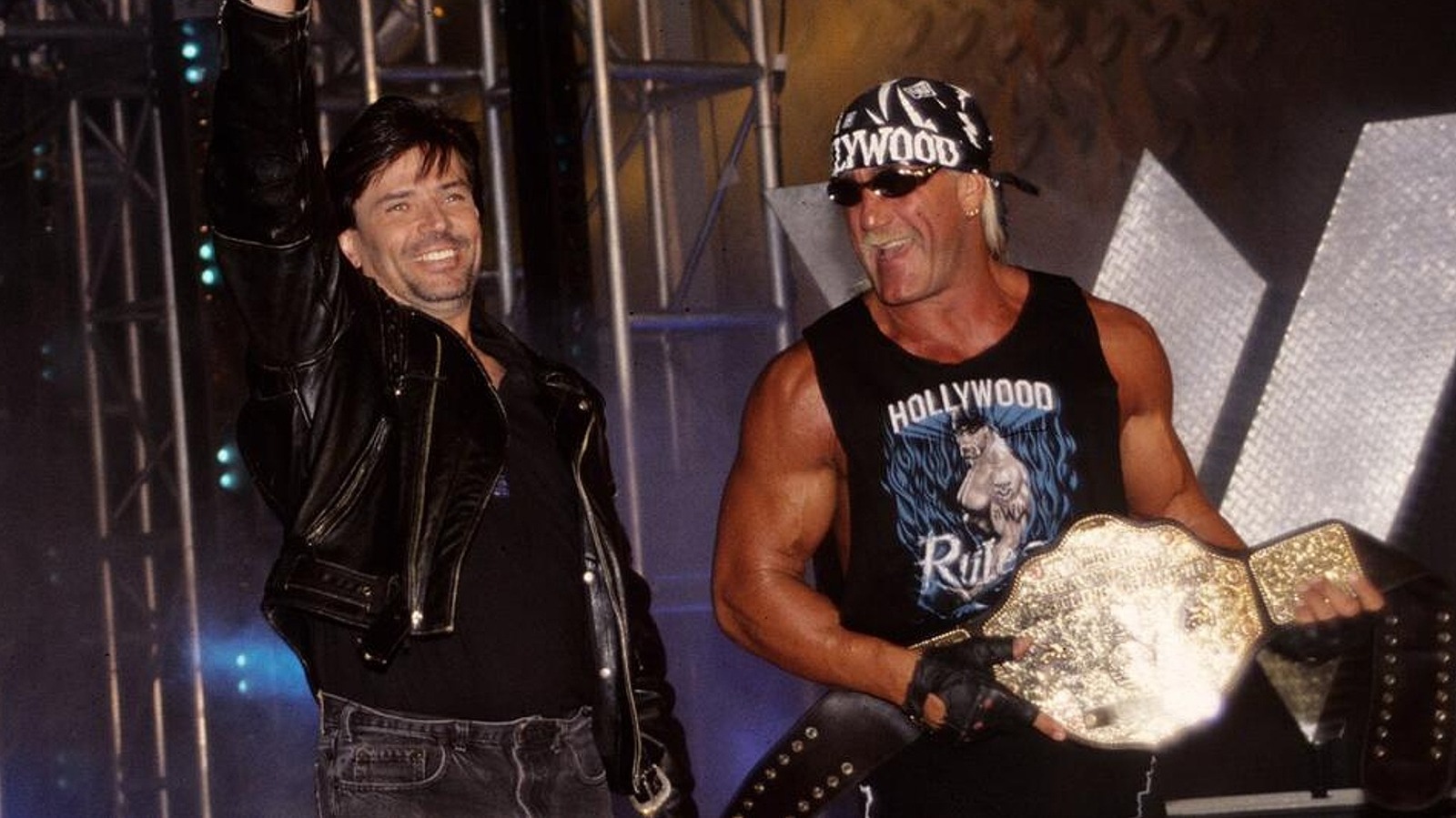
The shadow of 2010 still looms over TNA
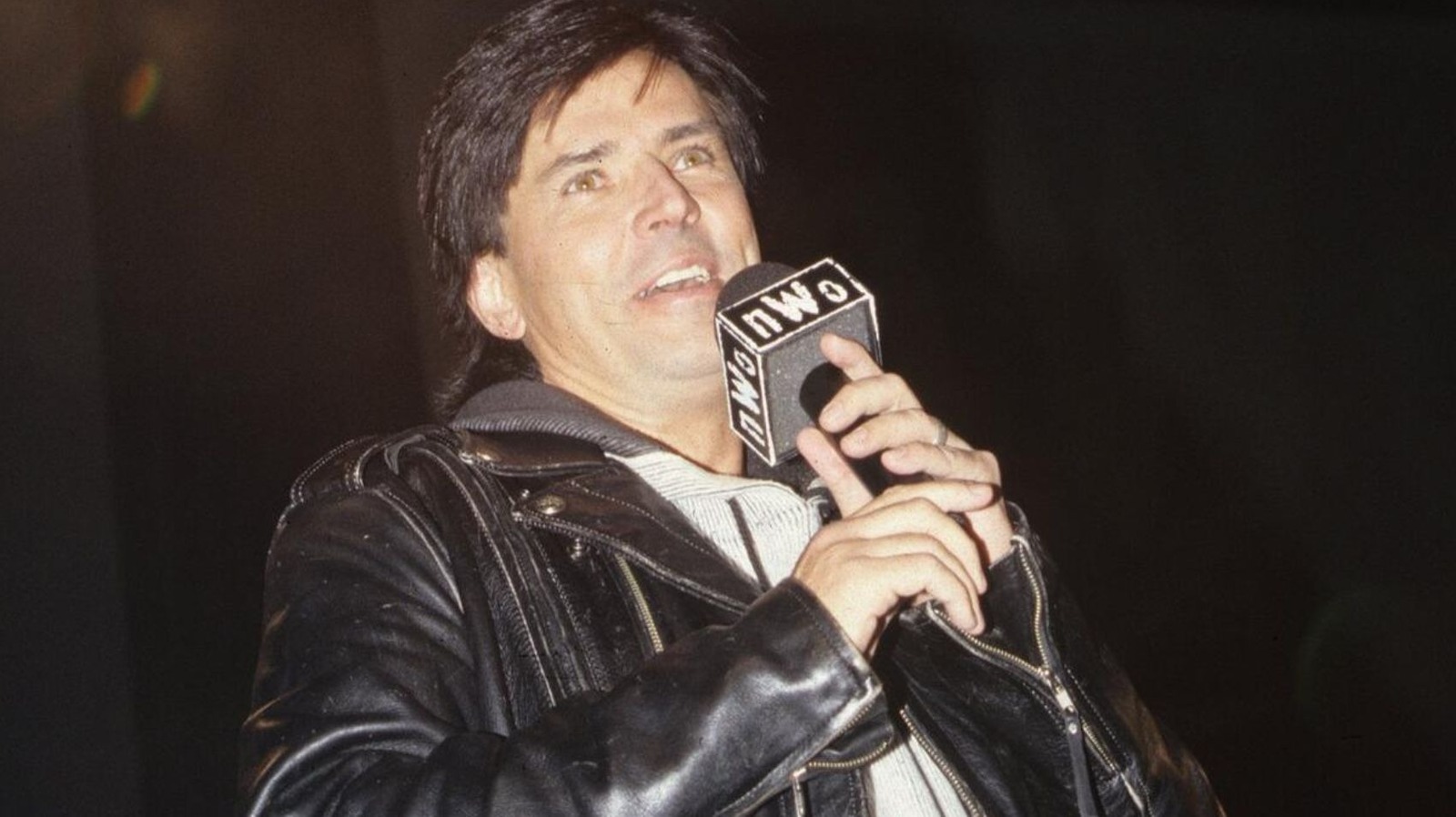
Revisionist history is the curse of the wrestling business. Eric Bischoff recently pushed back against the narrative that he and Hulk Hogan held absolute operational control during their tenure at TNA. His denial is a convenient defense against a decade of criticism regarding the company's creative trajectory.
As Ringside News noted, the contention remains centered on how much authority they actually wielded. Regardless of the internal org chart, the product shifted overnight. The stylistic choices made during that era pushed away the core audience that built the promotion's early reputation.
Booker T and the loss of the six-sided ring
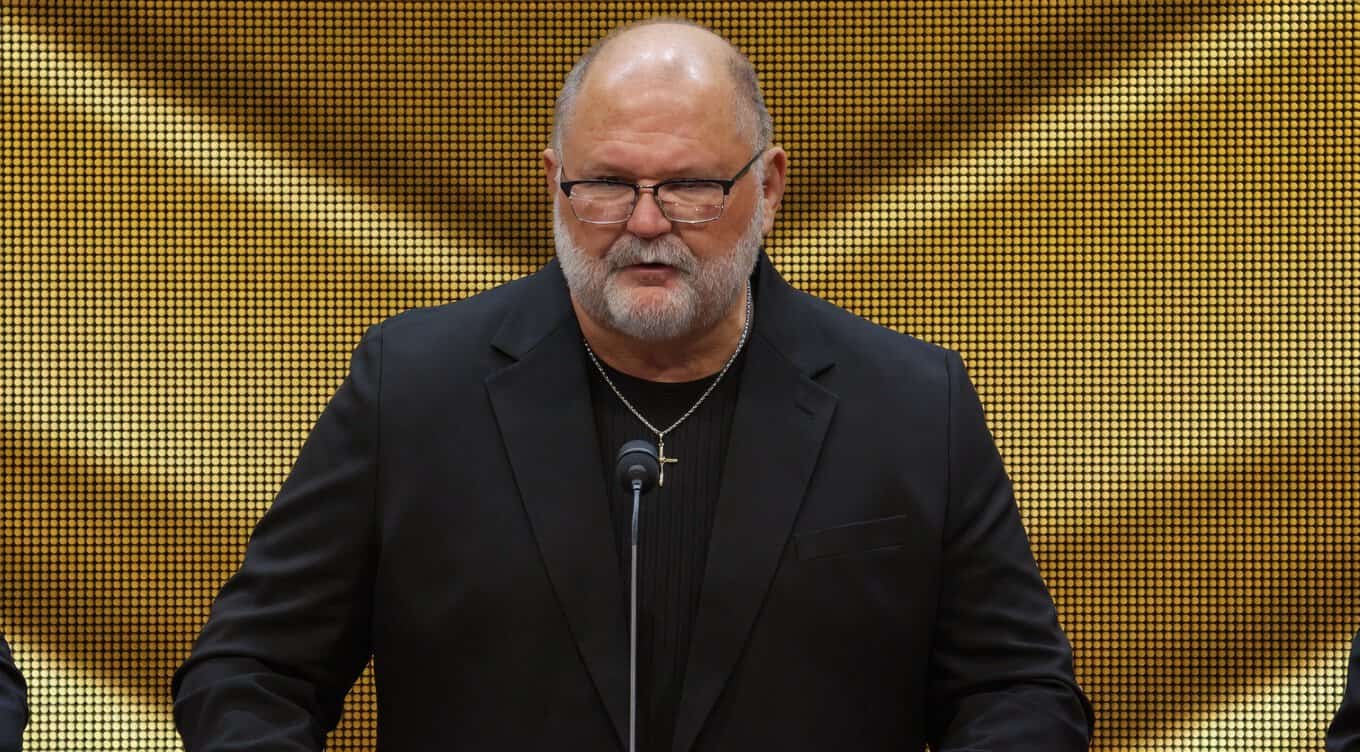
The most visible casualty of the Hogan-Bischoff era was the six-sided ring. It was the visual shorthand for the company's departure from traditional WWE conventions. Booker T has been vocal about this transition, noting that the move to strip away that identity effectively erased the thing that made the promotion worth watching in the first place.
According to Wrestling Inc, Booker T believes the creative pivot was fundamentally at odds with the talent already on the roster. When you stop leaning into what makes your product unique, you become a discount version of your biggest competitor. The move back to four sides wasn't just a ring change; it was a surrender of brand autonomy.
The danger of overthinking the big stage
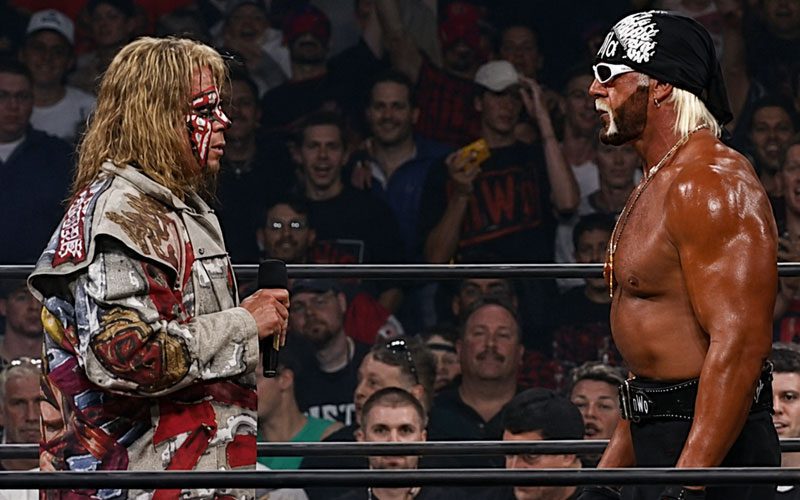
Modern promoters often suffer from the same paralysis that ruined the Starrcade 1997 main event between Hulk Hogan and Sting. The obsession with creating a moment often leads to the degradation of the payoff. We see it time and again: the buildup is pristine, the match is ready, and then the finish is mangled by indecision.
As explored by Ringside News, the Starrcade finish collapsed because the people in charge couldn't commit to a clean outcome. That singular flaw turned a potential career-defining payoff into a historical punchline. When companies try to over-engineer their biggest moments, they lose the pulse of the crowd.
Lessons for the current generation
The lesson for today’s promoters is simple: authenticity beats imitation every time. Promoting a show by chasing the ghost of the 1990s or trying to mimic a competitor's aesthetic rarely sticks. The audience knows the difference between a calculated pivot and a organic evolution of the product.
My prediction for the industry's next major cycle is that we will see a decline in veteran-led creative control. Companies that prioritize homegrown stars over recycled icons see a 15% increase in audience retention across younger demographics. Those that rely on past names to carry the banner will find themselves fighting for relevance in a crowded market.