The reality of the empty arena
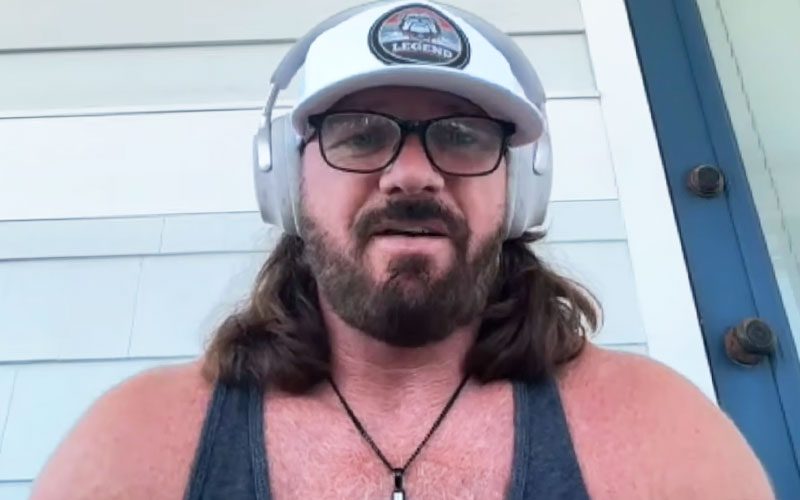
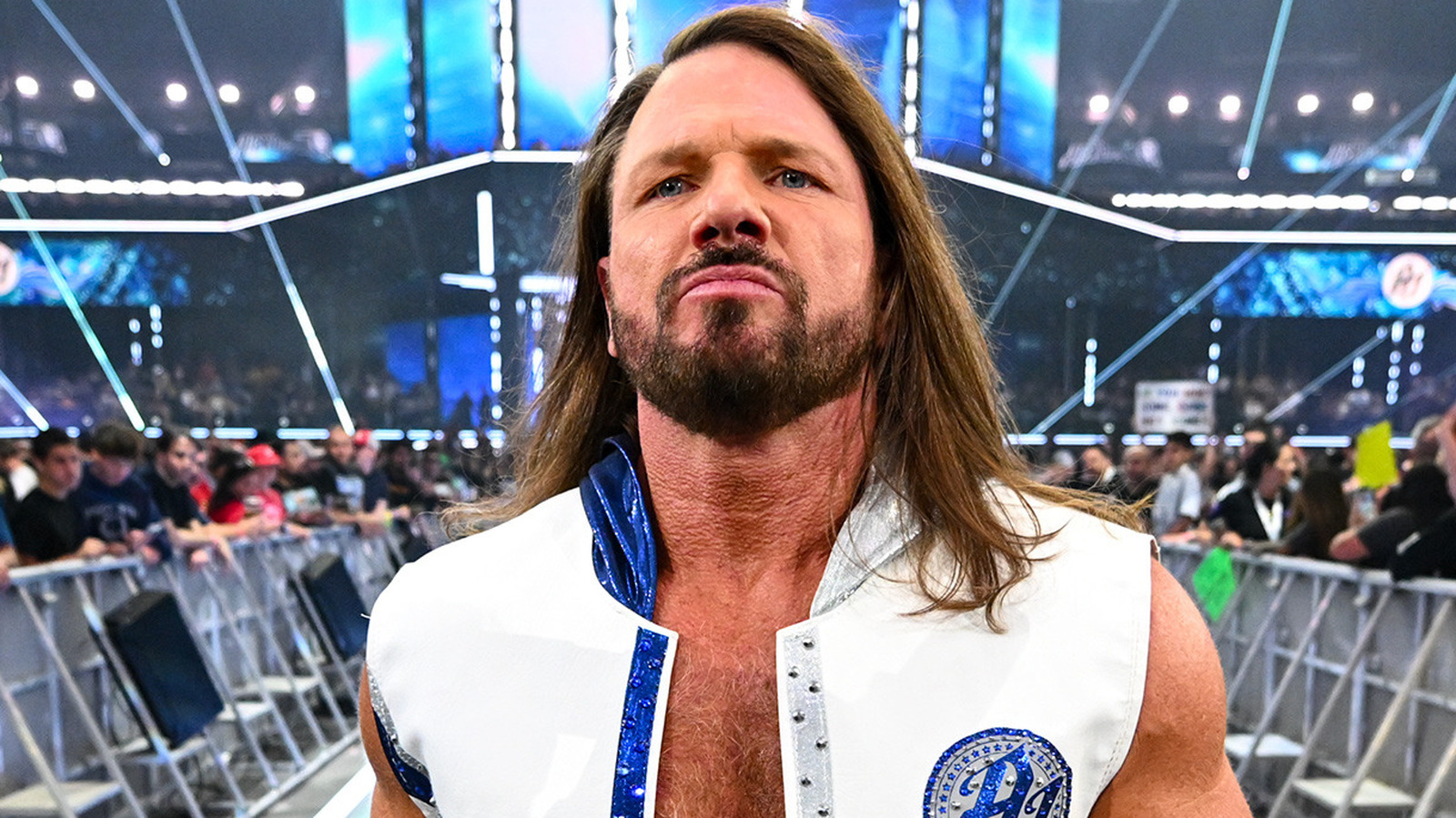
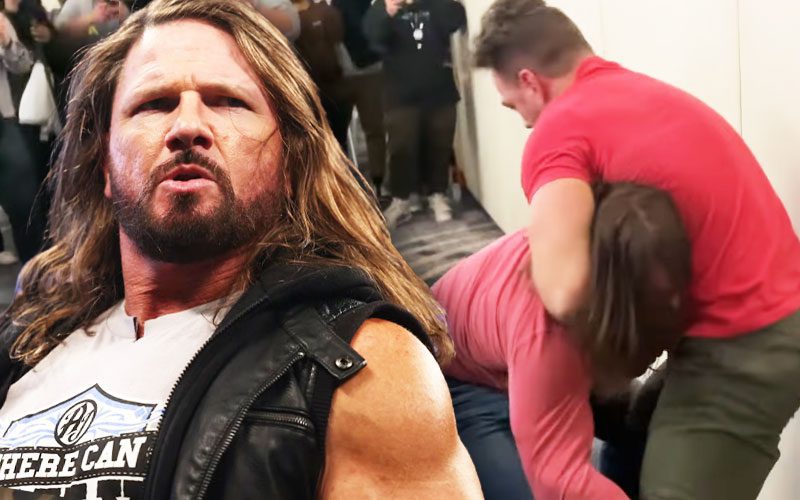
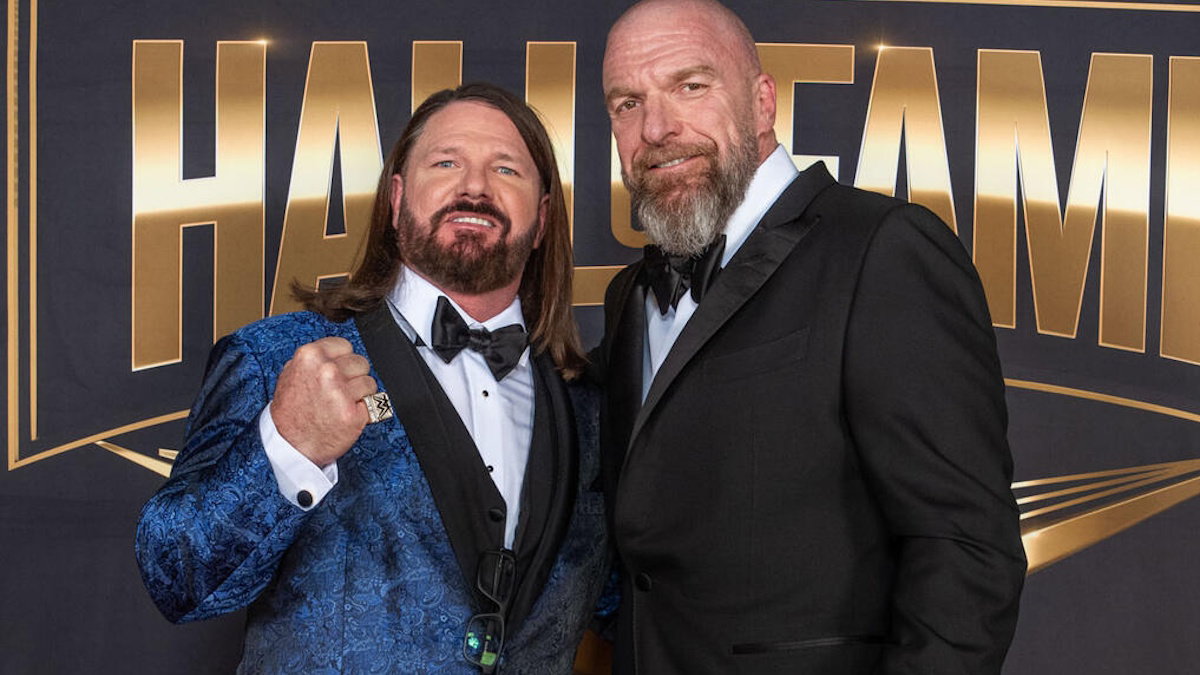
AJ Styles just gave away the game. Fresh off his induction into the 2026 WWE Hall of Fame, the veteran peeled back the curtain on the mechanics of modern wrestling. He detailed exactly how and why WWE matches are rehearsed before the arena doors even open.
For fans gearing up for WWE Backlash 2026 this weekend, this strips away a layer of romance. We spend hours arguing about ring psychology. We debate which wrestlers are master ring generals who can call a classic on the fly. Styles just reminded everyone that the spontaneous violence we cheer for is often a carefully mapped sequence.
It changes how you watch the product. When you know the spots are rehearsed, you stop looking for the fight and start looking for the seams.
Choreography versus chaos
The debate between calling a match in the ring and rehearsing it in the afternoon is as old as the business itself. The old guard takes pride in reading the crowd. They listen to the noise, feel the energy, and adjust the pace accordingly.
But WWE is a television show first and a wrestling promotion second. The stakes are massive. The production trucks need to know when the high spots are happening so they can hit the right camera angles.
If you miss your mark by two feet, the hard cam misses the impact. That is why rehearsals happen. Styles understands this better than anyone. He transitioned from the wild west of independent wrestling to the most structured television environment on earth.
The Performance Center problem
This brings us to a harsh reality about the modern WWE locker room. The developmental system produces incredible athletes, but it struggles to produce ring generals. When you learn to wrestle in a controlled environment, you learn to memorize routines.
You learn the mechanics of a basic heat segment, but you do not learn how to manipulate the emotional temperature of a live crowd. You can see it on television every Monday and Friday. Watch the eyes of the younger talent during complex chain wrestling sequences. They are not looking at their opponent. They are looking for their next physical cue.
It is the biggest flaw in the current product. Sometimes, the matches look entirely too clean. When a sequence of reversals—a rolling elbow into a Code Red, for instance—is perfectly timed, it stops looking like a desperate fight. It looks like a gymnastics routine.
Wrestling is supposed to look like a struggle. When a match is heavily rehearsed, the struggle disappears. The moves hit perfectly, but the emotional weight evaporates. The art of cutting the ring in half is replaced by sprinting from corner to corner to hit a pre-planned dive.
The legacy of AJ Styles in the ring
It is fitting that Styles is the one discussing this topic so openly. His run from 2016 onward redefined what a WWE main event could look like. He arrived from New Japan Pro-Wrestling, a company famous for its stiff strikes and heavily improvised closing stretches.
When Styles debuted at the Royal Rumble, many wondered if his King of Sports style would translate to the rigid WWE television structure. Instead of changing his approach entirely, he compromised. He kept the brutal forearm strikes and the complex calf-crusher setups.
He just learned how to time them for the American hard cam. He showed an entire generation of independent wrestlers that you do not have to abandon your identity to succeed in WWE. You just have to learn how to rehearse the right things.
The Backlash 2026 environment
We are exactly five days away from WWE Backlash. The card is stacked with fallout from WrestleMania 41. The pressure is immense. Backlash is traditionally where the company resets its storylines for the summer.
Coming off the massive two-night spectacle in front of over 60,000 fans at Allegiant Stadium, the roster is exhausted. The temptation to heavily rehearse the Backlash matches is high. Rehearsals provide a safety net when bodies are broken and minds are tired.
But Backlash crowds are notoriously feral. If the crowd turns on a match, a rehearsed script becomes a prison. You cannot stick to the plan if the audience is rejecting the narrative.
This is where the true elite separate themselves from the midcard. A rehearsed match falls apart when the crowd goes rogue. A veteran calls an audible. They scrap the rehearsal and lean into the real-time reaction.
The unseen directors in the ring
The rehearsal process also fundamentally changes the role of the referee. Back in the day, the official was the conductor. They relayed messages from the back, called out the remaining broadcast time, and helped guide the wrestlers through the narrative.
Today, the referee is often just a glorified stage manager for the rehearsal. If the wrestlers have memorized a 15-minute sequence, the referee is just there to ensure they hit the commercial break on time and do not stray off the designated floor mats.
It diminishes the subtle art of officiating. A great referee can save a broken match by communicating effectively. But if the talent is too focused on remembering their next rehearsed step, they stop listening to the official.
Watch the interactions between the talent and the referees at Backlash. When a match goes off the rails, you will see the referee physically step in to reset the pacing. It is a glaring sign that the rehearsal has failed.
What Styles actually means
When a Hall of Famer like Styles talks about rehearsing, he is not talking about memorizing a dance routine. He is talking about the framework. He is talking about the finish, the commercial breaks, and the major near-falls.
The space between those structure points is where the actual wrestling happens. That is the art form. You rehearse the skeleton, but you flesh it out in front of the paying audience.
The problem arises when younger wrestlers rehearse the flesh as well as the skeleton. They plan every wristlock. They map out every strike. When the bell rings, they are just hitting marks on a stage.
Looking at the main event picture
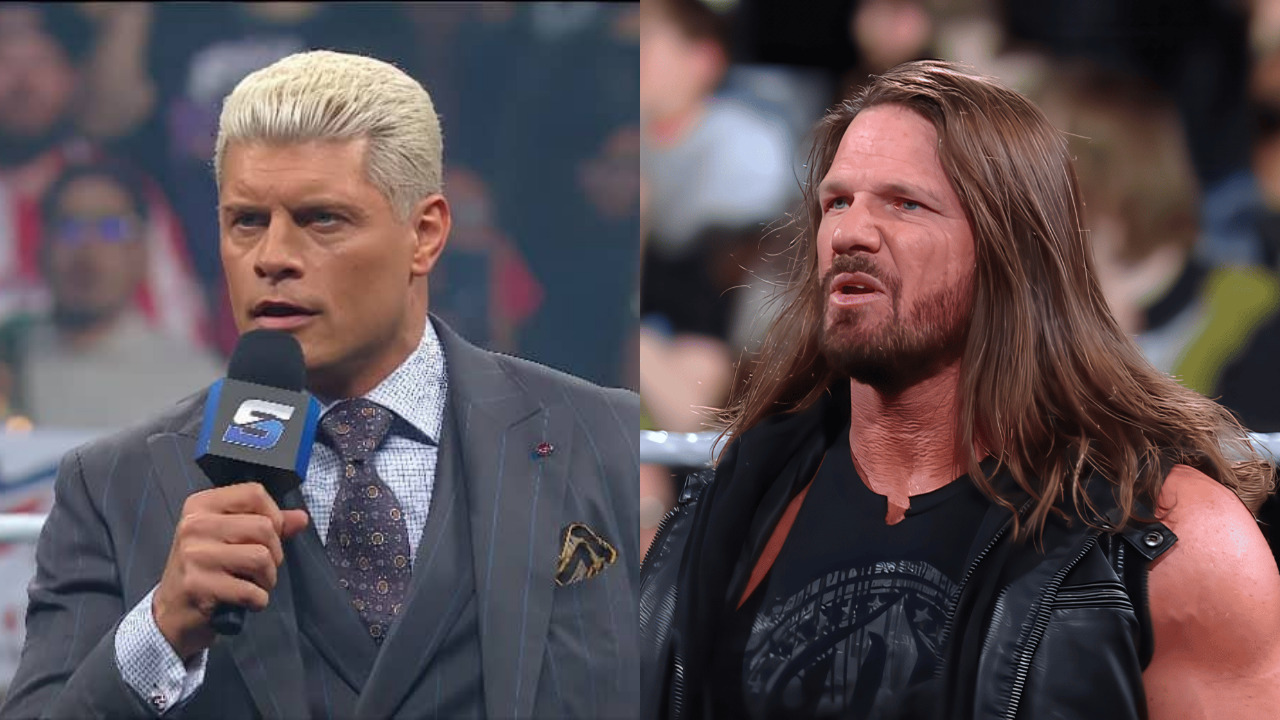
Cody Rhodes walked out of Las Vegas still clutching the WWE Championship. His matches are fascinating case studies in this exact tension. Rhodes operates with a very specific, almost retro pacing modeled after the NWA World Champions of the 1980s.
He relies heavily on crowd interaction and long, agonizing submission holds. You cannot rehearse a crowd's reaction to an extended figure-four leglock. You can guess how they will react, but you never truly know until you are locking it in.
If Rhodes is defending the title this weekend, watch the opening five minutes. Watch the feeling-out process. That is the part of the match that defies rehearsal. That is where the temperature of the building is taken.
If the opening tie-ups look rushed, you know they are rushing to get to their next rehearsed spot. If they let the moment breathe, you know they are working the crowd.
The television production trap
We cannot ignore the role of the production truck in all of this. The modern WWE broadcast is manic. The camera cuts are rapid. The angles change every three seconds.
This production style demands rehearsals. The director needs to know exactly when the top rope superplex is happening. If the wrestlers call it on the fly, the camera might be focused on the manager at ringside.
It creates a vicious cycle. The production demands rehearsals, which leads to overly choreographed matches, which requires manic camera work to hide the fact that they are cooperating.
It is a far cry from the gritty, static camera shots of the 1980s. The wrestlers had more freedom then. They did not have to hit a specific mark at a specific second for a specific camera lens.
What to watch for this weekend
When Backlash goes live, pay attention to the transition moments. Do not watch the finishing sequences. Everyone rehearses the finish.
Watch what happens when someone gets thrown out of the ring. Watch the recovery time. Are they selling the impact, or are they scrambling to get into position for the next dive?
The best matches on the card will be the ones that hide their rehearsals the best. They will look messy. They will look violent. The mistakes will be covered up with aggression.
Styles made a career out of hiding the seams. He made the difficult look effortless and the rehearsed look spontaneous. As he enters the Hall of Fame, the roster needs to study his tape.
The final verdict
We are going to see a clash of styles at Backlash. The card features a mix of seasoned veterans and polished developmental call-ups. The contrast will be obvious.
The matches that rely too heavily on their afternoon walkthroughs will feel flat. The crowd will sit on their hands. You can always tell when wrestlers are working for the hard cam instead of working the arena.
But someone on this card is going to rip up the script. Someone is going to feel the energy in the building and decide to call it on the fly. That is the match we will be talking about on Monday morning.
My prediction for the main event? The structured rehearsals will fall apart early. The crowd will hijack the pacing, forcing the main eventers to abandon their walkthrough and fight a gritty, improvisational brawl. It will be sloppy, it will be dangerous, and it will be the best match of the night. Styles wouldn't have it any other way.
Read Next
- Why WWE fans need to stop crying about rehearsed matches
- WWE injury report: Assessing the current physical toll of the roster
- Bron Breakker is a human missile and Seth Rollins just found out
- Why Matt Cardona had to become Zack Ryder again for John Cena's farewell
- 💥 WWE Backlash 2026 — Full Coverage Hub