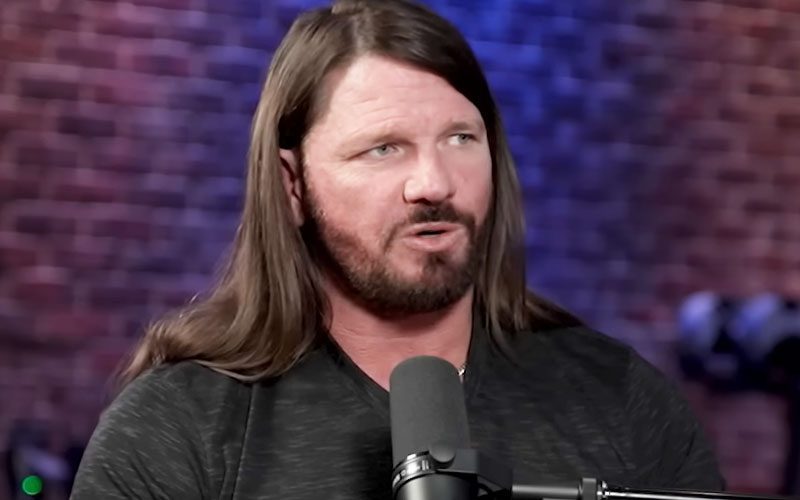
The physical toll at the top of the card
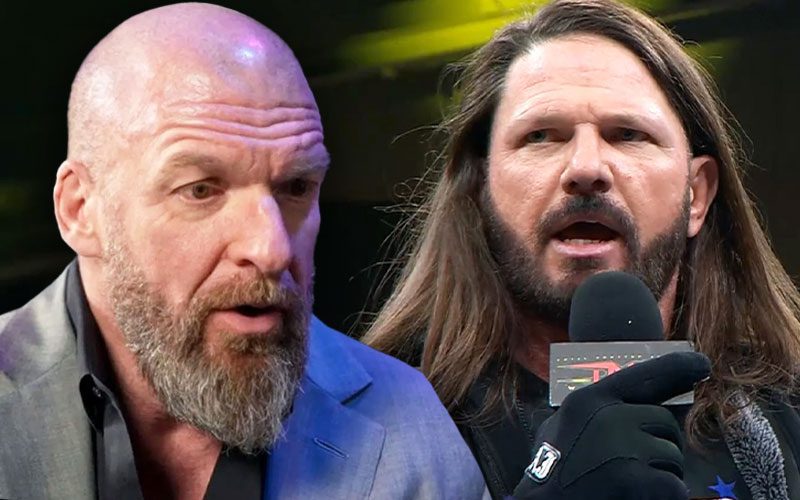
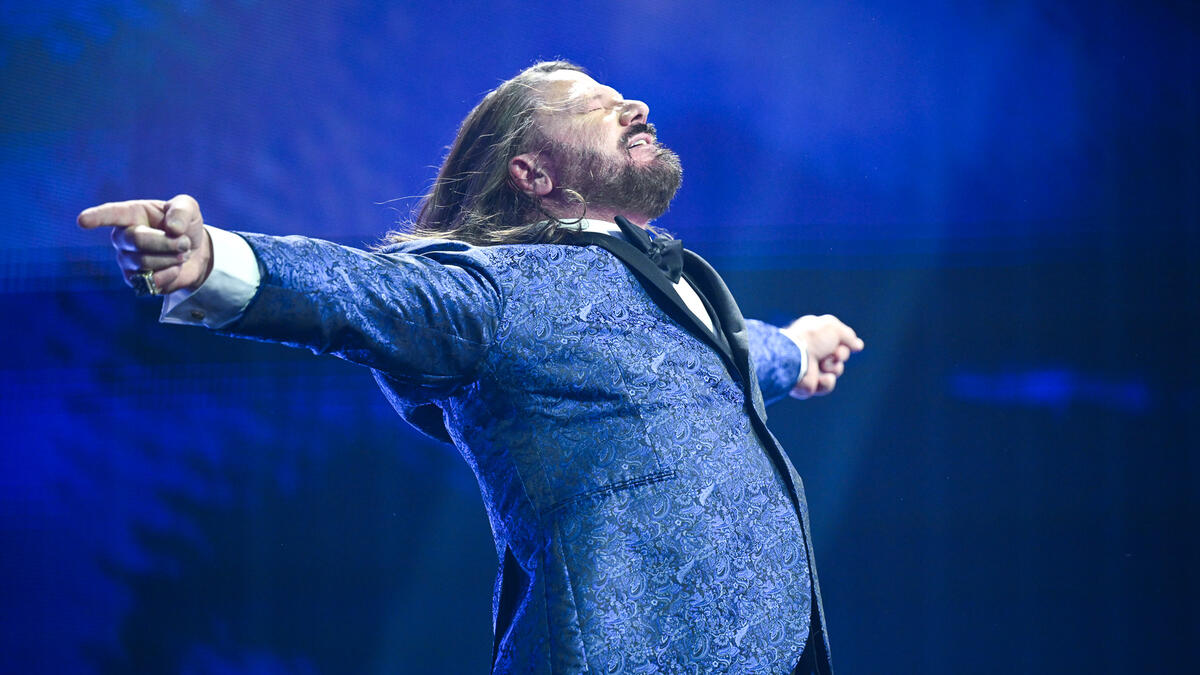
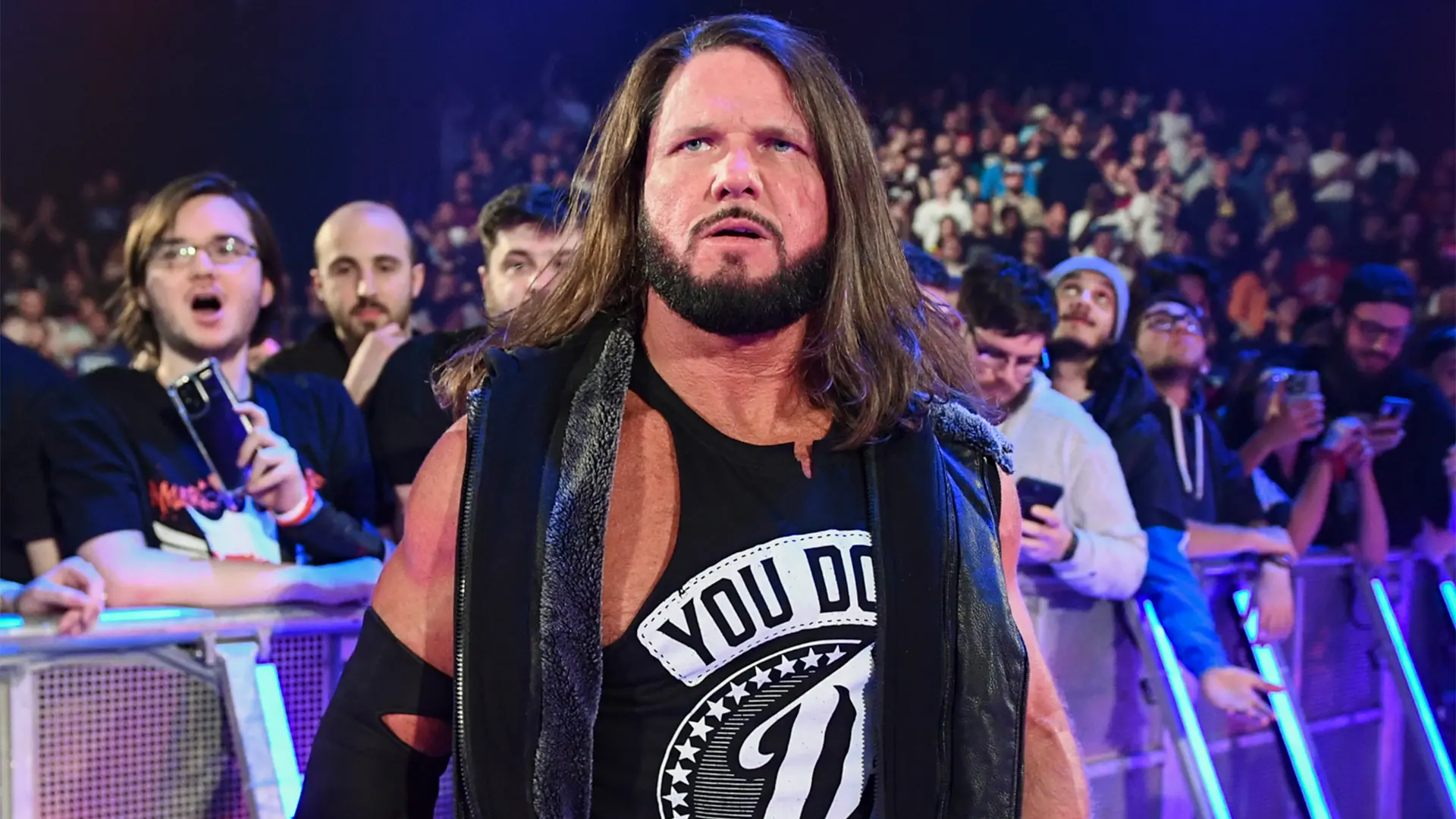
AJ Styles, a foundational name for the company since 2016, is navigating a challenging period regarding his physical health. The veteran has been managing persistent lower back issues that have occasionally hampered his mobility during extended television matches.
While Styles remains a consistent feature on the roster, the reality of his 2026 schedule indicates a necessary adaptation. He recently addressed the fan base regarding organizational management, suggesting that constant negativity toward TKO ownership is counterproductive, as reported by Ringside News earlier this month.
Historical context and performance strain
AJ Styles has spent nearly three decades in the ring. The wear and tear on his lumbar spine and posterior chain is an inevitable result of his high-impact style, which historically relies on explosive vertical leaps and rapid-fire strikes.
Similar to the career trajectories of legends like Shawn Michaels or Chris Jericho, Styles now faces the task of evolving his moveset to preserve his longevity. His reliance on the Phenomenal Forearm and the Styles Clash requires significant spinal load, moves he has been using at a high frequency since his debut in the mid-90s.
Strategic implications for the current roster
The promotion finds itself in a precarious spot. Styles remains one of the few talents capable of anchoring pay-per-view main events without extensive build, yet his health necessitates a controlled workload. This creates a reliance on younger talent to carry the physical heavy lifting in tag team bouts or short-form television matches.
This is a tactical oversight by the creative team. When top-tier talent is effectively carrying injury concerns, they should be utilized in specialized program segments rather than sixty-minute broadways. The reliance on Styles as an iron-man figure is becoming a liability, not an asset.
The medical challenge of the veteran performer
Chronic back pain for professional wrestlers is rarely a binary recovery. It is a slow, methodical management process involving physical therapy, localized inflammation reduction, and modified training routines. Styles is not the first, nor will he be the last, to face this shift in his mid-40s.
We have seen various iterations of this story. Compare this situation to previous returns from spinal disc issues in the industry. The outcome depends heavily on the athlete's willingness to relinquish high-risk aerial spots. Styles has historically been resistant to slowing down, which makes this specific recovery process increasingly complex.
Management and the TKO era
There is a growing friction between the demand for content and the physical health of the performers. As Styles noted, the company at large deserves criticism and praise in equal measure, but the medical reality of the locker room is often shielded from the public eye.
The current scheduling of 2026 demands elite-level physical output multiple times a week. For a veteran with nearly thirty years of bumps under his belt, this pace is unsustainable. Relying on pain management over actual recovery time often leads to premature exits, a trend that the TKO leadership has yet to effectively address in their public discourse.
Looking toward the summer calendar
As the industry pivots toward the massive influx of attention surrounding the FIFA World Cup kickoff on June 11, the focus is squarely on brand visibility. Styles will likely be used sparingly to ensure he is available for high-profile events later in the quarter.
His performance metrics in late 2026 will be the ultimate indicator of his long-term viability. If he continues to work a full-time television schedule, expect further fatigue-related errors. If he shifts toward a special-attraction role, we may see an extension of his career into the next calendar year.
Fan perception and reality
The friction regarding Styles' commentary on fans being too negative highlights a disconnect. Fans perceive the physical decline of aging stars as an indictment of the product's inability to rotate new talent. When an older fan favorite like Styles struggles with movement, it creates a ripple effect of dissatisfaction.
Unless the front office provides a clear roadmap for roster turnover, this cycle will repeat. The hope is that the medical team can bridge the gap through modern regenerative treatments, though history suggests that movement patterns are the only thing that truly prolongs a wrestler's viability.
Final analysis of the situation
Styles is currently at a critical juncture. The goal for any athlete in his position is to reach the 30-year career mark with enough mobility to enjoy life post-wrestling. Every match, every bump, and every flight taken to a show impacts that ceiling.
The industry needs to stop treating its veterans as infinite resources. Until the culture shifts from the constant output model, the risk of acute injury remains at its absolute peak. Styles is attempting to manage a career-ending timeline with veteran awareness, but he is fighting against both age and an aggressive booking schedule.
There is no question that he remains a consummate professional. However, the physical cost of his dedication is becoming too transparent to ignore, and the next few months will prove if he can successfully navigate this decline while staying atop the professional wrestling circuit.