
AJ Styles and the brutal math of the champion's workload
The physical tax of a twelve-month residency
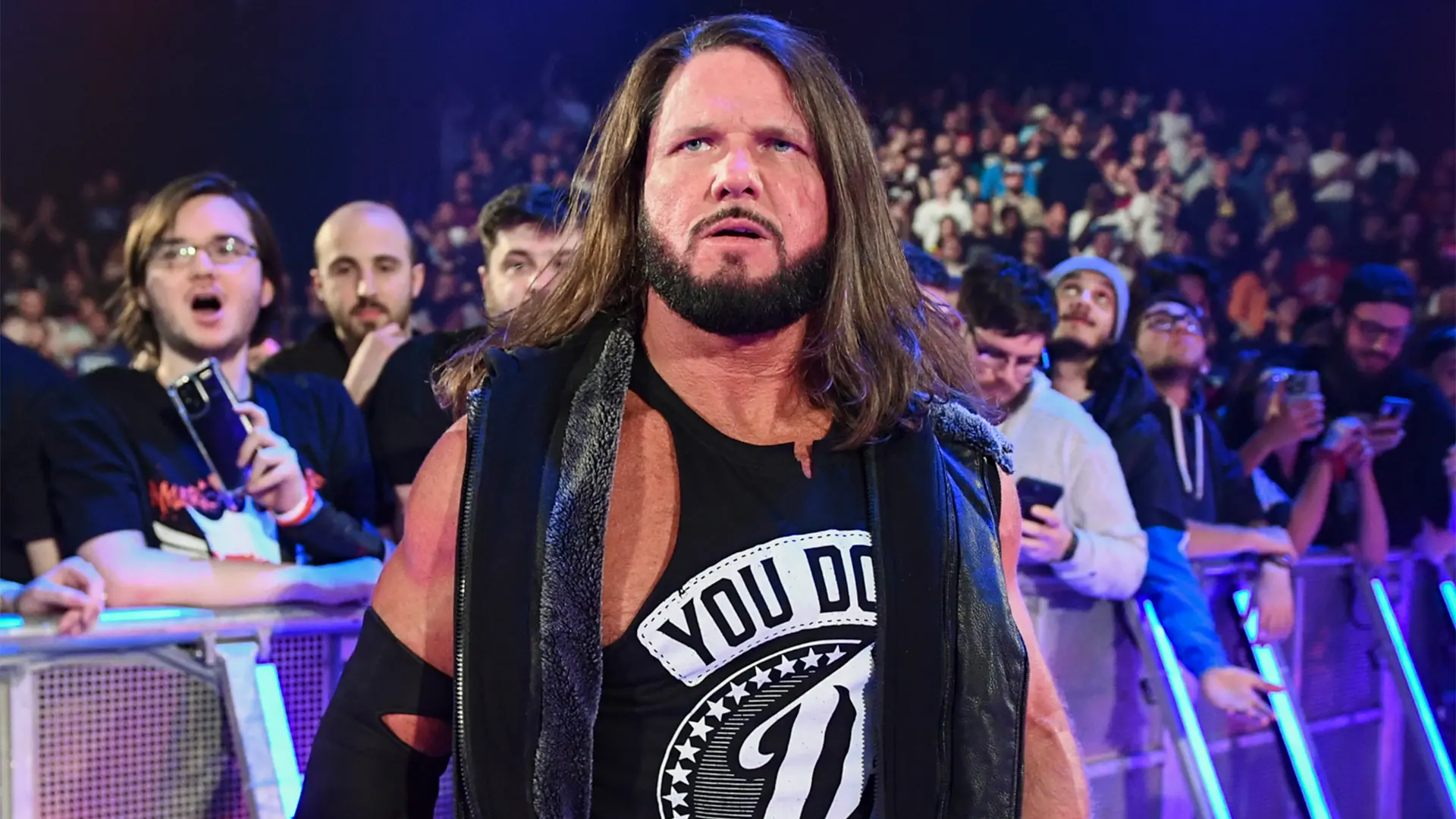
Professional wrestling often ignores the toll of sustained performance. We fetishize the long title reign as the ultimate benchmark of success. Yet, looking at the recent comments from AJ Styles, we see a friction between the creative demand for endurance and the physiological reality of the grind.
Styles characterized his year-long WWE Championship tenure as exhausting. That is not just hyperbole from a veteran; it is an admission of technical attrition. A champion in that slot is not merely working high-profile pay-per-view main events. They are the engine of every live event loop, tasked with carrying the television narrative while protecting their body for the marquee spots.
Mapping the Styles style
Analyzing the mechanics of an AJ Styles match reveals why that exhaustion feels tangible to the audience. He relies on explosive transition speed—the Pele kick, the rapid-fire combinations into the Styles Clash, and the high-angle bumps on the apron. This approach requires constant caloric output and extreme joint impact.
When you sustain that output for 365 days, the efficiency of your movement begins to decline. You see it in the later months of long reigns. The snap on the flying forearm drops. The distance gained on defensive rolls narrows. The statistics often bear this out: match quality spikes early in a reign but plateaus when the performer stops taking risks to preserve their remaining cartilage for the next town.
The hidden cost of the top-tier spot
Management often treats long-term holders as interchangeable assets. They are expected to generate house show revenue while maintaining high-intensity televised ratings. This is where the booking logic fails. If you are asking a technician to go 20 minutes in a broadcast match, then fly to the next three cities for additional bouts, the margin for error shrinks.
We have seen other sports organizations undergo shifts when they push personnel beyond their limits. Football clubs that grind squads into the turf hit a wall in the final third of the season. Wrestling is no different. Styles calling his reign exhaustive suggests that the current cadence of title defenses is unsustainable for performers who prioritize technical precision over raw spectacle.
Critical misses in the long-term format
The blind spot in modern booking is the refusal to rotate the spotlight. By locking the title onto one individual for a full year, the company forces the champion into a repetitive pattern. They must face every challenger on the roster, which dilutes the perceived difficulty of a championship match. When the opponent pool is exhausted, the champion is simply going through the motions to fulfill a contractual obligation.
The data suggests that the best matches often occur when the champion is refreshed and the story is focused. A twelve-month reign rarely offers narrative progression beyond the halfway point. It becomes an exercise in stamina, not storytelling. When we look back at the career of someone like Styles, the exhaustion highlights a mismanagement of his prime years. His body is a precision instrument, but they treated it like a workhorse.
By the 10-month mark, the physical evidence of fatigue becomes apparent even to the casual viewer. The lateral quickness is slightly diminished and the setup time for signature maneuvers increases. If the industry wants to preserve its top draws, it has to move away from the obsession with year-long reigns. It is a formula that hurts the worker and eventually stagnates the product.
Tough: My Journey to Finding True Strength by Terry Crews
A powerful look at what it truly means to be strong, written by a massive wrestl
Frequently Asked Questions
How did AJ Styles describe his year-long WWE Championship reign?
Why is it physically demanding to perform like AJ Styles?
What happens to match quality during long championship runs?
How does the current booking of long title reigns affect storytelling?
Why is the current cadence of title defenses considered unsustainable?
More Coverage
Why Paul Heyman is the ultimate wild card for a post-WWE future
an hour ago
Netflix's live WWE experiment in London shows clear production gaps
an hour ago
Joe Hendry’s main roster transition is a technical masterclass
an hour ago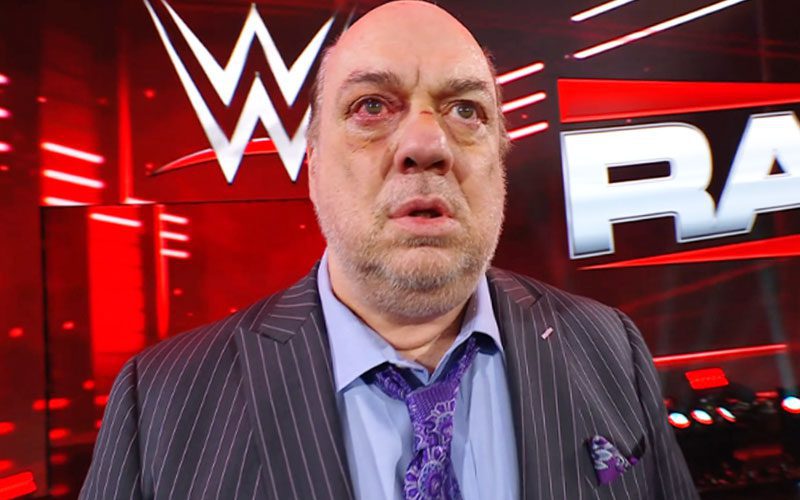
Paul Heyman's undisclosed health battle raises questions about WWE medical oversight
2 hours ago
AEW's market impact is finally forcing WWE to refine its product
2 hours ago
Brock Lesnar's ring exit turned the IWC into a war zone
2 hours agoMore Analysis
AEW needs a win following this week's stagnant Dynamite numbers
an hour agoPaul Heyman is right about AEW for once
an hour ago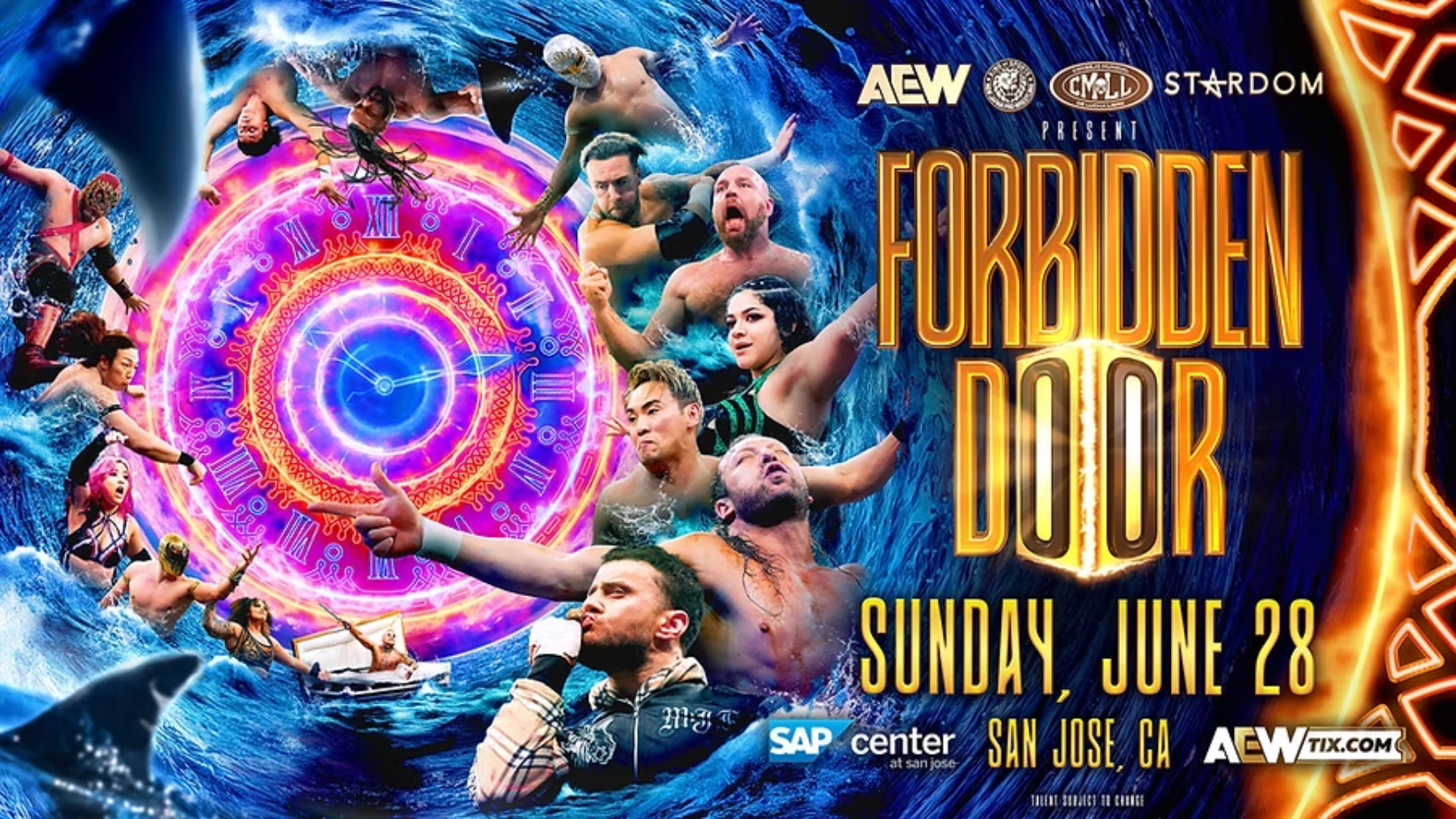
Forbidden Door needs more than just dream matches to succeed
an hour ago
Why Paul Heyman is the ultimate wild card for a post-WWE future
an hour ago
Netflix's live WWE experiment in London shows clear production gaps
an hour ago