TNA star demands accountability after reported threat goes unpunished
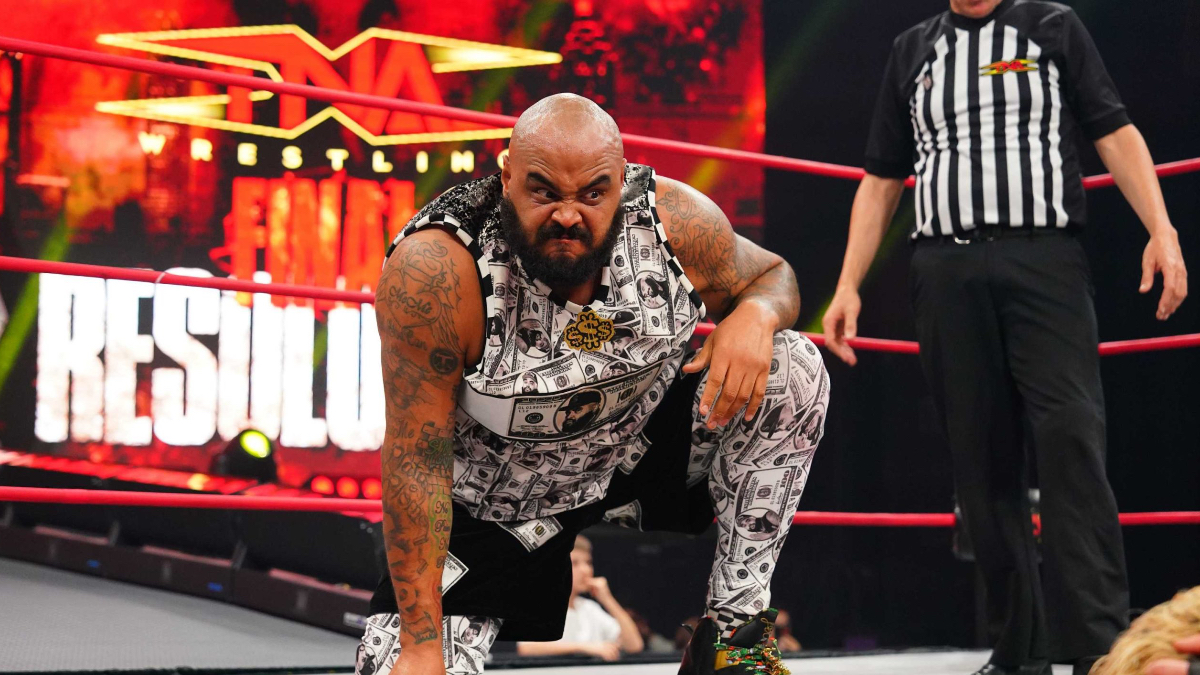
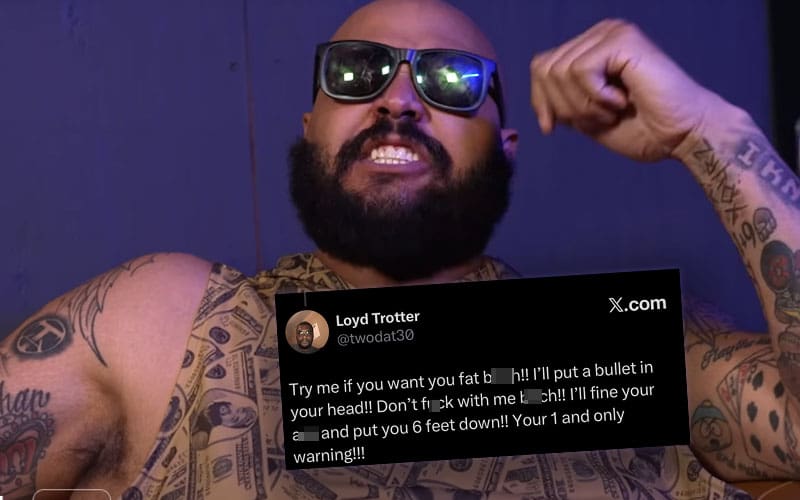
AJ Francis is airing his frustrations with X after his attempt to flag a direct death threat against him was rejected by the platform. The TNA wrestling star took to the social media site to reveal that his formal report of a threatening message was dismissed by automated moderation tools. Despite the gravity of the content, the account that sent the threat remains fully operational and active on the feed.
The incident highlights the ongoing friction between high-profile talent and platform moderation standards. Francis, who has never been one to shy away from public confrontations, did not hold back in his assessment of the company's current security protocols. He pointed to the irony that his report was ignored, while the user behind the threat continues to post without any restrictions or disciplinary action.
The intersection of online toxicity and professional wrestling
For wrestlers, social media is a double-edged sword. It serves as a primary tool for building personal brands and promoting upcoming cards, most notably the high-stakes build-up to events like WrestleMania 41. However, the direct line to fans also leaves them vulnerable to harassment. When threats move from generic trash talk to targeted violence, the lack of a robust response from X creates a genuine safety concern that goes beyond screen-name drama.
Francis has built a career on being a lightning rod for reaction. Whether he is in the ring or on the microphone, he thrives on high-intensity interactions. This latest episode, however, exposes the limitations of digital safety. When a platform tells a user that a death threat does not violate its policies, it fundamentally strips away the sense of security that public figures expect when using these digital spaces.
Platform policy vs real-world danger
The core of the issue lies in the automation of the reporting process. X relies heavily on algorithms to filter out violations, but those systems are notoriously bad at correctly identifying the difference between kayfabe-inspired heel heat and legitimate calls for physical harm. When the humans charged with oversight are either absent or ineffective, the system fails the person being threatened.
As Francis noted, this isn't his first interaction with hostile elements online, but it represents a failure of policy. His frustration is rooted in the fact that he followed the required reporting steps only to be told by a faceless automated system that his safety concern was irrelevant. It mirrors a broader issue where online platforms are optimized for engagement over protection, regardless of the consequences for the individuals concerned.
Where does this leave industry relations with social media?
Professional wrestling is currently heading into one of its most lucrative stretches of the year. With WrestleMania 41 around the corner and AEW building toward Double or Nothing in May, companies are pushing their rosters to stay connected with their audience. If creators feel that their safety is being sidelined to maintain traffic numbers on social media, we may see a retreat from these platforms.
Industry experts have questioned whether the risk-to-reward ratio still justifies the constant exposure. If a star as savvy as Francis cannot get a clear threat addressed, what protection is there for newcomers or talent with lower profiles? The optics of allowing a death threat to persist alongside the perpetrator's other posts are poor for a service that already struggles with advertiser retention. It suggests a lack of urgency that puts performers in an uncomfortable position.
The trend toward digital accountability
This situation is a reminder that the digital space remains largely a lawless environment for those who don't have the leverage to force manual review. For wrestlers who rely on their persona to generate income, the threat of real-world violence is something that should be taken seriously by the organizations that host the discourse. Francis's public call-out is an attempt to force the hand of platform moderators by dragging the error into the light.
Critics might suggest that social media figures must develop thick skin, but there is a clear distinction between a heckler in the front row and a direct violation of safety policies. By refusing to act, X is essentially laundering the behavior of bad actors under the guise of free expression. If this trajectory continues, the relationship between wrestling talent and major social networks will shift from partnership to a necessary evil that requires constant monitoring and external legal pressure.
The impact of internal booking blunders is often discussed, but the lack of digital security is a quiet disaster that needs actual attention. Francis isn't just complaining; he is identifying a broken cog. Whether or not it is fixed will rely on how much noise someone with his platform can generate against the wall of corporate indifference.