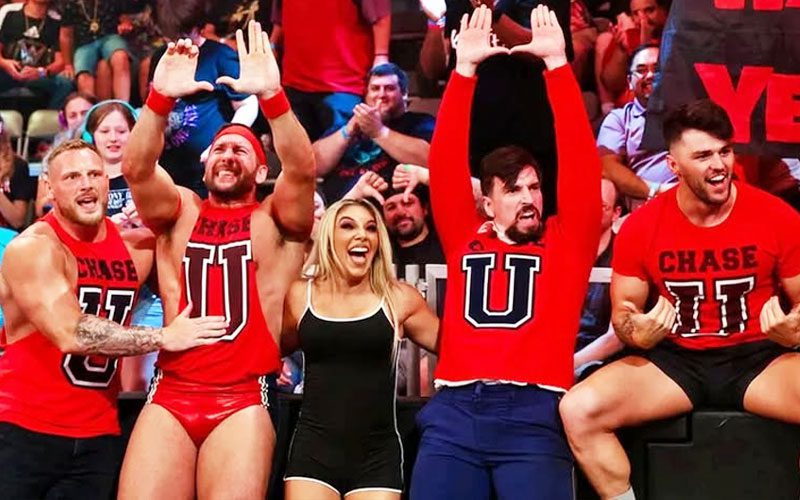
Deonna Purrazzo and the ugly side of fan interaction
The digital friction between talent and audience
Wrestling has reached an inflection point where the boundaries between character work and personal reality are being erased by social media. On June 20, 2026, details emerged regarding a disturbing fan encounter involving Deonna Purrazzo. The fallout from the incident did not remain confined to the arena gates. Instead, it spiraled into a public argument where Purrazzo had to address the invalidation of her own safety concerns.
As reported by PWInsider, Purrazzo provided granular details on the encounter that necessitated a shift in her travel and security protocols. It is a recurring issue in professional wrestling: the assumption that a performer's accessibility is an implicit contract for their personal space. When Purrazzo articulated her discomfort, the digital response was largely predictable, with corners of social media platforms debating her right to boundaries.
The intersection of locker room politics and online vitriol
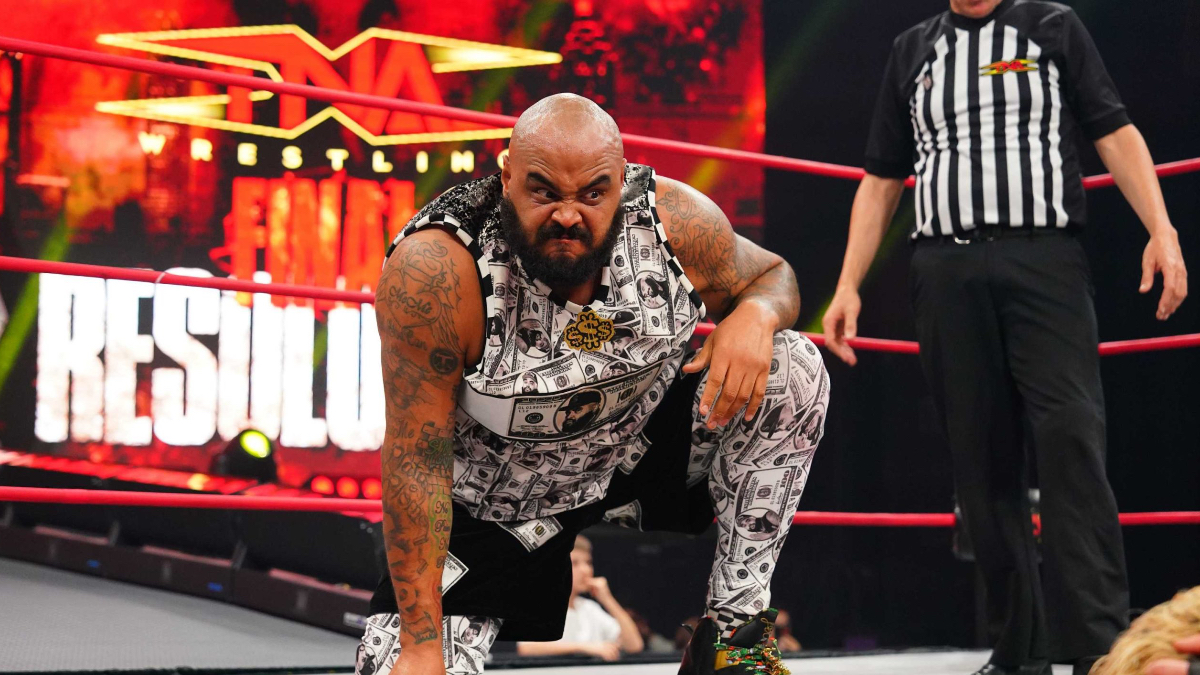
The situation became more layered when AJ Francis became involved in the discourse. According to coverage on F4WOnline, Purrazzo and Myla Grace felt compelled to publicly call out Francis for comments he posted online regarding the situation. It creates a fractious environment within the TNA roster when public commentary undermines a colleague during a moment of professional vulnerability.
AJ Francis has built his current persona on being an agitator. However, there is a clear distinction between heel work and dismissing a genuine security risk a coworker experienced. When those internal disagreements move to the public sphere, it shifts the focus away from the wrestling product and toward the management of interpersonal professional respect.
Reframing the victimhood narrative
The most jarring aspect of the last 48 hours is the redirection of scrutiny onto the target of the harassment. Purrazzo noted that the internet often tries to force women into a victimhood state—or conversely, mocks them for attempting to manage their own safety. She stated, "The Internet Loves To Act Like Women Want To Be Victims," a sentiment captured by Ringside News.
This is where the industry faces a systemic failure. Bookers and promoters are content to market the accessibility of stars during fan-fest events or autograph sessions, but they remain largely silent when the inevitable safety violations occur. Proactive security measures are often treated as an afterthought rather than a mandatory baseline requirement for modern operations. Asking a talent like Purrazzo to navigate not just the physical threat but also the subsequent social media pile-on is a professional environment failure.
The argument that fans are entitled to every minute of a wrestler's attention is a relic of a bygone era. Modern fans need to understand that the "worker" they see throwing a snap suplex stays at the office when they walk through the curtain. When talent calls out a peer for mishandling these boundaries, it is a sign that the locker room culture is undergoing a friction-heavy adjustment period. A wrestler's safety is non-negotiable, and treating it as a talking point for engagement-baiting is a failure by both the involved parties and the platform moderators keeping these threads afloat.
Mattel WWE Elite Collection Series 109 - Jey Uso Action Figure
Main Event Jey Uso in his signature gear, complete with articulations for high-f
Frequently Asked Questions
What happened to Deonna Purrazzo regarding fan safety?
Why were Deonna Purrazzo and Myla Grace critical of AJ Francis?
What is the industry's systemic failure regarding wrestler safety?
How does the internet treat female wrestlers facing harassment?
How does AJ Francis's persona affect the TNA locker room?
More Coverage
AJ Francis is burning bridges while TNA tries to keep the lights on
2 hours ago
Sami Callihan’s TNA exit leaves a crater in the creative room
4 hours ago
Why the industry is fixated on the Brian Pillman playbook
4 hours ago
Top 10: Definitive Moments Shaping Professional Wrestling History
6 hours ago
Tommy Dreamer is back on the road and wrestling discourse is a total dumpster fire
6 hours ago
Old school legends are setting themselves on fire on social media
6 hours agoMore Analysis
AJ Francis is burning bridges while TNA tries to keep the lights on
2 hours ago
Thea Hail is running out of time to prove the critics wrong
3 hours ago
Liv Morgan injury scare shakes up WWE house show circuit
3 hours ago
WWE's latest roster cull leaves eight more stars searching for work
3 hours ago
AJ Styles and the miracle of a non-leaked 2016 Royal Rumble debut
3 hours ago