Measuring the heartbeat of a shifting roster
Professional wrestling is rarely about the scripted outcome and almost always about the visceral reaction of the audience. We are evaluating high-stakes storytelling, crowd investment, and the lasting impact on the WWE business model leading up to April 2026.
The Ranking Breakdown
1. The Bloodline's internal fracturing at SummerSlam remains the gold standard for recent long-form storytelling. The slow-burn betrayal of Jimmy Uso against Jey Uso generated millions of digital engagements and proved that family-based drama draws higher ratings than championship matches. It set the ceiling for what modern main events must deliver to keep fans invested.
2. Cody Rhodes finishing his story at WrestleMania 40 stands as the most satisfying narrative conclusion in a decade. The sheer volume of emotional investment from the live crowd suggested that modern fans crave sincerity over cynical booking. It effectively reset the main event tier, allowing for a fresh crop of challengers to ascend without the shadow of a decade-long title reign.
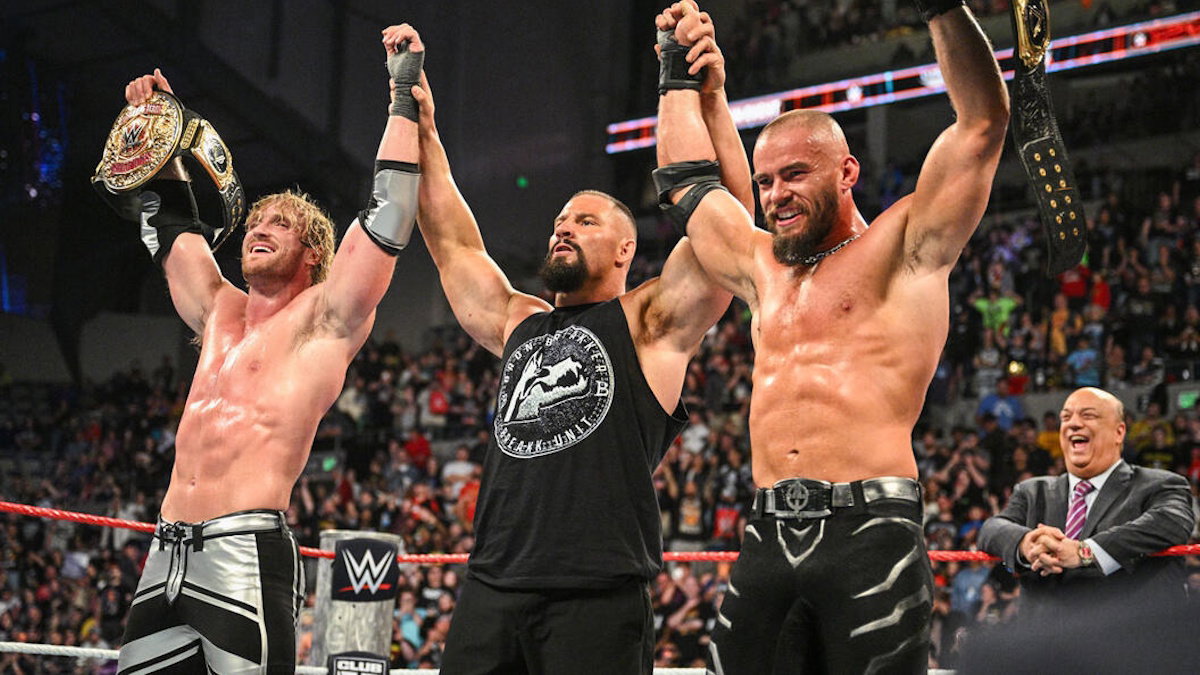
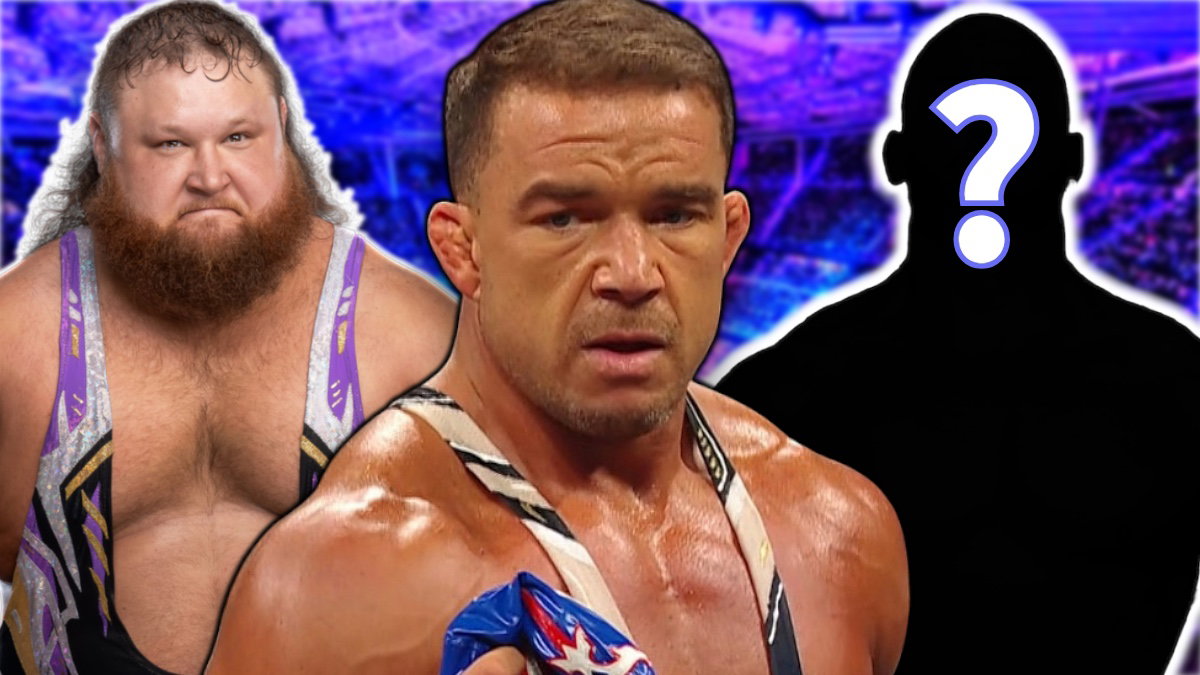
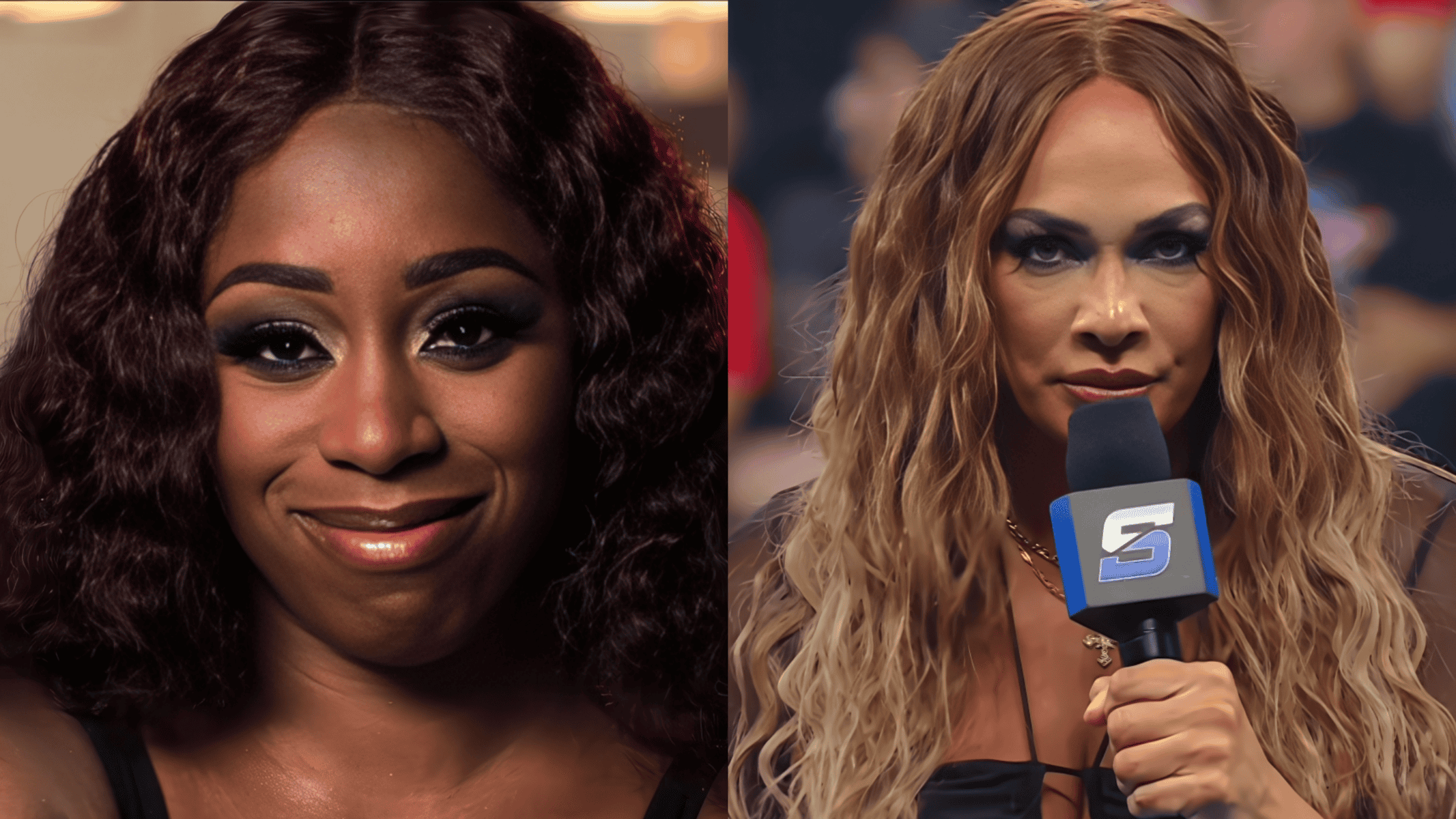
3. The integration of high-stakes mixed-gender dynamics, specifically regarding the growth of internal factions, continues to dominate the creative discourse. As Rikishi recently discussed, the potential for a Bloodline expansion featuring Naomi and Nia Jax offers a fresh direction. This move could turn stagnant character arcs into a renewed focus on clan-based power, which historically yields higher quarterly viewership numbers.
4. Gunther’s Intercontinental Championship run elevated the mid-card to a level of legitimacy not seen since the late nineties. By treating the title as a prize requiring technical mastery, he forced creative to book legitimate challengers instead of comedy acts. This period proved that workrate still matters when the performer has 100% commitment to the gimmick.
5. The return of The Rock at the 2024 Royal Rumble sparked immediate ticket sales surges, highlighting the value of legacy stars. While some purists argue this siphons time from younger talent, the financial reality is that his mere presence lifts the brand's visibility. It is a necessary evil in the quest for short-term stock price growth.
6. Rhea Ripley’s domination of the Women's World Championship division redefined the female wrestler archetype in the 2020s. Her ability to command respect through physicality rather than soap-opera tropes marks a departure from previous creative mandates. It created an inevitability around her matches that few contemporaries can match.
7. The debut of Jade Cargill brought a level of athletic presence that felt distinct from the established roster. Her immediate push reflects a company-wide shift toward recruiting from outside the traditional independent circuit. Integrating someone with her star power quickly is an aggressive play, but it comes with the risk of failing to develop depth behind her.
8. Bayley’s resurgence during her Rumble win and subsequent title path repaired a character that felt lost in the booking wilderness for two years. This comeback serves as a lesson in patience, proving that even mid-career performers can reach new heights with the right underdog narrative. It feels earned, unlike some of the rushed title switches that marred the 2023 calendar.
9. The ascension of Sami Zayn as a legitimate main-event babyface during his feud with Roman Reigns gave the company a template for underdog popularity. Fans latched onto his every movement, forcing the writers to pivot away from original plans. It was one of the few instances where fan agency legitimately altered the trajectory of a WrestleMania main event.
10. The formation of the new Judgment Day faction effectively kept Damian Priest and Finn Balor relevant during transition years. It allowed for intricate, messy booking that kept viewers tuning in on Monday nights for tag team dynamics. The group is currently showing signs of internal decay, which is the exact right time to trigger a dramatic split for maximum impact.
The Big Picture
The current state of professional wrestling relies on balancing legacy nostalgia with aggressive, new-school recruitment. When the creative team leans on organic fan sentiment rather than forced mandates, the product thrives at industry-leading levels.
Honorable Mentions
The rise of LA Knight as a genuine merchandise mover deserves recognition, though he currently lacks a high-level title win to solidify his status. Jey Uso’s transition into a solo act also deserves a nod, as he has maintained his popularity even when separated from the primary Bloodline narrative. These moments, while not enough to crack the top ten, are essential components of the current mid-card stability.
Critical Outlook
A recurring flaw in current booking is the reliance on "surprise" returns to fix lulls in viewership. Relying on retired talent to move the needle for the 20th time is a strategy with diminishing returns. If the company fails to establish new, organic stars beyond the current three-person hierarchy, they will face a significant talent vacuum by the time the next decade concludes.