The pacing problem at the top of the card
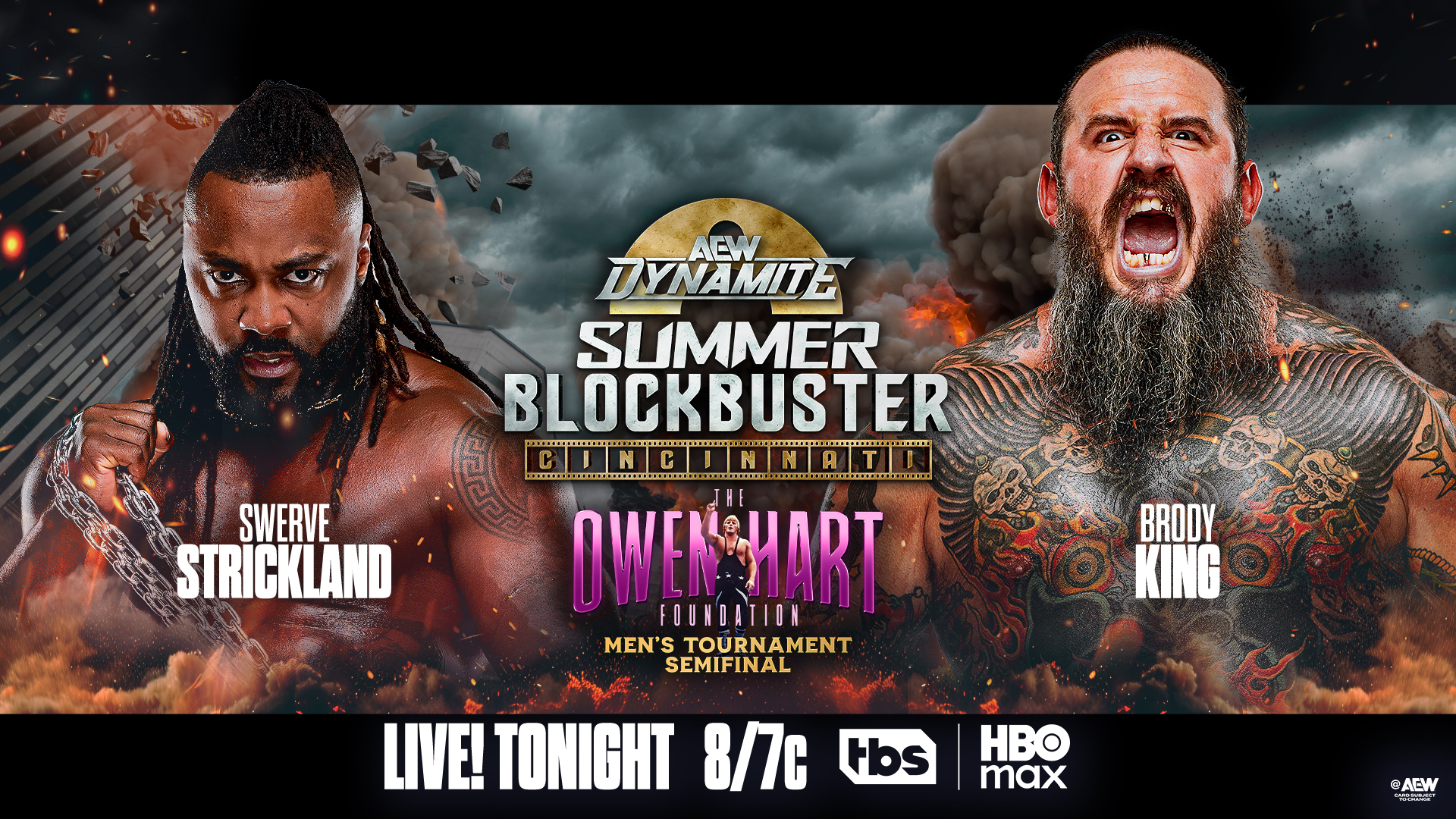
AEW arrived at the Summer Blockbuster event with significant pressure to stabilize their television product. Following the recent AEW Dynamite Summer Blockbuster live results, the company finds itself at an odd crossroads. The main event featured Swerve Strickland squaring off against Brody King, a contest designed to test their top-tier heavyweights. While the physicality held up, the structure of the show left questions regarding how they intend to maintain momentum through the summer.
Technical execution during the Strickland versus King match highlighted a disconnect in how AEW manages their marquee feuds. While individual sequences showed flashes of brilliance, the match lacked the sustained intensity required for a flagship billing. By the 18-minute mark, the crowd energy noticeably shifted, indicating that the deliberate pacing favored by recent booking decisions isn't connecting with the audience as intended.
The ROH integration remains a logistical friction point
The relationship between AEW and Ring of Honor continues to produce odd anomalies in scheduling. We saw this play out on June 10, when the ROH Global Wars show was taped around the main AEW broadcast. The reliance on this crossover material is becoming a crutch rather than an enhancement.
Observing the recent ROH Global Wars results, it is clear that the talent is working hard, but the context is evaporating. Steven Borden and Kiran Grey picked up a tag team win, and Athena successfully retained her title against Syuri. These matches are technically sound, yet they serve as content filler that distracts from the primary narrative threads built on Dynamite. When you dilute the viewer's attention between two different rosters in the same window, the internal logic of both shows suffers.
Why the technical focus isn't enough
Compare this to the recent ROH TV live results, where Bandido faced Angelico. The in-ring work was commendable, yet it felt isolated from the broader AEW picture. Booking matches based solely on high work-rate output ignores the need for foundational storytelling. Without a compelling reason for these wrestlers to inhabit the same space, the product feels fragmented.
My prediction for the coming weeks is cooling engagement unless the booking shifts toward clearer stakes. There is no shortage of athleticism, but directing that talent into a coherent hierarchy is mandatory. Right now, the company is coasting on match quality while losing the plot on the long-form development of its champions.