
AEW Ballpark Brawl proves mid-summer cards need more than just star power
The production fatigue is showing in Minneapolis
AEW Ballpark Brawl on July 10, 2026, showcased exactly why the current creative direction needs an urgent recalibration. On paper, a stadium show in Minneapolis offers the atmosphere and scale inherent to outdoor venues. In practice, the card felt like a stopgap between major tentpoles, lacking the connective tissue necessary to make these weekly outputs feel essential. When you rely solely on high-work-rate performances, the diminishing returns accelerate much faster than the booking team seems willing to admit.
The main event pairing of Adam Cole versus Swerve Strickland carried the weight of expectation. Both men possess the technical caliber to anchor any promotion, yet the execution felt hampered by the sprawling nature of a ballpark setting. The sound design struggled to keep pace with the crowd reactions, creating a disconnect between the in-ring psychology and the viewing experience. We saw a sequence of back-and-forth near-falls that felt detached from the narrative stakes established over the last few months.
Missing the connective tissue in the mid-card
The undercard provided clear examples of the current booking malaise. When high-tier talent performs in a vacuum away from a cohesive feud, the wrestling becomes little more than an athletic demonstration. A 14-minute contest between mid-card staples resulted in a clean finish that left the crowd flat, proving that audience engagement requires consistent beat-to-beat storytelling, not just physical intensity. Athleticism alone cannot carry a three-hour broadcast.
As PWInsider documented in their results, the pacing of the evening hit several speed bumps during the transition segments. The constant shifting from high-flying spectacle to technical mat work without clear thematic motivation turned the middle hour into a grind. The fundamental issue persists: matches are presented as standalone units rather than interlocking chapters in a larger narrative. Even the most technically gifted wrestlers need a reason to exist beyond filling time.
The danger of leaning on house show logic
The decision to utilize public facilities like ballparks risks treating the audience as a traveling local crowd rather than a global viewership base. This creates a specific kind of detachment where nothing that happens on the show carries sufficient weight to alter the trajectory of future stories. When the stakes are effectively zeroed out by the lack of follow-up, the fans feel it immediately. The result is a lukewarm reception to what should have been a marquee affair.
The lack of meaningful promos or backstage segments tying into the broader weekly television output was glaring. Wrestling is successful when it functions like a serialized drama, yet this show operated like a disjointed collection of vignettes. If the goal was to showcase talent in a unique setting, they succeeded physically, but if the goal was to build momentum for the next pay-per-view cycle, the effort fell short. One could argue that this lack of internal logic is why the program sometimes feels like it is spinning its wheels.
A flawed template for growth
Refining these stadium presentations requires more than just scaling up the venue size. The production team must prioritize audio clarity and tighter transitions that highlight the importance of the athletes involved. If the goal is to expand the reach of the promotion, drifting into a format that relies exclusively on in-ring action while ignoring character development is a mistake. The fans are paying for a experience, and currently, the experience lacks a center.
The talent is undeniably present. The technical execution on display—including a sequence of transition maneuvers in the second hour that lasted over 8 minutes—confirms that the roster is arguably the best in the world. However, wrestling is as much about the silence between the moves as it is about the moves themselves. Until the booking respects the necessity of narrative pacing, these large-scale shows will continue to feel like under-utilized potential.
Blood and Guts: How Wrestling Blew Up the World by Scott Hendrickson
A deep dive into how wrestling became a global entertainment juggernaut.
Frequently Asked Questions
When and where did AEW Ballpark Brawl take place?
Who headlined the AEW Ballpark Brawl event?
What issues affected the production quality in Minneapolis?
Why did the event receive criticism regarding its booking?
What is the primary risk of using ballparks for AEW events?
More Coverage
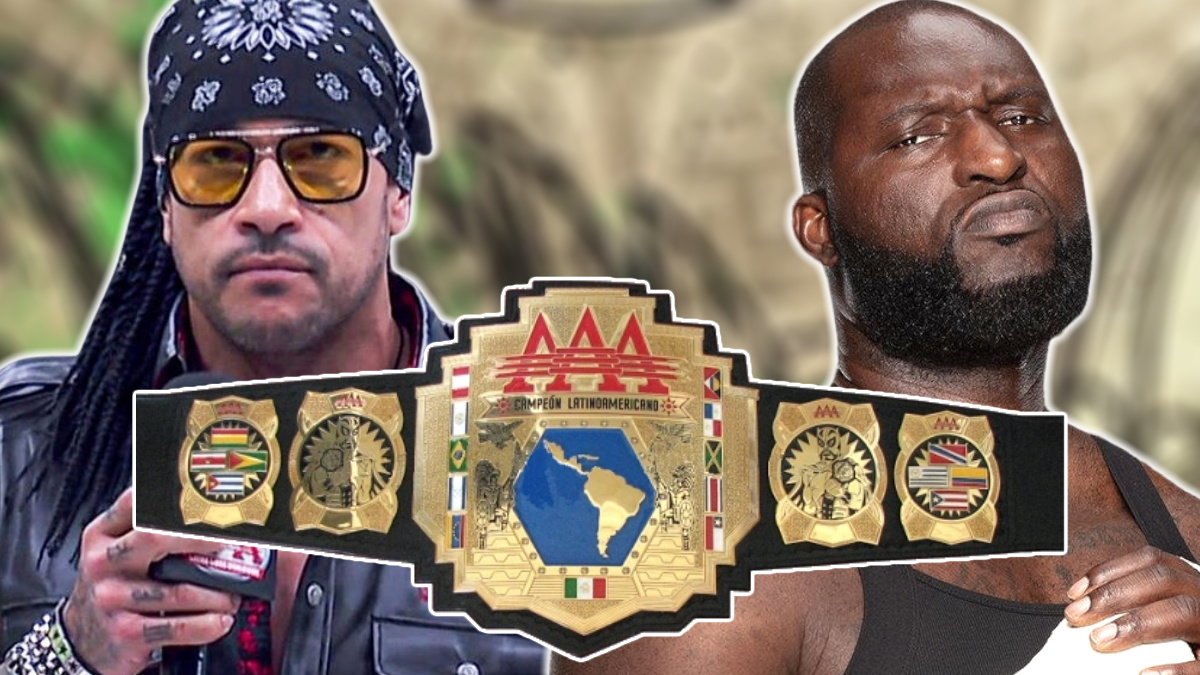
Rey Mysterio vacating the AAA Latin American title is a booking disaster
2 hours agoWWE and AAA are playing a dangerous game with your highlight reels
5 hours agoThirty years of the nWo and we are still rehashing the same ghosts
5 hours agoJinder Mahal is the unlikely talent scout we didn't know we needed
9 hours ago
Killer Kross is busy and the IWC is predictably losing its mind
9 hours ago
The ECW road stories are even more unhinged than you imagined
10 hours agoMore Analysis
Rey Mysterio vacating the AAA Latin American title is a booking disaster
2 hours ago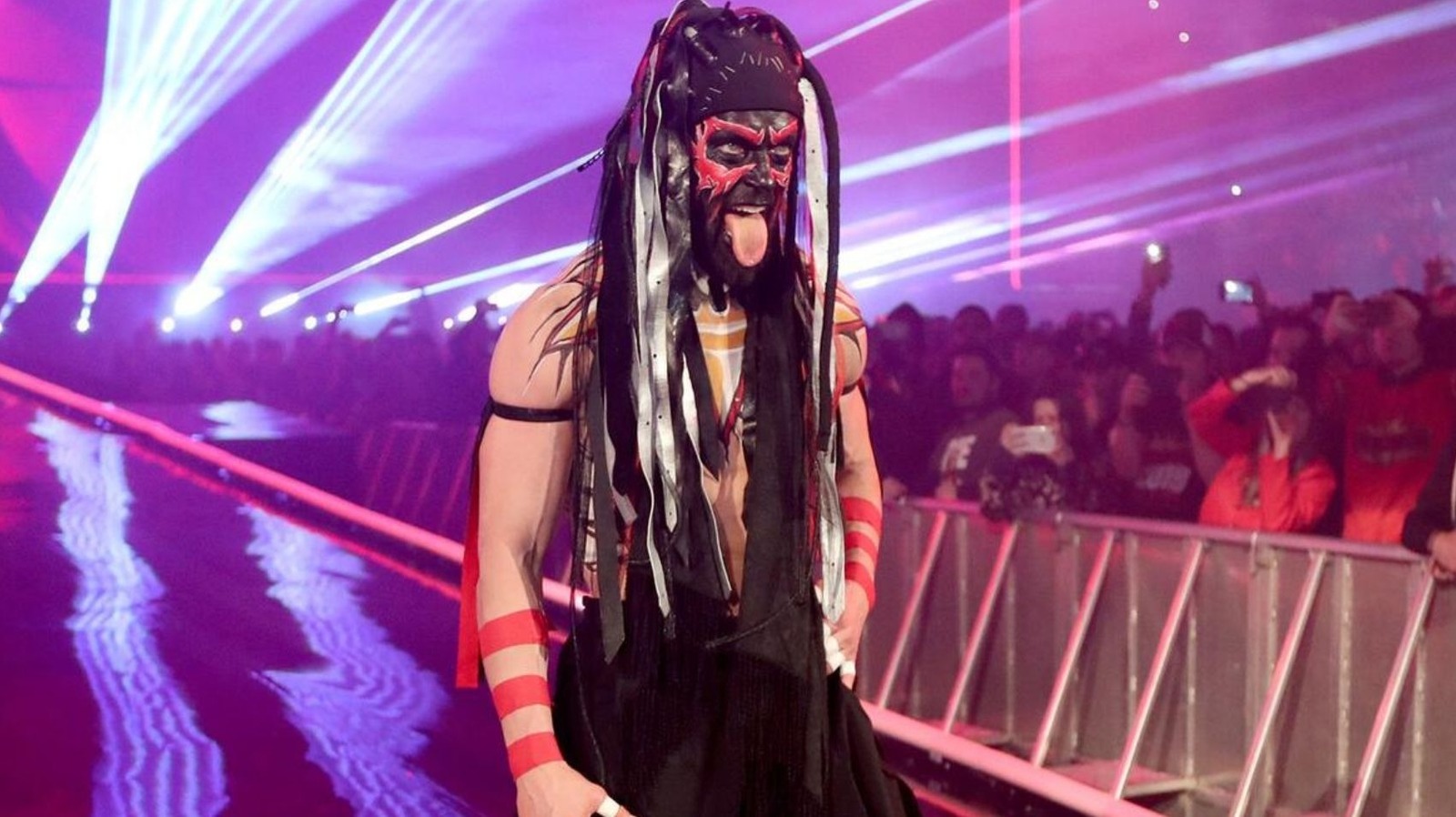
Finn Balor's vision scare shows the hidden risks of body paint
2 hours ago
Summerslam 2026 is becoming a Roman-Seth ego trip
2 hours ago
Finn Balor’s vanity project puts athletic performance at risk
2 hours ago