Bailey turns focus to AEW’s culture following Redemeption
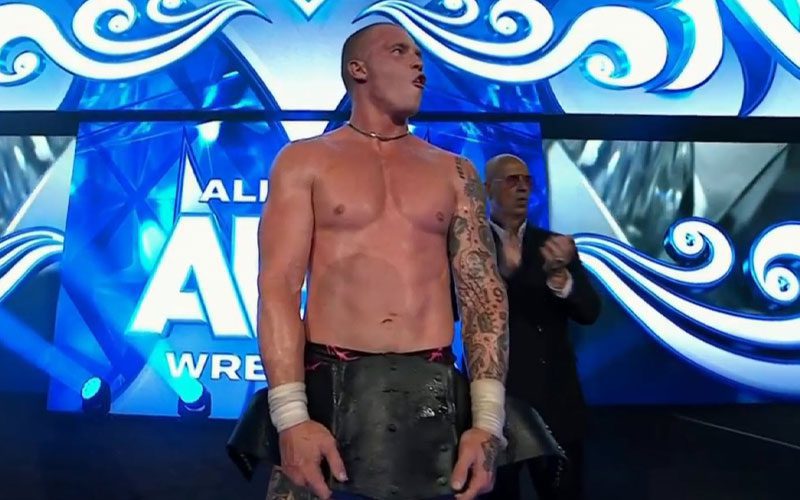
Mike Bailey is shifting the conversation after his breakout performance at AEW Redemption 2026. The high-flyer, known for his relentless pace and innovative striking, used his post-match media availability to address ongoing industry chatter regarding roster management and talent acquisition.
Bailey, who has become a focal point of the promotion since his transition from the independent scene, did not mince words. He contrasted his current professional environment with the rigid, often restrictive hiring history associated with WWE offices in the past. His comments echo a growing sentiment among performers who prioritize creative freedom over the corporate stability offered by the industry leader.
Redefining the standard for work-life balance
The core of Bailey’s criticism revolves around how promotions view their talent. He argues that the historical approach to signing independent stars was often predatory, designed to shelf top-tier talent rather than utilize them in meaningful angles. Bailey claims this strategy stunted growth for hundreds of wrestlers over the last decade.
His victory at the Bell Centre serves as the focal point for his argument. By winning on a major stage without needing a developmental boot camp or restrictive gimmick vetting, Bailey believes he has proven that the old model is obsolete. He feels his success demonstrates that wrestlers arriving with established personas can draw major audiences immediately.
I don't think you need to tear someone down to build them back up in your own image. If you have to change someone's name and identity the second they walk through the door, you're admitting you never knew how to book them to begin with.
This critique hits hardest when looking at the recent history of mid-card talent movement. Bailey noted that talent development should be an enhancement process, not an erasing process. His take is likely to resonate with the AEW locker room, which has long prided itself on allowing veterans from the indies to retain the identities that made them famous.
The contrast in promotional philosophy
While Bailey avoided naming specific WWE executives, his references to past hiring practices are transparent. He targeted the specific period where NXT began aggressively hoarding talent, a move that often led to bloated rosters and consistent releases. The current tension in the industry is palpable, though Bailey insists his comments reflect personal experience rather than a vendetta.
The criticism isn't without its detractors. Some observers point out that WWE has modernized its approach under current leadership, focusing more on long-term storytelling than the rapid churn of a few years ago. Bailey’s skepticism remains high, however. He believes the shift is a response to competition, not a genuine change of heart from management.
His performance metrics during the Redemption event suggest that his approach is working. With a 32-minute match time that pushed the crowd to a fever pitch, Bailey proved that his style of wrestling consistently delivers the main-event quality that fans crave. The question moving forward is how much control he will maintain as he becomes a primary target for future industry poaching.
Why the timing of these comments matters
The industry is currently in a state of flux with the Wembley Stadium show quickly approaching. By speaking out now, Bailey is establishing himself as a vocal leader for the independent-bred talent within the company. This could prove as a recruiting tool for future free agents looking at their options.
There is an inherent risk in Bailey’s strategy. By alienating the establishment, he effectively limits his future bargaining positions should AEW reach a major television rights impasse or if he considers a jump elsewhere. He seems to accept this risk, framing it as the cost of doing business in a transparent era.
Ultimately, the critique serves as a reminder that the war for talent is no longer just about million-dollar contracts. It is about stylistic autonomy and the right to maintain one's own brand. Bailey is positioning himself as the face of that movement.
Observers should watch how the creative team utilizes him over the next 6 weeks leading into London. If his push remains consistent, it validates his stance. If his momentum slows, we will know exactly where the friction lies. He has put a target on his back, but for Bailey, that seems to be the entire point.