A desperate need for visual variety
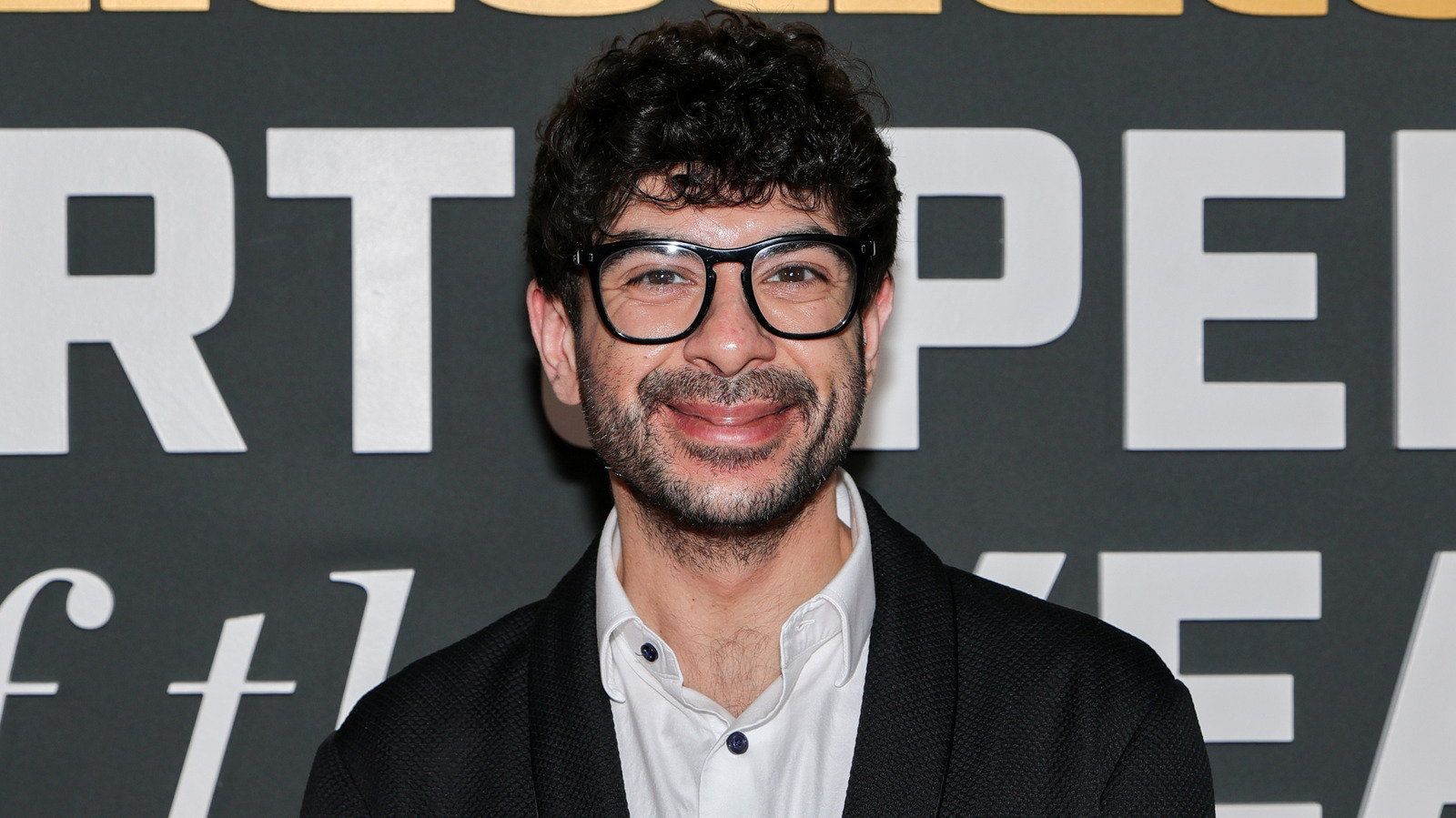
Tony Khan might have finally accepted a harsh reality regarding his television presentation. For the better part of the last two years, All Elite Wrestling has stubbornly booked massive NHL and NBA arenas for standard episodes of Dynamite. The result has been a television product that often looks visually sterile.
The hard camera spends two hours staring at a tarped-off section of empty blue seats, completely sapping the energy out of the broadcast. It has been depressing. It hurts the perceived momentum of the product. It makes the promotion look decidedly cold.
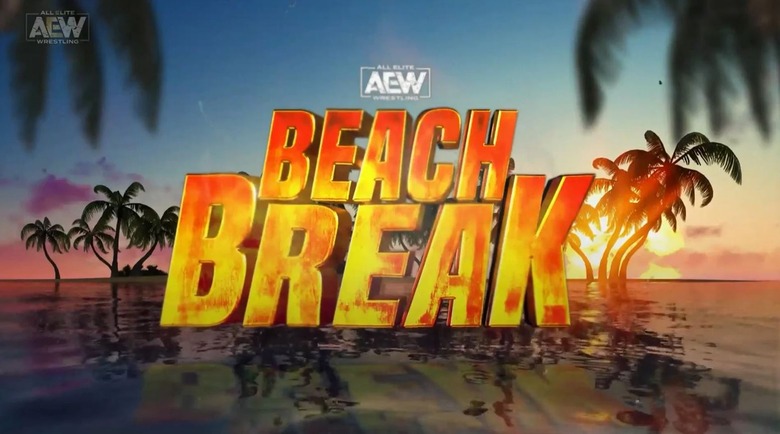
Now, according to the latest schedule drop, AEW Dynamite is heading to The BayCare Sound in Clearwater Beach, Florida. This July 8 edition of Beach Break represents a massive, and frankly necessary, shift in booking philosophy.
The BayCare Sound is a boutique amphitheater, not a concrete cavern. It is an outdoor venue that holds significantly fewer fans but concentrates them into a tight, modern configuration. It is exactly the kind of intimate environment that AEW desperately needs to revitalize the look of its weekly television.
This is the audible critics have been begging for. Instead of projecting an illusion of stadium-level scale every Wednesday, AEW is leaning back into unique atmospheres. Think back to the early pandemic-era episodes at Daily's Place, where the open air and the setting sun became a character on the show. Think about the Jericho Cruise episode of Dynamite. When the environment looks different, the show feels important.
But while the visual of a wrestling ring under the Florida night sky sounds incredible on paper, the logistics are terrifying. Booking an outdoor venue in the middle of summer is an absolute high-wire act.
Chasing the ghost of Monday Nitro
You can see exactly what the creative team is aiming for with this July 8 date. Khan clearly wants his own version of Club La Vela. He wants to recapture the chaotic, sun-soaked energy of those legendary WCW Monday Nitro episodes from the late 1990s.
Fans were standing waist-deep in swimming pools back then. The ring was practically touching the sand. It was a chaotic visual that made the show feel completely distinct from anything the WWF was doing at the time.
For a company that has built its entire identity around nostalgic callbacks to Jim Crockett Promotions and WCW, taking an event literally called "Beach Break" to an actual coastal city makes perfect sense.
Let’s be honest. Running the 2022 edition of Beach Break at the Wolstein Center in Cleveland, Ohio, during the dead of winter was hilariously off-brand. It completely missed the point of having a themed television special. You cannot call a show Beach Break and then show fans walking into the arena wearing heavy snow coats while Orange Cassidy wrestles Adam Cole in a Lights Out match.
When the news broke about heading to Clearwater Beach, the immediate reaction was relief. Clearwater Beach provides the exact geographical backdrop this television special demands. It immediately differentiates the broadcast from a standard episode of Dynamite in a generic Midwestern arena.
When a casual fan flips the channel and sees palm trees, open-air lighting, and a crowd packed into an amphitheater, they know they are watching a special event. It elevates the July 8 show into a destination. It becomes more than just another mandatory stop on the touring schedule.
However, there is a catch. Anyone who has spent more than five minutes in the Tampa Bay area during the month of July knows exactly why professional wrestling promotions usually stay strictly indoors.
The nightmare logistics of a Florida summer
Let us talk about the reality of the situation. This is where the entire operation could fall apart on live television. July in Clearwater Beach means an average high temperature pushing well past 90 degrees, combined with humidity levels that make the air feel like a damp, suffocating towel.
The talent working inside that ring are going to be completely gassed three minutes into their matches. You cannot wrestle a high-paced, twenty-minute main event style when you are fighting for oxygen. Think about Will Ospreay trying to hit a Stormbreaker when his boots feel like they weigh fifty pounds.
We have seen this play out before on major stages. Remember when WWE ran WrestleMania 37 at Raymond James Stadium in Tampa? The oppressive humidity drained the energy out of the live crowd by the halfway point of the card.
More dangerously, the talent were slipping on the ring ropes because of the sheer amount of moisture in the air. Now imagine that exact same environment, but confined to a smaller amphitheater where the coastal breeze might be blocked by the venue's acoustic shell.
And then there is the very real threat of severe weather. Florida in the summer operates on a predictable but violently disruptive schedule. You get torrential downpours almost every single afternoon, complete with severe lightning strikes.
The BayCare Sound does feature a covered seating area that protects roughly 4,000 fans, but the lawn seating is completely exposed to the elements. If a severe thunderstorm rolls in off the Gulf of Mexico right as the live broadcast starts at 8:00 PM Eastern, Tony Khan is going to have a catastrophic television nightmare on his hands.
This is not an exaggeration. AEW has dealt with weather delays before, most notably during their long residency in Jacksonville. But managing a delay on a live TBS broadcast is a completely different logistical beast. The risk of a lightning strike forcing the venue to halt the show, leaving the production truck to scramble and run pre-taped video packages for forty minutes, is terrifyingly high. It is a live television producer's worst nightmare.
The psychology of a packed house
There is a massive psychological component to this venue choice that cannot be ignored. Professional wrestling is built entirely on the perception of momentum. When fans tune into a broadcast and see a packed, screaming audience, it inherently makes the product feel hot. It tells the viewer at home that this is the place to be.
Over the last eighteen months, AEW has struggled immensely with this exact perception. Running an 18,000-seat arena and drawing 3,500 fans creates a visually depressing atmosphere. The noise dissipates into the rafters. The hard camera angles have to be awkwardly tight to avoid showing the massive black tarps covering the upper decks.
The BayCare Sound forces a completely different dynamic. With a capacity that maxes out around 4,000 covered seats and additional lawn access, an attendance of 3,500 suddenly looks like a completely sold-out, standing-room-only riot. The acoustics of the boutique amphitheater will trap the crowd noise and reflect it back toward the ring. Instead of the sound dying in a massive basketball arena, every chant and reaction will translate beautifully to the television broadcast.
This is the exact strategy that made NXT so incredibly successful during its peak run at Full Sail University. A hot crowd of 400 people tightly packed around the ring looks and sounds infinitely better than 4,000 people scattered across a cavernous stadium.
Tony Khan is finally manipulating the presentation to his advantage. By scaling down the building, he is artificially turning up the heat on the product. It is a brilliant, necessary pivot. If the Clearwater fans show up and treat this like the special event it is billed as, the broadcast is going to have an energy that Dynamite has sorely lacked for months.
Booking to fit the environment
If the weather somehow holds up, Beach Break is positioned perfectly on the current AEW calendar. With Double or Nothing just days away, and All In at Wembley Stadium looming massive on the horizon in August, the July stretch of AEW programming is vital.
Historically, this is where the major summer storylines are locked into place. This is typically the exact window where the Blood and Guts build hits its violent peak. It is where the World Championship picture for the London show starts to crystallize.
By putting this show in a unique venue in Clearwater, AEW is heavily signaling that July 8 is going to be a massive tentpole event. You do not go through the logistical headache of booking an outdoor amphitheater in Florida just to run squash matches.
The card needs to be booked to justify the location. The creative team has to lean into the environment. Give the audience a wild, chaotic Falls Count Anywhere brawl that spills out into the lawn seating. Give us a parking lot fight with the Gulf of Mexico sitting in the background.
If AEW is going to take the massive risk of running an open-air show in the dead of summer, they have to maximize the aesthetic return on their investment. Otherwise, they are risking a live television disaster for absolutely no payoff.
Tony Khan is making a massive, calculated gamble here. If it rains, the show is ruined. If it is too humid, the in-ring work will suffer and the crowd will be dead.
But if they catch a clear night, and the production team nails the lighting, Beach Break at The BayCare Sound could be the most visually striking and memorable episode of Dynamite we have seen in years. Let us just hope the lightning stays away.