Chasing the Stadium Dragon
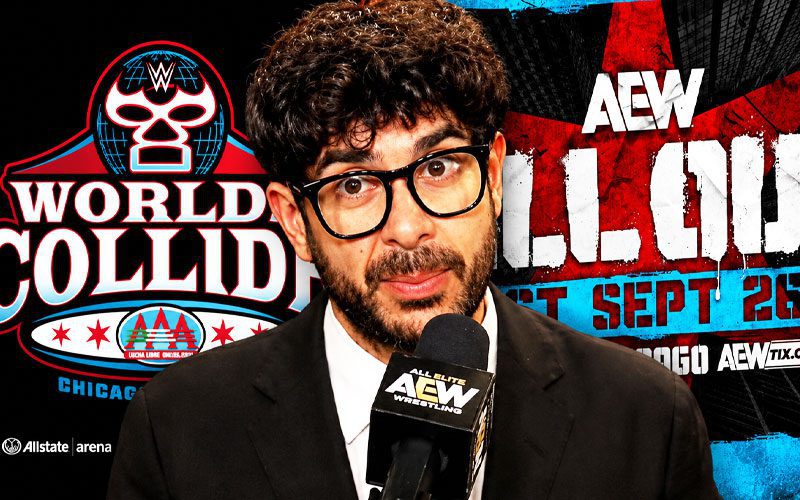
Tony Khan loves a massive venue. Ever since All In crammed over 80,000 fans into Wembley Stadium, the AEW president has been chasing that stadium high. He wants that monumental, sweeping camera shot that makes his promotion look larger than life.
But stateside, the reality has been starkly different. We’ve spent the better part of two years watching Dynamite broadcast from cavernous NBA and NHL arenas that are generously half-full. The hard camera side is frequently tarped off.
The crowd noise evaporates into the rafters of buildings meant for massive crowds when only a fraction of the tickets are distributed. It makes a promotion with arguably the best in-ring roster on the planet feel bizarrely minor league. You can have Will Ospreay wrestling a five-star classic, but if the background looks like an empty warehouse, the television product suffers heavily.
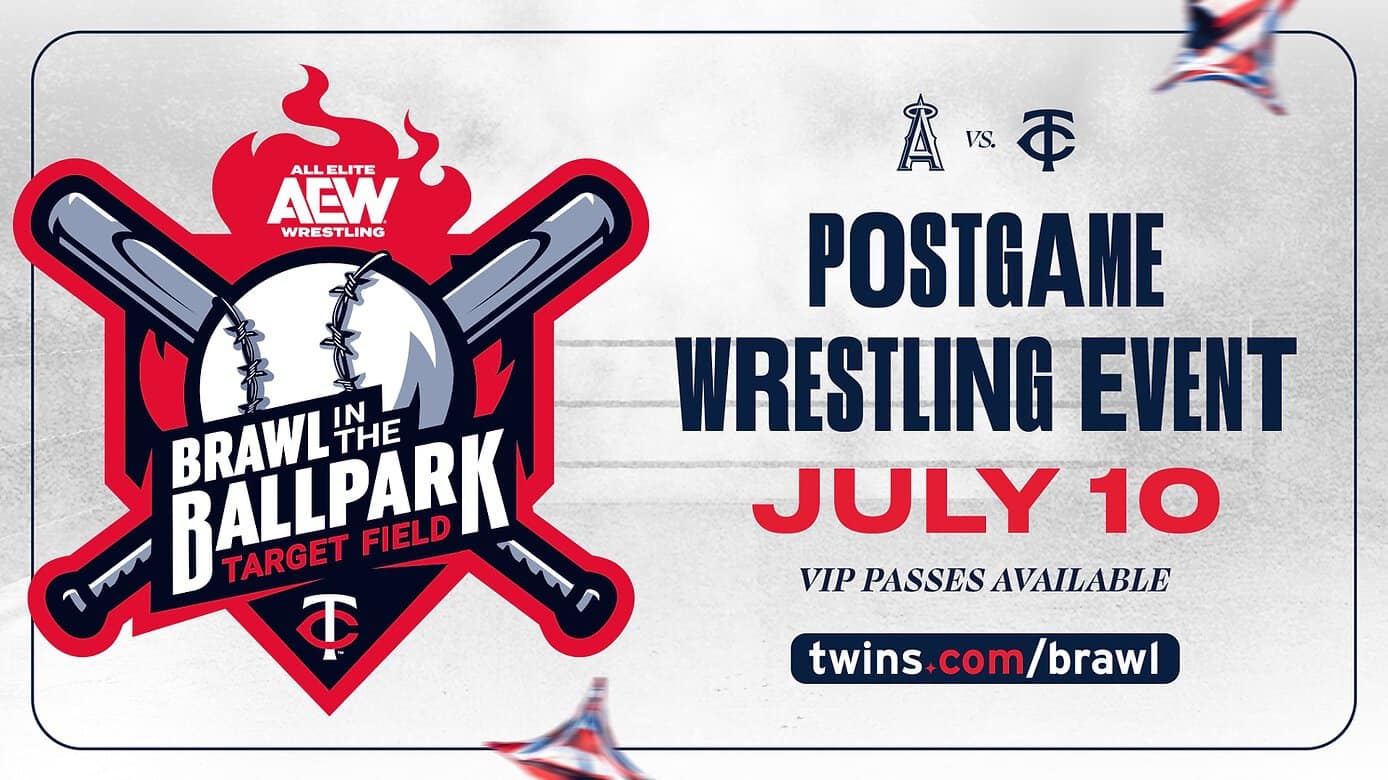
That’s why this morning’s announcement feels like a desperate, necessary pivot. AEW has officially partnered with Major League Baseball and the Minnesota Twins to host Brawl in the Ballpark at Target Field. This isn't just another themed Dynamite episode. This is a dedicated, open-air stadium premium live event.
The Math Behind the Curveball
It’s a genuine curveball. When wrestling fans think of AEW’s core markets, the mind instantly goes to Chicago, New York, or Jacksonville. Minneapolis is a historically phenomenal wrestling city, but it's not the obvious first choice for Tony Khan to plant his flag for his next North American stadium venture.
Yet, scaling down from a football stadium to a baseball park is the smartest live event decision this company has made since they launched Collision. Think about the basic math and optics. AEW struggles to fill massive NFL stadiums in the US right now.
The optics of drawing a decent crowd to an NFL building are terrible if the upper decks are blacked out. But packing fans inside Target Field, which holds roughly 39,000 for baseball? That looks like a legitimate blockbuster. It creates a condensed, raucous atmosphere where the noise actually bounces off the overhangs.
We've seen this specific dynamic work beautifully in professional wrestling. The WWE ran Safeco Field in Seattle for WrestleMania 19, and the visual aesthetic remains iconic. The diamond configuration offers unique entrance paths and distinct seating tiers that just look incredibly cool on a television broadcast.
The Ghosts of Minnesota Wrestling
You cannot run a major wrestling show in the Twin Cities without acknowledging the heavy legacy of the American Wrestling Association. For decades, Verne Gagne turned this exact region into a fortress of technical wrestling and legitimate tough guys.
Fans here were raised on Nick Bockwinkel putting on absolute masterclasses and Mad Dog Vachon terrorizing the locals. It is a market that deeply respects work rate and physical intensity. If AEW brings a card full of sloppy multi-man matches, the Minneapolis crowd will absolutely sit on their hands.
They need to deliver hard-hitting, grounded professional wrestling. This is the exact right market to feature a guy like Claudio Castagnoli or Samoa Joe in a prominent, brutal singles match. The crowd will eat that up.
There is also the Brock Lesnar shadow to consider. While Lesnar is obviously firmly entrenched in the WWE universe, his collegiate roots at the University of Minnesota made him a god in this state. AEW doesn't have a Lesnar, but they do have Wardlow and Powerhouse Hobbs. Giving their homegrown giants a chance to wreck people in the middle of a baseball diamond would be a brilliant tactical move.
Booking for the Big Stage
Beyond the logistics, the actual match card for Brawl in the Ballpark has to be absolutely bulletproof. You cannot put a standard television-level main event in front of thirty thousand people and expect them to care. This requires a Revolution or All In level build with genuine stakes.
We need Swerve Strickland in a high-stakes title defense where the crowd believes he might actually lose. We need Kazuchika Okada doing something truly meaningful instead of just smiling and hitting a lazy Rainmaker in a throwaway six-man tag match.
Will Ospreay needs an opponent who can push him to a genuine hour-long draw. Bryan Danielson has stated he is winding down his full-time career, but a stadium show in the Midwest feels like a perfect stage for one of his final, violent bloodbaths.
And what about Jon Moxley? Moxley bleeding buckets on the infield dirt of a Major League Baseball stadium just feels poetically correct. The visual of him brawling through the dugouts is too good for Tony Khan to ignore.
The MLB Crossover Appeal
The cross-promotion with Major League Baseball is also fascinating. Tony Khan's relationship with the NFL through the Jacksonville Jaguars is well-documented, but cracking into the baseball demographic is an entirely new avenue for this company.
Will we see Twins mascots getting put through tables? Probably. Will there be some painfully awkward cross-promotional segments with retired baseball players trying to cut promos? That feels inevitable.
But if it gets the AEW logo plastered across the MLB Network and local sports broadcasts, it's worth the mild cringe. AEW desperately needs to break out of the hardcore wrestling bubble and reach casual sports fans who might just buy a ticket because it sounds like a fun Friday night out.
Logistical Nightmares and Sightlines
However, we need to talk about the very real, glaring problems with running a baseball stadium. This is where my optimism hits a brick wall. The layout for wrestling in a baseball park is notoriously infuriating.
The ring is usually placed somewhere around the pitcher's mound or second base. That means the fans who paid top dollar for premium diamond seats are actually miles away from the action. They are staring across fifty feet of dirt just to see the ring apron.
Remember the Royal Rumble at Chase Field? The entrance ramp came out of the dugout. It was a neat novelty, but the sightlines for the lower bowl were an absolute nightmare. If AEW doesn't map out the seating chart with extreme precision, they are going to have thousands of angry fans who spent $150 to watch the back of a cameraman's head.
Then there is the unpredictable weather. Target Field is an open-air stadium. They are running this show in the upper Midwest. Running an outdoor show anywhere outside of Florida or California is basically playing Russian roulette with the sky.
A sudden thunderstorm completely derailed WrestleMania 37 in Tampa. If it pours in Minneapolis, AEW doesn't have the massive rigging setup that WWE uses to cover the ring and protect the talent. We could literally see guys slipping on the top rope during a main event. That's a terrifying variable for a company that relies heavily on high-flying offense.
The Audio Problem
My critical brain also cannot ignore the audio pitfalls. The sound mixing for outdoor wrestling shows is notoriously difficult to nail. The commentary team often sounds isolated, the ring bumps sound hollow, and the crowd noise gets sucked straight into the open air.
AEW's audio production on weekly television is already heavily criticized for missing cues and having erratic volume levels. If they don't hire specialized sound engineers for this Target Field show, the broadcast is going to sound amateurish. A dead-sounding crowd will ruin even the greatest technical match.
They also need to price this event correctly. We just saw the competition catch massive backlash for exorbitant ticket prices. AEW cannot afford to alienate the working-class wrestling fan in the Midwest.
If they charge $400 for a lower bowl seat with a terrible view, this event will bomb. They need to swallow their pride, price the upper decks at $20, and pack the building. A loud, full stadium of fans who paid reasonable prices looks infinitely better than a half-empty building of wealthy people sitting quietly.
Timing and Execution
The timing is particularly interesting given the broader wrestling calendar. We are exactly four days away from Double or Nothing in Las Vegas. The focus right now should entirely be on the MGM Grand, but this Target Field announcement has successfully hijacked the weekly news cycle.
It shows that AEW is finally thinking long-term about their presentation. For too long, the company has felt entirely reactive. They book a building, ticket sales lag, and they scramble to throw together a card two weeks out.
A stadium show requires months of meticulous planning, local radio tours, and sustained marketing. It forces AEW to act like a professional touring operation rather than a fly-by-night indie with an unlimited checkbook.
Brawl in the Ballpark is either going to be a massive visual triumph that redefines AEW's television product, or it will be a logistical disasterclass that exposes their operational flaws. Either way, it is exactly the bold, swing-for-the-fences move this company desperately needed to make. Now they just have to actually execute it without tripping over second base.