The ghost of the AWA meets the modern era
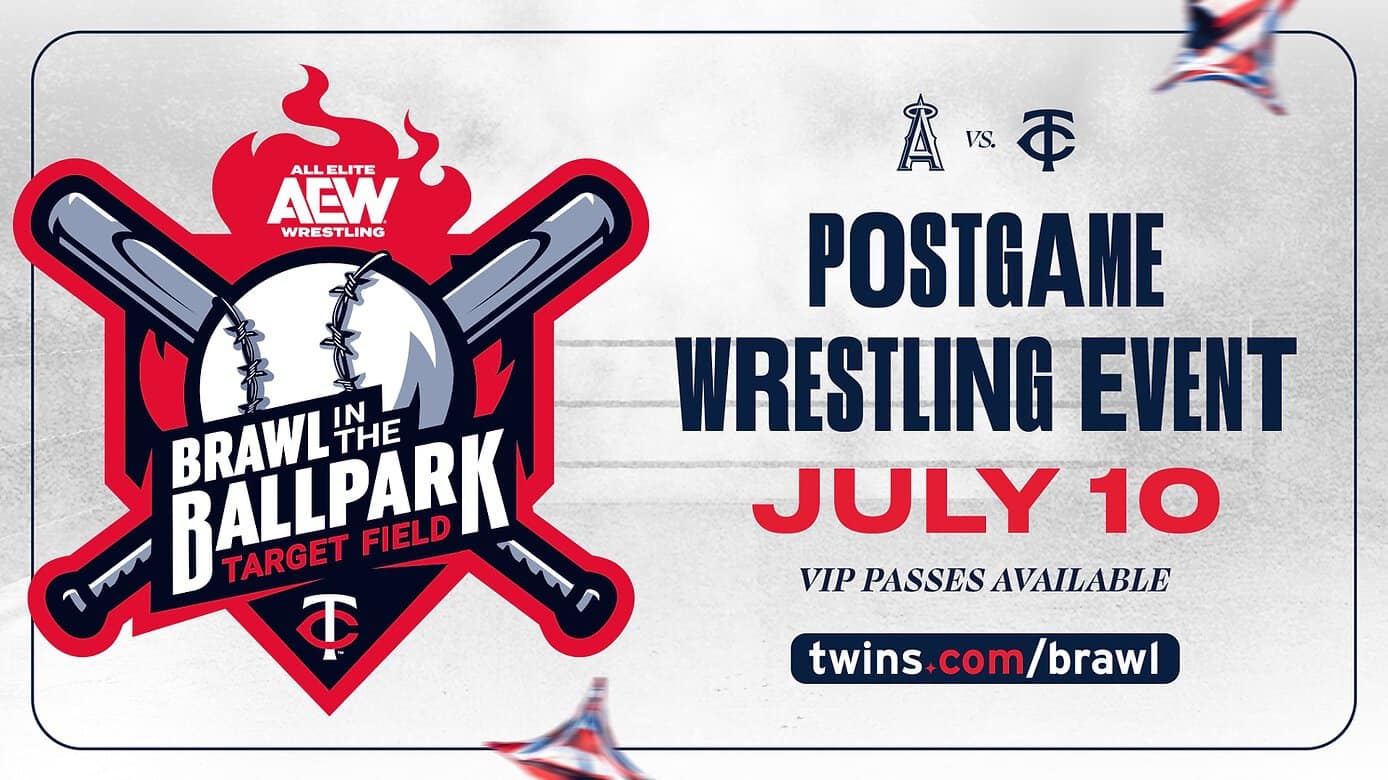
AEW heading to Target Field this July for "Brawl in the Ballpark" is a massive flex of live-event muscle. The visual of a professional wrestling ring sitting over a major league baseball diamond always carries a certain undeniable weight. The Minnesota Twins opening their doors for this crossover event is a sharp business move for both sides. We have seen AEW pack Arthur Ashe Stadium for tennis-court wrestling. We have seen them conquer Wembley. Now, they are tackling the summer baseball aesthetic.
Minneapolis is not just another random tour stop. The Twin Cities run deep with wrestling history. This is the undisputed ghost of Verne Gagne and the AWA. It is a territory built on blue-collar, rugged wrestling where technical grappling seamlessly transitioned into violent bloodbaths featuring guys like The Crusher and Nick Bockwinkel. Bringing a major, non-WWE event to a 39,000-seat stadium in this specific market is a direct play for that old-school demographic. AEW has flirted with the city before, running the Target Center for Full Gear in 2021, but Target Field is an entirely different beast. It demands a heavier, more deliberate style of booking that the current roster sometimes struggles to consistently deliver.
The tactical nightmare of outdoor wrestling
Working a baseball stadium requires a fundamental shift in in-ring psychology. The subtle nuance of a tight wristlock or a minor weight shift is completely invisible to a fan sitting in the upper deck of left field. When you work a venue this massive, you have to adopt a hyper-exaggerated style. Every single strike needs a massive wind-up. Every submission hold needs agonizing, theatrical facial expressions that broadcast perfectly on the stadium screens. The pacing absolutely must slow down. Intricate, high-speed sequences often get lost in the sheer volume of open air.
This is exactly where wrestlers like Kazuchika Okada or Samoa Joe excel. Okada can stand dead in the center of the baseball diamond and control the entire stadium with a single, deliberate gesture. His pose, the Rainmaker setup, the sheer theatrics of his pacing are mathematically designed for massive crowds. He works large. Conversely, a high-speed worker like Will Ospreay might actually struggle to translate his art here. Ospreay thrives in the tight intimacy of a traditional arena where every slap, thud, and breath echoes off the ceiling. In an open-air stadium, the sound simply dissipates. The silence between spots can be deafening if the crowd is not entirely captivated.
Then there is the unforgiving logistical layout. Baseball stadiums are notoriously tricky for wrestling sightlines. The distance between the ring, usually parked awkwardly around second base, and the front row is incredibly wide. That means brawling on the outside requires covering significantly more ground. A standard walk-and-brawl looks incredibly clumsy when you have to jog thirty yards just to reach the nearest steel guardrail. The talent will have to keep the action tightly confined to the squared circle or risk exposing the awkward geometry of the baseball field.
The brutal reality of July humidity
We also have to talk about the physical realities of a July night in Minnesota. It is going to be hot, and the humidity will be thick. Humidity completely changes the friction in the ring. The ropes become dangerously slick. The canvas gets sticky and unforgiving. If we see high-flyers attempting springboard maneuvers in heavy summer air, the botch rate will absolutely skyrocket. The sheer sweat factor means grapplers will slip out of holds much faster than usual.
A smart worker actively adapts to these environmental conditions. You ground the pace. You rely on heavy, impact-based offense rather than complex rope-running sequences. I want to see someone like Claudio Castagnoli absolutely dismantle an opponent with basic, brutal European uppercuts, leaning directly into the heavy air. You do not try to run a twenty-minute sprint in heavy humidity unless you want to completely blow yourself up by the eight-minute mark. The mechanics of an Irish whip completely change when the ring mat feels like a wet sponge.
The booking crunch and the inevitable burnout
Here is the reality check, and it is a glaring issue with AEW's current tactical strategy. Tony Khan has developed a severe addiction to massive venue announcements, often at the direct expense of narrative pacing. Double or Nothing is just four days away on May 24. All In at Wembley is looming large in August. Dropping "Brawl in the Ballpark" right in the middle of July feels like stadium fatigue waiting to happen. The roster is already stretched incredibly thin managing the sheer volume of high-stakes television across Dynamite and Collision.
Running a stadium building requires months of dedicated, careful television build. Squeezing it into a six-week window between major pay-per-views is reckless booking. AEW frequently struggles to maintain narrative heat when the calendar gets this heavily crowded. You end up with rushed angles and random dream matches thrown together purely to pop a local gate. If the creative team is not extremely careful, this July show will feel like a bloated filler episode masquerading as a major blockbuster.
They are banking heavily on the gimmick of "wrestling at a baseball stadium" to move tickets. The partnership with the Twins is great public relations, but PR does not automatically put butts in seats. You need a white-hot angle. Looking at the television product right now, I do not see a feud that warrants a random stadium detour in July. This feels like a purely executive decision rather than a creatively necessary event. The risk of a half-empty Target Field being broadcast on national television is massive. A cavernous, empty upper deck is a terrible visual for a company that relies heavily on the perception of forward momentum.
What to watch for and the final verdict
If you genuinely want to draw in Minneapolis, you need to deliver localized violence. We need a proper, unsanctioned Minneapolis Street Fight. Give me Jon Moxley bleeding heavily near the visiting dugout. They also need to utilize local talent smartly to pop the hometown crowd. Top Flight, featuring Minneapolis natives Dante and Darius Martin, absolutely need a massive showcase match. Book a chaotic multi-man ladder match where Dante can launch himself off the top of a dugout roof. That is exactly the kind of viral clip that justifies the massive venue rental fee.
But the main event needs to firmly anchor the entire show. With Double or Nothing resolving the current heavyweight title pictures, July should be strictly about settling bitter blood feuds. Swerve Strickland operating in open air just feels right tactically. His swagger, his methodical striking, and the way he physically commands a large space are perfectly suited for a stadium environment. You put Swerve in the main event against a grounded brawler, and you let them beat the hell out of each other for thirty minutes.
My prediction? The show will be a mixed bag visually, but it will succeed financially due to strong local walk-up sales from curious baseball fans. The card will lean heavily into chaotic brawling and massive visual spectacle over tight technical masterpieces. We will definitely get at least one terrifying bump off a baseball-specific structure. However, the pacing will also expose the lack of depth in current AEW television storylines. Squeezing a stadium show right between Double or Nothing and All In will force them to run a somewhat watered-down card. The main event will undoubtedly deliver a brutal, satisfying finish, but the undercard will feel exactly like a standard episode of Collision simply transplanted onto a baseball diamond. Target Field will look spectacular under the summer lights, but by the end of the night, we will all be questioning why it actually needed to happen in July.