The stylistic hurdle of the Lucha transition
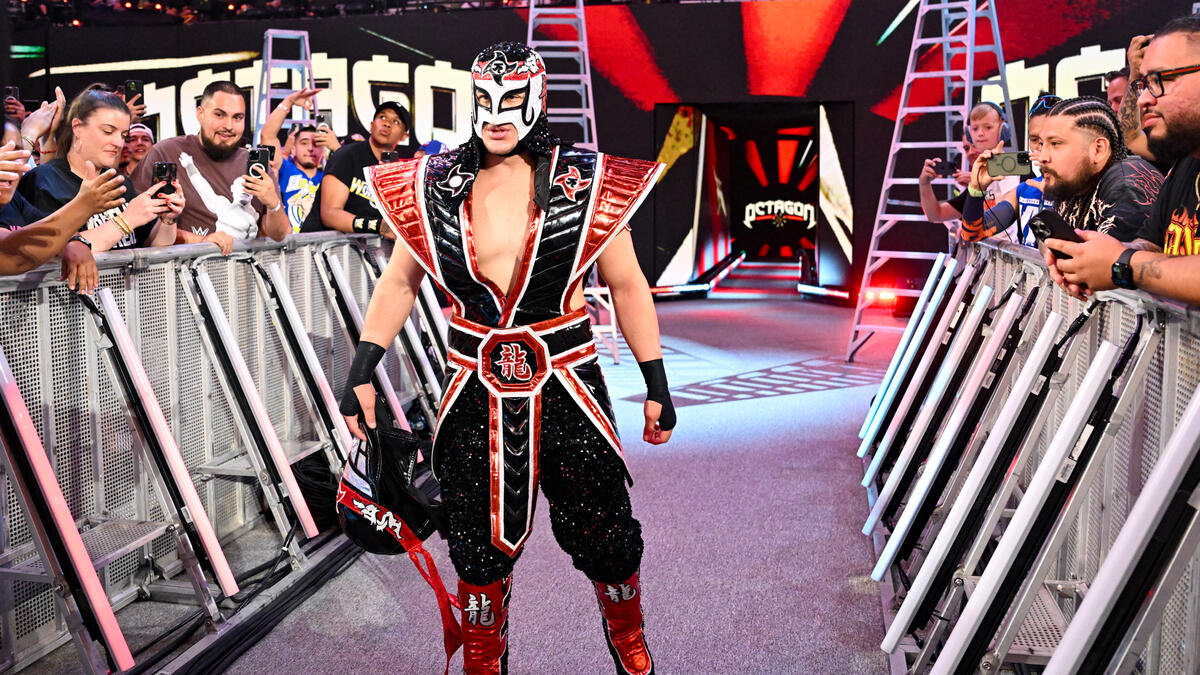
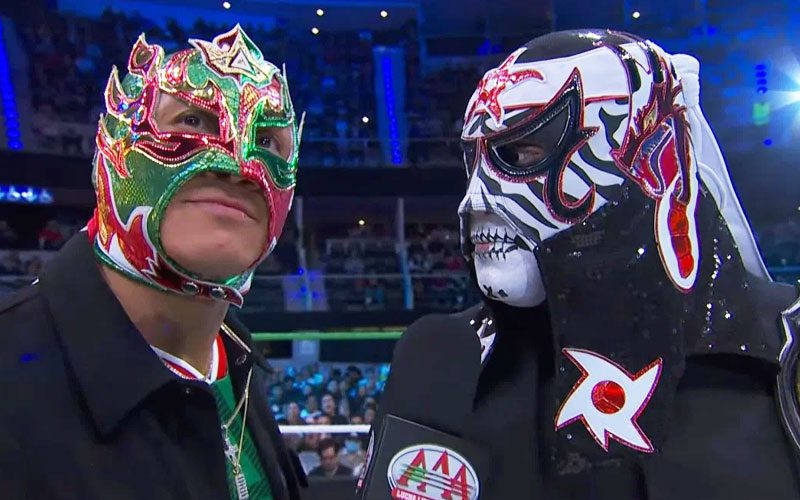
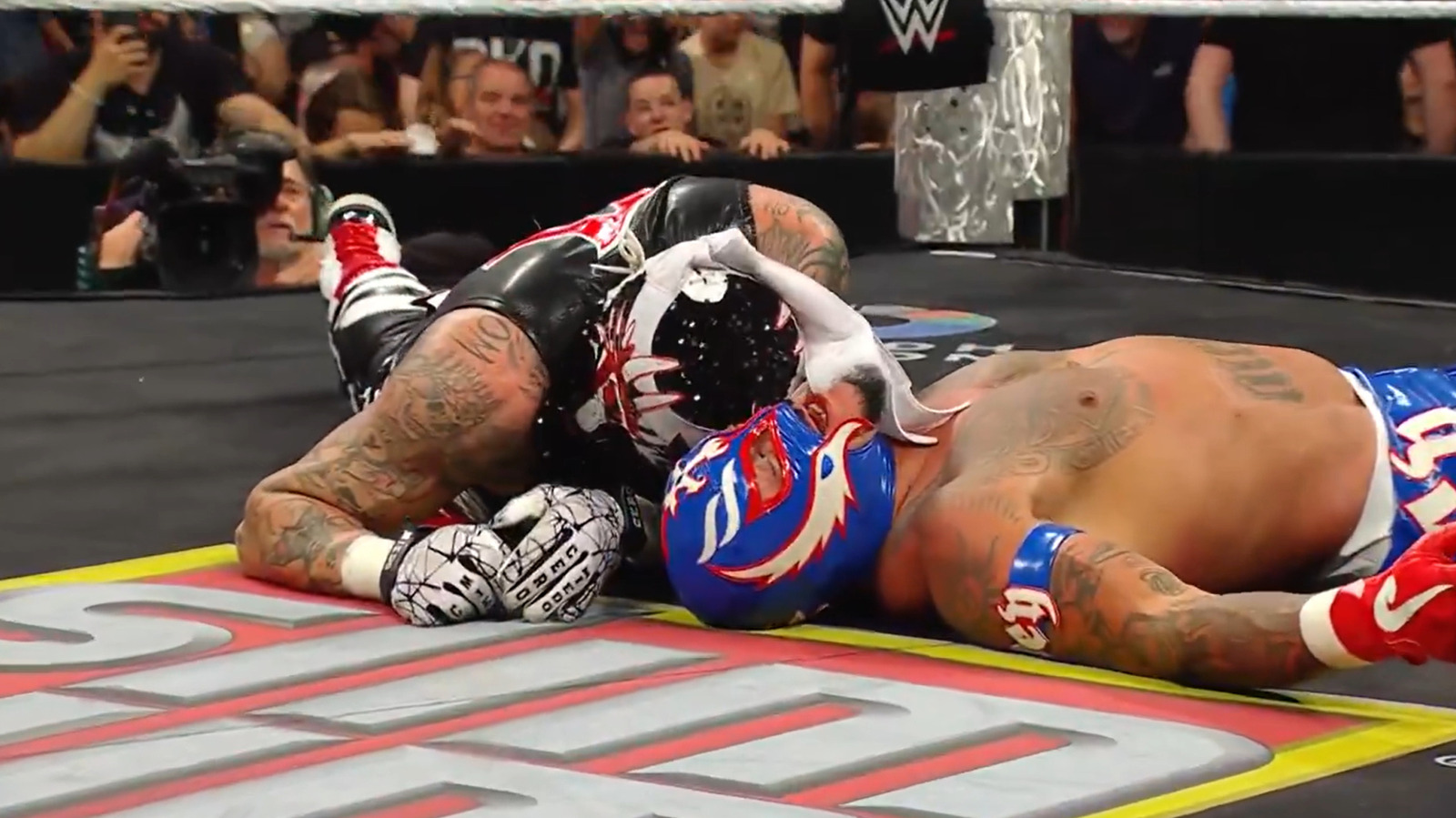
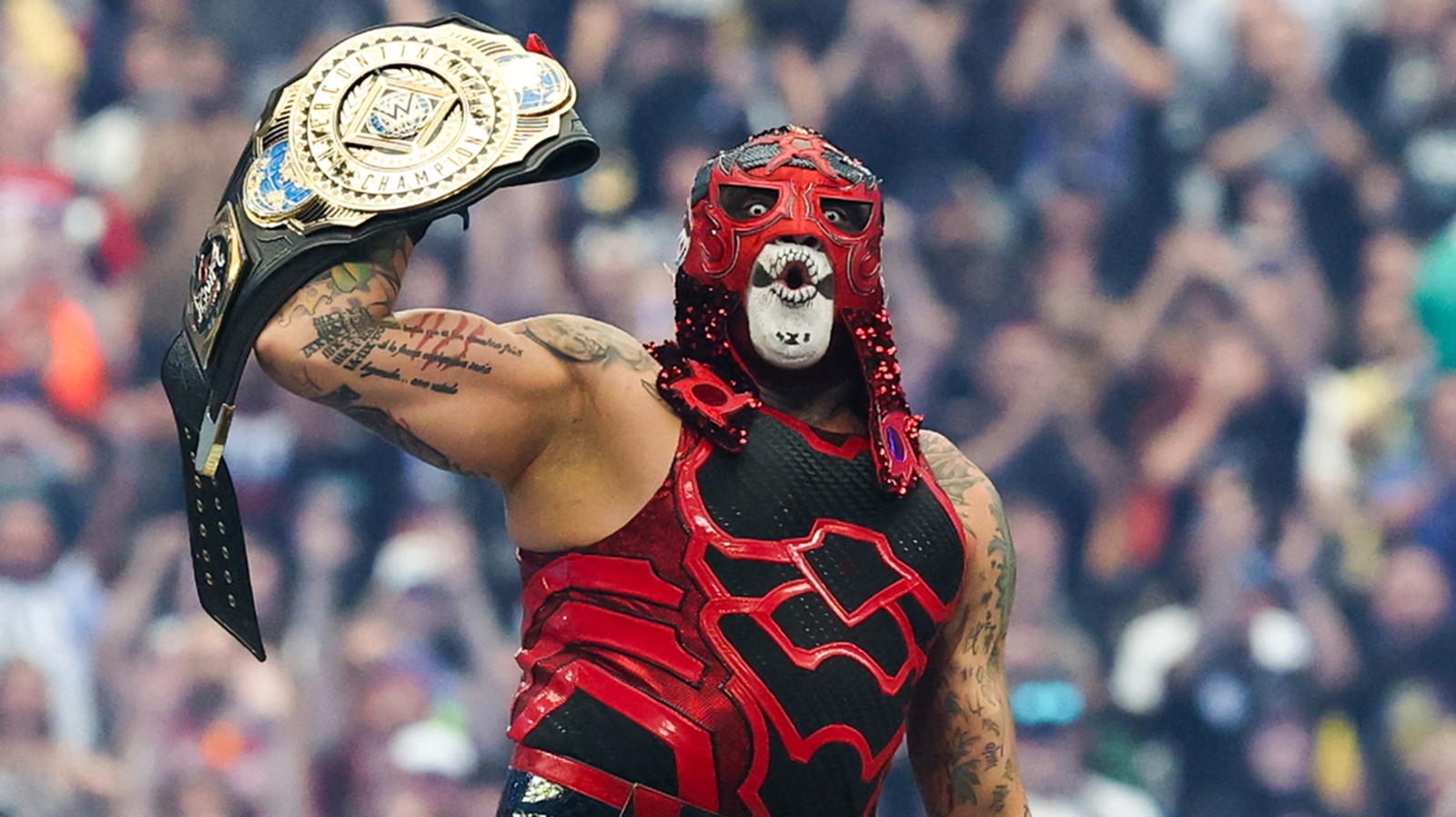
Penta El Zero Miedo has spent the better part of a decade building a brand on independent grit and high-impact Lucha Libre intensity. Walking into the Performance Center, he brings a resume defined by stiff strikes and a uniquely arrogant charisma. Yet, the transition to the national stage requires more than just the signature mask and the arm-break theatrics. History shows that technicians who thrive in intimate, high-spot environments often struggle to translate that energy to the cavernous, formulaic nature of televised weekly matches.
We have seen the pattern before: the move set is reduced, the aggression is dialed back to fit broadcast standards, and the performer loses the edge that got them signed in the first place. Penta has stated that he understands the adjustment process, but knowing the theory and executing it under the constraints of a twenty-minute television slot are different beasts. His recent interviews suggest a desire to evolve, but his core identity is built on a brutality that the current product may not want to accommodate.
The math of his match pacing
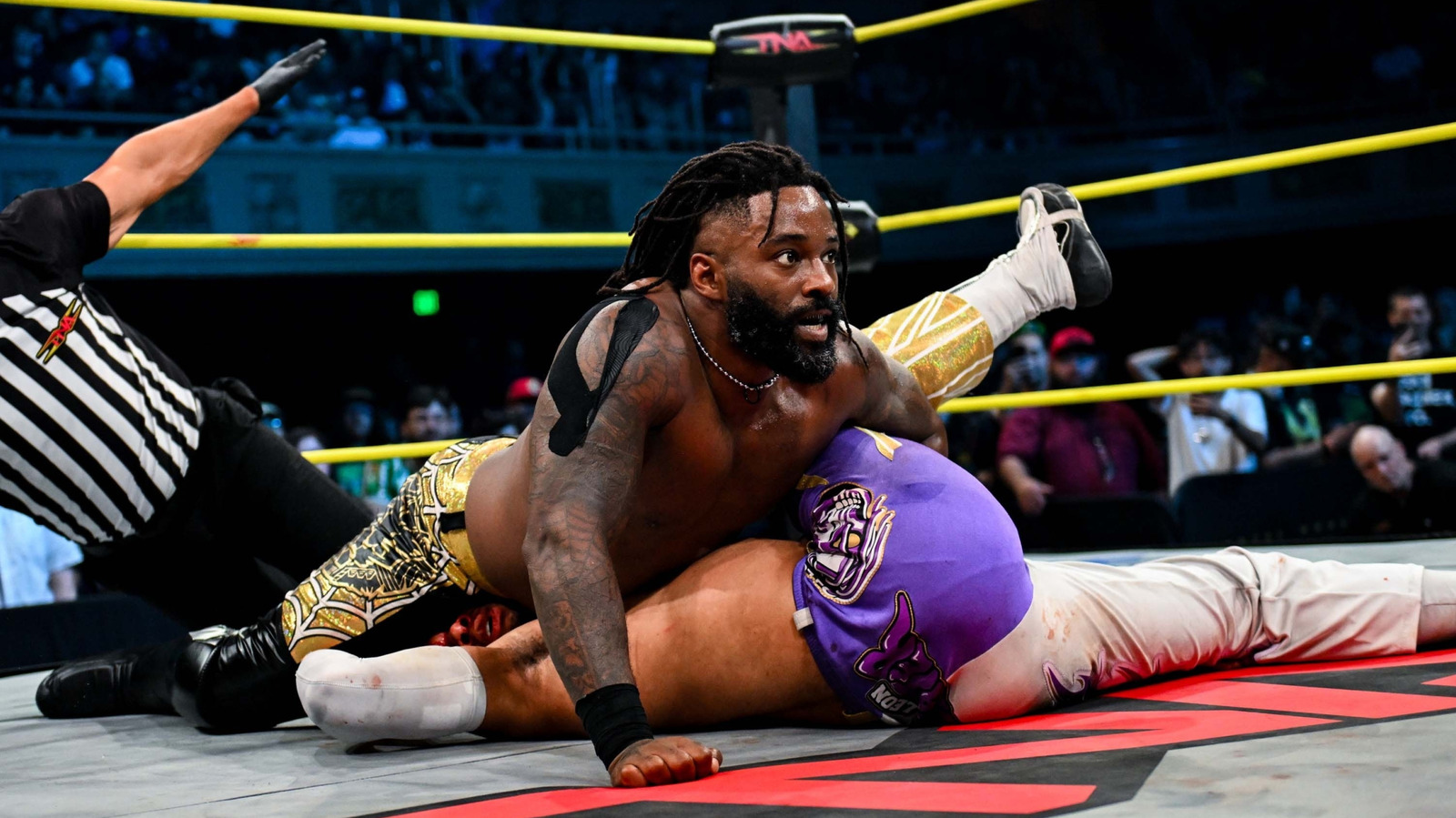
Observe the cadence of his work in previous promotions. He leans into long-form matches where the psychological payoff arrives at the 15-minute mark through escalating risk. In this environment, his ability to work a crowd relies on the freedom to operate outside the structure of standard three-act booking. If the match architecture shifts, his efficiency drops. Without the ability to utilize the environment or take the calculated risks his persona demands, he becomes just another athlete on the roster.
There is also the matter of the technical ceiling. He is technically sound, but he is not a pure chain wrestler. If he is paired with a strictly ground-based opponent, the stylistic clash often results in a sluggish pace. The burden is on him to create that snap, which requires moving away from his comfort zone. As Wrestling Inc recently noted, his character evolution is central to his long-term goals. If he remains static in his presentation, he will likely plateau before the next big contract negotiation.
Predicting the ceiling
The skepticism here is grounded in the booking history of similar international stars. WWE tends to compartmentalize talent based on limited perceptions of their move sets rather than their total capabilities. Penta has the charisma, but if he relies solely on the Fear factor catchphrase, the novelty will fade by the end of the quarter. He needs to display a refined character arc that allows him to function in both high-leverage title bouts and mid-card filler without looking like he is just filling time.
My prediction? He will secure a solid mid-card push over the next six months, but he will not reach the upper echelon of the main event scene by mid-2027. He lacks the traditional height or the specific brand of safe, television-friendly pacing that the main event producers crave. Expect a strong debut arc that eventually gets stifled by the rigid adherence to the current creative formula. He is a talent worth watching, but he is currently fighting a system designed to strip away the very things that make him interesting.