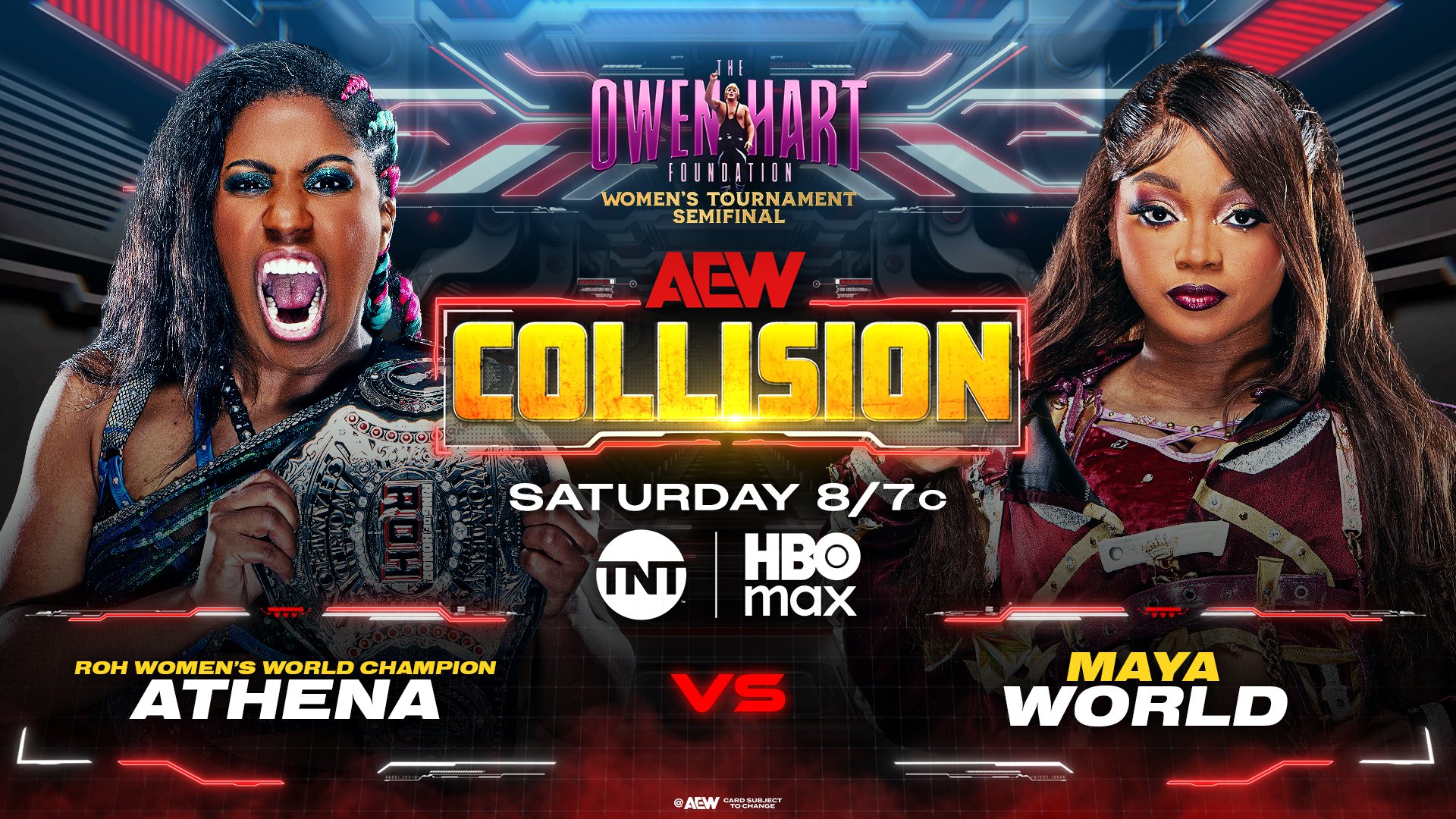
AEW is leaning too hard on stale formulas for Saturday nights
The Collision identity crisis
AEW Collision was originally billed as the more grounded, work-rate-heavy counterpart to Dynamite. It felt distinct, a place where the storytelling focused on prolonged feuds rather than the rapid-fire chaos often found on Wednesday nights. Current booking patterns suggest that the show is losing that specific identity.
The announcement that additional segments have been added to the upcoming AEW Collision card feels like a response to declining momentum rather than a coherent strategic shift. Plugging holes in the lineup with last-minute additions is a reactive booking philosophy that signals a lack of long-term planning.
The danger of reactionary booking
When a promotion focuses on filling airtime rather than driving a narrative, the impact of every match diminishes. We have seen this before. Rotating the same talent pool through repetitive exhibition matches drains the curiosity out of the audience. The fans notice when a Collision main event feels like a contractual obligation rather than the climax of a genuine rivalry.
The current reliance on quick-turnaround additions suggests that the creative team is struggling to fill two hours with meaningful content. If the stories aren't compelling enough to hold viewership for the full duration, adding more bodies to the ring won't fix the underlying fatigue. It only masks the symptoms while exhausting the remaining goodwill of a hardcore audience that remembers when every title defense had a clear, defined arc.
Missing the mark on Saturday nights
Booking choices on May 29, 2026, need to reflect the reality that the product is fighting for attention in an increasingly crowded sports landscape. With the FIFA World Cup arriving in 13 days, the window for capturing casual viewers is narrowing rapidly. AEW has exactly three weeks to lock in their core narratives before the sporting world shifts its focus away from non-essential viewing.
The current strategy of adding generic segments to Collision instead of sharpening the stakes for the top-tier talent is a disservice to the brand's history. Wrestling, at its best, thrives on the tension generated by high-stakes competition. When the bookers treat their Saturday slots as place-holders, the audience stops showing up. Efficiency isn't just about scheduling; it’s about ensuring every minute of screen time builds toward a definitive conclusion.
If the plan remains to shuffle the deck every Wednesday and Saturday without evolving the internal logic of the rivalries, they will continue to see stagnation. True growth doesn't come from expanding the match card. It comes from trusting the audience enough to let a storyline breathe over the course of weeks rather than rushing to force a payoff in a single broadcast.
Frequently Asked Questions
What was the original intended identity of AEW Collision?
Why is the current booking style of AEW Collision criticized?
How does the upcoming FIFA World Cup affect AEW's scheduling?
What is the primary risk of using reactive booking in wrestling?
What does the author suggest to improve AEW's Saturday viewership?
More Coverage
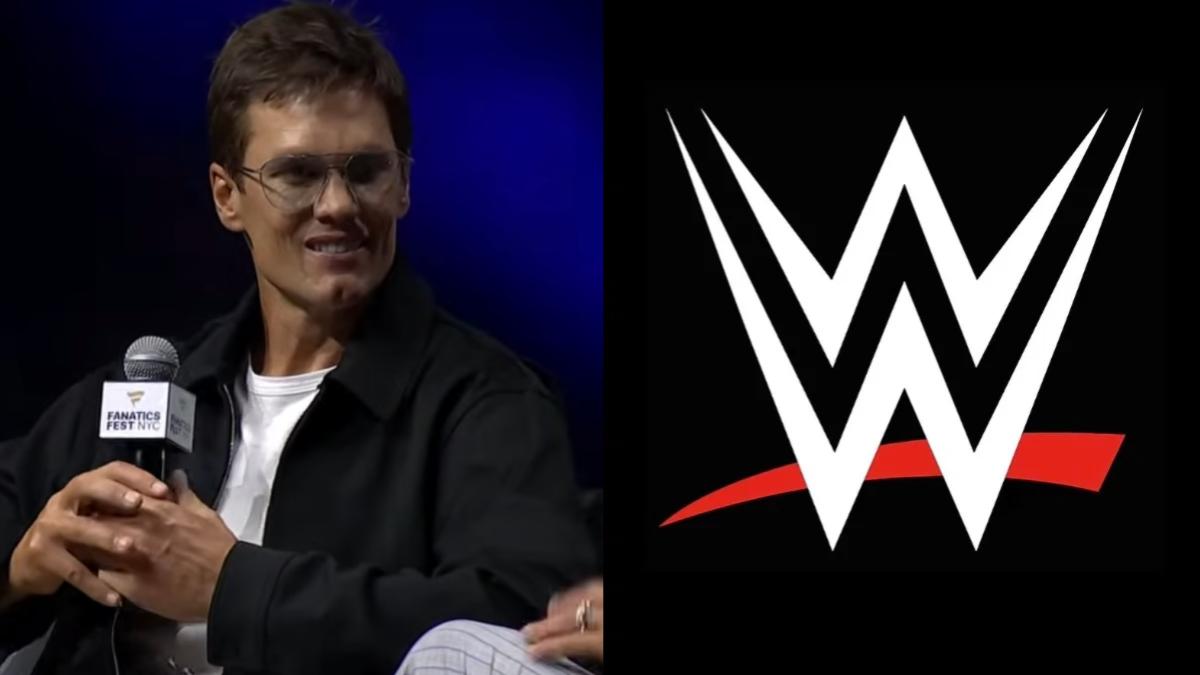
Why Tom Brady and Logan Paul are drifting toward a WWE ring
16 hours ago
Sami Zayn’s title reign remains the flashpoint of modern WWE booking
18 hours ago
Data suggests Nick Aldis is manipulating WWE main event windows
20 hours ago
Darby Allin is pushing his luck with these insane stunts
21 hours ago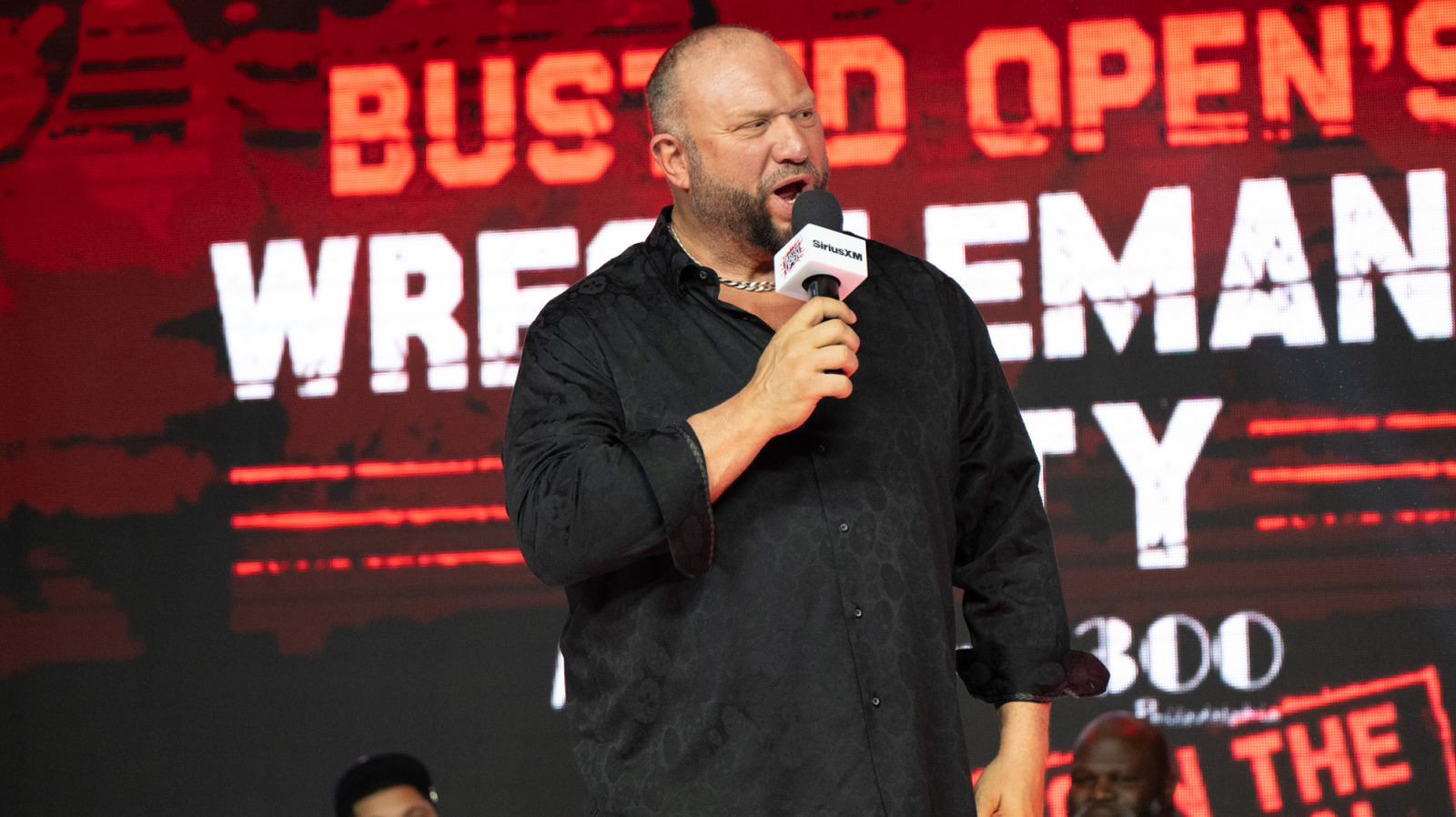
Claudio Castagnoli’s creative stagnation is a major AEW failure
23 hours agoThe shallow end: AEW Collision's creative identity crisis
1 day agoMore Analysis
AEW Collision is caught in a booking identity crisis
1 week, 1 day agoAEW Collision hits New Mexico with shaky foundations
3 weeks, 4 days ago
AEW Collision enters a volatile summer stretch
1 month ago
AEW Collision needs a structural reboot before the summer stalls out
1 month ago