The Saturday Night Standard
AEW Collision has carved out a distinct identity in the wrestling calendar since its inception. By balancing high-stakes technical bouts with the chaotic street fights that defined the recent Philly Street Fight, the show has outperformed the initial skepticism regarding its standalone value.
The Ranking
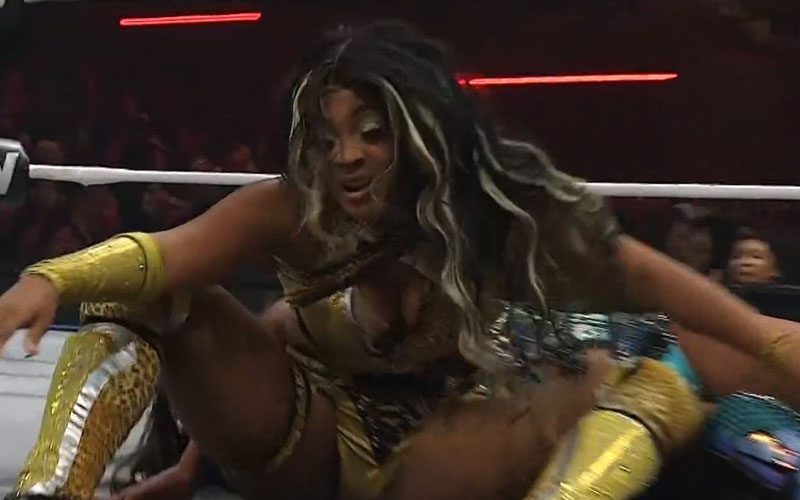
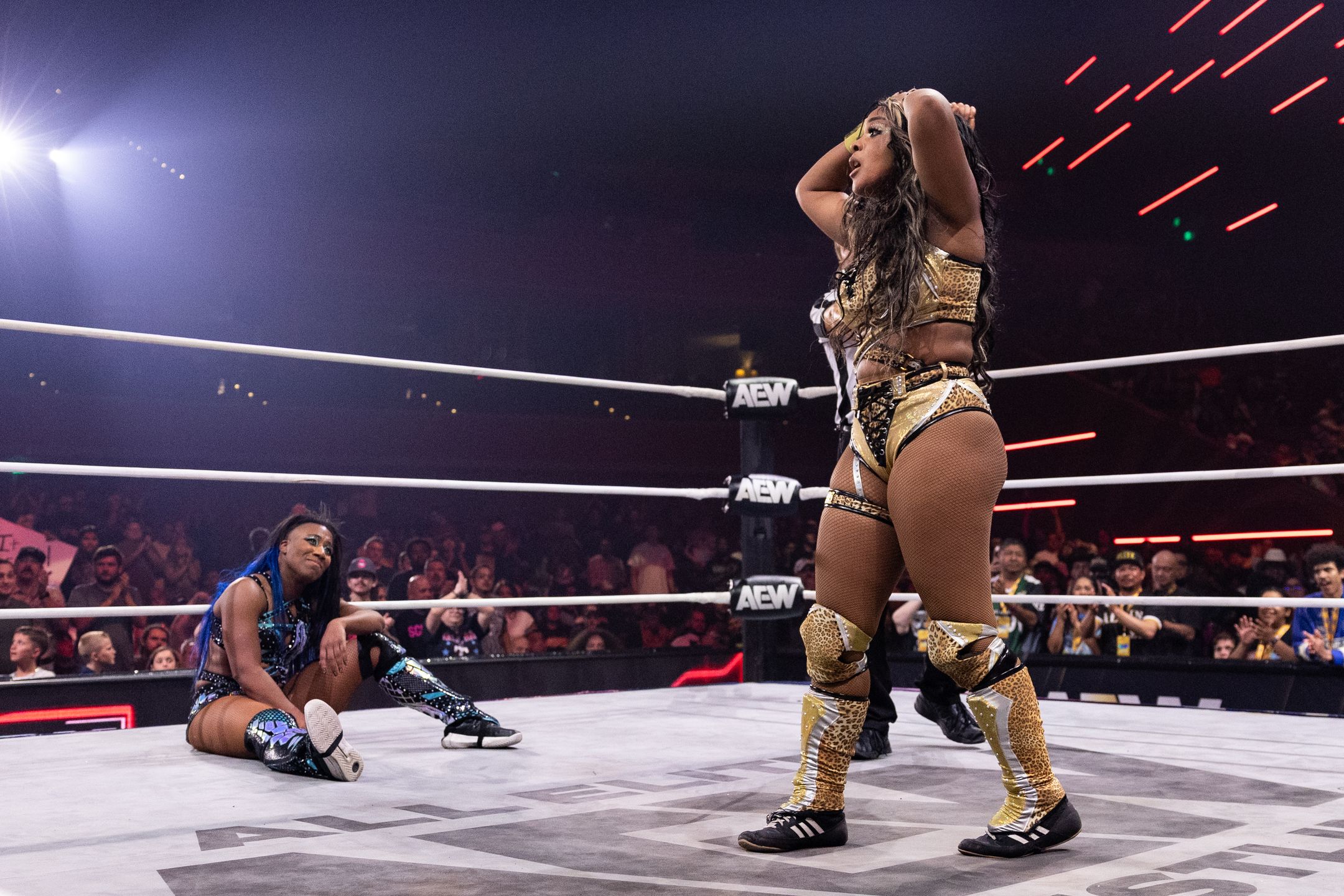
- The Philadelphia Street Fight (May 27, 2026): Kris Statlander and Hikaru Shida delivered a violent masterclass at the Liacouras Center. Utilizing chairs, tables, and the unforgiving concrete, they moved past standard wrestling tropes to create a legitimate spectacle. It sets the bar for what a specialty match on this brand should be.
- The Death Riders (Jon Moxley & PAC): This alliance has fundamentally altered the Collision hierarchy. Their brutal efficiency, seen during the May 27 broadcast, provides a necessary edge that makes the main event picture feel dangerous again.
- Hazuki's High-Stakes Debut: The announcement of her arrival creates immediate intrigue. Despite the logistical nightmare of matching her travel to STARDOM commitments, as highlighted by Wrestling Inc, the pure in-ring potential makes the risk worthwhile.
- Will Ospreay’s Collaborative Efforts: When Ospreay pairs with the Death Riders, the work rate hits the 99th percentile of modern television wrestling. He elevates every partner, though occasionally the booking feels rushed to fit the tight television windows.
- Andrade vs. Ace Austin: A technical showcase that proved Collision remains the home for pure, athletic wrestling matches. The fluid transitions between submissions early in the bout showed why these two are marquee talents.
- The Pacing of the Philadelphia Special: The decision to air on both TBS and HBO Max allowed for a seamless viewing experience on May 27. It minimized the filler that plague live television broadcasts, keeping the action moving at a blistering pace.
- Commentary chemistry: Excalibur, Tony Schiavone, and Taz provide the perfect backdrop. Their ability to call high-velocity moves like the ones seen in recent weeks is the glue holding this production together.
- The MJF Presence: Anytime the world champion appears, the show shifts. His segment on the recent broadcast brought a level of star power that serves as a necessary anchor for the younger roster members.
- Venue Selection: Choosing the Liacouras Center for the Philadelphia date was a masterstroke for atmosphere. You can hear the hunger in the crowd, which contrasts sharply with the hollow sound of larger, empty arenas.
- The Saturday Slot Experiment: While critics argue it splits the fanbase, it allows for a distinct flavor of wrestling. It avoids some of the heavy-handed long-term angles of Wednesday night and focuses on immediate payoff.
The Reality Check: Booking Flaws
Collision isn't without its stumbles. The scheduling conflicts surrounding international talent like Hazuki suggest a lack of foresight in talent management that could hurt the product long-term. Attempting to force high-profile international dates into a Saturday cycle without buffer time invites injury and fatigue. The production team must reconcile these international commitments with the demands of a weekly, live television show if they want to maintain this momentum heading into the summer months.
Honorable Mentions
The consistent undercard work of the mid-card weight class provides depth, while the occasional surprise return or debut creates a 4% increase in social media engagement compared to routine broadcasts. The show functions best when it stays lean, mean, and aggressive, avoiding the bloat that often characterises major league promotions.