
AEW Collision needs a structural reboot before the summer stalls out
The Sugar Land tapings signal a creative stagnation
The June 17th tapings at the Smart Financial Centre in Sugar Land, Texas, provided a clear view of the current inertia within AEW Collision. While the attendance numbers were technically acceptable for a mid-week recording, the actual product on display felt disconnected from the high-energy, technical focus that made the program's initial launch feel so essential. This is not a matter of roster depth; the athletes are present, but the narrative propulsion is stalling.
The main event picture currently suffers from a lack of high-stakes friction. When a promotion hits the mid-summer stretch, the booking should shift from transition feuds to meaningful escalation. Instead, the current layout feels like a repetitive cycle of tournament qualifiers and tag team combinations that lack clear long-term objectives. Even with top-tier talent rotating through the squared circle, the lack of defined emotional stakes turned a standard hour of wrestling into a predictable slog.
Missing the mark on narrative pacing
Technical performance is only half the battle in professional wrestling. The primary issue at the Sugar Land tapings was the pacing of the card. Wrestlers were often left to carry match structures without the support of a compelling reason for their presence in that particular frame. A technical sequence is only as good as the psychology preceding it, and right now, the logic between segments is thin.
As reported by WrestleTalk, the broader wrestling news cycle is currently dominated by high-level corporate maneuvering and internal drama elsewhere. While AEW should be exploiting this climate to distinguish itself as the pure wrestling alternative, Collision is instead mimicking the disjointed booking patterns that have plagued other promotions for years. When the storytelling fails to hook the audience, the work rate eventually starts to feel like choreography rather than competition.
The danger of coasting in mid-summer
Wrestling shows are essentially serial televisions that happen to feature athletic competition. The middle episodes of a season require as much tension as the finale. When promoters treat television tapings as a procedural obligation, the decay in interest is usually immediate. If the audience cannot discern a clear path to the next major crossover or championship resolution, they will eventually stop logging on.
There is also the matter of talent utilization. Rotating fresh faces is a strong strategy, but doing so without building a foundation for their characters creates a barrier for newer fans. If a wrestler enters a match with only their previous independent reputation, the average viewer has no secondary reason to root for or against them. That gap in communication is showing on the screen.
Prioritizing substance over spectacle
The solution is not to expand the roster or move into larger arenas, but to tighten the script. Every match on Collision should serve a specific purpose, whether that is establishing a future challenger, settling a long-standing personal grievance, or testing a developing talent against a veteran. Currently, the show operates at 1.5x speed without adding actual depth.
If the promotion wants to retain its credibility, it must resist the temptation to pad the runtime with filler segments that serve no purpose other than filling a television hour. The Sugar Land tapings revealed a production that is currently content with competence. Competence is not enough to compete in a saturated market. The focus needs to shift, the character motivations need to sharpen, and the match outcomes need to feel like they matter to the long-term history of the championship belts.
Real momentum is built when the audience understands the stakes as well as the performers do. If Collision continues to drift, it will lose the specific audience that championed it during its experimental first year. The transition to the upcoming Saturday broadcast on June 20th is the ideal time to reset the focus and stop coasting on talent alone.
Frequently Asked Questions
What is the primary creative issue facing AEW Collision?
Why is the current booking style considered problematic?
How does mid-summer booking impact wrestling show quality?
What is wrong with how AEW utilizes its roster?
What is the recommended fix for AEW Collision?
More Coverage
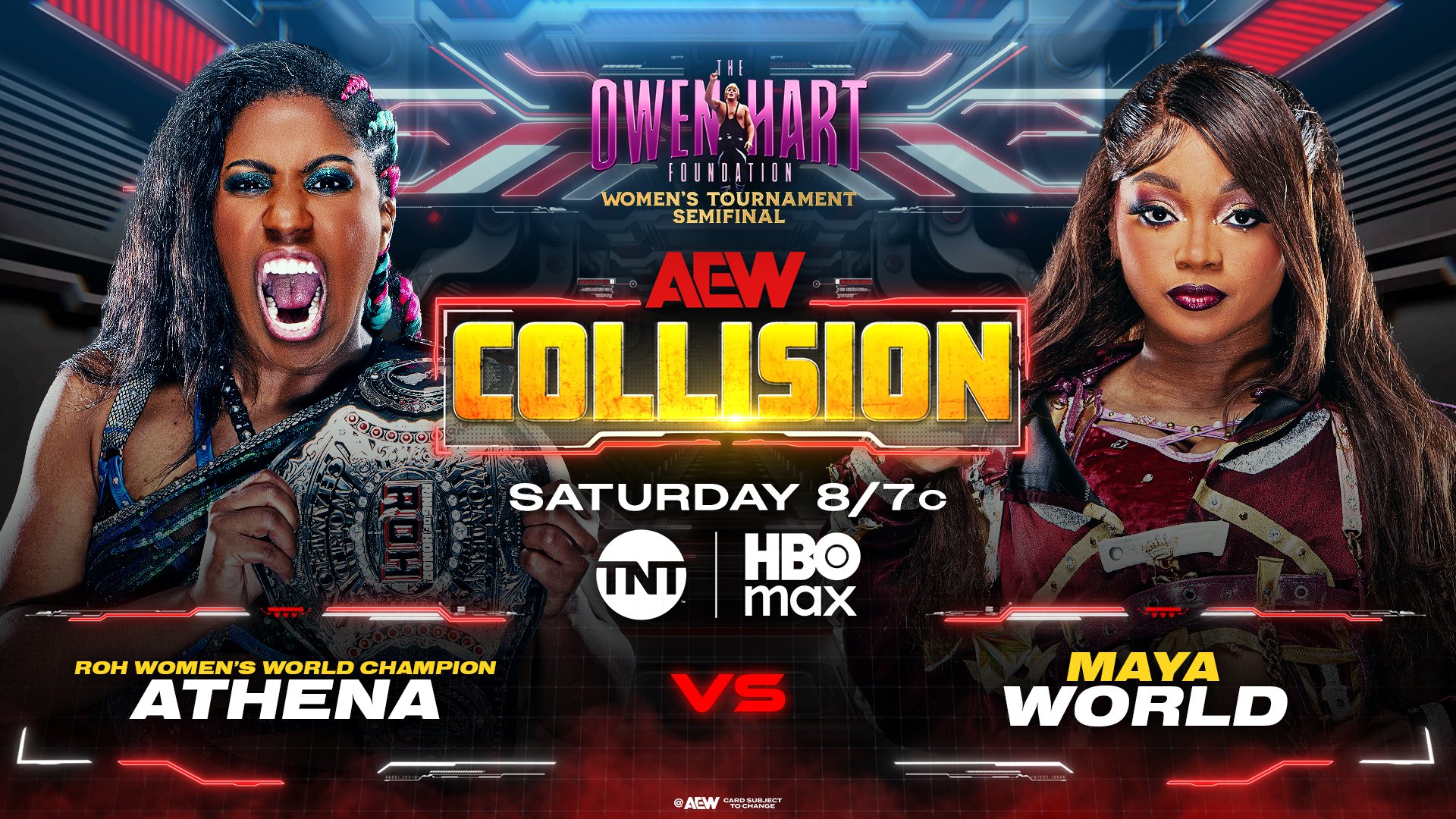
AEW Collision needs to sharpen its focus before Saturday night
2 hours ago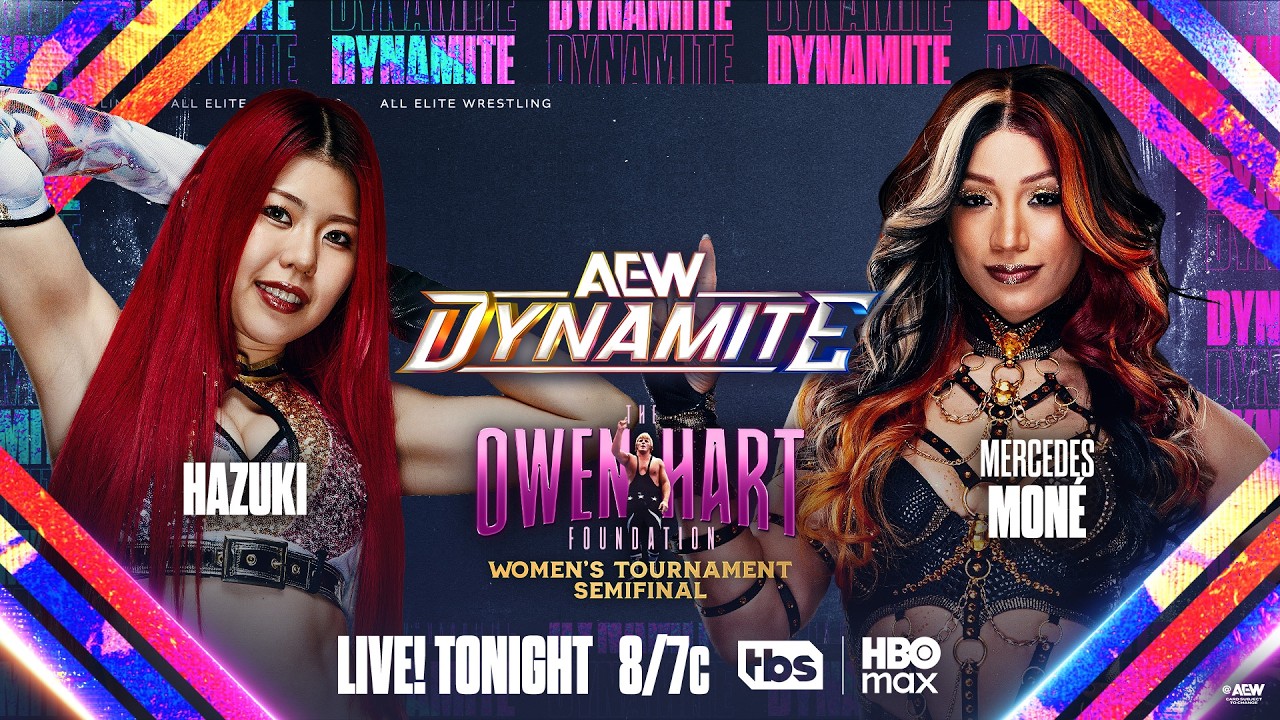
AEW's pacing issues are becoming impossible to ignore
2 hours ago
Brooks Jensen proves the Performance Center experiment isn't dead
2 hours ago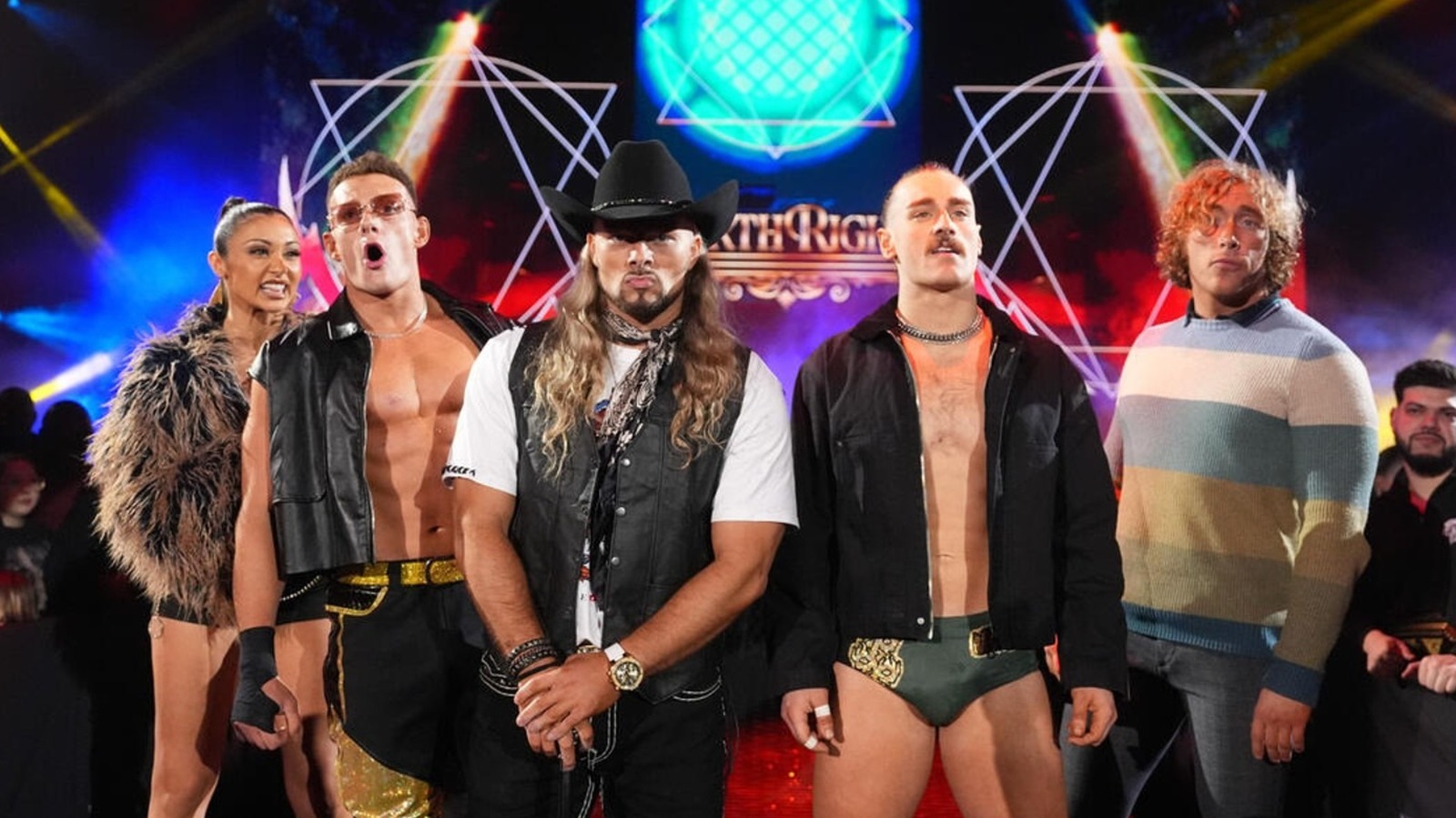
Lexis King is finally playing the hand he was dealt
3 hours ago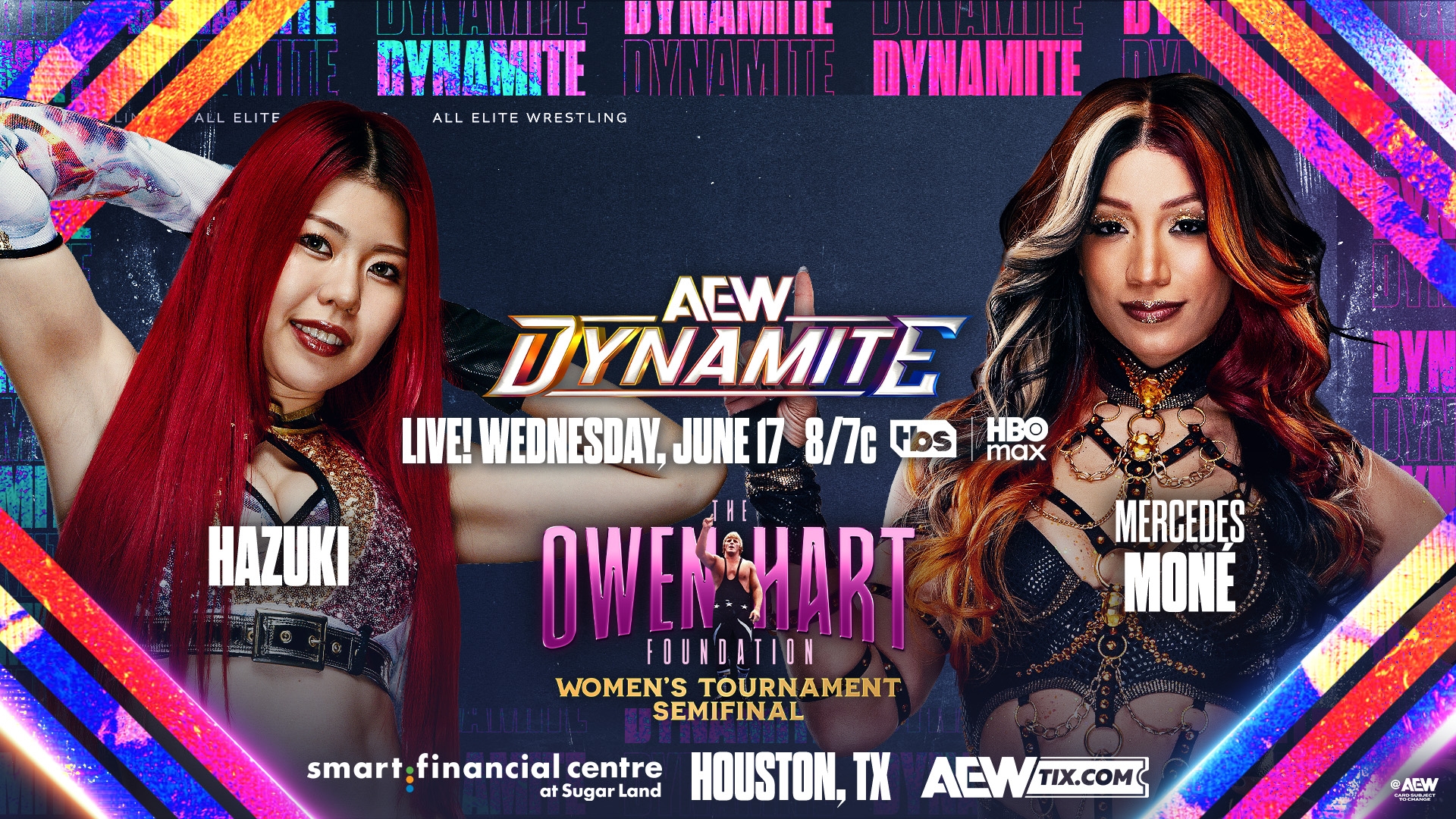
Why Kazuchika Okada might be the key to AEW's mid-year reset
3 hours ago
Michin's evolution and the mechanics of a natural onscreen persona
3 hours agoMore Analysis
Tommy Dreamer exits TNA amid growing internal shifts
an hour ago
MJF is ignoring the crowd and leaning into his selective booking strategy
an hour ago
Jacob Fatu is changing the power dynamics on WWE Raw
an hour ago
AEW Collision needs to sharpen its focus before Saturday night
2 hours ago
John Cena’s wrestling legacy is far more than his win column
2 hours ago