The Sugar Land tapings reveal a familiar problem
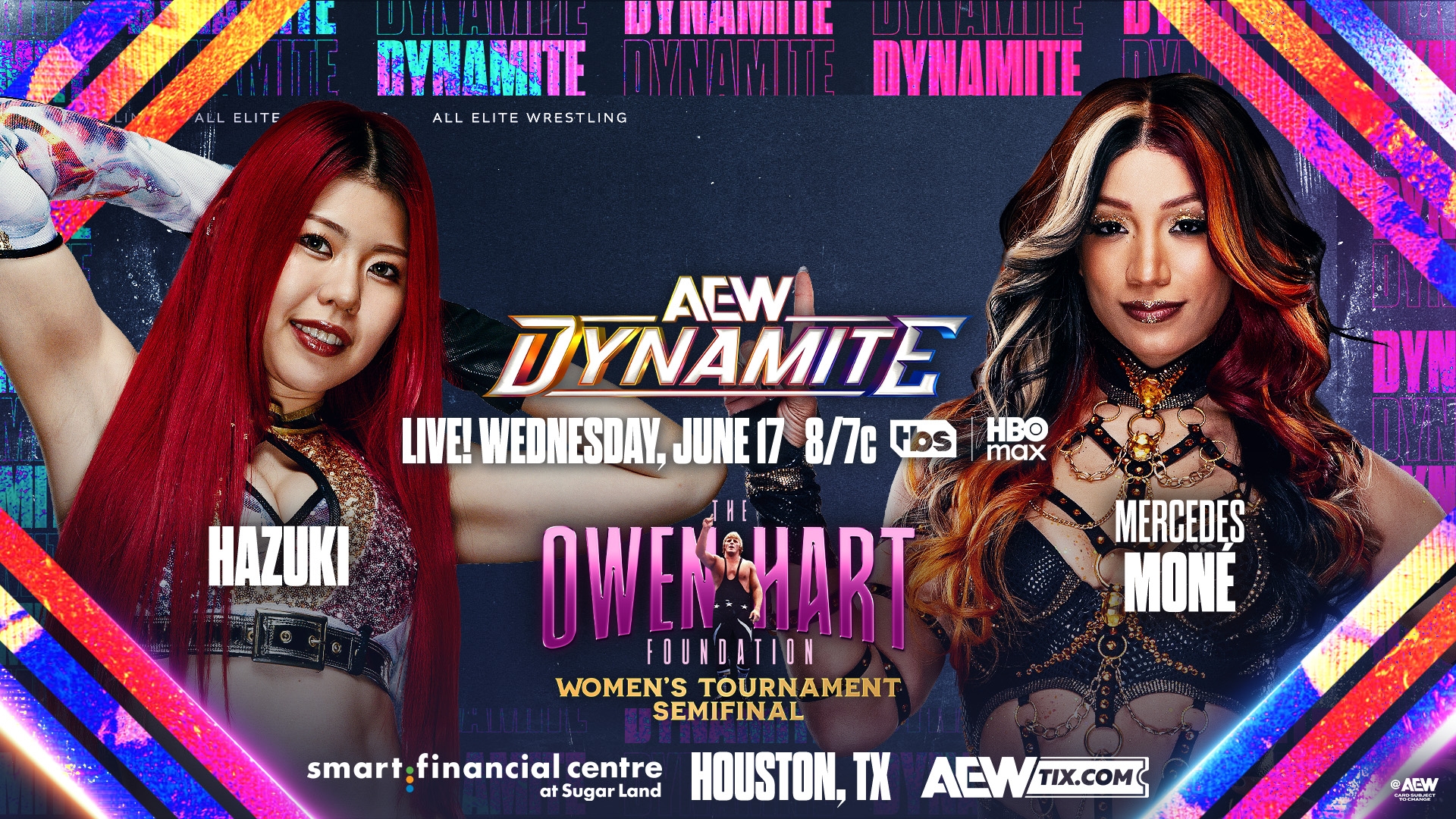
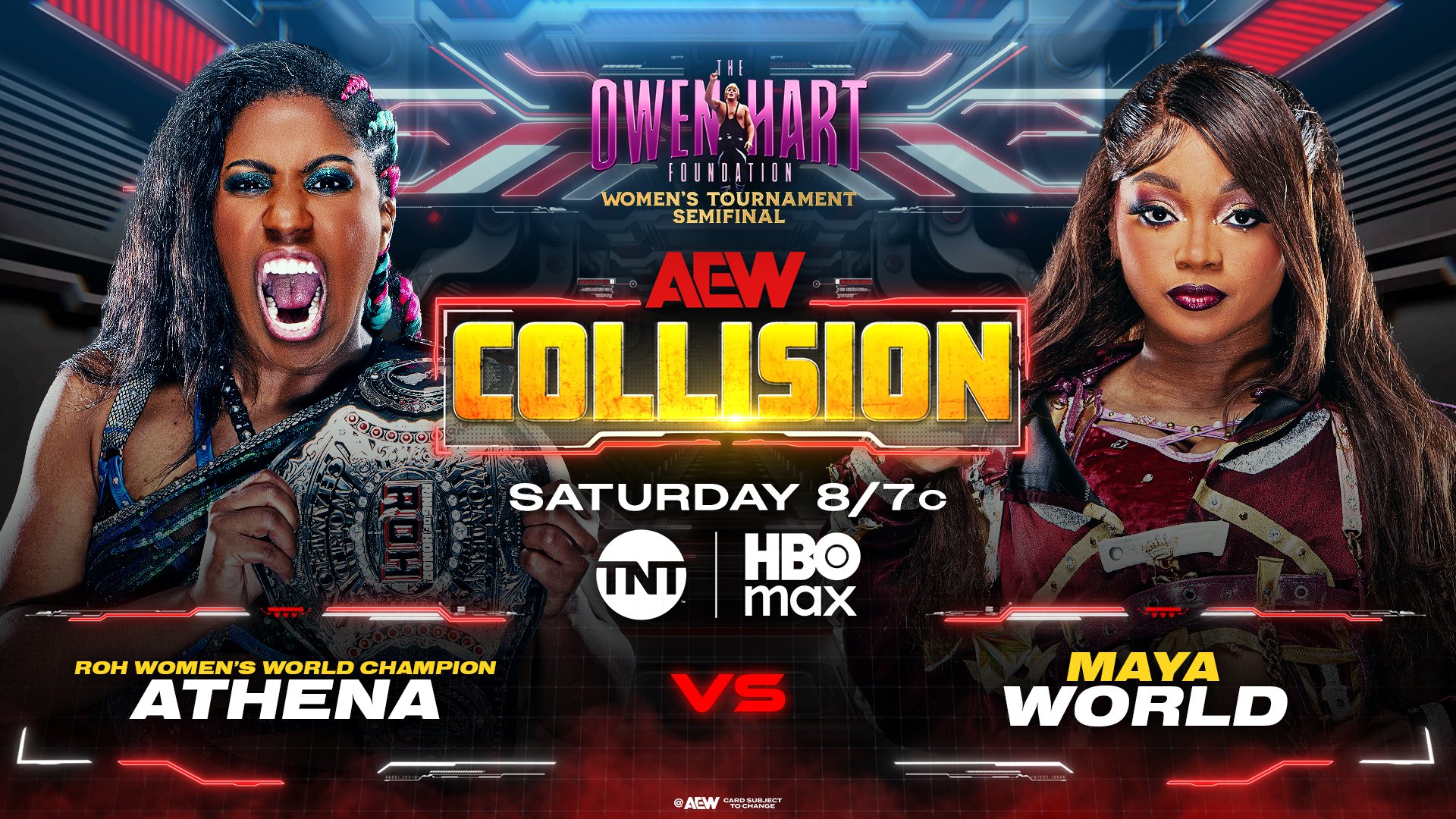
AEW Collision returns to the screen this Saturday, June 20th, following the June 17th taping at the Smart Financial Centre. Attendance in Sugar Land, Texas, was serviceable, but the narrative direction of the episode feels like a stalling tactic. We are mid-summer, yet the main event picture remains as muddy as a rain-soaked pitch in early February.
The promotion currently relies too heavily on taped episodes that bleed into the weekend cycle. When you distribute results three days before the broadcast, you effectively kill the heat before the first bell even rings for the television audience. Wrestling is a sensory experience dependent on the tension of the live moment.
Tactical inconsistencies in the mid-card
Looking at the match outcomes from the Sugar Land session, there is a clear reliance on established veterans to carry time rather than pushing for a high-work-rate transition. You see the same sequences: a standard strike exchange leading into a series of unnecessary near-falls, followed by a finish that satisfies the crowd but fails to advance any meaningful long-term angle.
The execution of these matches was technically sound, yet lacking the urgency required for a primetime slot on TNT. If you are watching the broadcast this Saturday, pay close attention to the transitions between spots. The timing between the wrestlers feels disconnected, often forcing a reset that breaks the immersion of a contest.
A lack of consequence for the roster
The booking decisions, as detailed in the full spoilered results from BodySlam.net, signal a trend of holding patterns. Every win feels like it is banked for a future payoff that is perpetually just out of reach. There is no tangible momentum shift in the rankings or the championship chase.
My biggest criticism remains the pacing of these taped segments. You cannot cultivate a competitive spirit when the wins and losses appear transactional rather than earned through a logical escalation of conflict. The roster is deeper than it has ever been, but the utilization of that depth remains bafflingly flat.
The outlook for Saturday night
Expect a clean technical display from the featured talent, but do not anticipate a seismic shift in the status quo. If you look at the 14-minute mark of the main event, watch for the specific sequence of reversals that defines the final act. That is where the match either finds its soul or crumbles into mediocrity.
My prediction: The broadcast will deliver a 6/10 performance by standard metrics. It will satisfy the casual observer, but for those of us tracking the long-term mechanics of the roster, it is a reminder that Collision needs a sharper creative identity to thrive. Watch it for the individual skill, but temper expectations regarding the narrative stakes.