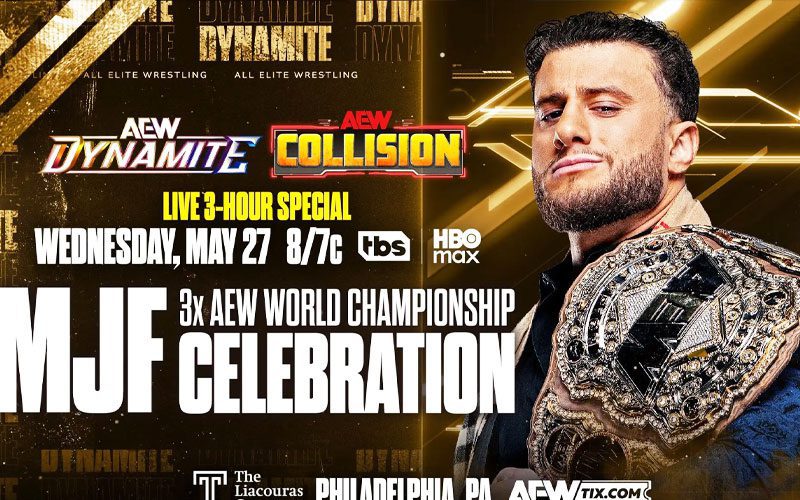
AEW Dynamite's frantic pacing is hurting their build to Double or Nothing
The shadow of the Las Vegas behemoth
Wrestling television on a Wednesday night is a brutal battleground for attention. When that Wednesday falls on April 15, mere days before WrestleMania 41 takes over Las Vegas, the pressure amplifies exponentially. The oxygen in the room is thin. You are fighting against a cultural behemoth. The instinct for any promoter in this spot is to put the foot on the gas and refuse to let up. You want to show the audience that your product is faster, harder, and more chaotic than the heavily corporate alternative.
But watching the digital uploads from the April 15 broadcast of Dynamite reveals the inherent flaw in this strategy. The relentless pace has become a trap. AEW has cultivated an in-ring product that is undeniably athletic, but frequently lacks the connective tissue required to build true emotional investment. The urgency to produce a viral moment often supersedes the need to tell a coherent story between the bells.
When you browse the official video clips released in the aftermath of the show, a clear pattern emerges. The digital footprint of the broadcast is entirely built around isolated incidents rather than sustained in-ring narratives. We are served a platter of post-match brawls, sudden run-ins, and high-risk apron bumps. It is a sugar rush of professional wrestling, designed perfectly for the short attention spans of social media scrolling, but heavily flawed when assembled into a two-hour television block.
Dissecting the modern television match
Let us examine the structural layout of the standard Wednesday night match. The opening bell rarely signifies the beginning of a physical debate. Instead, it acts as a starter pistol for a choreographed sprint. The traditional feeling-out process—the collar-and-elbow tie-up, the exchange of basic holds, the establishment of physical dominance—has been largely discarded. Instead, we see immediate high-velocity striking exchanges or intricate evasion sequences that culminate in a synchronized standoff.
This opening tells the audience that the match is going to be competitive. However, it also establishes a baseline of speed that is nearly impossible to maintain. When you start in fifth gear, there is nowhere left to accelerate. The match must either plateau or collapse under its own weight. We see performers executing top-rope dives within the first three minutes of a contest, leaving them with no higher peak to climb during the finishing sequence.
The compression of the heat segment
This pacing heavily impacts the concept of the heat segment. In traditional wrestling psychology, the heat is the period where the villain methodically dismantles the hero. It is designed to elicit sympathy from the crowd and build anticipation for the eventual comeback. In 2026, the heat segment on Wednesday nights has been violently compressed.
Often, this segment is relegated entirely to the picture-in-picture commercial break. The television viewer is forced to watch the heel apply a chin-lock in a tiny box on the corner of their screen while a fast-food commercial plays loudly on the main feed. By the time the broadcast returns to full screen, the babyface is already beginning their explosive comeback sequence. The audience is denied the opportunity to sit in the discomfort of watching their hero suffer. Without that discomfort, the subsequent triumph feels unearned.
The consequences of the clip economy
Then there is the issue of selling, or rather, the lack thereof. Selling is not simply pretending to be injured. It is the mechanism by which moves are given weight and consequence. It is the language of physical struggle. When a competitor takes a devastating move—say, a sheer-drop suplex onto the ring apron—and is running the ropes at full speed less than a minute later, the internal logic of the match shatters.
Why did the audience react to the suplex? Because it looked dangerous. Because it looked like it hurt. When the performer immediately shrugs it off to hit their next sequence of offense, they are telling the audience that they were wrong to be concerned. They are explicitly stating that the move did not really matter. When you string together a series of moves that do not matter, you get an exhibition of acrobatics, not a fight.
Sacrificing logic for engagement
This approach is heavily influenced by the demands of digital media. We live in the clip economy. The success of a show is increasingly judged by how well its constituent parts perform on online platforms. A sustained, logical ten-minute grappling clinic does not go viral. A thirty-second flurry of superkicks, knee strikes, and a Canadian Destroyer does.
The matches are being reverse-engineered to produce these discrete, easily digestible chunks of content. The wrestlers are booking their sequences for the timeline rather than the arena. This leads directly to the over-reliance on the post-match angle. A clean, decisive finish is no longer enough to conclude a segment. The referee counts to three, the bell rings, and almost immediately, a secondary theme music hits.
An uninvited guest marches down the ramp. A brawl ensues. The lights flicker. These tropes are deployed with exhausting frequency. They are designed to ensure that the segment ends on a cliffhanger, providing the social media team with a perfectly packaged video clip for the next morning. However, when every single match ends in chaos, chaos becomes the new baseline. It ceases to be surprising. It becomes administrative.
The viewer learns to withhold their reaction to the finish of the match because they know the actual climax is still to come. The outcome of the match loses its significance. Wins and losses begin to feel arbitrary. The performers are no longer fighting to win a simulated athletic contest; they are simply executing a series of stunts before moving to the next plot point.
The breakdown of structure
Consider the role of the referee in modern tag team matches. The rules of tag team wrestling are designed to create structure. The illegal partner is restricted to the apron. There is a five-count to leave the ring after a tag. These rules exist so that the heel can break them behind the referee's back, thereby generating anger from the crowd. They exist so the babyface can desperately reach for a tag that is agonizingly out of reach.
On Wednesday nights, these rules are treated as vague suggestions. Tag matches routinely devolve into chaotic four-way brawls where the referee stands passively in the corner, offering no attempt to restore order. The referee count is completely ignored. This is not a stylistic evolution; it is a fundamental breakdown of the match structure.
If the rules are not enforced, they do not exist. If they do not exist, the heel cannot cheat. The fundamental dynamic of good versus evil is flattened into a cooperative tumbling routine. When a heel cannot draw ire for bending the rules, they are forced to rely entirely on high-impact moves to get a reaction, further escalating the dangerous arms race of modern offense.
Contrasting with the Las Vegas spectacle
This weekend, the wrestling industry's attention is entirely swallowed by the events in Las Vegas. WrestleMania 41, spanning across April 19 and April 20, operates on a completely different philosophical level. It is a plodding, methodical, character-driven soap opera. For all its flaws, the corporate juggernaut understands the power of the pregnant pause. They understand that a stare-down between two massive stars can draw more money than a physically grueling thirty-minute iron man match.
AEW was founded as the antithesis to that sports entertainment methodology. The promise was a focus on the sporting aspect of professional wrestling. Records would matter. Rules would be enforced. The in-ring action would be the primary storytelling vehicle. However, the current iteration of the product has drifted far from that original mission statement. In an attempt to differentiate themselves from the slow, monologue-heavy style of their main competitor, they have swung too far in the opposite direction.
By prioritizing non-stop action, they have stripped away the emotional variance required for a compelling narrative. When an audience watches a television show, they need peaks and valleys. If the volume is permanently stuck at a deafening ten, the noise just becomes static. The viewer becomes desensitized to violence and athleticism. A piledriver on the floor, once a feud-ending maneuver, is now just a transition spot heading into a commercial break.
The road to Double or Nothing
As AEW plots its course toward Double or Nothing on May 24, a recalibration is desperately needed. The company possesses an embarrassment of riches when it comes to in-ring talent. When you feature the sheer technical brilliance of performers like Bryan Danielson or the explosive creativity of Will Ospreay, you do not need to rely on frantic pacing and constant interference to entertain an audience.
The build to a major pay-per-view should involve a gradual escalation of tension. The weekly television should be the journey, establishing the stakes and the animosity between the competitors. Right now, the programming often feels like a series of rushed destinations. Every week attempts to deliver pay-per-view caliber violence, which ironically ensures that the actual pay-per-view matches struggle to feel special.
Recalibrating the emotional stakes
If every match features a table spot, bleeding, and a brawl through the crowd, what is left for the main event of Double or Nothing? How do you escalate a feud when the baseline level of violence is already so high? The answer is usually more stunts, more risks, and more chaos. It is an unsustainable cycle.
The most effective wrestling relies on anticipation. It relies on making the audience wait for the moment they desperately want to see. When a babyface is finally able to get their hands on a cowardly heel after weeks of evasion, the resulting punch is worth more than a dozen springboard moonsaults. The promotion needs to rediscover the value of restraint.
They need to trust their audience to sit through a hold. They need to allow their matches to breathe. They need to prioritize logic and consequence over the immediate gratification of a viral clip. Reviewing the April 15 video uploads serves as a stark reminder of these structural flaws. The talent is clearly there. The passion of the fanbase is undeniable.
To truly offer an alternative to the polished, corporate machine dominating the weekend in Las Vegas, you do not need to be faster. You need to be smarter. You need to make the viewer believe in the physical struggle happening inside the ring. Until that fundamental shift occurs, we will continue to get fantastic athletic exhibitions that fade from memory the moment the next video autoplays.
The Rise and Fall of ECW (Wrestling Books)
A deep dive into the hardcore territory that changed the industry forever.
Frequently Asked Questions
Why is AEW Dynamite's pacing considered a problem?
What is the main issue with the structure of modern AEW matches?
How does the April 15 Dynamite episode reflect AEW's booking strategy?
What happens to the heat segment in modern AEW television matches?
What challenges does AEW face when competing against WrestleMania 41?
More Coverage
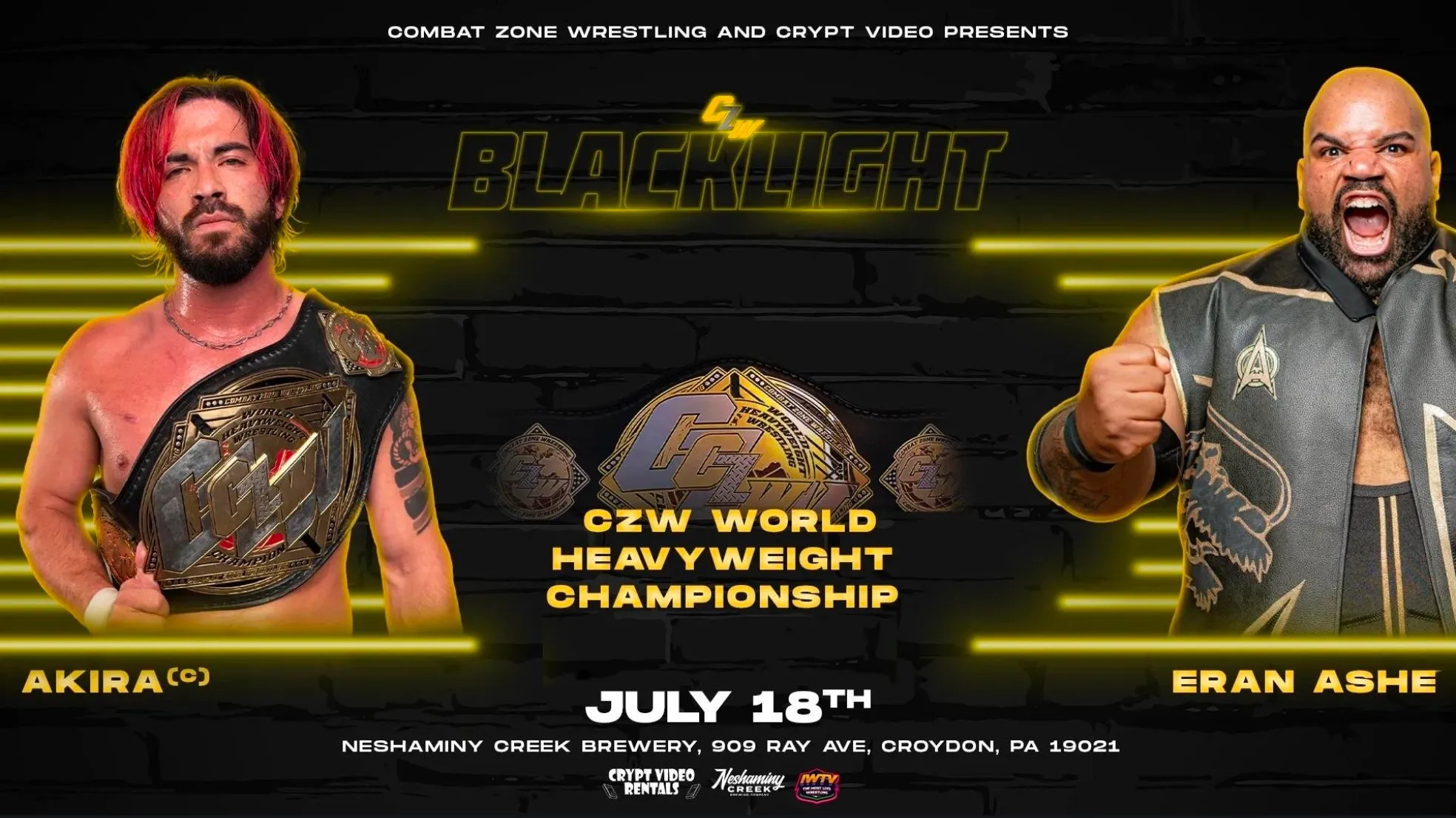
CZW is missing the mark in the post-deathmatch landscape
6 hours ago
NXT Championship volatility reaches a boiling point
8 hours agoAEW needs more than just Ospreay to fix the Collision slide
8 hours ago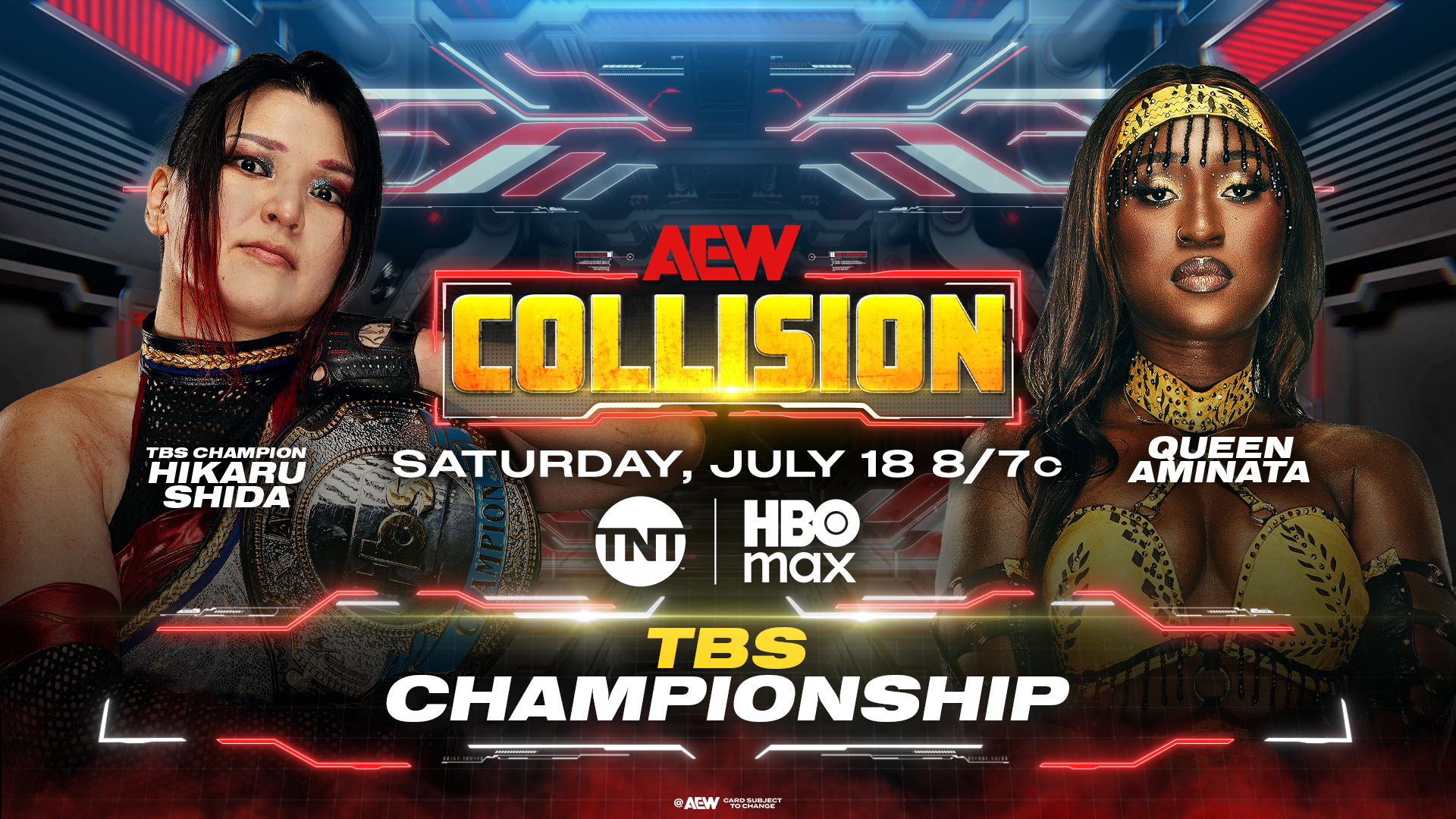
AEW needs more than just Ospreay to fix the Collision slide
8 hours ago
Ciampa and Jericho turn up the heat in the wrong direction
8 hours ago
Andre Chase pulls back the curtain on the Shawn Michaels era at NXT
9 hours agoMore Analysis
AEW Dynamite has a pacing problem, and it's built into the format
3 months, 1 week ago
AEW Dynamite remains trapped in a booking identity crisis
3 months, 2 weeks ago
AEW has a major problem with momentum heading into Double or Nothing
2 months ago
Why AEW Dynamite's May 13 viewership bump is no accident
2 months ago
AEW's Double or Nothing build is falling apart right before our eyes
2 months ago