The cracks in the A&E archival machine
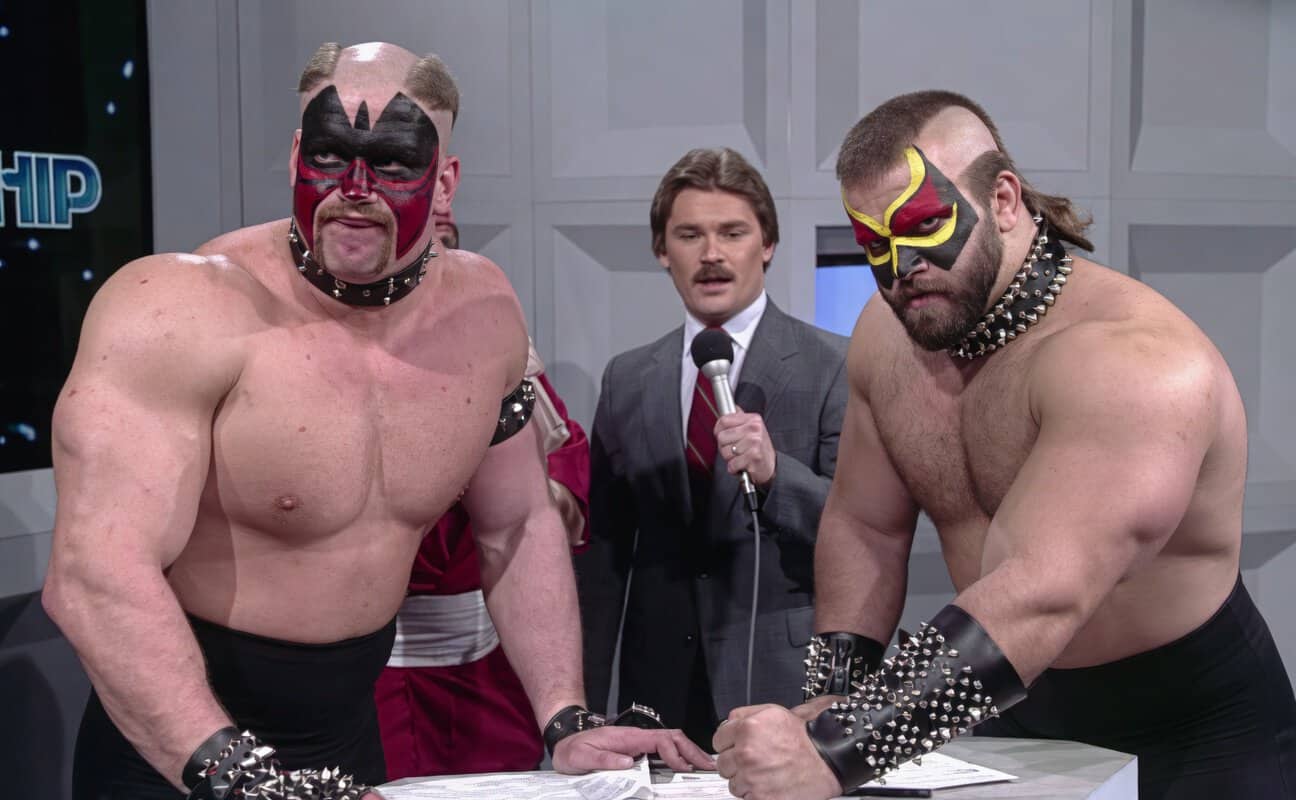
For years, the WWE and A&E documentary series functioned as a polished hagiography. It was high-gloss nostalgia served to a core audience, carefully curated by the corporate office. Usually, these docs range from informative to mildly sanitized, but the recent Road Warriors feature has shattered that fragile peace.
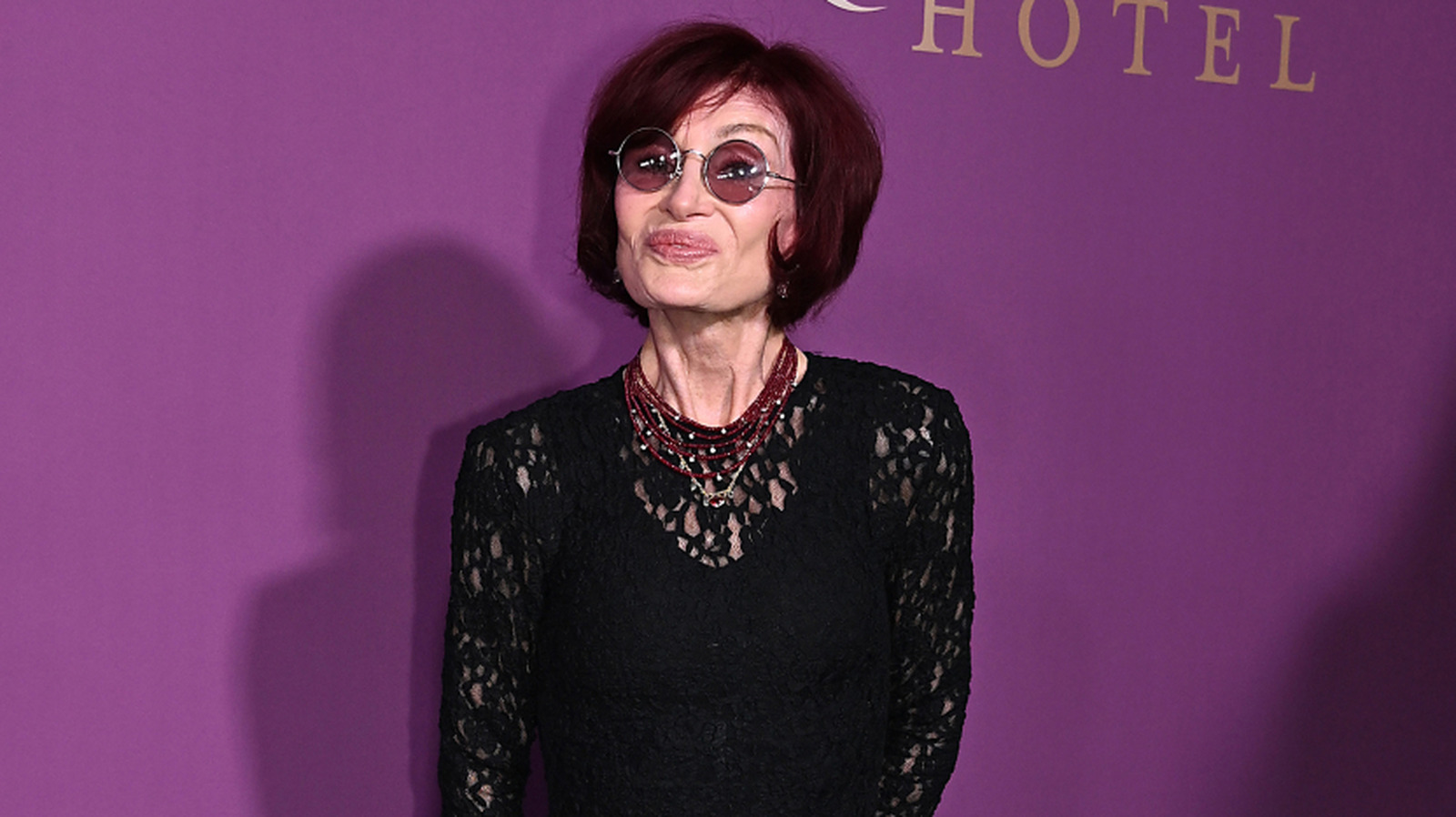
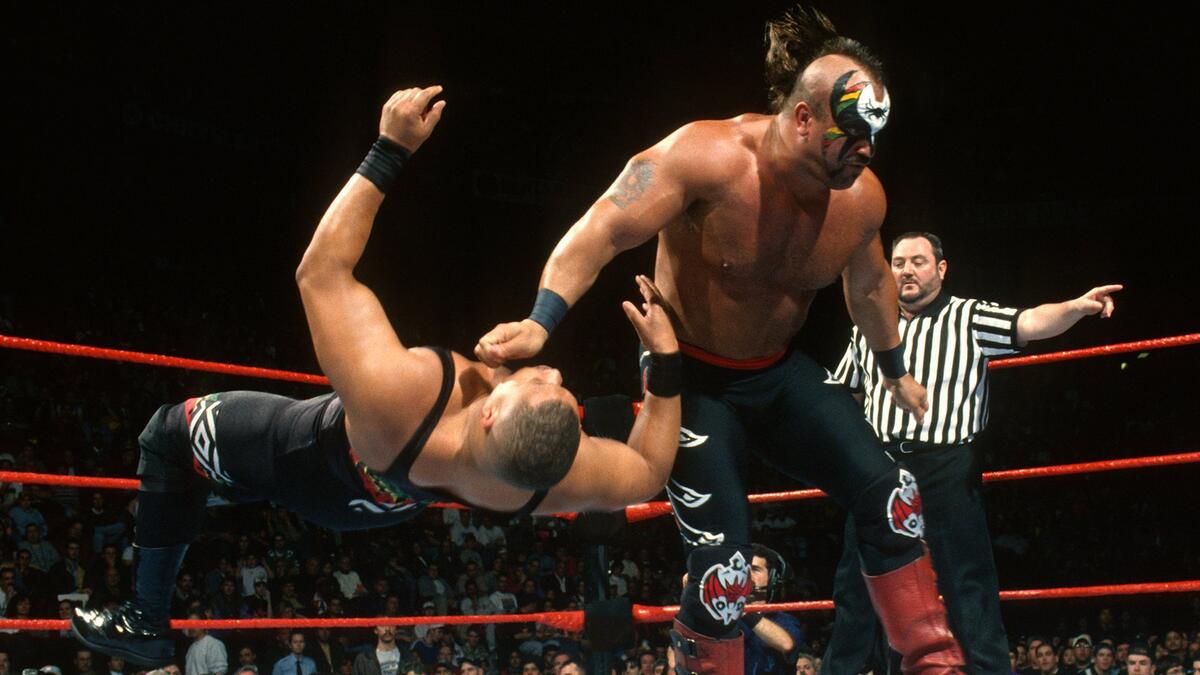
Kim Ellering, widow of Road Warrior Animal, didn't just critique the production—she scorched it. According to reports from F4WOnline, she labeled the project disgusting, citing a lack of consultation and a gross misrepresentation of her husband’s life. When family members start publicly attacking the accuracy of your official history, your internal vetting process has officially collapsed.
Missing the mark on personal legacy
The core issue here is the tension between creative license and biographical responsibility. WWE wants a broadcast-friendly product that fits a tidy 60-minute window, but the lives of talent like the Legion of Doom involve complex personal realities that don't fit on a network template. By skipping the family perspective, the production alienated the very people who preserve the legacy.
As PWInsider reported, the backlash isn't just a minor squabble. It touches on a broader trend of dissatisfaction with how these A&E Biography episodes prioritize narrative pacing over accuracy. When the goal is to produce volume for a television deal, the nuances—and the human beings—become collateral damage.
The fallout at Double or Nothing and beyond
I predict this cycle of controversy will force WWE to pull back. We are five days out from AEW Double or Nothing, and the industry is already hyper-focused on how these companies manage their historical narratives. If a company can’t keep the families of their legends happy, the value of the documentary brand drops significantly.
WWE will likely pivot to smaller, more controlled spotlights. Expect future projects to involve heavier NDAs and tighter control over who is interviewed. The days of letting these docs run wild without heavy vetting are over; they cannot afford another public relations firestorm while they are scaling their media footprint elsewhere.
This isn't about being woke or traditionalist; it’s about simple execution. You cannot build a reputable video library if the stakeholders view the output with active hostility. Investors look for reliability, and right now, the A&E doc series looks like a liability in the 2026 fiscal year.